Predictive modelling of vascular surgery trends using machine learning: a comparative study of Irish public and private tertiary referral centres
Sherif Sultan, Yogesh Acharya, Mohamed S. Sultan, Omnia Zayed, Osama Soliman

TL;DR
This study uses machine learning to predict future trends in vascular surgery in Ireland, highlighting a potential shortage of surgeons and the need for strategic planning.
Contribution
The study introduces a predictive model using AI/ML to forecast vascular surgery workforce needs in both public and private sectors.
Findings
The private sector saw a 73-fold increase in abdominal aortic aneurysm interventions compared to a 1.25-fold increase in the public sector.
The model predicts a shortage of vascular surgeons, with the workforce potentially meeting demand by 2050.
Surgeons may need to increase yearly wRVU production by 22%–31% by 2030 to accommodate workload.
Abstract
Vascular diseases are increasing in Ireland as well as worldwide alongside an ageing society, posing a growing demand for trained and qualified healthcare professionals. In this study, we have analysed current practices of vascular interventions by using the data from the vascular tertiary centre to predict the future size and capacity of the vascular surgery workforce through artificial intelligence (AI)-powered predictive models. We employed supervised machine learning (ML) regression model to predict trends in the landscape of complex vascular and endovascular surgery over the next 22 years, utilising data from a high-volume public and private tertiary referral vascular centre spanning two decades (2002 to 2023) in the West of Ireland. We conducted 1,653 aortic interventions, 1,185 carotid interventions, and 3,069 peripheral vascular interventions, with conversion rates from…
Genes, proteins, chemicals, diseases, species, mutations and cell lines named across the full text — each resolved to its canonical identifier and authoritative record.
Click any figure to enlarge with its caption.
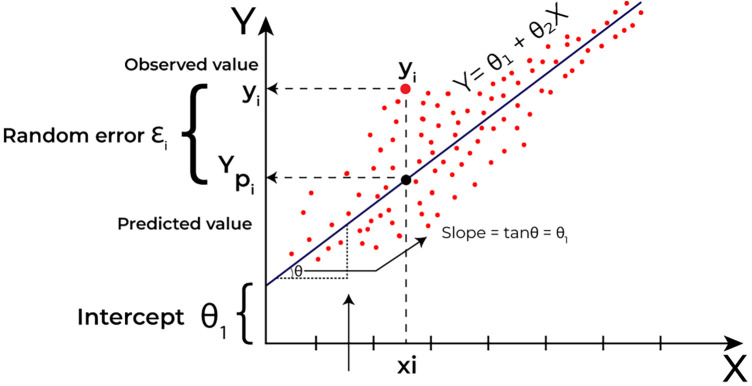 Figure 1
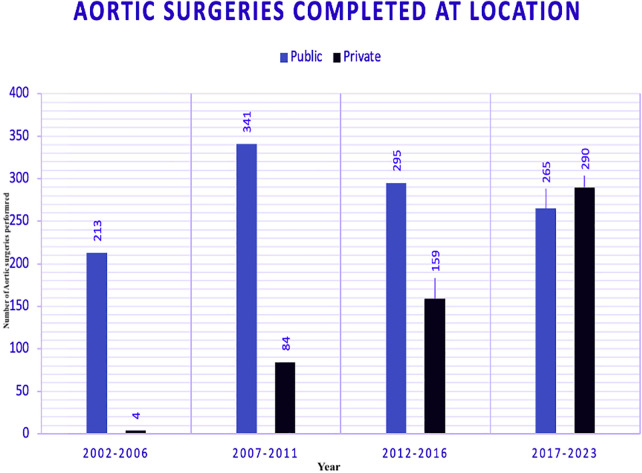 Figure 2
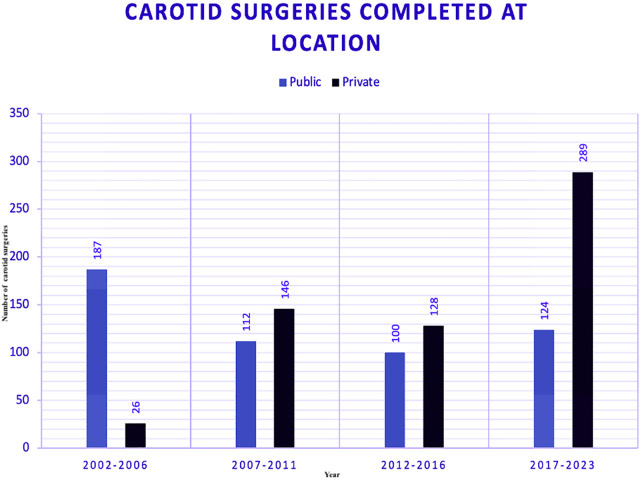 Figure 3
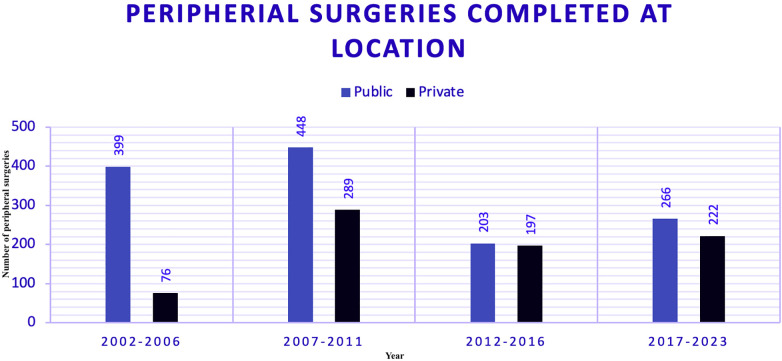 Figure 4
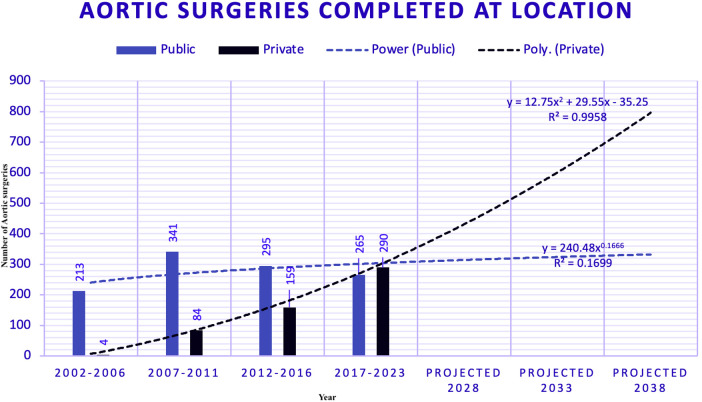 Figure 5
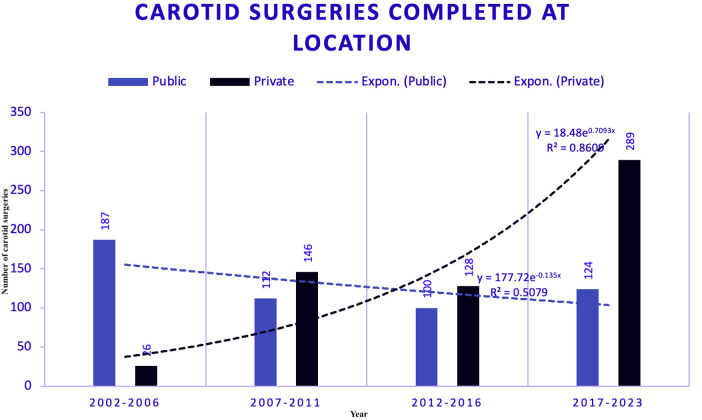 Figure 6
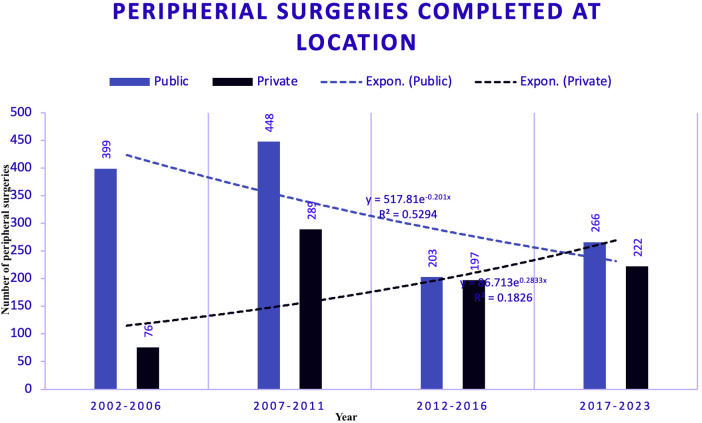 Figure 7
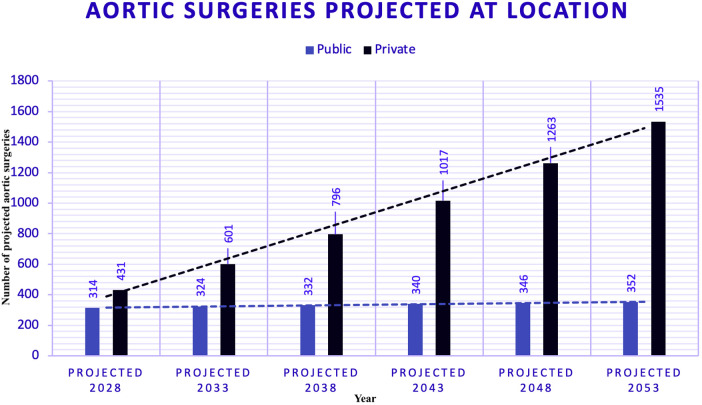 Figure 8
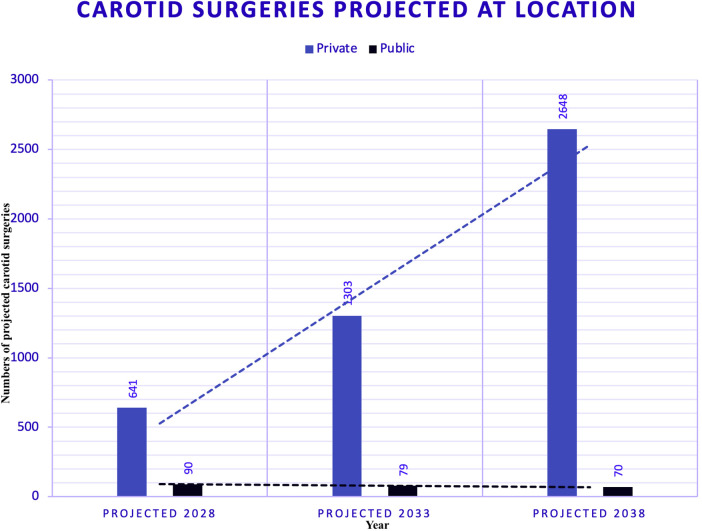 Figure 9
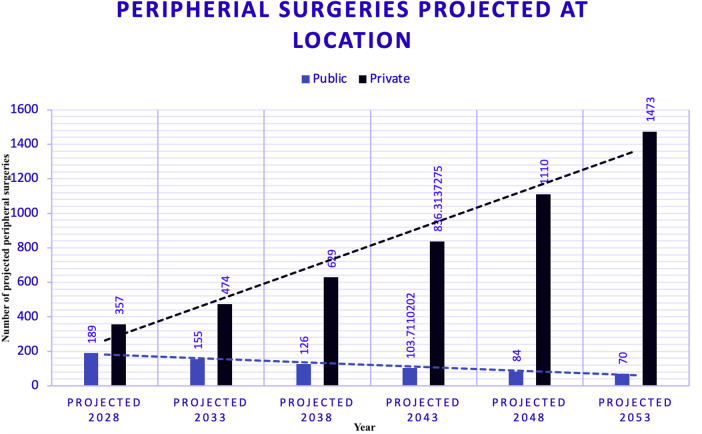 Figure 10
Peer Reviews
No public reviews on file for this paper yet. If you reviewed it on a platform where reviews are public (OpenReview, ICLR, NeurIPS, ICML), you can paste yours below so the community can read it here.
Videos
No videos yet. Explain this paper in a talk, walkthrough, or lecture? Add one.
Taxonomy
TopicsAortic aneurysm repair treatments · Surgical Simulation and Training · Peripheral Artery Disease Management