Successive-cyclic movement in humans and neural language models: testing wh-filler-gap dependencies
Keonwoo Koo, Hyosik Kim

TL;DR
This study shows that language models like GPT-2 do not process complex sentence structures in the same way humans do, suggesting they lack understanding of abstract grammar.
Contribution
The study provides empirical evidence that GPT-style models fail to capture human-like syntactic processing of wh-filler-gap dependencies.
Findings
Language models failed to replicate human processing facilitation for canonical and elided dependencies.
One model showed an inverse effect, relying on surface cues instead of abstract syntax.
The findings support the Poverty of the Stimulus argument against models' syntactic competence.
Abstract
This study investigates whether auto-regressive language models (GPT-2, GPT-Neo, OPT) replicate human-like sensitivity to covert intermediate phrasal structures (CP vs. NP) during the processing of wh-filler-gap dependencies. We extend this inquiry to backward sluicing, an elliptical construction that provides a robust test for the representation of abstract syntactic structure. Across two experiments measuring processing difficulty via surprisal, we found a significant divergence from established human processing patterns. We found that the models failed to reproduce the human processing facilitation for both canonical and elided dependencies. One model, in fact, showed an inverse effect, a pattern suggesting a reliance on surface-level cues rather than abstract hierarchical representations. We take these findings as evidence that the tested GPT-style models are insufficient for…
Genes, proteins, chemicals, diseases, species, mutations and cell lines named across the full text — each resolved to its canonical identifier and authoritative record.
Click any figure to enlarge with its caption.
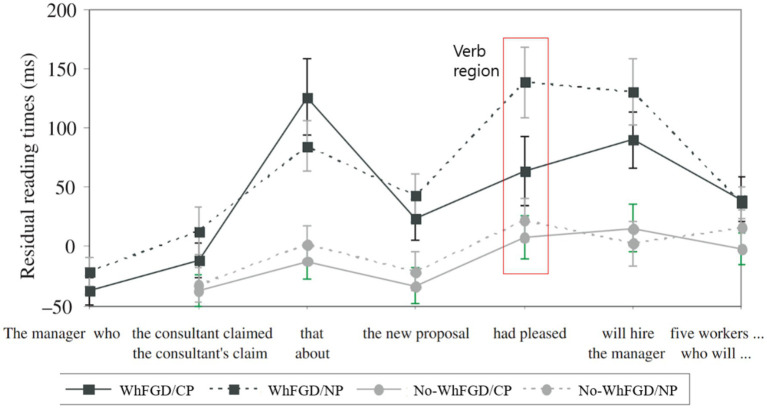 Figure 1
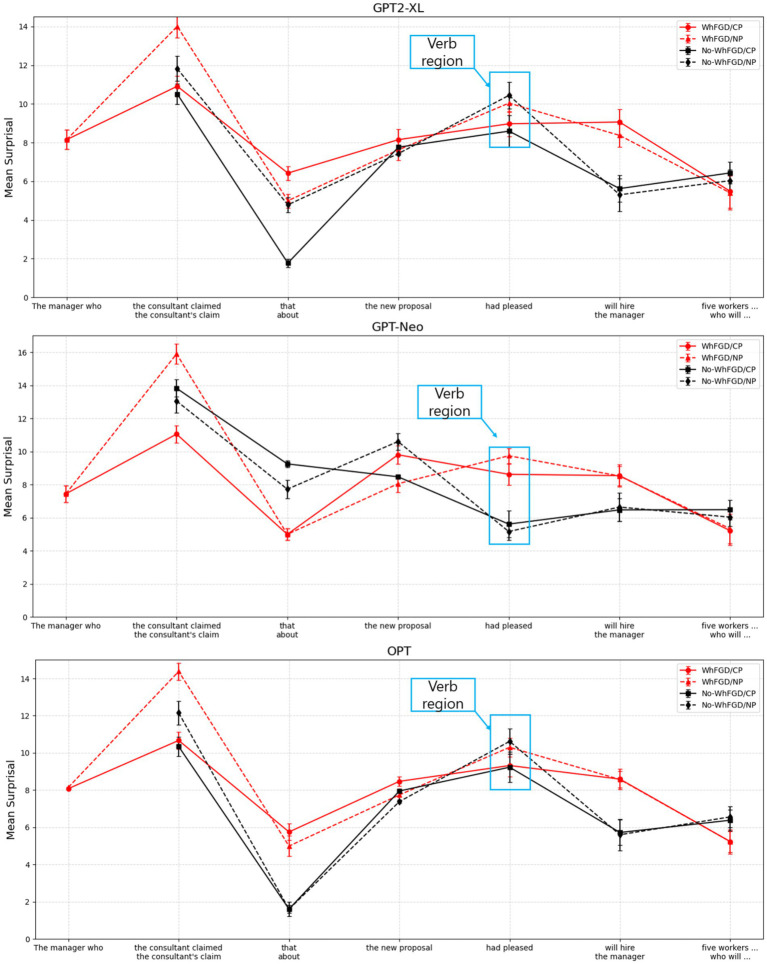 Figure 2
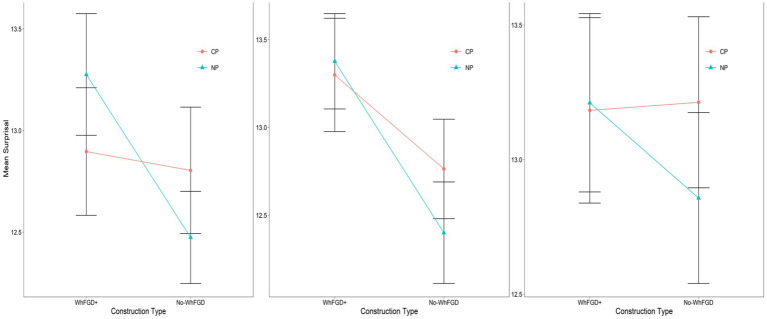 Figure 3
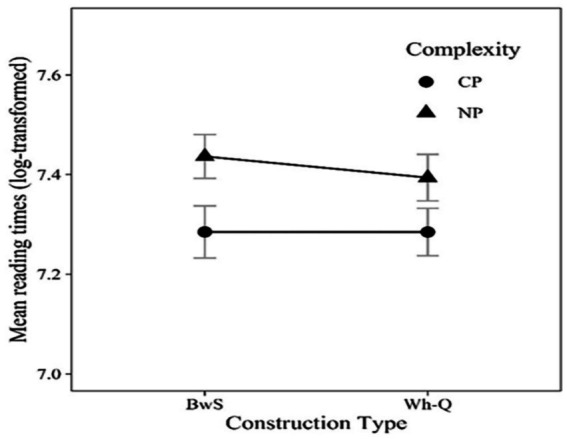 Figure 4
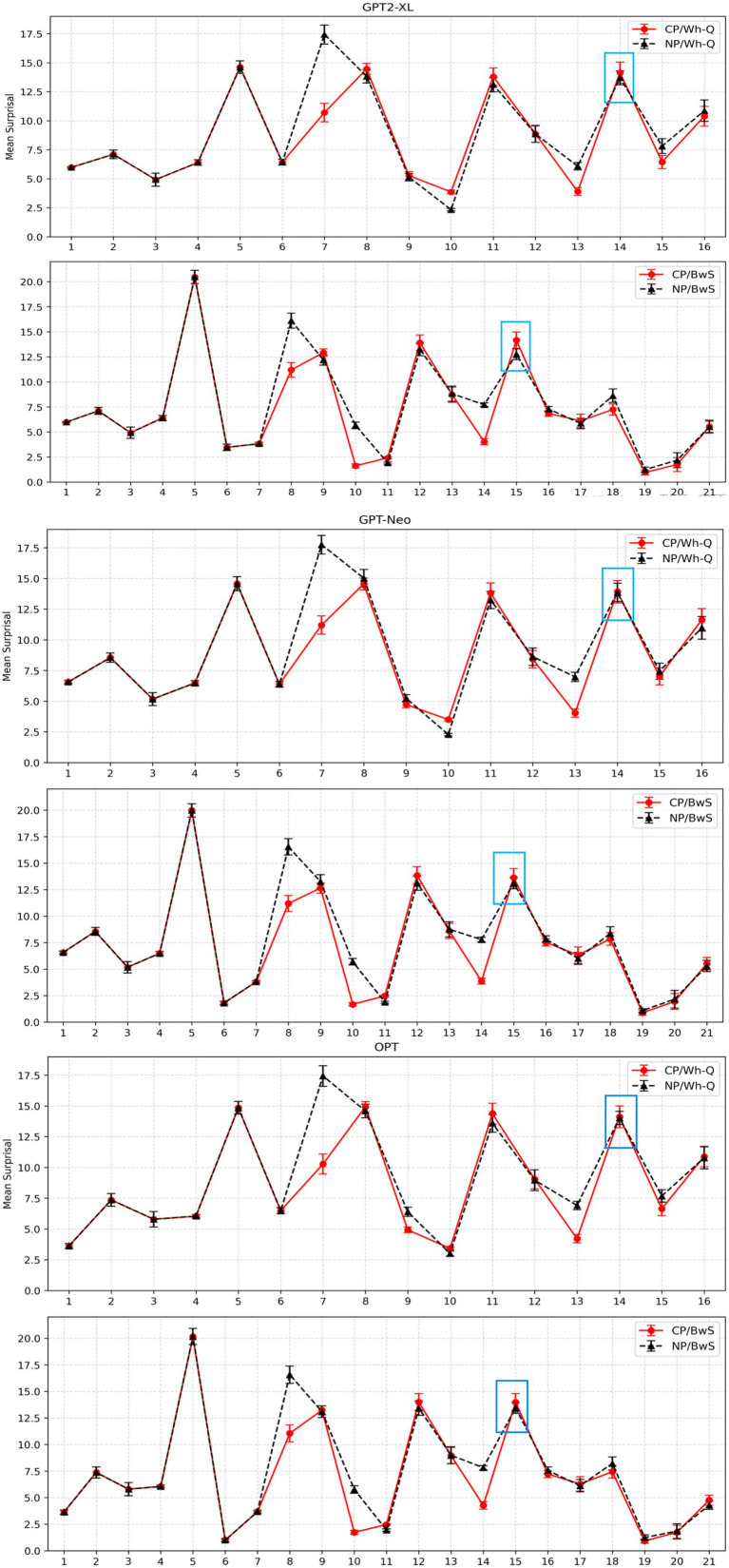 Figure 5
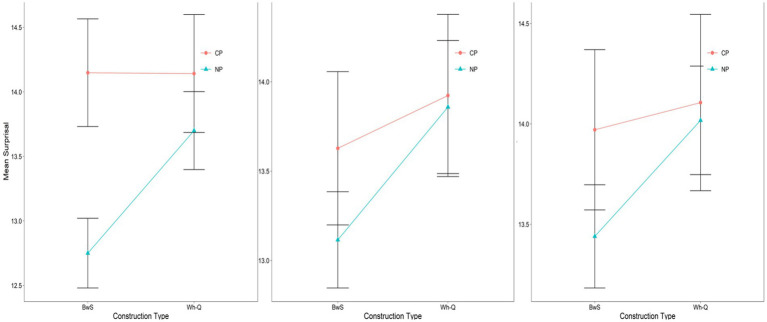 Figure 6
Peer Reviews
No public reviews on file for this paper yet. If you reviewed it on a platform where reviews are public (OpenReview, ICLR, NeurIPS, ICML), you can paste yours below so the community can read it here.
Videos
No videos yet. Explain this paper in a talk, walkthrough, or lecture? Add one.
Taxonomy
TopicsNeurobiology of Language and Bilingualism · Language Development and Disorders · Action Observation and Synchronization