Predictive Utility of Cerebral Blood Flow Transients in Experimental Stroke
Janos Lückl, Monika Szücs, Ferenc Rarosi, Amirhossein Salehzadeh, Jens P. Dreier

TL;DR
This study shows that early cerebral blood flow changes can predict stroke outcomes in rats, helping reduce animal use in experiments.
Contribution
The study identifies early minimally invasive biomarkers for predicting stroke outcomes in rats during ischemia.
Findings
CBF transients during spreading depolarization are strong predictors of infarct size.
DC integral is the best epidural biomarker for predicting stroke outcomes.
Early risk stratification can reduce animal numbers in neuroprotection studies.
Abstract
A gap in developing novel preclinical treatment strategies for ischemic stroke is predicting long-term outcome in experimental stroke models early during ischemia to reduce heterogeneity and sample size. Besides saving costs through improved risk stratification, reducing the number of animals is a requirement of the 3Rs principle. In this secondary analysis, we analyzed 28 Sprague-Dawley rats of a prospective data base that underwent 90-minute filament-occlusion of the middle cerebral artery (MCAO) to assess the predictive power of early variables at 30, 60, and 90 min after occlusion. The animals were sacrificed after 72 h. Infarct sizes were determined by hematoxylin staining. In a minimally invasive fashion, we recorded cerebral blood flow (CBF) with laser-Doppler flowmetry and direct current (DC)/alternating current-electrocorticography (ECoG) with epidural Ag/AgCl electrodes. Both…
Genes, proteins, chemicals, diseases, species, mutations and cell lines named across the full text — each resolved to its canonical identifier and authoritative record.
Click any figure to enlarge with its caption.
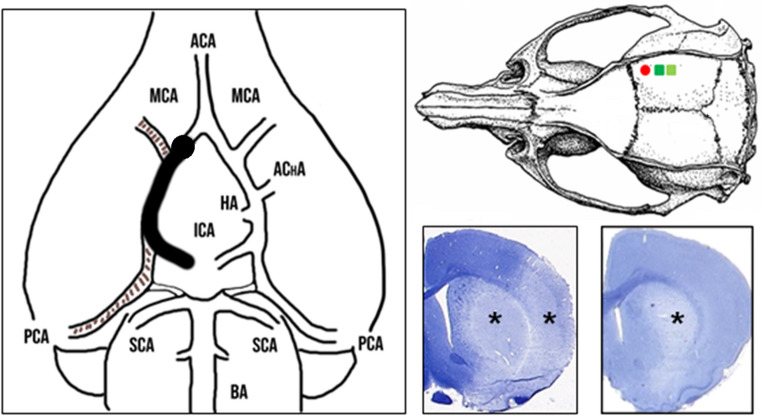 Figure 1
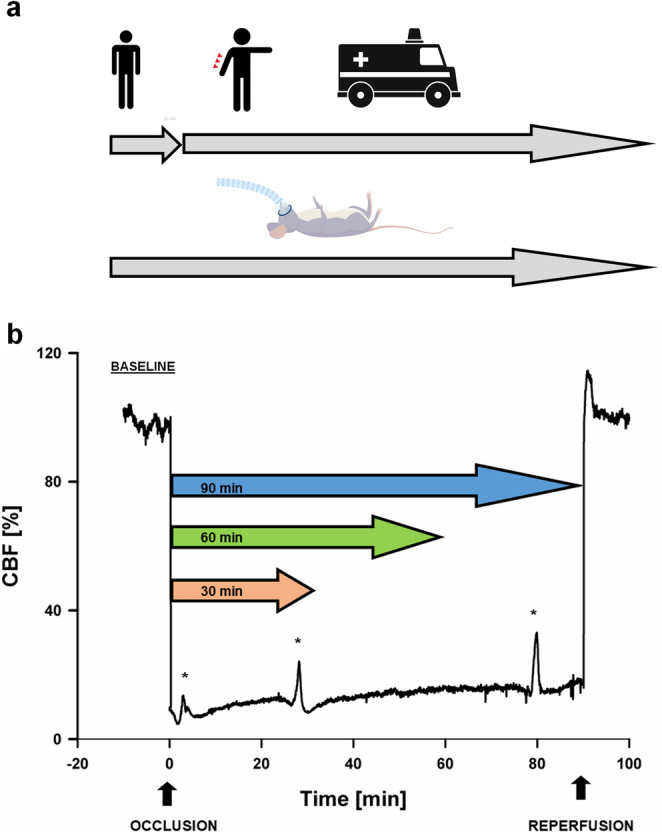 Figure 2
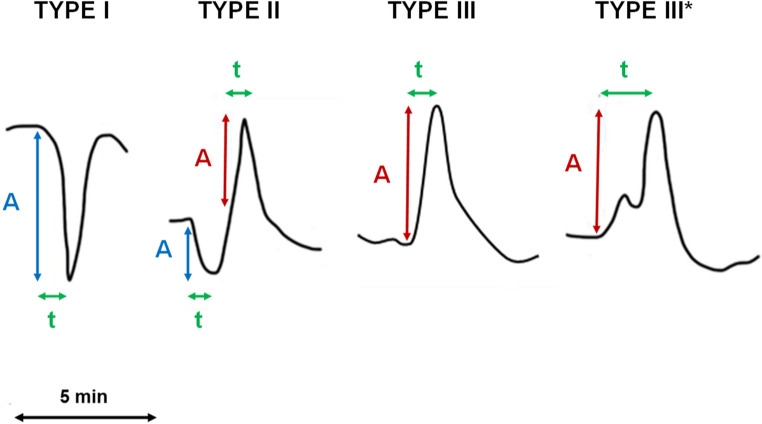 Figure 3
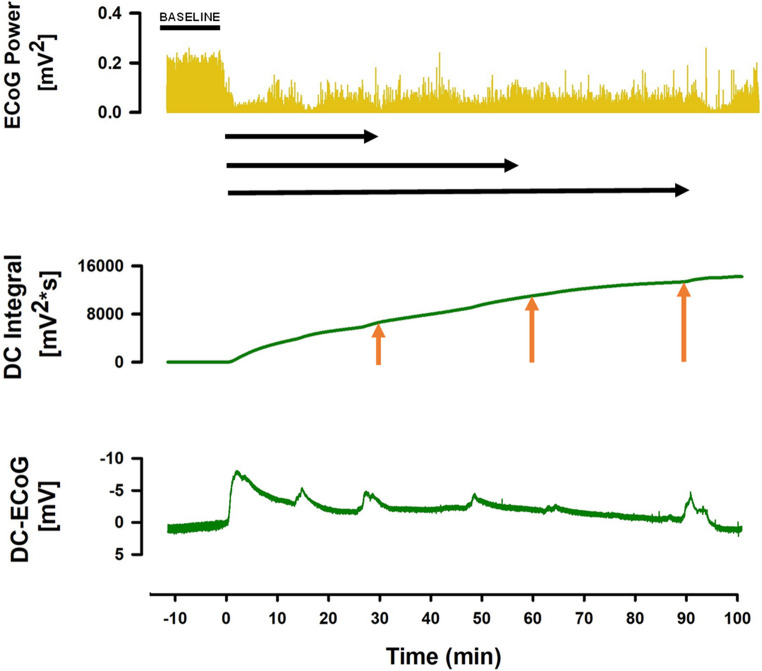 Figure 4
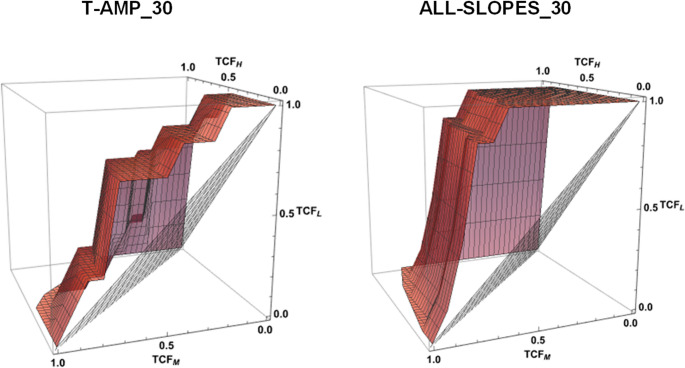 Figure 5
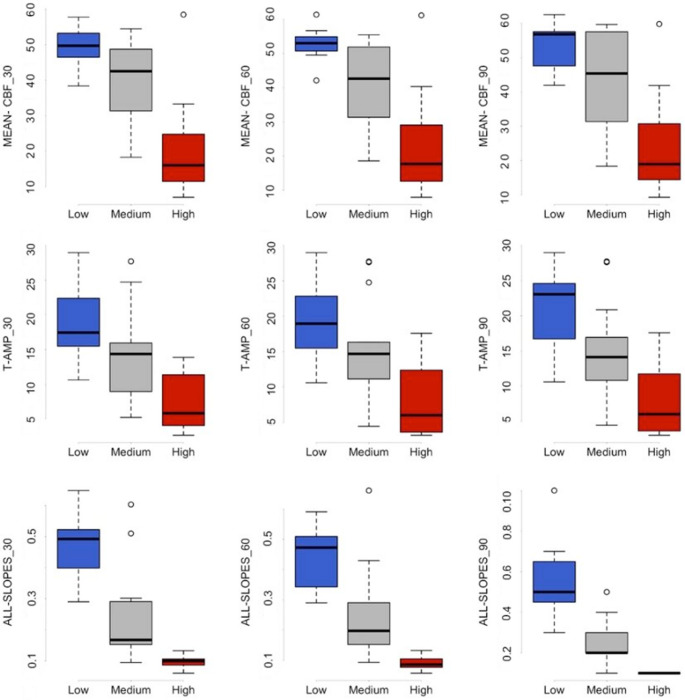 Figure 6
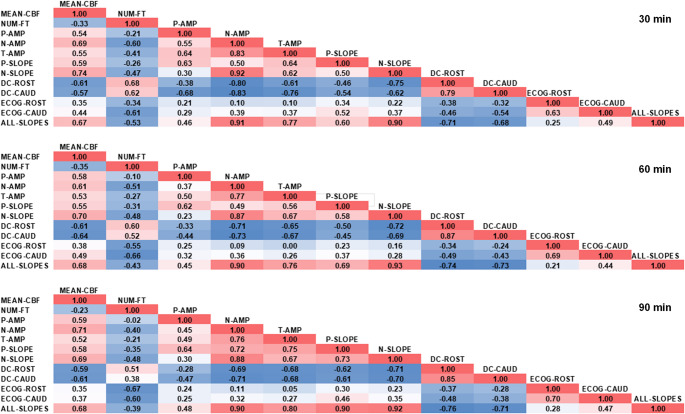 Figure 7
Peer Reviews
No public reviews on file for this paper yet. If you reviewed it on a platform where reviews are public (OpenReview, ICLR, NeurIPS, ICML), you can paste yours below so the community can read it here.
Videos
No videos yet. Explain this paper in a talk, walkthrough, or lecture? Add one.
Taxonomy
TopicsAcute Ischemic Stroke Management · Neurological Disease Mechanisms and Treatments · Neuroscience and Neuropharmacology Research