Cockayne syndrome mutation in XPG activate the integrated stress response
Danhui Zhang, Max Hartmann, Zhouli Cao, Gaojie Zhu, Gregoire Najjar, Cagatay Günes, Steffen Emmert, Karin Scharffetter-Kochanek, Sebastian Iben

TL;DR
A mutation in the XPG gene causes Cockayne syndrome by activating a cellular stress response, leading to growth and neurological issues.
Contribution
The study identifies cellular stress response activation as a novel mechanism underlying Cockayne syndrome caused by XPG mutations.
Findings
XPG mutations in Cockayne syndrome lead to RNA polymerase I and rRNA maturation defects.
Cells show increased eIF2alpha phosphorylation and a shift to IRES translation, indicating stress response activation.
Disturbances in ribosomal biogenesis and translation control may contribute to Cockayne syndrome pathology.
Abstract
Xeroderma pigmentosum (XP) and Cockayne syndrome (CS) are diseases provoked by mutations in multifunctional proteins that are involved in DNA repair. DNA-repair deficiency explains the high cancer incidence of XP, whereas cancer-free CS, characterized by growth retardation, neurological degeneration, and premature aging does not present as a classical DNA-repair deficiency disorder. Here, we compared a severe combined XP/CS case provoked by XPG-mutation with an XP “only” patient cell line caused by mutation in the same XPG gene to carve out the pathogenic cellular disturbances that provoke CS. We identified RNA polymerase I transcription and rRNA maturation defects, a highly phosphorylated eukaryotic initiation factor 2 alpha (eIF2alpha), and a shift from cap- to internal ribosomal entry site (IRES) translation, indicating an activated integrated stress response in CS. Disturbances in…
Genes, proteins, chemicals, diseases, species, mutations and cell lines named across the full text — each resolved to its canonical identifier and authoritative record.
Click any figure to enlarge with its caption.
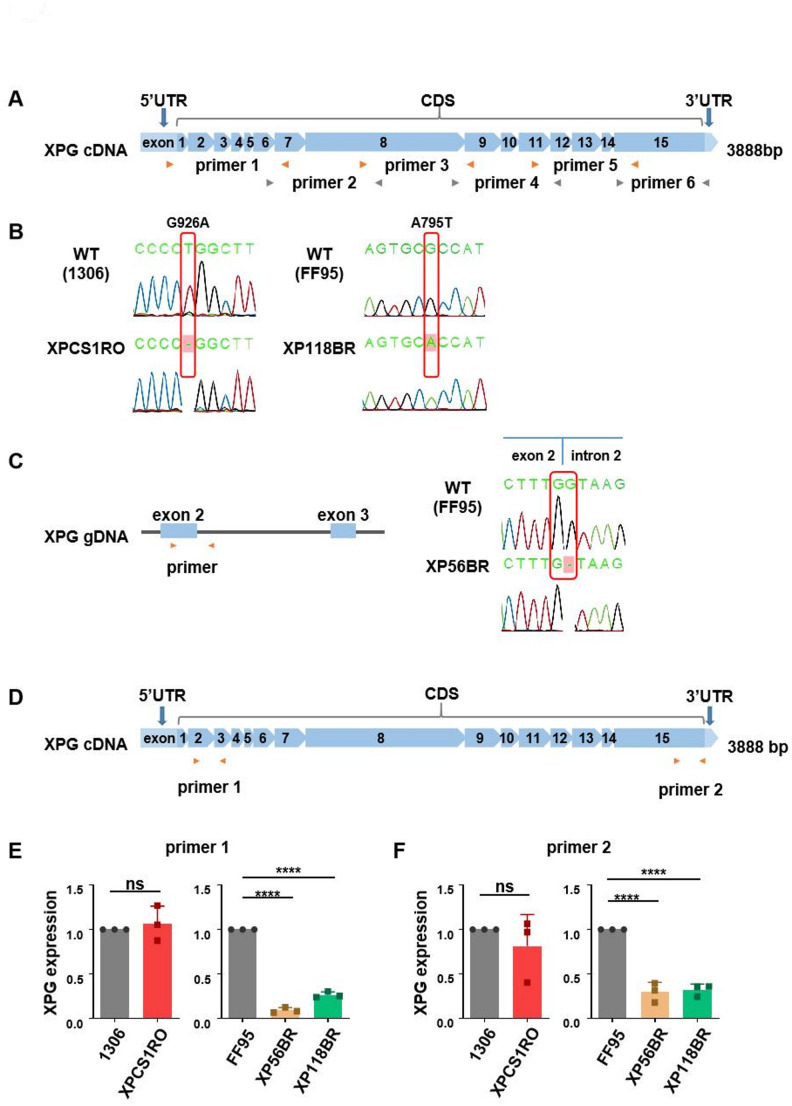 Figure 1
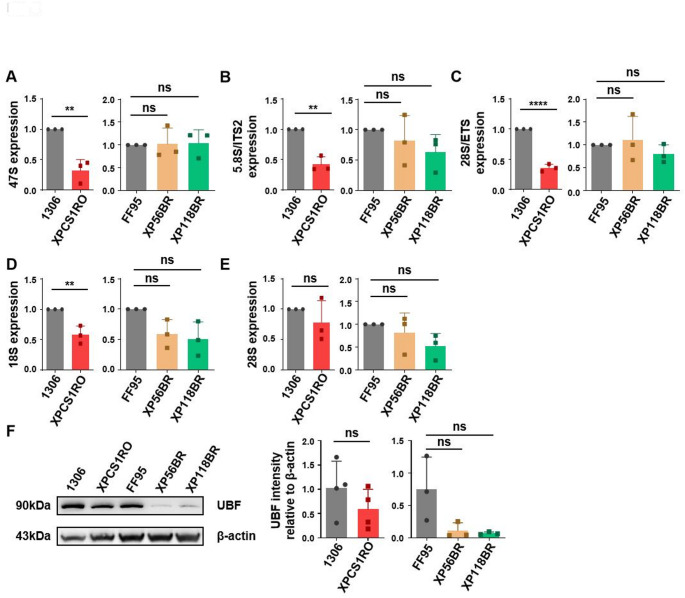 Figure 2
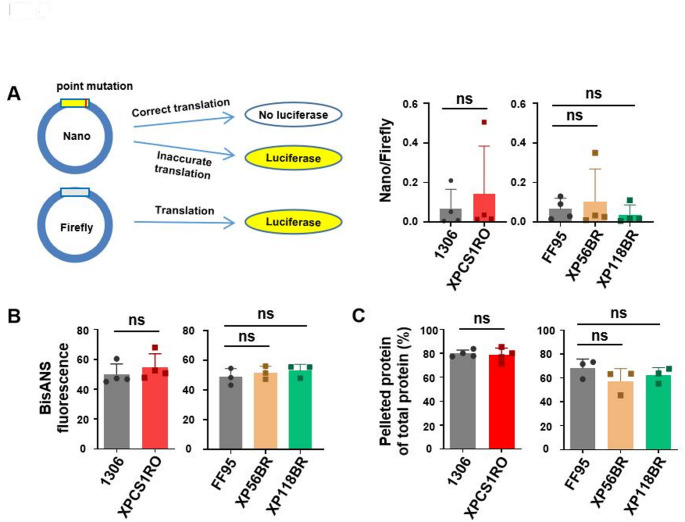 Figure 3
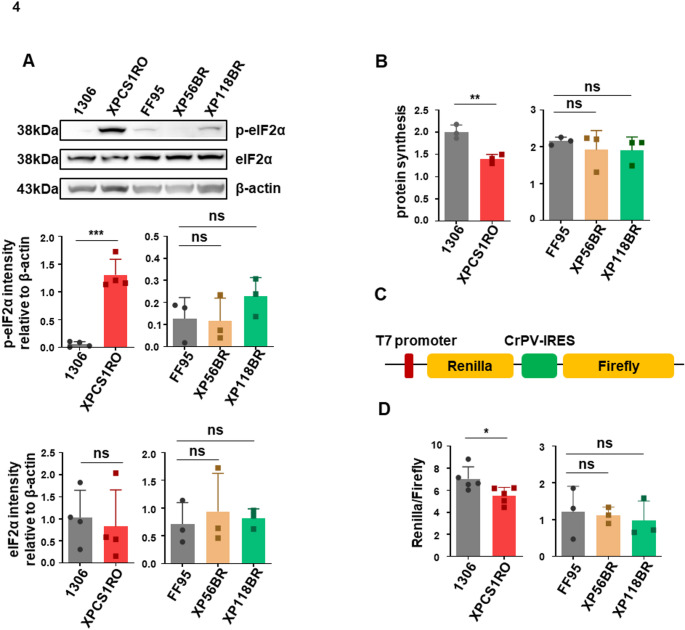 Figure 4
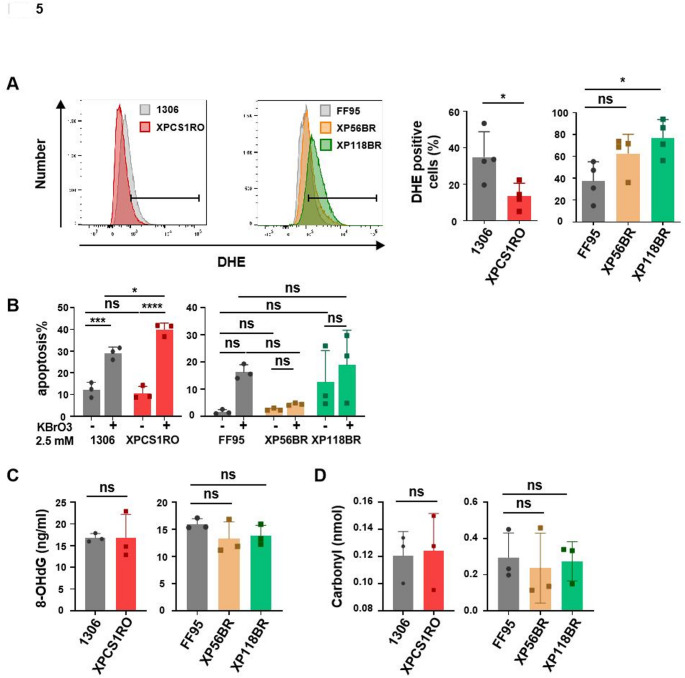 Figure 5
Peer Reviews
No public reviews on file for this paper yet. If you reviewed it on a platform where reviews are public (OpenReview, ICLR, NeurIPS, ICML), you can paste yours below so the community can read it here.
Videos
No videos yet. Explain this paper in a talk, walkthrough, or lecture? Add one.
Taxonomy
TopicsDNA Repair Mechanisms · Genetic Neurodegenerative Diseases · Biochemical and Molecular Research