Public concerns over presumed metal and radionuclide pollution: testing a possible link to ovine hepatic melanosis in South Greenland
Violeta Hansen, Ole Lerberg Nielsen, Anders Mosbech, Sandra Drewes Fabricius, Christian Sonne, Jens Søndergaard, Daniel Spelling Clausen, Kasper Lambert Johansen, Floris van Beest, Páll Skúli Leifsson, Heidi Larsen Enemark

TL;DR
A study in South Greenland found that black sheep livers are due to a natural condition, not pollution, and consuming them poses no health risk.
Contribution
This study provides the first empirical evidence linking ovine hepatic melanosis to natural geochemical factors rather than pollution.
Findings
No significant differences in metal or radionuclide concentrations were found between sheep with and without black livers.
The annual effective dose from polonium-210 ingestion via sheep liver consumption remains below global averages.
Ovine acquired melanosis prevalence was 10.59%, with higher rates in adult sheep and negative correlation with carcass fat and muscle.
Abstract
In South Greenland, public concerns have linked “black livers” in sheep to presumed environmental pollution from the Kvanefjeld mining exploration project. Elevated concentrations of metals and radionuclides in the area reflect natural geochemistry and weathering processes, not pollution from exploration activities. However, in response, we conducted a preliminary case–control study to diagnose the condition, investigate links between liver discoloration and environmental concentrations of metals and radionuclides, and to estimate the annual effective dose to the public from polonium-210 (210Po) ingestion via sheep and lamb liver consumption. We also evaluated the prevalence of acquired melanosis, grazing and herd effects, and their association with carcass quality and disease markers. Histological analysis confirmed acquired melanosis in affected liver samples. No statistically…
Genes, proteins, chemicals, diseases, species, mutations and cell lines named across the full text — each resolved to its canonical identifier and authoritative record.
Click any figure to enlarge with its caption.
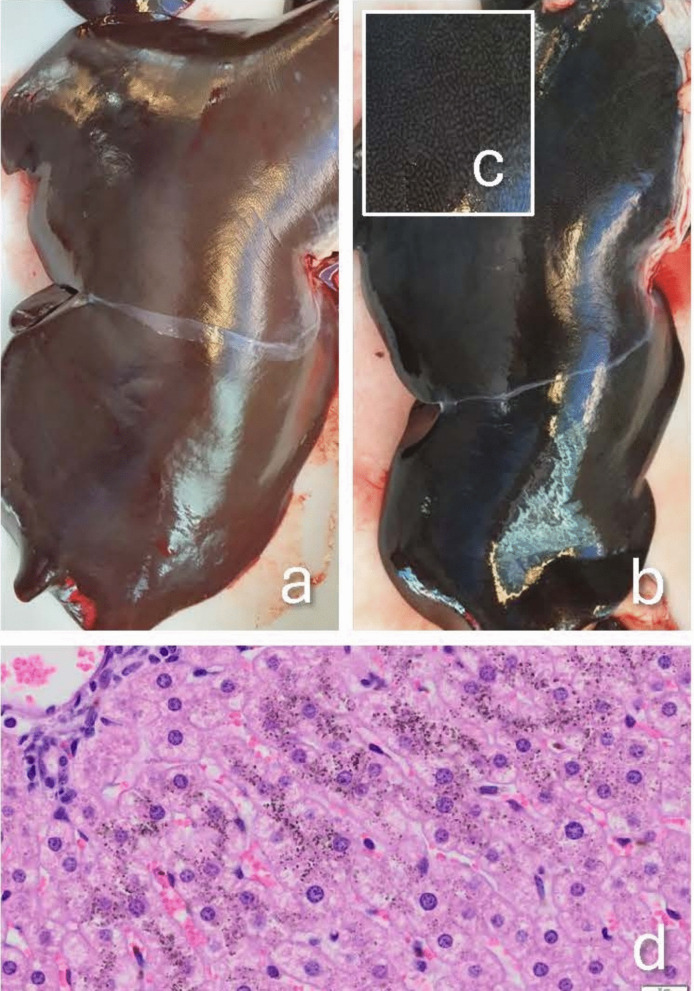 Figure 1
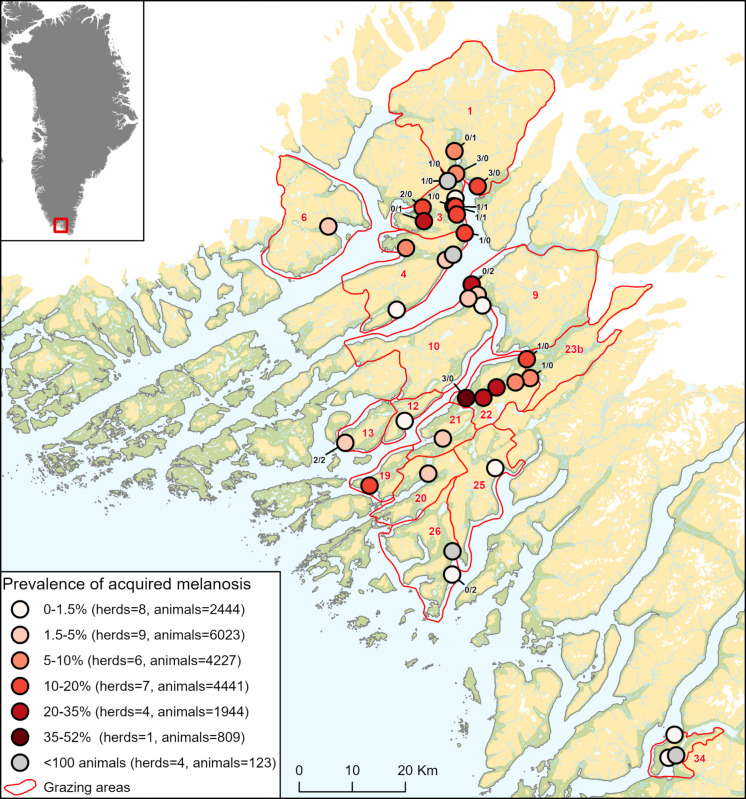 Figure 2
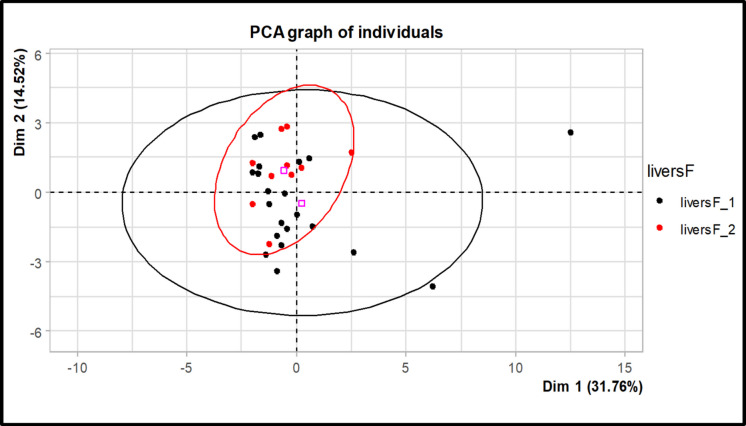 Figure 3
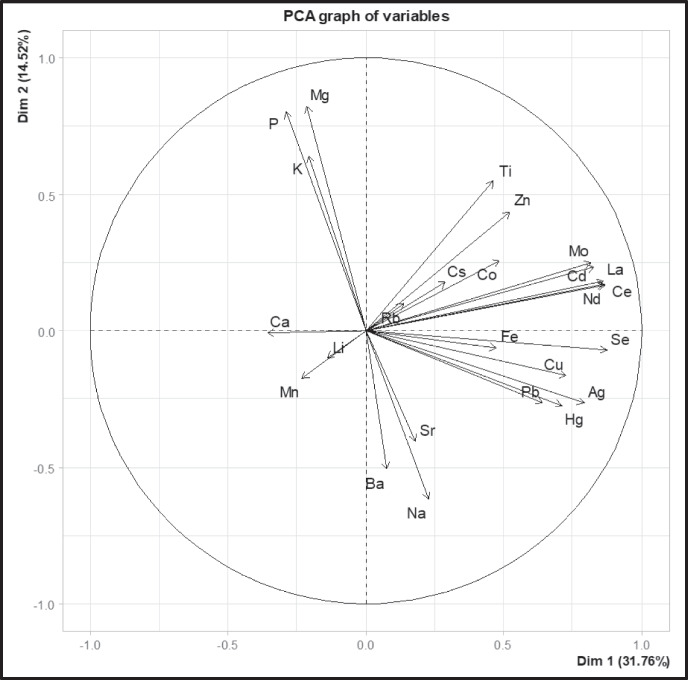 Figure 4
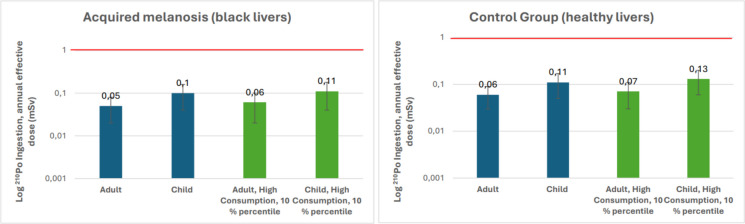 Figure 5
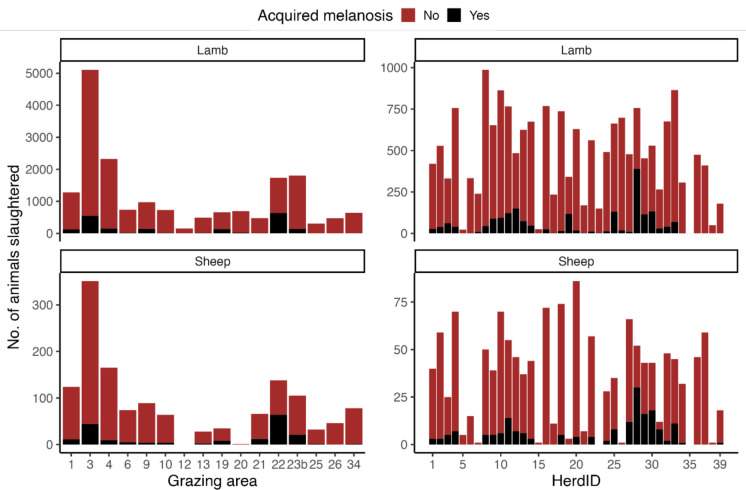 Figure 6
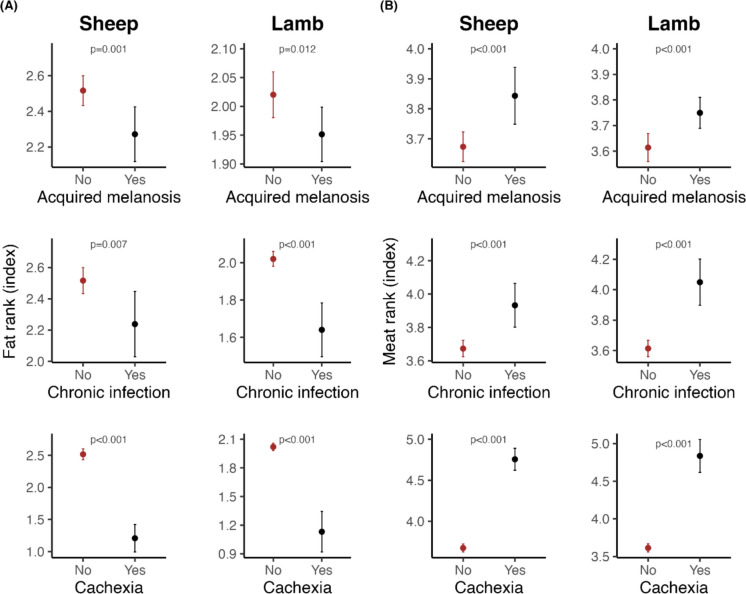 Figure 7
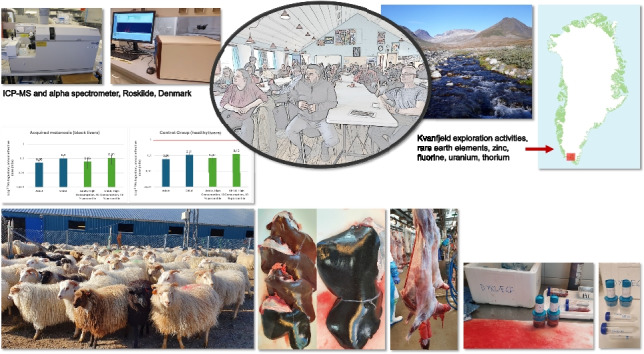 Figure 8
Peer Reviews
No public reviews on file for this paper yet. If you reviewed it on a platform where reviews are public (OpenReview, ICLR, NeurIPS, ICML), you can paste yours below so the community can read it here.
Videos
No videos yet. Explain this paper in a talk, walkthrough, or lecture? Add one.
Taxonomy
TopicsMercury impact and mitigation studies · Heavy metals in environment · Chromium effects and bioremediation