A hybrid Daubechies wavelet collocation approach for a fractional-order SIR epidemic model with delay effects
Nimai Sarkar, Mausumi Sen

TL;DR
This paper introduces a new wavelet-based method to solve a fractional-order epidemic model with delays, improving accuracy and efficiency in simulating disease spread.
Contribution
A novel hybrid Daubechies wavelet collocation method is proposed for fractional-order epidemic models with delay effects.
Findings
The Daubechies wavelet-based method converges more stably and tracks memory and delay effects better than existing methods.
The method offers higher approximation accuracy with lower computational overhead compared to traditional numerical techniques.
The approach assumes fixed transmission rates, which may limit its applicability to heterogeneous real-world scenarios.
Abstract
This paper studies the transmission dynamics of influenza by using a fractional SIR (Susceptible-Infected-Removed) epidemic model with discrete delay to describe the short-term dynamics. The model includes history-dependent effects through Caputo fractional derivative and maturity delays, which are biologically motivated as the incubation periods or delayed immune responses. In this paper, we will solve this model by introducing a hybrid collocation method with the Daubechies wavelet basis that can be used to efficiently take into account the fractional-order system and the delay system. The reliability and efficiency of the presented algorithm are investigated by means of comparison with some well-known numerical methods, such as the classical Runge-Kutta method (RK4), the Rational Polynomial Spectral Method of order 7 (RPSM7), the Generalized Wavelet Collocation Method (GWCM), and the…
Genes, proteins, chemicals, diseases, species, mutations and cell lines named across the full text — each resolved to its canonical identifier and authoritative record.
Click any figure to enlarge with its caption.
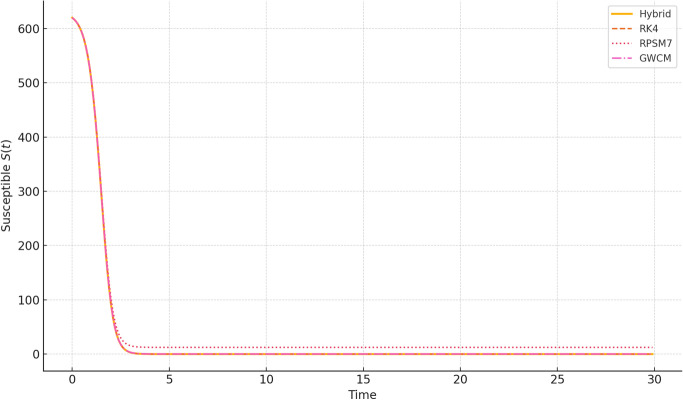 Figure 1
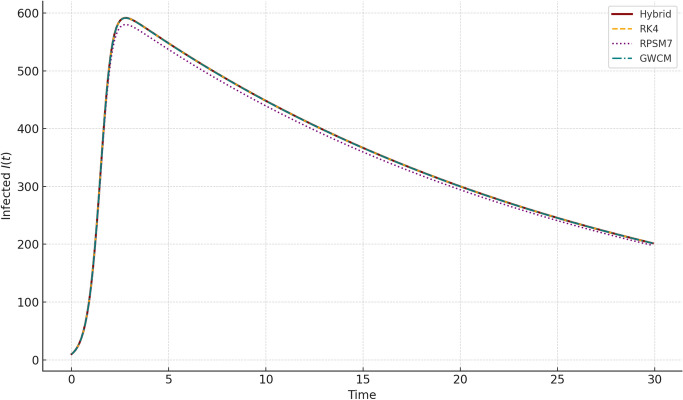 Figure 2
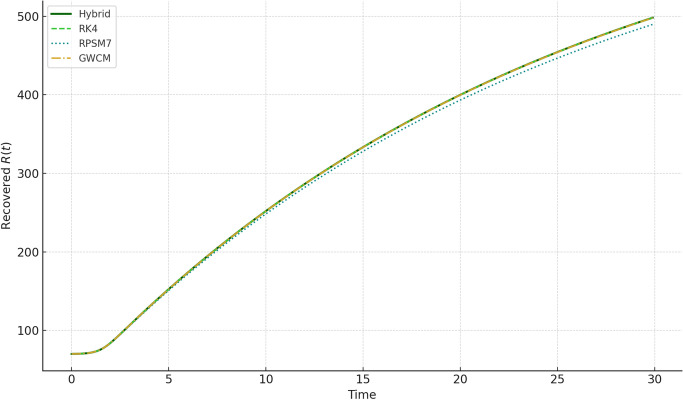 Figure 3
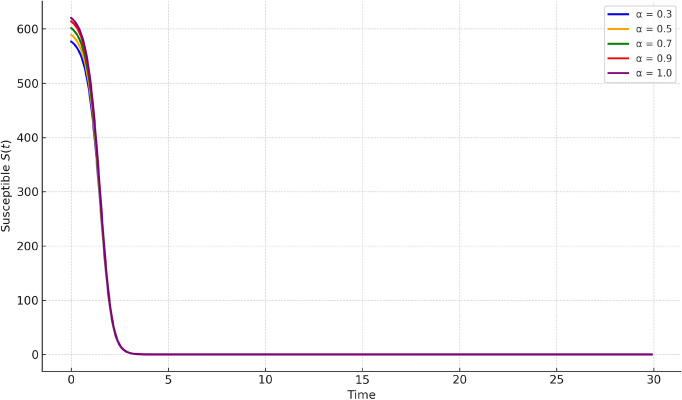 Figure 4
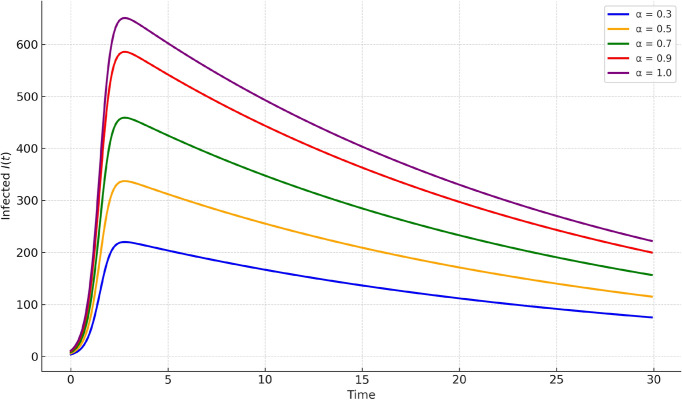 Figure 5
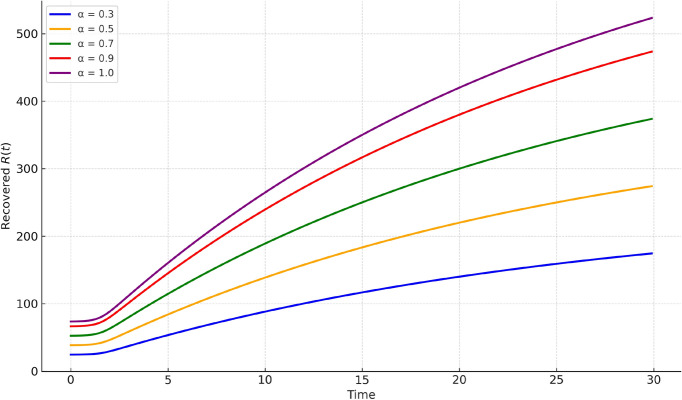 Figure 6
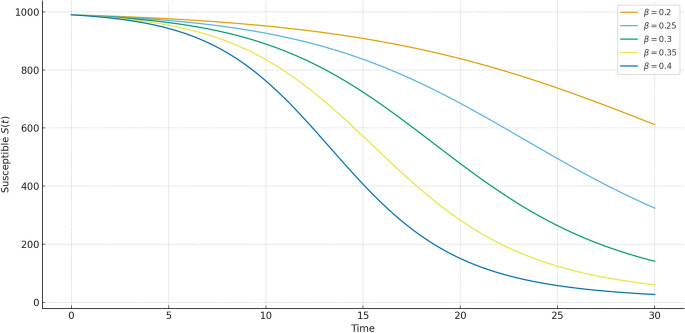 Figure 7
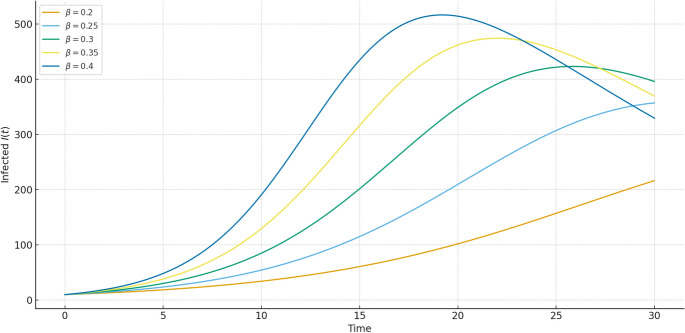 Figure 8
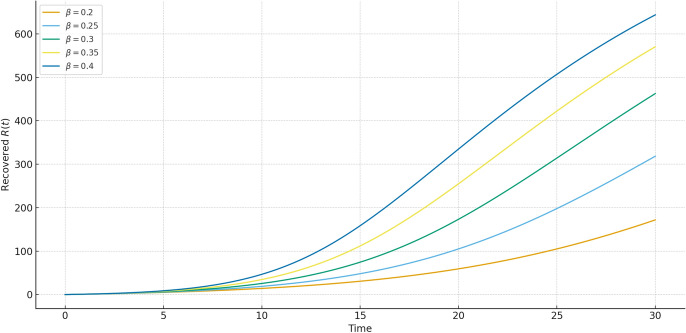 Figure 9
Peer Reviews
No public reviews on file for this paper yet. If you reviewed it on a platform where reviews are public (OpenReview, ICLR, NeurIPS, ICML), you can paste yours below so the community can read it here.
Videos
No videos yet. Explain this paper in a talk, walkthrough, or lecture? Add one.
Taxonomy
TopicsFractional Differential Equations Solutions · COVID-19 epidemiological studies · Mathematical and Theoretical Epidemiology and Ecology Models