Reactivity of the Asymmetric Wells-Dawson Ion: Lanthanide-Containing 34-Tungsto-2-Phosphates [Ln(P(H4)W17O61)2]19– (Ln = La3+, Ce3+, Eu3+, Gd3+, Yb3+, Lu3+, Y3+)
Mahmoud Elcheikh Mahmoud, Bassem S. Bassil, Anupam Sarkar, Ji-o Kim, Senthil Kumar Kuppusamy, Concepción Molina-Jirón, Eufemio Moreno-Pineda, Nikoleta Malinova, Appu Sunil, Wolfgang Wernsdorfer, Mario Ruben, Ulrich Kortz

TL;DR
Scientists synthesized new lanthanide-based compounds with unique magnetic and optical properties, useful for materials science and luminescent applications.
Contribution
The paper introduces a novel class of lanthanide-containing Wells-Dawson ions with tunable magnetic and luminescent properties.
Findings
Ce3+ and Yb3+ analogues exhibit single-molecule magnet behavior confirmed by magnetic susceptibility and μSQUID studies.
Eu3+ analogue shows strong 5D0 → 7FJ emission with a distorted square-antiprismatic coordination geometry.
Water molecules in the coordination sphere reduce quantum yield by enabling nonradiative relaxation.
Abstract
We report on the synthesis of the lanthanide-containing 17-tungsto-1-phosphates [Ln(P(H4)W17O61)2]19– (Ln = La3+, Ce3+, Eu3+, Gd3+, Yb3+, Lu3+, Y3+), comprising a lanthanide ion connecting two [P(H4)W17O61]11– units in a syn-configuration. The compounds were characterized in the solid state by IR, powder XRD, and TGA, and in solution by 31P and 183W NMR. Alternating current magnetic susceptibility investigations revealed the Ce3+ and Yb3+ analogues to be single-molecule magnets (SMM), which was further corroborated by sub-kelvin temperature μSQUID studies. For the Eu3+ analogue, we have observed a strong 5D0 → 7F J (J = 0–4) emission along with a weaker 5D J (J = 1, 2, or 3) → 7F J emission arising from higher excited state manifolds, upon excitation via the 7F0 → 5L6 transition at 395 nm. Analysis of the steady-state and time-resolved data suggests a distorted…
Genes, proteins, chemicals, diseases, species, mutations and cell lines named across the full text — each resolved to its canonical identifier and authoritative record.
Click any figure to enlarge with its caption.
 1
1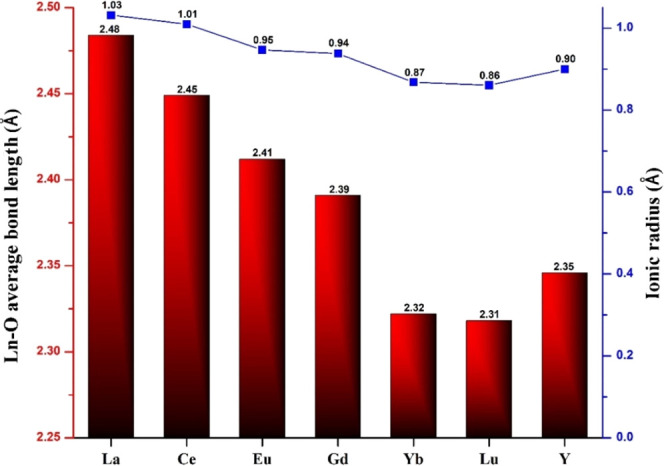 2
2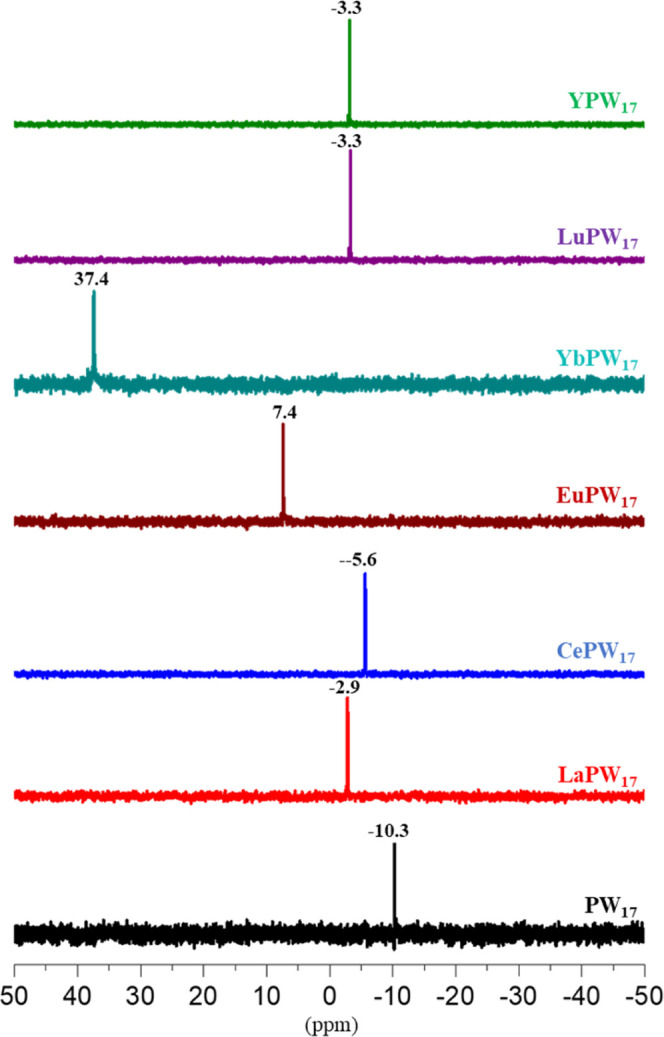 3
3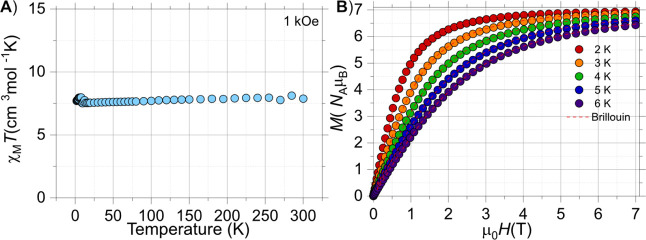 4
4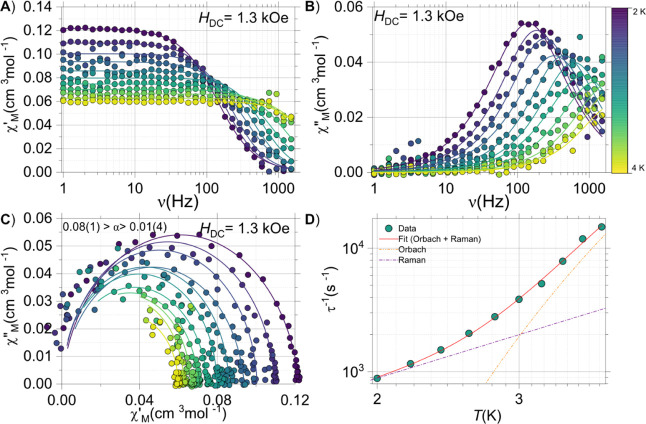 5
5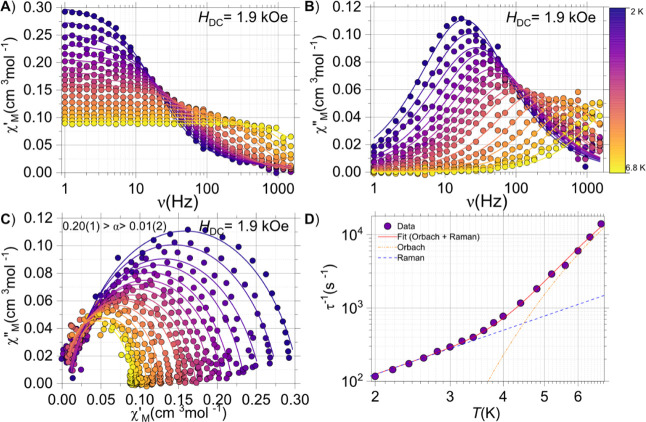 6
6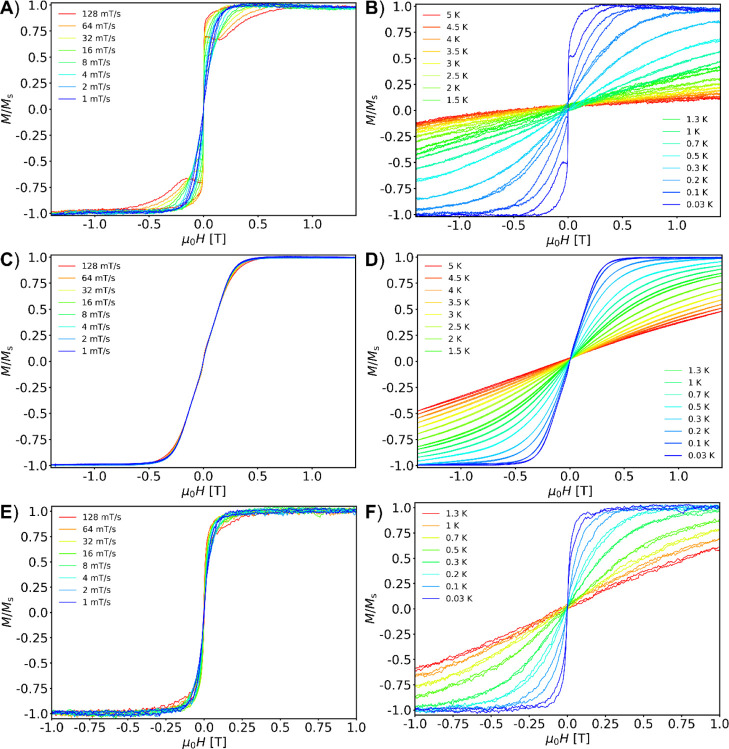 7
7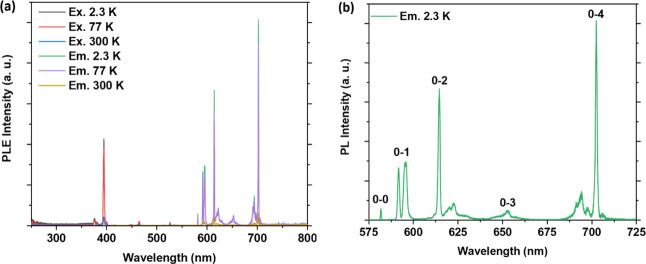 8
8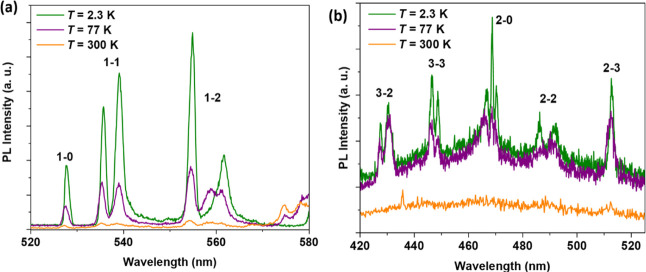 9
9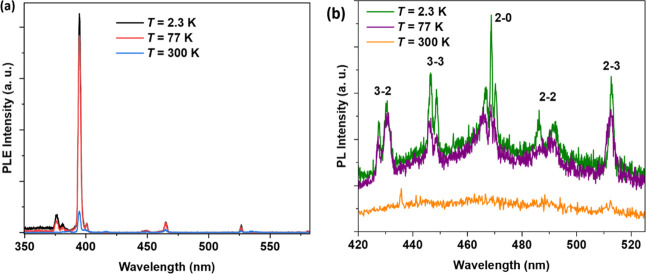 10
10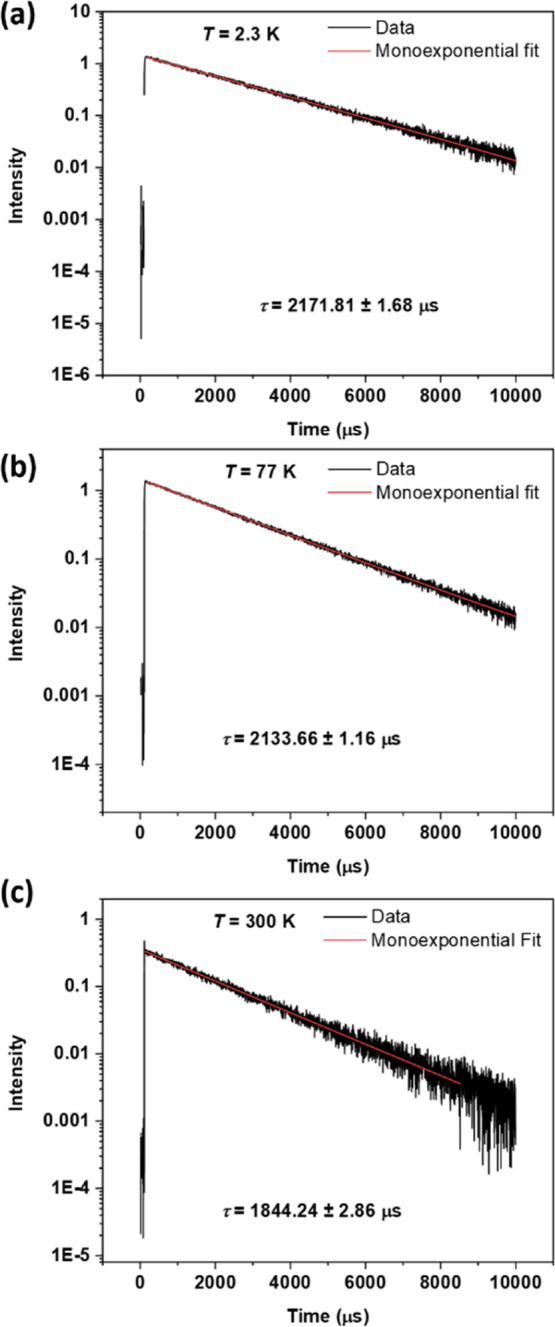 11
11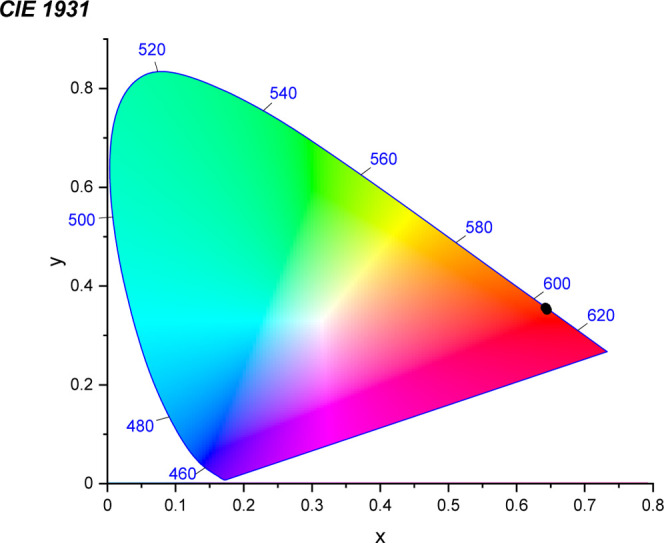 12
12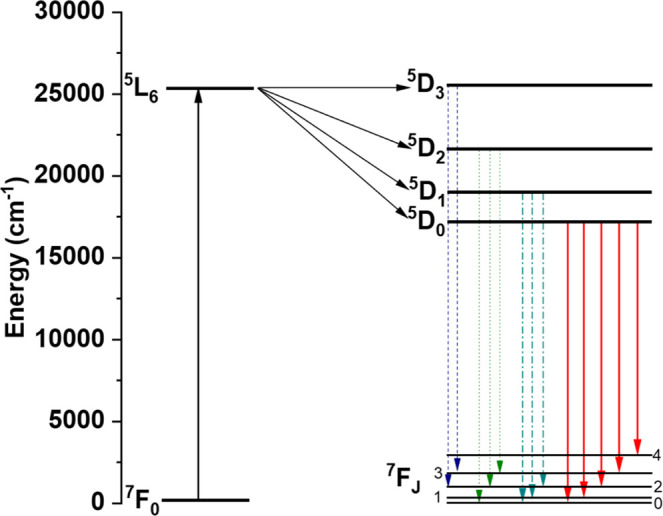 13
13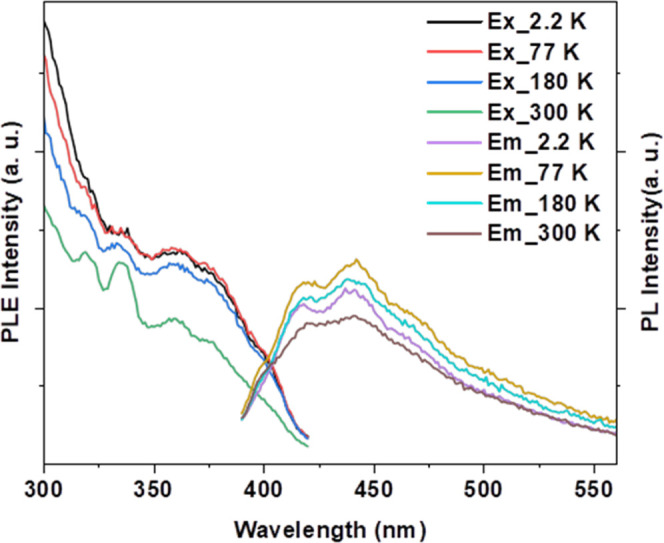 14
14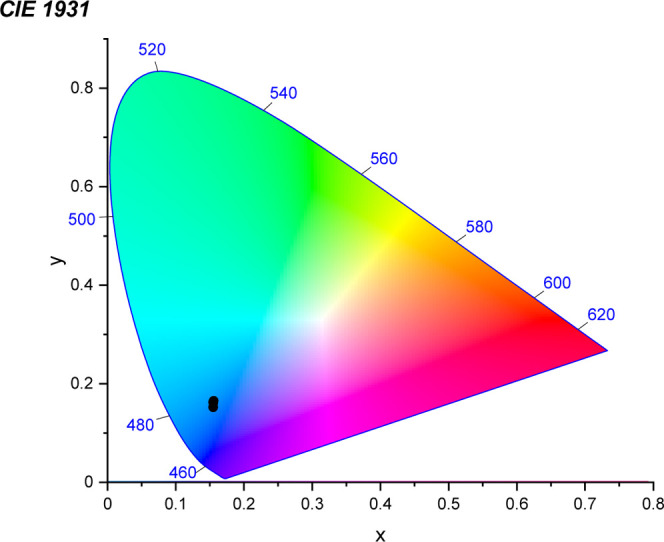 15
15| compound |
|
|
|
|
|
|
|
|---|---|---|---|---|---|---|---|
| empirical formula | H540Na14K5LaP2W34O388 | H334Na13K6CeP2W34O285 | H340Na12K7EuP2W34O288 | H376Na12K7GdP2W34O306 | H400Na15K4YbP2W34O318 | H400Na14K5LuP2W34O318 | H570Na16K3YP2W34O403 |
| fw, | 13721.40 | 11883.08 | 11965.08 | 12294.66 | 12478.31 | 12496.35 | 13909.42 |
| cryst syst | triclinic | triclinic | triclinic | triclinic | triclinic | triclinic | triclinic |
| space group |
|
|
|
|
|
|
|
| a, Å | 14.6480 (1) | 14.6177 (1) | 14.6273 (1) | 14.6430 (1) | 14.0833 (1) | 14.6306 (1) | 14.0617 (1) |
| b, Å | 24.6416 (2) | 24.5899 (2) | 24.5439 (2) | 24.5399 (2) | 24.5890 (2) | 24.5442 (2) | 24.5663 (1) |
| c, Å | 26.2230 (2) | 26.1781 (2) | 26.1355 (2) | 26.1331 (2) | 25.1215 (1) | 26.1371 (2) | 25.1754 (1) |
| α, deg | 65.852 (1) | 65.813 (1) | 65.657 (1) | 65.598 (1) | 90.020 (1) | 65.312 (1) | 90.08 (1) |
| β, deg | 88.193 (1) | 88.221 (1) | 88.268 (1) | 88.218 (1) | 102.067 (1) | 88.008 (1) | 102.00 (1) |
| γ, deg | 74.770 (1) | 74.820 (1) | 75.014 (1) | 75.031 (1) | 92.222 (1) | 75.000 (1) | 92.28 (1) |
| volume, Å3 | 8302.53 (13) | 8253.00 (13) | 8226.84 (13) | 8230.97 (13) | 8500.49 (10) | 8208.45 (13) | 8499.52 (8) |
| Z | 2 | 2 | 2 | 2 | 2 | 2 | 2 |
|
| 5.489 | 4.782 | 4.830 | 4.961 | 4.875 | 5.056 | 5.435 |
| abs coeff, mm–1 | 24.17 | 24.27 | 24.48 | 24.50 | 23.83 | 24.73 | 23.67 |
|
| 12992 | 10950 | 11036 | 11398 | 11602 | 11620 | 13224 |
| ⊖ range data collection, ° | 2.3–34.3 | 2.3–34.0 | 2.3–34.0 | 2.3–34.0 | 2.5–34.0 | 2.5–34.1 | 2.3–34.0 |
| completeness to Θmax, % | 99.7 | 99.8 | 99.7 | 99.7 | 99.8 | 99.7 | 99.8 |
| index ranges | –22 ≤ | –22 ≤ | –22 ≤ | –22 ≤ | –20 ≤ | –22 ≤ | –21 ≤ |
| reflns collected | 542856 | 532967 | 530334 | 534318 | 543992 | 525844 | 560601 |
| unique reflns | 61820 | 61824 | 61272 | 61306 | 63082 | 60887 | 63560 |
|
| 0.134 | 0.256 | 0.303 | 0.168 | 0.330 | 0.156 | 0.108 |
| data/restraints/parameter | 61820/0/1167 | 61824/0/1184 | 61272/0/1092 | 61306/0/1193 | 63082/0/1118 | 60887/0/1164 | 63560/0/1181 |
| GOF
on | 1.002 | 1.003 | 1.001 | 1.002 | 1.004 | 1.004 | 1.004 |
|
| 0.057 | 0.077 | 0.097 | 0.057 | 0.096 | 0.064 | 0.042 |
|
| 0.166 | 0.209 | 0.270 | 0.159 | 0.258 | 0.192 | 0.114 |
| wavelength (nm) | transition |
|---|---|
| 428 to 430 | 5D3 → 7F2 |
| 446 to 448 | 5D3 → 7F3 |
| 466 | 5D2 → 7F0 |
| 486 | 5D2 → 7F2 |
| 512 | 5D2 → 7F3 |
| 528 | 5D1 → 7F0 |
| 534 to 544 | 5D1 → 7F1 |
| 552 to 568 | 5D1 → 7F2 |
| 581 | 5D0 → 7F0 |
| 594 | 5D0 → 7F1 |
| 617 | 5D0 → 7F2 |
| 652 | 5D0 → 7F3 |
| 699 | 5D0 → 7F4 |
| temperature | |||
|---|---|---|---|
| parameter | 2.3 K | 77 K | 300 K |
|
| 0.644 | 0.645 | 0.646 |
|
| 0.355 | 0.354 | 0.350 |
| 2.3 K | 77 K | 300 K | ||||
|---|---|---|---|---|---|---|
| transition | β
|
| β
|
| β
|
|
| 5D0 → 7F0 | 0.66% | 6.87 × 10⁻⁹ | 0.65% | 6.87 × 10⁻⁹ | 0.59% | 7.22 × 10⁻⁹ |
| 5D0 → 7F1 | 20.90% | 2.27 × 10⁻⁷ | 20.43% | 2.25 × 10⁻⁷ | 17.14% | 2.19 × 10⁻⁷ |
| 5D0 → 7F2 | 30.56% | 3.58 × 10⁻⁷ | 30.83% | 3.68 × 10⁻⁷ | 36.83% | 5.08 × 10⁻⁷ |
| 5D0 → 7F3 | 6.95% | 9.1 × 10⁻⁸ | 7.09% | 9.26 × 10⁻⁸ | 6.913% | 1.06 × 10⁻⁷ |
| 5D0 → 7F4 | 40.93% | 6.16 × 10⁻⁷ | 40.99% | 6.27 × 10⁻⁷ | 38.52% | 6.87 × 10⁻⁷ |
| temperature | |||
|---|---|---|---|
| parameter | 2.3 K | 77 K | 300 K |
|
| 1.46 | 1.51 | 2.15 |
| Ω2 (10–20 cm2) | 2.56 | 2.65 | 3.77 |
| Ω4 (10–20 cm2) | 7.87 | 8.06 | 9.05 |
| τrad (10–3 s) | 4.23 | 4.13 | 3.47 |
| τobs (10–3 s) | 2.17 | 2.13 | 1.84 |
| φEu (%) | 51.33 | 51.64 | 53.18 |
|
| 236.56 | 241.97 | 288.42 |
|
| 224.27 | 226.63 | 253.88 |
| temperature | ||||
|---|---|---|---|---|
| parameter | 2.3 K | 77 K | 180 K | 300 K |
|
| 0.156 | 0.157 | 0.156 | 0.156 |
|
| 0.151 | 0.164 | 0.159 | 0.161 |
- —Deutsche Forschungsgemeinschaft10.13039/501100001659
- —Deutsche Forschungsgemeinschaft10.13039/501100001659
- —Agent?ra na Podporu V?skumu a V?voja10.13039/501100005357
- —Agent?ra na Podporu V?skumu a V?voja10.13039/501100005357
- —Vedeck? Grantov? Agent?ra M?VVa? SR a SAV10.13039/501100006109
- —Jacobs University10.13039/501100014757
Peer Reviews
No public reviews on file for this paper yet. If you reviewed it on a platform where reviews are public (OpenReview, ICLR, NeurIPS, ICML), you can paste yours below so the community can read it here.
Videos
No videos yet. Explain this paper in a talk, walkthrough, or lecture? Add one.
Taxonomy
TopicsPolyoxometalates: Synthesis and Applications · Inorganic Chemistry and Materials · Inorganic Fluorides and Related Compounds
Introduction
Polyoxometalates (POMs) are anionic metal-oxo anions comprising early transition metal addenda in high oxidation states, such as W^VI^, Mo^VI^, and V^V^. The class of POMs exhibits a manifold of physicochemical properties due to their discrete, anionic nature, resembling soluble fragments of extended metal oxides, oxygen-rich surfaces, tunable charge density, acid strength, redox potentials, and chemical composition.? POMs include a wide structural range, with various sizes and shapes, providing a solid basis for molecular design and assembly to synthesize target molecular aggregates and functional materials.? Lacunary (vacant) POMs can be obtained by the removal of one, two, or three MO_6_ units from the plenary structures leading to the formation of mono, di, and trilacunary polyanion derivatives.? Such lacunary POMs can be considered as inorganic polydendate ligands which can coordinate to oxophilic guests such as d-block metal ions, lanthanide and actinide ions, resulting in polyanions with attractive properties and potential applications.? Lanthanide ions are larger than d-block metal ions and hence cannot be fully accommodated in the POM vacancy, and as a result, they act frequently as linkers of lacunary POM units, resulting in dimers, trimers, etc., or even extended lattices. Such compounds and materials broaden the scope of physicochemical properties.?
In 1953, Dawson reported the crystal structure of the polyanion known nowadays as Wells-Dawson ion with the general formula [X_2_M_18_O_62_]^6–^ (X = P, As; M = Mo, W).? This structure can be viewed as being formed via fusion of two trilacunary [A-XM_9_O_34_]^9–^ ions at the lacunary sites. This linkage mode results in two “belts” of six addenda each, and two trinuclear “caps” at each end. It is worth noting that upon reduction, the extra electrons reside mainly in the belt positions of the Wells-Dawson ion, which impacts the chemical properties of the structure. ?,? In addition, each XO_4_ heterogroup is linked to the M_3_O_13_ cap via a μ_4_-oxo bridge and to the six belt octahedra via three μ_3_-oxo bridges. In 2000 an interesting advance in the chemistry of Wells-Dawson-type POMs emerged when Contant and co-workers reported the synthesis and solution ^31^P and ^183^W NMR spectra of the “asymmetric” Wells-Dawson ion [P(H_4_)W_18_O_62_]^7–^, along with its monovacant derivative [P(H_4_)W_17_O_61_]^11–^, and the group suggested the vacant site to be adjacent to the phosphorus heteroatom.? In 2001 the same group introduced the arsenic(V)-analogue [As(H_4_)W_18_O_62_]^7–^, alongside the tetra-zinc(II)-containing sandwich-typepolyanions [Zn_4_(H_2_O)4(As(H_4_)W_15_O_56_)2]^18–^ and [Cu_4_(H_2_O)2(As(H_4_)W_15_O_56_)2]^18–^, which can be seen as asymmetric analogues of the Weakley-dimer, and these polyanions were studied for their electrocatalytic activity toward nitrite and nitrate reduction.? In 2003 Pope and co-workers refined the synthetic protocols and provided structural comparisons between the asymmetric [As(H_4_)W_18_O_62_]^7–^ and the symmetrical [As_2_W_18_O_62_]^6–^ species.? This work was further extended by Mbomekalle et al., who explored the redox behavior and transition metal functionalization of the plenary [P(H_4_)W_18_O_62_]^7–^ species and confirmed the viability of the monovacant [P(H_4_)W_17_O_61_]^11–^ for further derivatization.? To date, the only nondisordered crystallographically characterized asymmetric monolacunary Wells-Dawson ion is the Ce^III^-containing polyanion [Ce^III^{X(H_4_)W_17_O_61_}2]^19–^ (X = P^V^, As^V^), reported by Pope and co-workers in 2005, which offered valuable insights into the internal protonation features and confirmed the position of the P or As heterogroup to be adjacent to the lacunary site.? In contrast to the numerous examples of lanthanide-substituted polyanions containing the symmetrical [P_2_W_17_O_61_]^10–^ unit, the asymmetric derivative [P(H_4_)W_17_O_61_]^11–^ remains largely unexplored in terms of its versatility as an inorganic ligand toward f-block metal ions.? Lanthanide ions are known to form mainly 1:2 assemblies with monovacant Keggin and (symmetrical) Wells-Dawson polyanions, with the lanthanide ion usually being 8-coordinated in a square-antiprismatic fashion.? The incorporation of lanthanide ions into POM frameworks not only enriches the structural diversity but also opens possibilities for interesting physicochemical properties. In particular, lanthanide-based POMs have emerged as promising candidates for single-molecule magnets (SMMs) due to their large magnetic anisotropy, as well as for photoluminescent applications arising from their characteristic 4f–4f electronic transitions. ?,? A systematic investigation of f-block metal ion-substituted derivatives of the monovacant [P(H_4_)W_17_O_61_]^11–^ polyanion is warranted, as to date only one crystallographically characterized derivative has been reported in the literature.? Herein, we report on the synthesis, structural characterization of a complete series of asymmetric Wells-Dawson-type POMs incorporating various lanthanide metal ions, and a study of their magnetic and luminescence properties.
Experimental Section
Instrumentation
All chemicals were used as received without any additional purification. Infrared (FT-IR) spectra of solid-state samples were recorded using KBr pellets on a Nicolet Avatar 370 spectrophotometer, operating over the range of 400–4000 cm^–1^ with a resolution of 4 cm^–1^ and 32 scans per spectrum. Peak intensities are shown as follows: w (weak), m (medium), s (strong), and sh (shoulder). Thermogravimetric analysis (TGA) was performed using a TA Instruments SDT Q600 under a nitrogen atmosphere, with samples heated from room temperature to 600 °C at a rate of 5 °C/min. Multinuclear NMR spectroscopy was conducted on a JEOL ECS 400 MHz instrument, employing a 5 mm probe for ^31^P and a 10 mm probe for ^183^W nuclei. Elemental analysis (Na, K, P, W, and Ln) was determined at the Zentrallabor of Technische Universität Hamburg (TUHH), Am Schwarzenberg-Campus 1, 21073 Hamburg, Germany. Single-crystal X-ray diffraction data were collected on a Rigaku XtaLAB Synergy Dualflex HyPix diffractometer equipped with a kappa geometry goniometer and a graphite monochromator (λ = 0.71073 Å, MoKα radiation). Crystals were mounted on Hampton cryoloops using Paratone-N oil and measured at 100 K. Data collection and indexing were performed using the CrysAlisPro software package.? Empirical absorption corrections were applied using the ABSPACK program.? Structures were solved via direct methods, followed by successive difference Fourier map analyses. Refinements were carried out using SHELXL-2014 against all data by full-matrix least-squares methods on |F|,? with anisotropic displacement parameters applied to all non-hydrogen atoms.? Crystal structure illustrations were generated using Diamond, version 3.2 (Crystal Impact GbR). The crystallographic data are summarized in Table. Powder X-ray diffraction (PXRD) data were acquired on a Rigaku Miniflex 600 (Rigaku Corporation, Tokyo, Japan) using a primary beam Cu Kα radiation (λ = 1.541838 Å) at 40 kV and 15 mA. The instrument scanning 2θ range was from 3° to 40° in steps of 0.02°, with a scan speed of 5°/min.
1: Single-Crystal XRD Data and Structure Refinement for NaK-LnPW17
Photophysical studies of the Eu^3+^- and Yb^3+^-containing polyanions were performed using a Horiba quantum master spectrometer with a R920 photomultiplier tube detector. The powdered samples were placed in between two quartz plates with a drop of perfluorinated oil and mounted on a Sumitomo closed-cycle He-cryostat for temperature-dependent measurements. A 400 nm long pass filter was used to cut out the second- and higher-order diffraction peaks in the spectra. Correction files supplied by the manufacturer were used to obtain the corrected emission spectra. The data plotting and decay fitting were performed using Origin 24.
Synthesis of K7[H4PW18O62]·18H2O (K-PW18)
Following the literature procedure,? Na_2_WO_4_·2H_2_O (240 g, 0.73 mol) was dissolved in 300 mL of water. The solution was acidified by 160 mL of 4 M HCl under vigorous stirring. Then, a mixture of 4 M HCl and 1 M H_3_PO_4_ was added. The pH was adjusted to 2 and then the solution was refluxed at 120 °C for 96 h. After cooling, the solution was treated with 100 g KCl. The precipitate was redissolved in 150 mL H_2_O and heated at 80 °C for 48 h. After cooling, the clear solution was treated with 30 g KCl to give a fine yellow powder (yield 140 g, 58%).
Synthesis of K11[H4PW17O61]·18H2O (K-PW17)
Following the literature procedure,? a sample of K_7_[H_4_PW_18_O_62_]·18H_2_O (8.00 g, 1.62 mmol) was dissolved in 20 mL of water while stirring. To the clear solution, 17 mL of 1 M KHCO_3_ was added, and then a white precipitate formed. Stirring continued for roughly one more hour. The solid was left to settle and was filtered, washed twice with ethanol, twice with diethyl ether, and then air-dried (yield 6.5 g, 81%).
Synthesis of Na14K5[La(P(H4)W17O61)2]·266H2O (NaK–LaPW17)
LaCl_3_·7H_2_O (0.027 g, 0.11 mmol) was dissolved in 20 mL of a 1 M sodium acetate at pH adjusted to 6.0, and then K_11_[H_4_PW_17_O_62_]·18H_2_O (0.50 g, 0.11 mmol) was added in small portions while stirring at room temperature. After an hour, the mixture was filtered, and the filtrate was left to crystallize at room temperature in an open vial. After a week, colorless block-shaped crystals of NaK–LaPW _ 17 _ were collected and left to dry in air. Yield 0.29 g (33.9% based on the limiting reagent K-PW _ 17 _); Anal. Calcd (%): Na 2.35, K 1.52, P 0.53, W 45.56, La 1.01; found Na 2.42, K 1.91, P 0.61, W 45.50, La 1.08. IR absorption bands (cm^–1^): 1037 (s), 976 (sh), 932 (s), 845 (w), 757 (m), 767 (m) 593 (w), 513 (m).
Synthesis of Na13K6[Ce(P(H4)W17O61)2]·163H2O (NaK–CePW17)
The same synthetic procedure was followed, but using CeCl_3_·7H_2_O (0.041 g, 0.11 mmol) instead of LaCl_3_·7H_2_O. Yield 0.21 g (20.6% based on the limiting reagent K-PW _ 17 _); Anal. Calcd (%): Na 2.52, K 1.97, P 0.52, W 52.60, Ce 1.18; found Na 2.74, K 2.01, P 0.62, W 52.60, Ce 1.43. IR absorption bands (cm^–1^): 1037 (s), 976 (sh), 932 (s), 845 (w), 757 (m), 767 (m) 593 (w), 513 (m).
Synthesis of Na12K7[Eu(P(H4)W17O61)2]·166H2O (NaK-EuPW17)
The same synthetic procedure was followed using EuCl_3_·6H_2_O (0.040 g, 0.11 mmol). Yield 0.20 g (19.6% based on the limiting reagent K-PW _ 17 _); Anal. Calcd (%): Na 2.31, K 2.29, P 0.52, W 52.24, Eu 1.27; found Na 2.55, K 2.37, P 0.62, W 52.50, Eu 1.31. IR absorption bands (cm^–1^): 1037 (s), 976 (sh), 932 (s), 845 (w), 757 (m), 767 (m) 593 (w), 513 (m).
Synthesis of Na12K7[Gd(P(H4)W17O61)2]·184H2O (NaK-GdPW17)
The same synthetic procedure was followed using GdCl_3_·6H_2_O (0.040 g, 0.11 mmol. Yield 0.23 g (22.5% based on the limiting reagent K-PW _ 17 _); Anal. Calcd (%): Na 2.42, K 2.23, P 0.52, W 50.91, Gd 1.28; found Na 2.55, K 2.31, P 0.70, W 50.90, Gd 1.30. IR absorption bands (cm^–1^): 1037 (s), 976 (sh), 932 (s), 845 (w), 757 (m), 767 (m) 593 (w), 513 (m).
Synthesis of Na15K4[Yb(P(H4)W17O61)2]·196H2O (NaK-YbPW17)
The same synthetic procedure was followed using Yb(NO_3_)3·6H_2_O (0.042 g, 0.11 mmol). Yield 0.22 g (20.9% based on the limiting reagent K-PW _ 17 _); Anal. Calcd (%): Na 3.76, K 1.25, P 0.50, W 50.09, Yb 1.31; found Na 4.13, K 1.19, P 0.53, W 50.10, Yb 1.26. IR absorption bands (cm^–1^): 1037 (s), 976 (sh), 932 (s), 845 (w), 757 (m), 767 (m) 593 (w), 513 (m).
Synthesis of Na14K5[Lu(P(H4)W17O61)2]·130H2O (NaK-LuPW17)
The same synthetic procedure was followed using Lu(NO_3_)3·6H_2_O (0.039 g, 0.11 mmol). Yield 0.19 g (19.4% based on the limiting reagent K-PW _ 17 _); Anal. Calcd (%): Na 2.85, K 1.73, P 0.55, W 55.29, Lu 1.61; found Na 3.14, K 1.85, P 0.69, W 55.30, Lu 1.70. IR absorption bands (cm^–1^): 1037 (s), 976 (sh), 932 (s), 845 (w), 757 (m), 767 (m) 593 (w), 513 (m).
Synthesis of Na16K3[Y(P(H4)W17O61)2]·281H2O (NaK-YPW17)
The same synthetic procedure was followed using YCl_3_·6H_2_O (0.033 g, 0.11 mmol). Yield 0.21 g (23.4% based on the limiting reagent K-PW _ 17 _); Anal. Calcd (%): Na 2.64, K 0.84, P 0.45, W 44.94, Y 0.64; found Na 2.92, K 2.37, P 0.65, W 44.80, Y 0.65. IR absorption bands (cm^–1^): 1037 (s), 976 (sh), 932 (s), 845 (w), 757 (m), 767 (m) 593 (w), 513 (m).
Results and Discussion
Synthesis and Structure
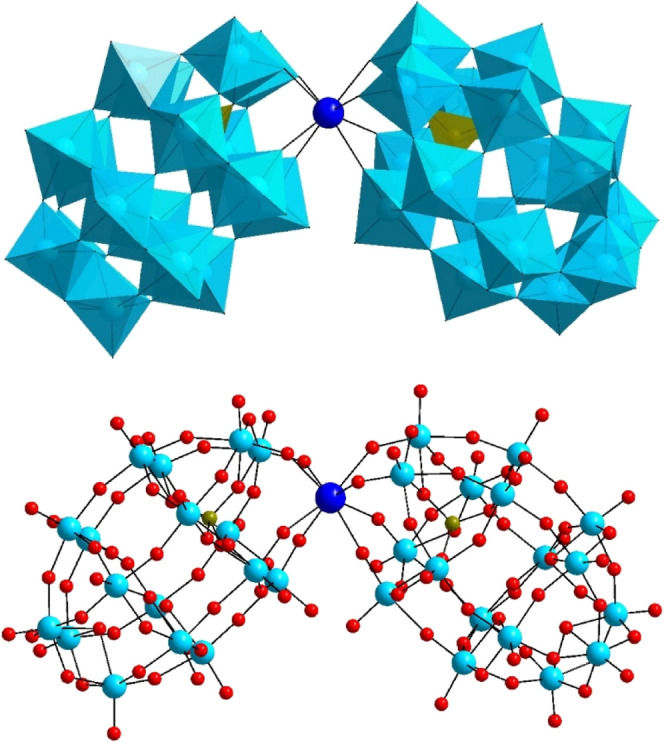
We succeeded in synthesizing a family of lanthanide-containing 17-tungsto-1-phosphates of the general formula [Ln(P(H_4_)W_17_O_61_)2]^19–^ (LnPW _ 17 ; Ln = La^3+^, Ce^3+^, Eu^3+^, Gd^3+^, Yb^3+^, Lu^3+^, Y^3+^), which crystallized as hydrated mixed sodium–potassium salts in the triclinic space group P1̅. All polyanions exhibit an idealized C 2 symmetry in the solid state, comprising two monovacant, asymmetric Wells-Dawson units [(H_4)PW_17_O_61_]^11−^ being coordinated to the lanthanide ion in a syn-configuration, with the phosphate heterogroup residing next to the lacunary site (Figure).
*Polyhedral (top) and ball-and-stick (bottom) representation of the polyanion family [Ln(P(H4)W17O61)2]19– (LnPW
17 ; Ln = La3+, Ce3+, Eu3+, Gd3+, Yb3+, Lu3+, Y3+). Color code: WO6 octahedra (sky blue), PO4 tetrahedra (dark yellow), oxygen (red), lanthanide (blue), tungsten (dark green), and phosphorus (dark yellow).*
It should be emphasized that two asymmetric Wells-Dawson ions are present in these polyanions, which have only one P heteroatom each, whereas the other lacunary site is occupied by four protons. The Ln^3+^ center adopts square-antiprismatic coordination geometry, being coordinated to four oxo-donors from each asymmetric Wells-Dawson unit.? The isostructural series LnPW _ 17 _ differs mainly in terms of the average Ln–O bond lengths. As can be seen in the graph of (Figure), the expected correlation exists between the ionic radii of the lanthanide ions and the average Ln–O bond lengths, namely that the latter decreases with decreasing size of the lanthanide ion.? Careful tuning of the reaction conditions, in particular solution pH, reaction temperature, and solvent medium, was crucial to identify the optimal synthetic conditions for LnPW _ 17 _.
*Lanthanide ionic radii (blue squares) and Ln–O bond lengths (red bars) for [Ln(P(H4)W17O61)2]19– (LnPW
17 ; Ln = La3+, Ce3+, Eu3+, Gd3+, Yb3+, Lu3+, Y3+).*
FT-IR spectroscopy was used to obtain information on the vibrational modes of the title polyanions. The monovacant POM precursor salt K_11_[P(H_4_)W_17_O_62_] exhibits characteristic P–O stretching vibrations at 1066 and 1032 cm^–1^ (Figure S1). For the series of our [Ln(P(H_4_)W_17_O_61_)2]^19–^ (LnPW _ 17 _; Ln = La^3+^, Ce^3+^, Eu^3+^, Gd^3+^, Yb^3+^, Lu^3+^) polyanion salts, only a single band at ∼ 1033 cm^–1^ is observed, a diagnostic change indicative of symmetry lowering resulting from lanthanide coordination at the vacant site. Further vibrational assignments include the terminal WO stretching bands at 870 and 720 cm^–1^, consistent with the preservation of the tungsten-oxo framework. Broad absorptions from 3000 to 3600 cm^–1^ and a band at 1625 cm^–1^ correspond to O–H stretching and bending modes of coordinated and lattice water, respectively. The nearly identical spectral features across the polyanion series LnPW _ 17 _ confirm the isostructural nature of the title compounds.
The seven polyanions LnPW _ 17 _ are formed in aqueous medium at pH 6.0, essentially independent of the reaction temperature. The optimized reaction conditions, which led to the highest crystalline yield, were found to be at room temperature in 1 M sodium acetate buffer at pH 6.0, with yields in the range of 20–35%. All our compounds are novel, except the cerium derivative, which was reported by Pope and co-workers.? However, our synthetic conditions are not only different but also easier, as we employ one-pot open-beaker conditions rather than a multistep approach using large quantities and hydrothermal heating.?
The phase purity of the crystalline bulk materials was confirmed by powder X-ray diffraction (PXRD). The experimental PXRD patterns for all seven NaK-LnPW _ 17 _ compounds are in good agreement with the simulated patterns derived from the single-crystal X-ray data (Figure S2), confirming the bulk purity of the samples.
Thermogravimetric analysis (TGA) was carried out for the seven compounds NaK-LnPW _ 17 _ (Ln = La^3+^, Ce^3+^, Eu^3+^, Gd^3+^, Yb^3+^, Lu^3+^, Y^3+^) in the temperature range of 25–600 °C under N_2_ atmosphere to evaluate their thermal stability. The thermograms of all compounds exhibited nearly identical behavior, showing a gradual weight loss primarily attributed to the release of lattice and coordinated water molecules. No significant decomposition of the polyoxometalate framework was observed within the studied temperature range, indicating that all compounds possess high thermal stability (Figure S3).
NMR Spectroscopy
^31^P NMR spectroscopy was employed to probe the stability of the title polyanions in solution. For the reference compounds, such as the asymmetric plenary Wells-Dawson ion [P(H_4_)W_18_O_62_]^7–^ and the monovacant derivative [P(H_4_)W_17_O_61_]^11–^ species show sharp singlets at −7.1 and −6.8 ppm, respectively (Figure S4). The ^31^P NMR spectra of [Ln(P(H_4_)W_17_O_61_)2]^19–^ (LnPW _ 17 _; Ln = La^3+^, Ce^3+^, Eu^3+^, Yb^3+^, Lu^3+^, Y^3+^) exhibit single ^31^P resonances (Figure), confirming the structural stability of the polyanions in solution. As expected, the chemical shifts vary quite a bit across the polyanion series as a function of the electronic and magnetic properties of the incorporated Ln^3+^ ion (δ = −2.9, LaPW _ 17 _; −5.6, CePW _ 17 _; 7.4, EuPW _ 17 _; 37.4, YbPW _ 17 _; −3.3, LuPW _ 17 _; −3.3, YPW _ 17 _ (Figure). The observed downfield shift in the case of YbPW _ 17 _ and EuPW _ 17 _ arises from paramagnetic deshielding effects, consistent with known trends in POM-lanthanide NMR spectroscopy. The absence of any ^31^P signal in the GdPW _ 17 _ derivative reflects significant line broadening caused by the highly paramagnetic Gd^3+^ ion (seven unpaired 4f electrons), which enhances spin–lattice relaxation and renders the signal unobservable. Notably, time-dependent ^31^P NMR monitoring of the lanthanum derivative LaPW _ 17 _ in 0.5 M sodium acetate solution at pH 6.0 showed no change over 6 weeks, establishing the long-term solution-phase stability of the polyanions (Figure S5).
*Room temperature 31P NMR spectra of the title polyanions [Ln(P(H4)W17O61)2]19– (LnPW
17 ; Ln = La3+, Ce3+, Eu3+, Yb3+, Lu3+, Y3+) and the [P(H4)W17O62]11– reference ion, all dissolved in 0.5 M CH3COONa at pH 6.0.*
^183^W NMR spectroscopy on LaPW _ 17 _ further confirmed the structural integrity of the polyanion in solution. The spectrum revealed eight distinct resonances at δ = −132, −159, −173, −178, −190, −205, −211, and −221 ppm (Figure S6), corresponding to the eight pairs of structurally inequivalent W sites within each {P(H_4_)W_17_} unit of the polyanion, consistent with the solid-state structure. We cannot identify with confidence the ninth signal with half intensity, corresponding to the unique tungsten atom in the cap opposite the lacunary site, due to the low intensity. Nevertheless, the identity of the polyanion is established.
Magnetic Measurements
DC Studies
The magnetic properties of the NaK-CePW _ 17 , NaK-GdPW _ 17, _ and NaK-YbPW _ 17 _ polyanion salts were investigated through magnetic susceptibility measurements employing a SQUID magnetometer. The static magnetic susceptibility χ_M T(T) data for powdered samples in an applied field of 1 kOe, 5 kOe and 10 kOe. For NaK-CePW _ 17 _ and NaK-YbPW _ 17 _ the data is rather steep and discontinuous, probably a direct consequence of the low magnetic moment associated with these lanthanide ions (the theoretically expected room-temperature χ_M_ T value would be 0.8 cm^3^ mol^–1^ K for Ce^3+^ (S = 1/2, L = 3, J = 5/2 and g _ J _ = 6/7), and 2.6 cm^3^ mol^–1^ K for Yb^3+^ (S = 1/2, L = 3, J = 7/2 and g _ J _ = 8/7)) and the low metal mass percent in the sample (1.5% for Ce^3+^ and 1.9% for Yb^3+^), Figure S7. Due to these characteristics, it is not possible to obtain a meaningful χ_M_ T(T) for these systems; however, based on the single-ion and quasi-isolated (magnetically) nature of the Ln^3+^ ions, a negligible interaction is expected for these systems.
Despite the low (1.8%) lanthanide content for NaK-GdPW _ 17 , the magnetic moment for Gd^3+^ is stronger than for Ce^3+^ and Yb^3+^; hence, it was possible to obtain a representative χ_M T(T) and M(H) profile. The room temperature χ_M_ T value was found to be 7.9 cm^3^ mol^–1^ K in agreement with an isolated Gd^3+^ ion (7.87 cm^3^ mol^–1^ K for Gd^3+^ with S = 7/2, and g = 2.0), (FigureA). Upon cooling, the χ_M_ T product remained practically constant down to 2 K, implying negligible/no interactions. The M(H) measurements between 0 and 7 T and 2 and 6 K revealed a saturation value of 7 N A_μ_B as expected for the Gd^3+^ ion, reaching saturation above 3 T (FigureB). A comparison of the M(H) traces with the Brillouin function is almost superimposable, confirming the system to be a S = 7/2 state.
*Experimental χM T(T) for (A) NaK-GdPW
17 and (B) M(H) data collected at different temperatures. The solid lines in (B) are the Brillouin function for S = 7/2 and g = 2.0.*
AC Studies
Despite the low magnetic moment exhibited by NaK-CePW _ 17 _ and NaK-YbPW _ 17 _, these samples are excellent test subjects to prove the so-called single-molecule magnet (SMM) behavior. A frequency and temperature-dependent behavior was observed for both samples under applied fields. For NaK-CePW _ 17 _, an applied field of 1.3 kOe was employed for data collection, while the AC field was 6 Oe (Figure). As expected, a rather small signal is obtained for the system; however, clearly revealing a maximum in the out-of-phase (χ”M) centered at 140 Hz at 2 K (FigureB). This maximum shift toward higher frequencies upon temperature increments up to 4 K, where the maximum is out of the operational frequency window of the instrument. Simultaneously fitting the in-phase (χ′M) and χ″M to a generalized Debye model allows the extraction of the temperature relaxation times (τ(T)) (FigureD).
*AC data for NaK-CePW
17 : (A) χ′M(ν;T); (B) χ′M(ν;T); (C) χ′M vs χ′M (Cole–Cole plot) and (D) experimental τ(T) data, fit (solid line) and decomposition of the processes contributing to the overall fit (dashed lines). The solid lines in panels A-C fit a generalized Debye model.*
For NaK-YbPW _ 17 _, a DC field of 1.9 kOe was employed for the full data collection. The maximum for this system occurs between 2 and 6.8 K. The maximum of 16 Hz is observed at the lowest temperature, which shifts swiftly toward higher frequencies upon temperature increment (FigureB). Likewise, simultaneous fitting of the χ′M(ν;T) and χ″M(ν;T) to a generalized Debye analysis also yields the τ(T) data (FigureD).
*AC data for NaK-YbPW
17 : (A) χ′M(ν;T); (B) χ′M(ν;T); (C) χ′M vs χ′M (Cole–Cole plot) and (D) experimental τ(T) data, fit (solid line) and decomposition of the processes contributing to the overall fit (dashed lines). The solid lines in panels A-C fit a generalized Debye model.*
To gain further insight into the relaxation characteristics of the system, the τ(T) data can be fitted to (1)
where the first term is the Orbach process and the second represents the vibrational-dependent Raman term, ℏω, the vibrational mode contributing to this mechanism. For NaK-CePW _ 17 , the fits yield the following parameters: U eff = 18(1) cm^–1^, τ_0 = 8(3)×10^–8^ s, C = 0.001(20) s^–1^ and ℏω = 0.002(10) cm^–1^. For NaK-YbPW _ 17 , the following values were obtained: U eff = 26(1) cm^–1^, τ_0 = 3.2(6)×10^–7^ s, C = 0.02(70) s^–1^ and ℏω = 0.02(30) cm^–1^. Keeping in mind that we consider the vibrational Raman mechanism, it is expected that the barriers are close to the actual ground-to-first excited state separation. Unfortunately, the large size of the polyanions precludes the investigation, at this stage, of the energy manifold of these systems via Complete Active Space Self-consistent field (CASSCF) calculations.
μSQUID Investigations
Sub-kelvin studies of the three samples NaK-CePW _ 17 _, NaK-GdPW _ 17 _, and NaK-YbPW _ 17 _ were carried out employing μSQUID arrays. In all cases, the field was aligned along the easy axis of the crystal employing the transverse field method.? For NaK-CePW _ 17 _ the loops are close at zero fields, while some openings are present at larger fields. The closed-loop behavior at zero field is consistent with fast quantum tunnelling of the magnetization (QTM) relaxation process (FigureA,B). At higher fields, the loops are open, signaling phonon bottleneck effects.? Above 200 mK, the magnetic signal decreases drastically. For NaK-GdPW _ 17 _, the loops are closed at all temperatures and sweep rates, indicating very fast relaxation. Furthermore, a small interaction can be visible at low fields, which could account for intermolecular dipolar interactions (FigureC,D). For NaK-YbPW _ 17 _, at 30 mK the loops are slightly open at nonzero field and fast sweep rates, while at zero field, a sharp step indicates fast QTM (FigureE,F). For NaK-CePW _ 17 _ and NaK-YbPW _ 17 _ the open loops demonstrate some anisotropy of these systems, in line with the AC studies, where frequency-dependent behavior was observed when a DC field was applied. Hence, we find NaK-CePW _ 17 _ and NaK-YbPW _ 17 _ to be field-induced SMMs. The anisotropy of these systems is expected to arise from the ligand field and geometry of the lanthanide when embedded in the POM. ?,?
*Sweep rate-dependent μSQUID studies at a fixed temperature of 30 mK and temperature-dependent at a fixed sweep rate of 16 mT/s for NaK-CePW
17 (A,B), NaK-GdPW
17 (C,D), and NaK-YbPW
17 (E,F), respectively.*
Photoluminescence Studies
Temperature-dependent emission studies on NaK-EuPW _ 17 _ revealed the characteristic ^5^D_0_ → ^7^F_ J _ (J = 0–4) transitions upon excitation of the Eu^3+^-based ^7^F_0_ → ^5^L_6_ transition at 395 nm, as shown in (Figure). Apart from the ^5^D_0_ → ^7^F_ J _ (J = 0–4) transitions, we have also observed the ^5^D_1_ → ^7^F_ J _ (J = 0–2), ^5^D_2_ → ^7^F_ J _ (J = 0, 2, or 3), and ^5^D_3_ → ^7^F_ J _ (J = 2–3) transitions (Figure and Table) involving the ^5^D_1_, ^5^D_2,_ and ^5^D_3_ excited states, respectively. The present transitions from the excited ^5^D_ J _ manifold indicate the absence of ^5^D_1_ → ^5^D_0_ cross relaxation, a lack of nonradiative relaxation channels in the vicinity of Eu^3+^, and a rigid lattice structure.? In the excitation spectrum at 2.3 K (Figurea), we have observed transitions at 376 nm (^7^F_0_ → ^5^G_4_), 394 nm (^7^F_0_ → ^5^L_6_), 465 nm (^7^F_0_ → ^5^D_2_), 526 nm (^7^F_0_ → ^5^D_1_), and 580 nm (^7^F_0_ → ^5^D_0_). At 300 K, two additional transitions at 416 nm (^7^F_1_ → ^5^D_3_) and 534 nm (^7^F_1_ → ^5^D_1_) are observed (Figure), indicating a temperature-induced population of the ^7^F_1_ state. Interestingly, the characteristic O^2–^ → M charge transition involving the tungsten-oxo core of the polyanion is not observed in the excitation spectra at all temperatures.
*(a) Temperature-dependent photoluminescent excitation (PLE) and emission (PL) spectra of NaK-EuPW
17 . (b) PL spectrum of the compound at 2.3 K showing the characteristic 5D0 → 7F J (J = 0–4) transitions. Key: 0–0 (5D0 → 7F0), 0–1 (5D0 → 7F1), 0–2 (5D0 → 7F2), 0–3 (5D0 → 7F3), and 0–4 (5D0 → 7F4). The compound was excited at 395 nm, and the emission was monitored at 614 nm.*
*Temperature-dependent PL spectra for NaK-EuPW
17 showing (a) 5D1 → 7F J (J = 0–2) and (b) 5D3 → 7F J (J = 2–3) and 5D2 → 7F J (J = 0, 2, or 3) transitions. Key: (a) 1–0 (5D1 → 7F0), 1–1 (5D1 → 7F1), 1–2 (5D1 → 7F2) and (b) 3–2 (5D3 → 7F2), 3–3 (5D3 → 7F3) and 2–0 (5D2 → 7F0); 2–2 (5D2 → 7F2), 2–3 (5D2 → 7F3).*
**2: Assignment of f–f Transitions Observed for NaK-EuPW
17 at 2.3 K**
*Temperature-dependent PLE spectra for NaK-EuPW
17 . The emission was monitored at 614 nm. (a) The 7F0 → 5L6 transition at 395 nm is the dominant one. (b) Data showing the low-intensity transitions. See text for assignments.*
Lifetime studies for NaK-EuPW _ 17 _ resulted in decay curves that can be satisfactorily fitted with a monoexponential function (Figure). At 2.3 K, a ^5^D_0_ lifetime of 2.17 ms is obtained, and a decrease in lifetime1.84 msis noted at 300 K. The CIE (Commission Internationale de l’éclairage) 1931 coordinates obtained for the compound remained almost unchanged in the 2.3 to 300 K range (see Figure and Table).
*Temperature-dependent PL lifetime studies on NaK-EuPW
17 at (a) 2.3 K, (b) 77 K, and (c) 300 K. The compound was excited at 395 nm, and the emission was monitored at 614 nm.*
*CIE 1931 diagram obtained for NaK-EuPW
17 . The black dots indicate the CIE coordinates. Since the variation of the coordinates is minimal with respect to temperature, (see Table ), all three dots overlap with each other.*
**3: Temperature-dependent CIE Coordinates (x, y) Obtained for NaK-EuPW
17**
Parameters such as the branching ratio (β_ R ), asymmetry ratio (R), and Judd-Ofelt (J-O) parametersΩ_2, Ω_4_, and Ω_6_can be obtained from the emission spectra and used to deduce the coordination environment around the Eu^3+^ centers. The branching ratio reflects the intensities of the ^5^D_0_ → ^7^F_ J _ (J = 0, 1, 2, 3, 4) transitions. It is a ratio between the intensity of a particular ^5^D_0_ → ^7^F_ J _ transition (I(^5^D_0_ → ^7^F_ J )) and total intensity involving all the ^5^D_0 → ^7^F_ J _ transitions (∑ ^5^D_0_ → ^7^F_ J _), as shown in eq.
The asymmetry of the local coordination environment around the Eu^3+^ centers can be inferred from R, which is the ratio between the integral intensities of ^5^D_0_ → ^7^F_2_ and ^5^D_0_ → ^7^F_1_ (I^5^D_0_ → ^7^F_2_/I^5^D_0_ → ^7^F_1_)transitions. The rationale is that the magnetic dipole ^5^D_0_ → ^7^F_1_ transition is only marginally affected by the environment and therefore its intensity is used as a reference. On the other hand, the electric-dipole-induced ^5^D_0_ → ^7^F_2_ transition is sensitive to changes in the local coordination environment. By calculating R using the intensities of the transitions, the magnitude of distortion around the Eu^3+^ ion in the polyanion can be deduced, with large R values indicating a strongly distorted coordination around the metal center. The short-range Judd-Ofelt (J-O) parameter Ω_2_ reflects on the local coordination environment around Eu^3+^ and the degree of covalency in the metal–ligand interaction. On the other hand, the long-range J-O parameters Ω_4_ and Ω_6_ are a manifestation of the long-range polarizability of the crystalline environment. Using the spectroscopic properties calculation module in the LUMPAC software,? we have determined the values of β_ R , R, Ω_2 and Ω_4_ from the emission spectra collected at 2.3, 77, and 300 K.
The calculation of the oscillator strengths (f) shed light on the relative intensities of each ^5^D_0_ → ^7^F_ J _ transition. The values of f associated with the ^5^D_0_ → ^7^F_ J _ transitions of NaK-EuPW _ 17 _ are obtained using eq and the values are collected in (Table S1).?
where, ε is vacuum permittivity, m is mass of electron, c is the speed of light, ξ is branching ratio, n is refractive index, e is electronic charge, ν is frequency, and τ is lifetime. For calculating, we used n = 1.5, lifetime estimated for the ^5^D_0_ → ^7^F_2_ transition, and branching ratios collected in Table. As collected in (Table), the ^5^D_0_ → ^7^F_4_ transition is the most intense transition at all the temperatures. The second and third most intense ones are the ^5^D_0_ → ^7^F_4_ and ^5^D_0_ → ^7^F_1_ transitions, respectively. The small magnitude of the asymmetric ratio (Table), weak and strong intensities of the ^5^D_0_ → ^7^F_0_ and ^5^D_0_ → ^7^F_4_ transitions, respectively, indicate a relatively symmetric coordination environment around the Eu^3+^ center in the polyanion. The Ω_4_ > Ω_2_ indicate the operation of strong long-range effects in the crystal lattice of the compound.
**4: Temperature-dependent Branching Ratios (β R ) and Oscillator Strengths (f) Obtained for NaK-EuPW
17**
**5: Temperature-dependent Parameters Obtained for NaK-EuPW
17**
The presence of one ^5^D_0_ → ^7^F_0_ transition and monoexponential lifetime decays indicate one emissive Eu^3+^ center in the polyanion. The long lifetimes in the range of 1.84 to 2.17 ms elucidate the well-shielded nature of the Eu^3+^ centers from the deactivation mechanisms such as O–H and N–H vibrations in the first coordination sphere.
To quantify the magnitude of radiative (k _ r _) and nonradiative (k _ nr ) decay rates involved in the emission process of NaK-EuPW _ 17 , we have calculated the radiative lifetime (τ_rad) of the ^5^D_0 state using eq.
where, A MD is the spontaneous emission probability of the ^5^D_0_ → ^7^F_1_ transition in vacuum (14.65 s^–1^) and n is the refractive index of the polyanion (approximated as 1.45); I tot and I MD are the total integrated emission intensity and intensity of the magnetic-dipole-induced ^5^D_0_ → ^7^F_1_ transition, respectively. By using the calculated τ_rad_ and experimentally determined τ_obs_ (Table), we have estimated the rates of radiative (k r) and nonradiative (k nr) relaxation processes employing eqs and ?, respectively.
As collected in (Table), the magnitude of k r is slightly larger than the k nr at all the temperatures. This observation indicates that there exist quenching mechanisms causing the loss of ^5^D_0_ energy in the form of nonradiative decay. The intrinsic quantum yields (φ_Eu_) calculated employing eq, in the range of 51% to 53% also reflects on the nominal radiative emission efficiency of the ^5^D_0_ state.
The salt NaK-EuPW _ 17 _ comprises cocrystallized water molecules providing O–H oscillators that could cause the nonradiative deactivation of the ^5^D_0_ state. Such a possibility has been reported for Eu^3+^ complexes therefore, and hence we attribute the O–H oscillators as the reason behind the nominal intrinsic quantum yield associated with the compound. Overall, we have observed the characteristic ^5^D_0_ → ^7^F_ J _ (J = 0–4) transitions upon direct excitation of the Eu^3+^ based ^7^F_0_ → ^5^L_6_ transition at 395 nm, (see Figure), for a summary of the emission process in the compound.
*Jablonski–Perrin diagram showing the emission process in NaK-EuPW
17 . The excitation of the 7F0 → 5L6 transition at 395 nm resulted in the observation of 5D0 → 7F J transition (red arrows). We have also observed 5D3 → 7F J (blue dashed lines), 5D2 → 7F J (green dotted lines), and 5D1 → 7F J (cyan dashed-dotted lines) transitions involving the excited 5D J manifolds.*
The strong intensity of the ^5^D_0_ → ^7^F_4_ transition relative to the hypersensitive ^5^D_0_ → ^7^F_2_ transition indicates a symmetric coordination environment around the Eu^3+^ center. This observation is in line with the square-antiprismatic coordination geometry obtained from the SC-XRD studies discussed above. The presence of a weak yet observable ^5^D_0_ → ^7^F_0_ transition points at a distorted square-antiprismatic coordination geometry around Eu^3+^ toward a less symmetric onefor example C_2_as discussed above. We have also studied the YbPW _ 17 _ analogue; however, no observable Yb^3+^ transitions are noted even at 2.3 K.
Excitation of NaK–CePW _ 17 _ at 370 nm revealed the presence of characteristic Ce^3+^ based ^2^D_3/2_ → ^2^F_5/2_ and ^2^D_3/2_ → ^2^F_7/2_ transitions at 417 nm (23981 cm^–1^) and 441 nm (22676 cm^–1^), respectively (Figure). An energy difference of 1305 cm^–1^ between the ^2^F_5/2_ and ^2^F_7/2_ levels is estimated.
*Temperature-dependent PLE and PL spectra of NaK–CePW
17 in the solid-state. The PLE profiles were obtained by monitoring emission at 441 nm; the PL profiles were obtained by exciting the compound at 370 nm.*
Remarkably, the emission intensities at 77 and 180 K are higher than the one observed at 2.2 K, the maximum intensity is observed at 77 K. Such increased intensity at intermediate temperatures, 77 and 180 K, is attributed to optimal vibronic coupling increasing the probability of emission from more vibronic levels.? At 300 K, nonradiative deactivation pathways operate, hence the emission intensity decreases. The CIE coordinates (see Figure and Table) remained almost unchanged upon temperature variation and a bluish-white emission is observed.
*CIE 1931 diagram obtained for NaK–CePW
17 . The black dots indicate the CIE coordinates. Since the variation of the coordinates is minimal with respect to temperature, see Table , all the four dots are overlapped onto each other.*
**6: Temperature-Dependent CIE Coordinates (x, y) Obtained for NaK–CePW
17**
Conclusions
We have synthesized and structurally characterized an isostructural series of lanthanide-containing asymmetric Wells-Dawson-type 17-tungsto-1-phosphates with the general formula [Ln(P(H_4_)W_17_O_61_)2]^19–^ (LnPW _ 17 ; Ln = La^3+^, Ce^3+^, Eu^3+^, Gd^3+^, Yb^3+^, Lu^3+^, Y^3+^). As compared to the classical Wells-Dawson ion, the asymmetric derivative contains only one rather than two phosphate hetero groups and the other heteroatom site is occupied by four protons. The seven polyanions LnPW _ 17 _ comprise a lanthanide ion being coordinated by two [P(H_4)W_17_O_61_]^11–^ units in a syn-configuration and the lanthanide ion exhibits a square-antiprismatic coordination geometry, resulting in 8-coordination. This family of polyanions remains intact in solution, as shown by ^31^P and ^183^W NMR spectroscopy. Magnetic investigations reveal paramagnetic behavior for NaK–CePW _ 17 , NaK-GdPW _ 17 , and NaK-YbPW _ 17 , including field-dependent slow magnetic relaxation, underscoring their potential as functional materials in molecular magnetism. Temperature-dependent PL studies of NaK-EuPW _ 17 _ revealed the ^5^D_0 → ^7^F J _ (J = 0–4) transitions upon direct excitation of the Eu^3+^-based ^7^F_0 → ^5^L_6_ transition at 395 nm. The strong intensity of the ^5^D_0_ → ^7^F_4_ transition relative to the hypersensitive ^5^D_0_ → ^7^F_2_ transition and the presence of a weak ^5^D_0_ → ^7^F_0_ transition indicate a distorted square-antiprismatic spectroscopic site symmetry around the Eu^3+^ center, corroborating well with the all oxygen containing eight-coordinate environments observed by SC-XRD. The long ^5^D_0_ lifetime in the order of several ms elucidates the absence of deactivating pathways in the first coordination sphere of the metal center. On the other hand, the calculated intrinsic quantum yields close to 53% and the comparable magnitudes of radiative and nonradiative rate constants indicate that the cocrystallized water molecules play a crucial role in the deactivation of the ^5^D_0_ excited state by providing O–H oscillators. These findings expand the structural landscape of f-block POM chemistry and establish a versatile, reproducible route to lanthanide-functionalized hybrid frameworks.
Supplementary Material
The reference list from the paper itself. Each links out to its DOI / PubMed record.
- 1a Pope, M. T. Heteropoly and Isopoly Oxometalates; Springer: Berlin, 1983.
- 2a Pope, M. T. ; Müller, A. Introduction to Polyoxometalate Chemistry: From Topology via Self-Assembly to Applications. In Polyoxometalate Chemistry for Nano-Composite Design; Yamase, T. , Pope, M. T. , Eds.; Springer: Dordrecht, 2001; pp 1–9.
- 3b Polyoxometalate Chemistry for Nano-Composite Design; Yamase, T. , Pope, M. T. , Eds.; Springer: Dordrecht, 2002.
- 4a Zimmermann M.Belai N.Butcher R. J.Pope M. T.Chubarova E. V.Dickman M. H.Kortz U.New Lanthanide-Containing Polytungstates Derived from the Cyclic P 8W 48 Anion: {Ln 4(H 2O)28[K⊂P 8W 48O 184(H 4W 4O 12)2Ln 2(H 2O)10]13-}x, Ln = La, Ce, Pr, Nd Inorg. Chem.2007461737174010.1021/ic 062442317295478 · doi ↗ · pubmed ↗
- 5Dawson B.The Structure of the 9(18)-Heteropoly Anion in Potassium 9(18)-Tungstophosphate, K 6(P 2W 18O 62)·14H 2O Acta Crystallogr.1953611312610.1107/S 0365110 X 53000466 · doi ↗
- 6a Baker L. C. W.Gallagher G. A.Mc Cutcheon T. P.Determination of the Valence of a Heteropoly Anion: Dodecamolybdoceric(IV) Acid and Its Salts J. Am. Chem. Soc.1953752493249910.1021/ja 01106 a 062 · doi ↗
- 7a Contant R.Piro-Sellem S.Canny J.Thouvenot R.Synthèse et Étude Structurale par RMN 31P et 183W d’un Octadécatungstomonophosphate de Type Dawson [H 4PW 18O 62]7‑ et de Deux de ses Dérivés, [H 4PW 17O 61]11‑ et [Zn(H 2O)(H 4PW 17O 61)]9‑ C. R. Chim.2000315716110.1016/s 1387-1609(00)00112-2 · doi ↗
- 8a Sadakane M.Ostuni A.Pope M. T.Formation of 1:1 and 2:2 Complexes of Ce(III) with the Heteropolytungstate Anion α2-[P 2W 17O 61]10‑, and Their Interaction with Proline: The Structure of [Ce 2(P 2W 17O 61)2(H 2O)8]14‑ J. Chem. Soc., Dalton Trans.2002636710.1039/b 105967 j · doi ↗