Persistence and Innovation in the Greco-Roman Medical Tradition: The Reading and Writing Practices of a Tenth-Century Monk
Silvia M Marchiori

TL;DR
A tenth-century monk compiled a medical manuscript blending ancient traditions with new influences from the East.
Contribution
The paper reveals the deliberate intellectual effort behind a medieval medical miscellany, challenging views of early medieval medicine as rudimentary.
Findings
The compiler of BnF, Lat. 7028 followed Rationalist medical principles while creating a non-linear compendium.
The manuscript reflects the monk's use of Byzantine and Ottonian networks to include Eastern medicinal drugs in recipes.
It preserved ancient medical traditions while innovating with new therapeutic approaches.
Abstract
By offering an organic reading of the tenth-century medical miscellany BnF, Lat. 7028, this article questions assumptions about the erratic and rudimentary nature of early medieval medicine, highlighting the compiler’s purposeful selection and manipulation of contents. Following the tenets of the ancient sect of Rationalists, as described in Celsus’ De medicina, the compiler gathered a consistent yet non-linear compendium, blending texts about the mythological Greek origins of medicine, anatomical parts, natural philosophy and different sets of therapeutical options, encompassing regimen, medications, and surgery. The Greek-Latin monk Johannes Philagathos is arguably the intellectual author of this eclectic miscellany, which he assembled thanks to networks of people and books that circulated between Byzantine and Ottonian areas. While preserving ancient and late antique medical…
Genes, proteins, chemicals, diseases, species, mutations and cell lines named across the full text — each resolved to its canonical identifier and authoritative record.
Click any figure to enlarge with its caption.
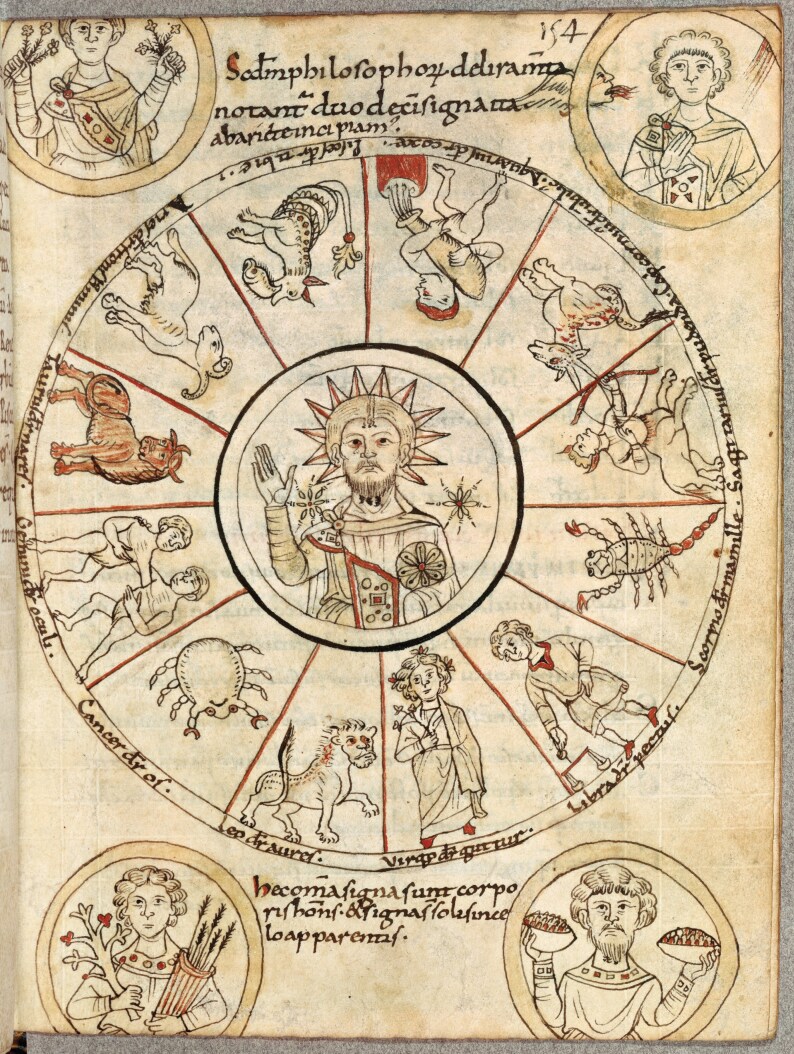 Fig. 1
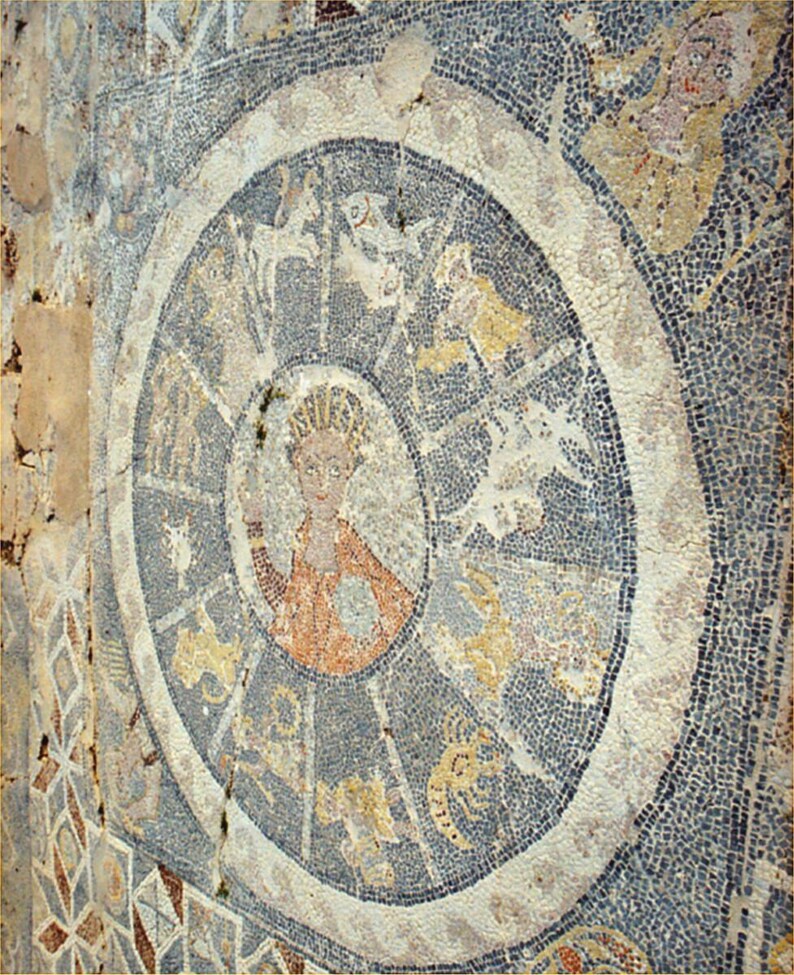 Fig. 2
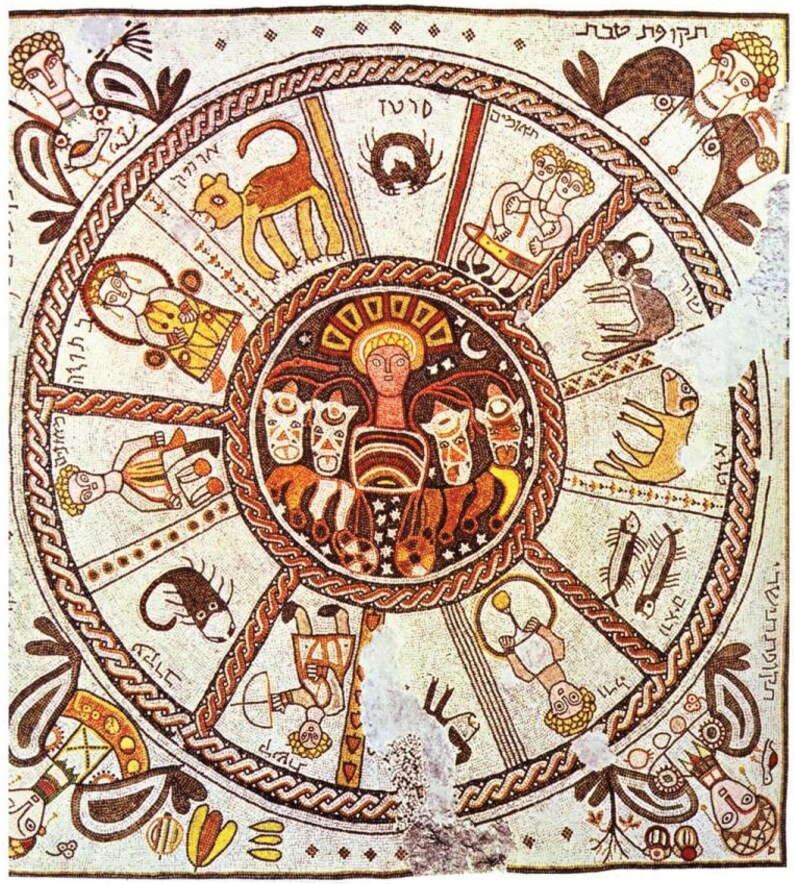 Fig. 3
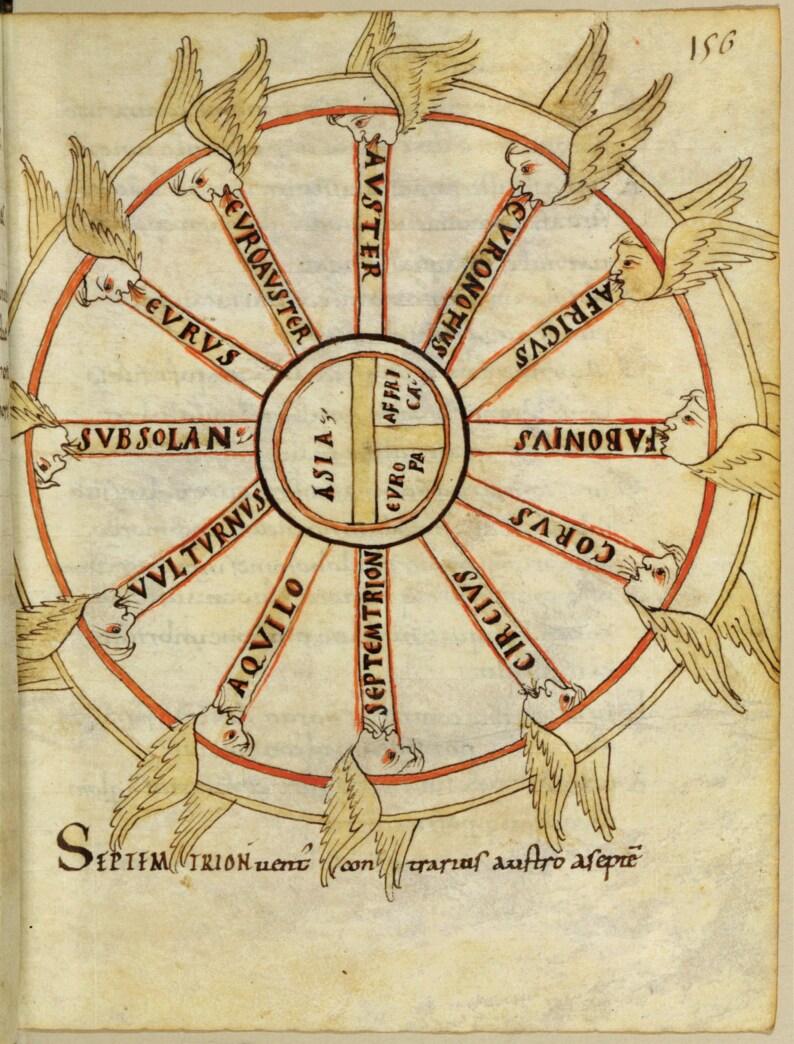 Fig. 4
Peer Reviews
No public reviews on file for this paper yet. If you reviewed it on a platform where reviews are public (OpenReview, ICLR, NeurIPS, ICML), you can paste yours below so the community can read it here.
Videos
No videos yet. Explain this paper in a talk, walkthrough, or lecture? Add one.
Taxonomy
TopicsArchaeology and Historical Studies · Byzantine Studies and History · Historical, Religious, and Philosophical Studies
In 190 nicely written parchment sheets, which correspond to the skin of circa 50 sheep and endless days of backache, a tenth-century monastic compiler selected and copied out medical information from more than a dozen different sources. From the widely known Etymologies of Isidore of Seville and the late antique Ars medicinae, he copied Greek myths on the birth of medicine, the life of Hippocrates, and the medical deontological code, with instructions on how physicians should appear and behave. Then, after providing a list of anatomical definitions, he copied out a large portion of Cornelius Celsus’ De medicina, a first-century CE text that circulated in northern Italy in a handful of manuscripts at this time. Next came four different sets of recipes for medicinal oils, pessaries, compounds, and a detailed list of simples. After this, our compiler turned to studying the properties of stones with the help of Isidore’s Etymologies, again, and a Hellenistic lapidary attributed to Damigeron. This section was followed by a list of the 21 virtues of substances from the pseudo-Galenic De dynamidiis, fragments on sphygmology and urinoscopy from the hybrid Liber Anathegore de pulsis et urinis, and further Celsian extracts, combined with the spurious Liber cyrurgie Ypocratis, to describe simple surgical operations for bloodletting. In this last section, the compiler left blank spaces after each operation for images, which he never drew. Yet, he completed two beautiful circular diagrams in the form of rotae, which portrayed two major agents of influence on the body, namely, the zodiac signs and the winds.1
Mistreated, mishandled, misused
The medical miscellany described above is now in Paris at the Bibliothèque nationale de France, shelf mark Lat. 7028, hereafter referred to as codex Parisinus. Around 1000, such miscellanies, primarily compilations of ancient and late antique texts, were the most common form of medical literature.2 Compared to the philosophical sophistication of Galenic medicine, early medieval medical theory mainly focused on prognostics, regimen, and materia medica, rather than aetiology and diagnosis. Deprecatory narratives of the early Middle Ages have claimed that compilers revealed no clear understanding and predetermined purpose during their scribal activity, which resulted in the production of erratic, rudimentary, and superstitious medical accounts.3 In contrast, Faith Wallis argued that compilers purposefully organised their activities and pursued specific agendas.4 Peregrine Horden has similarly defended early medieval medicine, noting the problematic interpretation of medical miscellanies, but offering a syncretic view of early medieval science, religion, and magic.5
Codex Parisinus belongs to the tradition of medical miscellanies that hinder a linear reading of the contents, as it consists of scattered quires that address different subjects, escaping any apparent logical order. Yet, despite the manuscript’s incomplete nature and form, the compiler produced an organic assortment of medical texts in a multi-text monoblock compilation, or homogenous collection.6 While occasionally mentioned in different studies about early medieval medicine and cosmology, this manuscript has never been studied as a cohesive textual unit. In the line of recent appreciations of miscellanies by scholars like Anna Dorofeeva, Marilena Maniaci, and Michael McVaugh, this article aims to provide an organic reading of this textual unit and to show that the selected contents of Parisinus, all penned by a single-hand, reveal very specific interests and disclose the reading and writing practices of a tenth-century erudite monk.7
This article investigates the compiler’s intellectual process in collecting information with a preference for texts that comply with the tenets of ancient Rationalism, a medical sect that developed in fourth-century BCE Greece and was embraced by prominent physicians such as Diocles, Praxagoras, Asclepiades, and partly Galen.8 In the centuries-long historical arch of the unfolding of Rationalism, codex Parisinus represents a transitional codification of this medical and epistemological doctrine, and it provides a prehistory to the early modern philosophical evolution and reappraisal of Rationalism, which relied on classical sources like Galen and Celsus.9 In this thematically cohesive manuscript, such a Rationalist orientation questions assumptions about the putatively primitive state of early medieval medicine, revising the common understanding of pre-Salernitan medicine.10
By focusing on cardinal parts of the manuscript that concern the reception of ancient histories of medicine, traces of medical Rationalism, and therapeutical strategies, this article challenges the negative connotation of pre-Salernitan medicine. While widely used in literature, the adjective ‘pre-Salernitan’ is not a useful analytic term for early medieval medicine. It flattens the multifaceted local dynamics of medical learning and practice that developed in monasteries, cathedral schools, and lay society, where medicine and spirituality converged in manifold practical articulations.11 It also overemphasises the importance of Constantinus Africanus’ translations and the School of Salerno in the renewal of learned medicine. Charles Burnett, Danielle Jacquart, Erik Kwakkel, Francis Newton, and others have explored the exceptional story of Constantinus, who translated medical Arabic texts in the late eleventh century and disseminated new knowledge thanks to the scribal activity in Monte Cassino.12 The reception of newly translated Aristotelian, Galenic and Arabic texts undoubtedly affected western medicine, providing impetus for the development of Scholasticism, but Arabic-oriented narratives reiterate the topos of the Dark Ages, the barbaric West, and the isolated occurrence of a twelfth-century Renaissance.13 The case of codex Parisinus, instead, shows that ancient learned medical texts kept circulating between the decline of the late antique medical school in Ravenna, often depicted as the swansong of the Alexandrian tradition, and the rise of the Salernitan School, with its attention to theoretical questions, natural philosophy, and new pedagogical tools for teaching medicine.14
Partly because of the focus on Monte Cassino and Salerno, the role of Byzantium in the transmission of ancient and Arabic medicine has come to be appreciated only in recent years, when scholars like Matteo Martelli, Petros Bouras-Vallianatos, and others revealed the dense networks of intellectual and commercial relationships that connected Byzantium with Arabic, Jewish, and Latin communities, highlighting the transcultural nature of medieval Mediterranean medicine.15 Along these lines, the contents of codex Parisinus mirror the dual identity of its compiler. By examining the manuscript’s features and the geographical scope of its production, this article supports previous identifications of the intellectual author as the Greek-born Latin monk Johannes Philagathos, member of the Ottonian court, prominent churchman, and later antipope.16 Philagathos’ hybrid Greek-Latin identity allowed him to act as a political and intellectual agent at the crossroads of continental Europe and the Byzantine area of influence, which included southern Italy until the eleventh century. With a somewhat eclectic, yet firmly Rationalist-oriented mind, he collected multiple texts to shape an original and elaborate account of medicine that encompassed ancient Greek myths, celestial diagrams with eastern Mediterranean iconographical models, and the reception of exotic materia medica.
Following the tracks
The author of codex Parisinus left only one personal trace in his manuscript, namely, a short poem at the end of the first extracts from Celsus’ De medicina.17 Comparing himself to a fisherman who returned to land with a big catch, sacer Iohannes claimed that, with great effort, he corrected part of the book at the request of his pupil. The last verse ‘I did what I could; what I could not, reluctantly, I omitted’ is a sophisticated calque of Ovid’s verse ‘I will hate if I can; if not, reluctantly, I will love’, which displays the compiler’s creative reliance on his erudite readings.18 As previously mentioned, the identity of sacer Iohannes has been linked to the figure of Johannes Philagathos (940s?-1001/13).19 Born in Rossano, a vibrant centre of Greek culture, monasticism, and scribal activities in the Calabria region in southern Italy, Philagathos (from the Greek, ‘lover of the good’) was described in other sources as Calabrian (calabritanus), Greek Johannes (Iohannes Graecus), and of the Greek nation (natione graecus).20 He was likely bilingual in Latin and Greek, and in 983, he entered the imperial court, earning the trust of the emperor Otto II and his consort, the Byzantine princess Theophano, and becoming tutor to their son, the future Otto III. In those years, while acting as Otto II’s chancellor, Philagathos established a close relationship with Theophano, who often relied on him in the years of her regency before Otto III’s coronation as emperor.21 The tenth-century Ottonian court displayed interest in Greek cultural and artistic traditions, even though Theophano’s role in the introduction of Greek customs at court is still disputed.22 Nevertheless, Byzantine culture shaped the intellectual profile of Otto III, who famously asked the learned priest Gerbert of Aurillac to help him replace Saxon vulgarity with Greek subtlety.23 Arguably, Philagathos could have compiled codex Parisinus to gift it to his pupil (alumpnus) mentioned in the short poem, probably the young Otto III.
Evidence of Philagathos’ interest in medicine is found in an inventory of his library in Piacenza, a city midway between Milan and Parma, where he was appointed archbishop in 988. In addition to two books of Livy, Persius’ satires, the works of the theologian Orosius, two capitularies, a copy of Fulgentius’ writings with a text on orthography under the name of Isidore, two glossaries, and Boethius’ commentary on Porphyry’s Isagoge, Philagathos’ collection included a medical compilation (medicinalem unum) that might correspond to codex Parisinus itself.24 As an erudite courtier, Philagathos actively contributed to the development of the Ottonian library, and his learning was highly esteemed.25 When Otto II appointed him abbot of the Benedictine abbey of Nonantola, near Modena, in 982, the official diploma referred to Philagathos as archimandrite, which designated the leading figure of one or more monasteries in the Byzantine Empire, also praising his erudition, Greek knowledge, and alleged holiness.26
Additional evidence from a different manuscript supports Philagathos’ interest in medicine and connects the production of codex Parisinus to the abbey of Nonantola.27 Manuscript Vatican Library, Vat.lat. 5951 (hereafter referred to as V) is a ninth-century copy of almost the entire eight books of Celsus’ De medicina, together with a short twelfth-century gynaecological excerpt. Despite the unclear specification of its site of production, it has been linked to Nonantola by a marginal invocation to Saint Sylvester, patron of the abbey^.^28 This manuscript was the source of the Celsian text copied out in codex Parisinus, and it bears annotations by a medieval reader, arguably a contemporary of the scribe of Parisinus that was familiar with Philagathos’ medical activity.29 These annotations include two marginal recipes with instructions for the preparation of a remedy for coughing and dysentery and a mixture for incense.30 The recipe for coughing is attributed to Iohannes calaber, and it states: ‘pill experimented for coughing and for people who suffer from dysentery of the Calabrian Johannes’, a title that matches with Thietmar’s chronicle, where he called Philagathos Iohannes calabritanus.
During his years as abbot of Nonantola, Philagathos operated in an area that maintained connections with Byzantium.31 In late antiquity, Nonantola was located in a traditionally Byzantine area, the Exarchate of Ravenna and material evidence indicates exchanges between Byzantine lands and Nonantola in the early Middle Ages. Uncommon Byzantine ceramics were found at the tenth-century site of the abbey, and exquisite vestments of eastern origin are still displayed in the abbey’s treasury.32 In addition to goods, visits of Greek monks from southern Italy were also fairly common. The priest and scholar Cosma of Matera, for instance, worked in the abbey of Nonantola in the early eleventh century and made translations of religious texts from Greek into Latin.33 In the tenth century, the abbey housed a library and a scriptorium, and it was at the centre of long-distance networks of people and books that connected northern Ottonian Europe and the southern Byzantine and Arabic Mediterranean.34 Manuscripts produced in Nonantola show stylistic influences both from the area of Monte Cassino, which provided the earliest core of the library, and from northern centres like Verona and Bobbio, which belonged to the imperial area of influence.35
While interacting and exchanging manuscripts with abbeys in Corbie, Saint Denis, and Tours, but also Reichenau, Saint Gall, and Fulda, Nonantola had a special role in maintaining formal relationships between western monarchies and the Byzantine Empire.36 In 813, Nonantola’s abbot Petrus went to Byzantium as Charlemagne’s legate together with Reichenau’s abbot Heito and the bishop of Trier Amalarius, and Charlemagne’s grandson Lothair I sent Nonantola’s abbot Ansfried in 828.37 Similarly, Philagathos’ career reached its peak when Otto III sent him to Byzantium to negotiate his marriage with a Greek princess in 995. The mission failed, and soon after his return, Johannes and Crescentius II Nomentanus, a Roman nobleman who sought the support of Byzantium, conspired against Pope Gregory V, Otto’s cousin and ally. In 997, Johannes was illicitly appointed Pope John XVI, thus becoming an antipope. The following year, while escaping the avenging expedition led by his former pupil, now emperor, he was captured, blinded, maimed, publicly humiliated, and imprisoned, possibly in a Roman monastery, or in Fulda, where he died in the early eleventh century.38
Greek erudition and tailored Rationalism
While the dubious dating of codex Parisinus and the absence of other revelatory marginal annotations hinder a conclusive identification of Johannes Philagathos as the author, this analysis of the manuscript stands on its own as the original creation of a Benedictine monk who was an expert in medicine and Greek language, with connections to Byzantium and a strong Rationalist learning. The introduction of the manuscript clearly displays Greek features, providing evidence of the uninterrupted circulation of Greek sources in Byzantine southern Italy, their reception in monastic libraries, and their survival in forms that do not display Christianising manipulations, as instead happened in some Carolingian medical manuscripts.39 Furthermore, the compiler intervened in the introductory texts to tailor his account of the history of medicine to the tenets of the ancient medical sect of Rationalists. Ancient Rationalists, or Dogmatists, argued that physicians should establish chains of causation to explain disease and prescribe treatments, relying on their in-depth knowledge of hidden and evident causes, the anatomy of bodily parts, and their internal functioning, which required a broad understanding of natural philosophy. They paired theoretical frameworks to explain the body’s nature and its functioning with experiential knowledge derived from everyday practice, challenging the neat separation of intellectual and experiential epistemic processes, but supporting the primacy of deductive thought.40
In order to provide information about the Greek origins of medicine and the prestigious figure of Hippocrates, our compiler copied a widely circulating excerpt from Isidore’s Etymologies IV.ii on the inventors of medicine and the so-called Ars medicinae, a compilation of texts that had Greek origins and survived in medieval Greek, Latin, and Arabic versions. The Ars medicinae often circulated together with the Hippocratic Law and Oath, and with the short text How should the physician be (Qualis debet esse medicus), as in the case of our codex. While other manuscripts preserve only excerpted versions, Parisinus bears the earliest known complete Latin version of this Hippocratic collection, which concerns the origins of medicine in ancient Greece, the myth of Asclepius, the historical legend of Hippocrates and the medical deontological code, with a detailed description of how physicians should present themselves and behave.41
Textual hints clearly reveal the Greek origins of this version of the Ars medicinae. To narrate Asclepius’ death at the hands of Zeus, the text mentioned the Greek tragedy Alcestis by the fifth-century BCE dramatist Euripides.42 Copies of his tragedies were extremely rare in the Middle Ages, and they survived only in a handful of Greek manuscripts in the Byzantine Empire. Ancient and medieval translations into Latin did not exist, and this unparalleled reference to Euripides stands out as a learned reference hardly recognised by the compiler. Shortly later, the iconographical description of Asclepius betrays an improper translation from the Greek. The text describes a bearded Asclepius, sitting with his daughter Hygieia, and holding an egg ‘because there is no expertise without transformation’, a bowl, presumably filled with a healing potion ‘for the cries of people in pain’, and a pomegranate, which represents the multiple habits of people.43 According to the text, these attributes were most frequently related to Asclepius ‘in odiis capitaneis’, which literally means ‘in the chief hatreds’ in classical Latin, but likely meant the famous tales of Greek poets, signalling the assimilation of the Greek word for ode (ὠδή) into the Latin vocabulary (oda).44
Other details of the Ars medicinae make this account unique when compared to other sources. Tracing the descendance from Asclepius to Hippocrates, this text reports that once he left his motherland Cos, Hippocrates travelled to Athens during a plague outbreak. Hippocrates happened to observe that blacksmiths and other artisans who worked with fire were immune to the plague, and therefore, he ordered that huge bonfires be lit to purify the noxious air. This account of the story of Hippocrates in Athens is peculiar, and as far as it is known now, it appears only in this manuscript. This version displays significant Empiric nuances, as Hippocrates discovered how to cure the plague by the chance observation of blacksmiths rather than by means of theoretical speculation. Another more Rationalist version survived in the writings of Pliny, Galen, and Aëtius of Amida, who wrote that Hippocrates understood the hidden cause of the plague, namely, the noxious constitution of air, only by reasoning.45 The compiler, however, did not remark on this difference between Rationalist and Empiric epistemologies, and he did not emend this passage. An implicit, yet evident ideological intervention in the text, instead, concerns the last part of the Ars medicinae, which lists ancient physicians that belonged to the three medical sects of the Rationalists, the Empirics, and the Methodists. In codex Parisinus, the names of Empiric and Methodist physicians are omitted, and the resulting list implies that Hippocrates’ successors exclusively belonged to the Rationalist sect.46 While it is possible that the compiler relied on an incomplete version of the text, an organic reading of the entire manuscript suggests that Johannes actively manipulated his sources to support the Rationalist sect.
After a short text on anatomical definitions, Rationalism infiltrates again codex Parisinus in an excerpt from De medicina, an intrinsically practical text by the first-century CE encyclopaedical writer Aulus Cornelius Celsus, who designed it to explain Greek medicine to Latin readers.47 In the long proem, Celsus extensively described the three major sects of ancient medicine, evenly outlining their different epistemological tenets, therapeutical strategies, and the names of relevant members. Johannes likely accessed Celsus’ De medicina in the previously mentioned manuscript Vat.lat. 5951, which bears an easily readable copy of the entire proem. In his selection of contents, however, the compiler copied only the very end of the proem, where Celsus expressed his preference for a sort of mild Rationalism, writing:
Therefore, to return to what I myself propound, I am of opinion that the Art of Medicine ought to be rational, but to draw instruction from evident causes, all obscure ones being rejected from the practice of the Art, although not from the practitioner’s study.48
In disagreement with stricter Rationalists, Celsus stated that the ideal physician should know the basics of natural philosophy and hidden causation but held that this information was not useful in medical practice, which should focus on understanding evident causes like regimen and winds, as previously explained in the proem.49 The compiler of codex Parisinus followed these recommendations in his selection of medical topics. The structure of the whole manuscript mirrors the Celsian understanding of therapeutics, as divided into dietetics, pharmacy, and surgery, a tripartition already mentioned in the first part of the Ars medicinae.50 Johannes fashioned his medical account diligently following these ancient ideals of therapeutics, as he included texts on diet and regimen, extensive collections of recipes, excerpts from Celsus’ surgical books, and instructions on how to perform cauterizations.
The compiler’s manipulation of Celsus’ work went beyond the proem. Despite its extremely scarce circulation and use in the Middle Ages, De medicina consisted in an invaluable source of ancient medical lexicon in original Greek forms. In comparison to the two extant late antique copies of De medicina, our compiler drastically altered Celsus’ work by extrapolating and reassembling information, but most importantly, he often revised the orthography of Greek words extant in manuscript V.51 Johannes transliterated Greek words spelt in Latin letters, so that, for instance, ptiriasi and hypocrisin became ΠΤΙΡΕΙΑΣΙS and YΠΟΚΡΙΣΙΝ.52 Instead of copying ΑΔΟΔYΝΑ (adodyna) for the word anodyna, a name for analgesic pills, he erroneously corrected it with ΑΝΟΔΕYΝΑ.53 In another section, the compiler gave his own name to a sleeping pill by using a Greek name for narcotics, diacodion (from δια + κωδύα , poppy head), revealing his familiarity with the ancient pharmacological vocabulary.54 While engaging in practices of textual emendation, this highly learned compiler also selected from De medicina information on healing treatments. Without any knowledge of natural, non-natural, and preternatural elements that influence health and disease, which circulated later in a compendium on Galenic medicine by H.unayn ibn Isḥāq, known in the Latin West as Johannitius, our compiler focused on bodily constitutions and external factors of health and diseases, namely food, drink, physical activity, the seasons, and the weather. In particular, the compiler devoted attention to different kinds of food, excerpting extensive instructions from De medicina I-III on how to fatten and thin, heat and cool, dry and moisten the body, physical exercise, and different needs and diets according to age and season. Johannes also copied long lists of Celsian recipes for emollient unguents, eyedrops, pills, and plasters to cure ophthalmia and toothache among other conditions, as well as beauty secrets to hide pimples and freckles.55
Codex Parisinus also includes two surgical sections partially extracted from Celsus’ work. Of the 33 chapters in De medicina VII, which concerns surgical procedures, Johannes copied only four, regarding abscesses, anal fistulas, the extraction of missiles, and simple oropharyngeal procedures like tonsillectomy and cutting the frenulum; however, he devoted much attention to remedies for broken bones described in book VIII. The Celsian surgical procedures are complemented by the Liber cyrurgie Hypocratis, a pseudo-Hippocratic set of instructions on how to perform cauterisation that likely belonged to the writings of the first-century CE Egyptian-Greek surgeon Heliodor.56 The compiler prefaced the Liber cyrurgie by excerpting a passage from Celsus’ De medicina VII on the qualities of the ideal surgeon, who is described as young, strong and steady, ambidextrous, and keen-sighted.57 Heliodor’s text provided instructions on how to perform bloodletting with the aid of a cautery, and the compiler organised the text in short sections separated by ample blank spaces, as he arguably intended to draw images or to have them added by an illuminator, as extant in other medieval manuscripts.58 Other examples of medieval herbals designed to include images that were never drew might suggest that these manuscripts were copied in haste, or that they were moved from the scriptorium before their completion.59 The reason for the absence of images in codex Parisinus is difficult to conjecture, especially considering that the manuscript bears two detailed drawings, which are addressed in the following section. Given the incomplete nature of the manuscript, however, it is possible that the compiler’s itinerant life and later political turmoil hindered the completion of these drawings at his own hands or those of another monastic scribe.
A dual understanding of celestial influence
If the previous section showed that the manipulation of the Ars medicinae and the excerpts from Celsus’ work, together with the selection of topics, reflected Rationalist tendencies, this line can also be perceived when focusing on the manifold therapeutical strategies offered in the manuscript. In different sections, the compiler examined an important kind of evident cause of disease according to ancient Rationalism, namely, the winds. Embedded within the tradition of the Hippocratic Epidemics, Prognostics, and Airs, Waters, Places, winds had for long been considered extrinsic causes of disease, and they were later included among the six non-natural elements in H.unayn ibn Isḥāq’s ninth-century introduction to Galenic medicine.60 By juxtaposing two different ways of understanding heavenly influence, the one focusing on zodiac signs and the other on winds, the compiler expressed his distrust in the former and tacitly argued that among celestial causes, winds were much more important than astrological influence.61
In order to visualise this twofold connection of celestial agents to terrestrial bodies, and to link the macrocosm to the microcosm, two wheel-shaped diagrams, or rotae, support the textual information extracted from Celsus’ and Isidore’s works.62 The first rota (Figure 1) represents the 12 zodiac signs running counter-clockwise. In the middle, the image of the sun recalls the iconography of Helios, Mithra, and the blessing Christ, and in the corners, the four seasons, represented as anthropomorphic figures, match with the corresponding zodiac signs.63 Each sign is linked to a specific part of the human body, resulting in a combination called melothesia that varies according to different cultures and authors. According to this doctrine, when the sun entered the sign of Aries, people were more prone to suffer from ailments to the head, while when it entered the sign of Taurus, they should be careful about ailments to the neck, and so on.64 The rota is followed by information about the position of the sun throughout the year and by an explanation of the zodiac signs according to meteorological events and Greek mythology. For instance, Taurus is linked to the myth of Zeus and Europe, while Gemini is traced back to the twins Castor and Pollux. Libra, instead, stands for the equal length of day and night on the autumn equinox, while Aquarius and Pisces are explained by the abundance of rain in the winter months.65
Rota with the zodiac signs. Ms Paris, BnF, Lat. 7028, 154r. Courtesy of the Bibliothèque nationale de France.
While Ernest Wickersheimer and Harry Bober identified this astrological diagram as the earliest representation of zodiacal medical astrology in Latin Europe, this iconographical model had a longer tradition in the Mediterranean area.66 Despite attributing the production of the images to a scriptorium in central Italy, Giuseppa Zanichelli detected Byzantine influences in the iconography of the rota, suggesting the persistence of eastern stylistic models in early medieval Italy, or even a Byzantine direct source of inspiration.67 In the line of Zanichelli’s intuition, an original comparison of this rota to late antique archaeological evidence supports the existence of a shared iconographical model of the zodiac that circulated at least since the first century CE in the Mediterranean area. Identical mosaic examples with the sun in the middle, the zodiac signs orbiting around it in circle, and the seasons in the four corners, have been found in first-century CE Palmyra, second-century Antioch, in late antique Sparta and on the island of Astypalaia (Figure 2), and in half a dozen fourth- to sixth-century synagogues in ancient Palestine (Figure 3).68 This iconographical model of the zodiac appears again in the Vatican manuscript Vat.gr. 1291, a Greek copy of Ptolemy’s Handy Table, tentatively dated to the ninth century.69 While it is currently impossible to argue whether the illuminator, possibly Philagathos himself, observed one of these mosaics while travelling to Byzantium, or if he drew inspiration from pre-existing manuscript sources, the rota in codex Parisinus is clearly a remnant of the classical past that persisted in its ancient iconography up to the early Middle Ages but would soon be reshaped in the late medieval diagram of the Zodiac Man, or homo signorum.
Fifth-century mosaic in the Tallaras Baths, on Astypalaia Island, Greece. Source: Wikimedia Commons. Accessed on 15 July 2024. Public domain.
Sixth-century mosaic in the Beith Alpha synagogue, Heftziba, Israel. Source: Wikimedia Commons. Accessed on 15 July 2024. Public domain.
In contrast to the late medieval and early modern popularity of melothesia, our compiler explicitly expressed his distrust in this doctrine by describing the rota as the ramblings of philosophers (philosophorum deliramenta), either rejecting the micro-macrocosmic correspondence or the astrological influence on the body. Yet, he actively included the information in his medical compendium. While offering the chance to explain the Greek origins of the zodiac signs, the compiler’s rejection of astrological influence was also functional to the introduction of a different interest in astronomical movements, which helped to understand the passing of seasons and the consequent changing of winds, namely the evident causes of health and disease. To this purpose, Johannes noted the length of the solar year and its periodisation in 12 segments, respectively associated with a zodiac sign. He conveyed the same kind of information about the lunar month, but he did not suggest any astrological influence, which was predominant in other texts called lunaria.70
The observation of celestial movements proved to be fundamental to the second rota, where winds became more prominent explanatory tools. In Figure 4, 12 European winds are represented by winged faces that blow in the direction of the wind. In the line of the traditional representational system designed by Aristotle, winds are placed according to their origin on the circle of the horizon, which is here clarified by a T-O map in the inner circle.71 As Barbara Obrist has argued, such images with personifications of the winds were re-elaborations of earlier diagrammatic representations, which suggests that the wind rota in codex Parisinus responded to recent visual innovations, whereas the zodiacal rota was a product of classical antiquity. At the same time, Obrist noted that the short text that follows the image, called On the virtues and natures of winds, retained Peripatetic features in the diametrically opposite disposition of winds.72 After this short summary, Johannes reworked the sections on winds from the writings of Isidore of Seville, describing each wind according to the four primary Galenic qualities, and holding them responsible for changes in the temperature and the weather.73
Rota with the winds. Ms Paris, BnF, Lat. 7028, 156r. Courtesy of the Bibliothèque nationale de France.
Winds also appear in other sections of the manuscript. As explained in the reworking of two late antique texts resulting in the so-called Liber Anathegore de pulsis et urinis, winds and the weather influenced bodily humours and were responsible for their imbalances.74 In this way, the original authors implicitly explained aetiology with intrinsic causes, such as the corruption of the body or the spirit, and extrinsic causes related to food, drink, and especially corrupted air and noxious winds.75 In codex Parisinus, some excerpts from Celsus’ De medicina also described the effects of northern and southern, dry and moist winds, explaining that health depended on daily winds but also on the weather and the season in general.76 All these passages concerning the winds unveil the net of internal references and the cohesiveness of contents modelled on Celsian therapeutics.
Ancient recipes and new simples
The compiler’s interests in medical epistemology, Greek vocabulary, regimen, surgery, and the winds are complemented by practice-led scribal activities concerning the preparation of medications. Experimental and learned recipes appear intertwined in Johannes’ medical activity.77 The aforementioned marginal recipe for coughing in manuscript Vat.lat. 5951 is linked to the authority of Johannes Philagathos, arguably its inventor, and it is described as probata, a widely used adjective for tested recipes. The multiple sets of recipes in Parisinus, instead, are codified authoritative formulas that came from pre-existing antidotaria. Almost none of them relied on the validation of users’ experience but rather on the name of their prestigious, and often legendary, inventor, whether it was Galen or Julius Caesar. To the pharmaceutical extracts from Celsus’ De medicina, Johannes added anonymous recipes for ointments and medicinal oils, and in the gynaecological section of the manuscript, he included recipes for emmenagogues and a series of treatments for the suffocation of the womb from the Liber de muliebria.78 Two recipes for emmenagogues, defined with both the Greek emagogon and the Latin emplastrum sanguinarium, recommended the use of pessaries to insert in the vaginal canal, which is here referred to as ‘fisin’, from the Greek φύσις (‘nature, origin, birth’), betraying the Greek origins of the recipes and an imperfect process of translation.79
A substantial part of our compiler’s pharmacological account concerns ancient medicinal recipes that likely depended on Byzantine areas as their primary site of transmission, and which display long-distance commercial relationships with the eastern Mediterranean. While recent studies have uncovered the role of Byzantine writers in the systematic reorganisation of ancient Greek pharmaceutical knowledge extracted from Dioscorides and Galen, Byzantine culture also played an important role in the European reception of the Arabic pharmacopeia, which expanded the traditional Greek pharmacy with imports from Central Asia, India, and the Indonesian archipelago.80 In southern Europe, where the Byzantine influence was stronger, the nomenclature of materia medica was rich and precise, and it is therefore presumable that Italian markets offered an ample choice of simples. Due to their long journey and limited availability, these products were expensive, and yet, monks often made use of them, revealing the economic wealth of monasteries like Nonantola.81
In addition to recipes, Johannes provided further information about medicinal ingredients by copying a likely pre-existent but virtually unknown list of more than one hundred simples divided into eight classes (pigments, metals, resins, plants, roots, flowers, seeds, and biles).82 These simples show already well-established commercial connections to the Islamicate worlds in Spain and North Africa and the Far East. Oriental simples like nutmeg and cinnabar were first described in Europe in the eighth century, when the substances themselves and information about them reached Frankish centres of manuscript production, arguably passing through the Italian peninsula and slowly being assimilated into western recipes through personal witness, oral communication, and commercial exchanges.83 Never mentioned in ancient medicine, zedoary, galangal, nutmeg, and anacardium appear in this list, recorded among the pigments.84 Perfumed substances, such as musk and ambergris, respectively coming from the mountains of Central Asia and from the shores of the Indian Ocean, are also listed here.85 Other exotic ingredients like cozumber and confita, which probably consist of by-products of storax, are here listed as resins, but they also appear as ingredients in the recipes for ointments, demonstrating the gradual inclusion of exotic simples in the European pharmacopeia.86
Importantly, medieval users revised ancient recipes by incorporating new ingredients. The section about ointments includes a recipe for a powerful sweet and gummy preparation (electuarium) called ‘diarodes Iulii’. This compound was traditionally named after its main ingredient, the rose, from the Greek ῥόδον (rhodon), and this particular version was attributed to Julius Caesar.87 This medication treated many conditions of the stomach and the lungs, colds, dizziness, and diarrhoea, and included over seventy exotic ingredients, such as two kinds of pepper, cinnamon, ginger, cardamom, zedoary, amber, and balsam. Semi-precious ingredients like pearls and red coral are also employed, suggesting that the compound was intended for wealthy users. Roses, however, did not appear as ingredients in this version of the recipe, suggesting its evolution throughout the centuries and, at the same time, the permanence of its name and attribution to Caesar, whose authority guaranteed the compound’s efficacy.88 Predating of a century the Salernitan collections of recipes known as Antidotarium magnum and Antidotarium Nicolai, which historians still need to subject to systematic comparison with earlier and contemporary manuscripts, codex Parisinus provides evidence of the enduring circulation of ancient recipes and the assimilation of eastern simples in the final decades of the Byzantine hegemony in southern Italy, challenging the primacy of Salerno and showing that the renewal of ancient medicine was an intermittent, yet diffused process of innovation.
Healing beyond medicine
While the contents of codex Parisinus described so far have followed a consistent Celsian approach to medicine, addressing regimen, materia medica, and surgery as preferred therapeutical strategies oriented towards evident causes of disease, two short sections of the manuscript complicate the picture, providing insights into the eclectic nature of the compiler’s approach to the multifaceted world of healing. After discussing pharmacological remedies, the compiler offered treatments that involved stones described in Isidore’s Etymologies and Damigeron’s De virtutibus lapidum, a Hellenistic Greek lapidary that was translated into Latin in late antiquity.89 By providing these alternatives to Celsian therapeutics, our compiler likely considered all these therapies as equally effective, but he left many unanswered questions about the occult properties of these stones.
In antiquity, Galen and Dioscorides established two different classes: stones that physicians administered grinded had explicable virtues connected to the items’ specific complexion; gems that stayed intact, instead, were considered amulets powered by unknown, occult properties.90 Our compiler embraced a syncretic approach. He considered some stones for their natural virtues, as some of them also appear in the list of simples as metals.91 Lapis medium was applied to the eyes; a poultice of pounded stone and breastmilk was considered to heal blindness, but washing someone’s face with a mixture of pounded stone and water supposedly could turn one blind. Pounded and mixed with water, lapis galathitis fostered the production of breastmilk, while lapis hematites healed snake bites.92
Other stones, instead, worked as amulets in medical and non-medical matters. The most evident example is the stone called magnet, which was especially noted for its occult qualities.93 In the excerpts from Damigeron’s lapidary, two kinds of magnet are described for their property to attract iron, but while the lapis magnete had purgative virtues and should be administered in water to people suffering from dropsy, the magnes lapis indicus had non-medical properties. Reportedly, thieves used it to rob houses; when placed over coals in the corners of a house, this stone would emit a lot of smoke and make the residents flee, fearing the house would collapse. This stone could also reveal a woman’s faithfulness to her husband when hidden under her pillow. If she had had sexual intercourse with another man, the stone would emit such a disgusting smell that she would fall off the bed.94 While the lapis magnete was administered grinded like many other drugs, the magnes lapis indicus was treated as an amulet but without magical qualities, as the text does not include Damigeron’s references to people in Colchis, who ascribed magical powers to this stone.
While the compiler trusted the powers of stones in a variety of different matters, another section of the manuscript discloses the compiler’s medical application of religious practices. In comparison to Carolingian manuscripts like the Lorscher Arzneibuch, which provided meticulous Christian apologies of medicine, the absence of religious justifications of medical practice and the persistence of Greek pagan elements in codex Parisinus suggest the compiler’s efforts at integrating ancient medicine with some elements of religion. Curiously, religion emerges explicitly only once, on a scrap leaf with a prayer that begs God and the archangel Raphael to bless the preparation of a medication and free humans from the bonds of illness and evil. Medieval medical prayers often invoked the intervention of Raphael, who revealed humans how to use the products of the creation, teaching them the art of medicine. In this prayer, the compiler recalled a Biblical episode from the book of Tobit, where Raphael taught Tobit how to use fish gall as a poultice to heal his father’s eyes, affected by white spots that turned him blind.95 The book of Tobit was hence a suitable source to explain the use of pharmaceutical remedies while maintaining the subordination of simples’ medicinal virtues to God’s ultimate salvific power.96
By reading the prayer out loud while preparing the medication, the healer could perform a ritual that belonged to an intertwined realm of medical and religious practices.97 The presence of this prayer in the manuscript does not question the compiler’s Rationalist orientation, with its attention to causal explanations of disease, but rather adds a further layer of meaning that enriches our understanding of early medieval healing practices. On the one hand, healing practices that involved the preparation of medications sought the involvement of divine powers to be successful. On the other hand, at least in Tobit’s case, the archangel taught him how to cure his father’s eyes with the art of medicine, using natural means. To the compiler, prayers and poultices arguably supported each other as parts of the same medical culture, which equally concerned powerful stones and noxious winds, ancient pagan myths, and instructions for cauterisation, questioning the linear teleology of the western history of medicine and offering a glimpse in one of the complex healing cultures of early medieval Europe.98
Conclusion
Codex Parisinus offers a dynamic picture of early medieval medicine by showing the persistent permeability of classical, late antique, and eastern Mediterranean medicine before the rise of the School of Salerno. This tenth-century Greek-speaking writer-compiler, who lived between the Ottonian and the Byzantine Empires in overlooked cultural crossroads like Nonantola, relied on ancient sources, especially on Rationalist ideas of healing and visual representations of the heavens, while being receptive to recent developments coming from the Arabic and Byzantine worlds. The selection of texts in codex Parisinus, which complies to the therapeutical guidelines offered by Celsus’ De medicina, suggests a dense net of intellectual and commercial connections to the south-eastern Mediterranean, and this compilation shows that the results of cross-cultural transfers were received well before the development of major translation centres like Salerno and Toledo.99
While engaging with recent medical developments, codex Parisinus is also evidence of the stratification and enduring transmission of ideas and practices, and it engages with longue durée histories of practical medicine and epistemology. The emergence of the Rationalist sect through the rare witness of Celsus’ De medicina, and the persistence of Galenic classifications of drugs, reveal the compiler’s steady reliance on ancient medical epistemology and chains of causation in explaining disease, which had a pivotal role in establishing the primacy of Scholastic and learned medicine in the late Middle Ages and the early modern age. Furthermore, in spite of the compiler’s distrust in astrological influence, the presence of the zodiacal rota hints at the continuous transmission of ideas that originated in ancient Mesopotamia and persisted as meaningful ornamental features in late antique laic and religious sites in the eastern Mediterranean area. At the same time, the astrological rota is a harbinger of ideas that developed in western Europe a few centuries later, with the visual codification of melothesia in the epistemic diagram known as Zodiac Man. Similarly, codex Parisinus helps situate the millenary activity of making and collecting recipes in formal and informal contexts.100 The long-lasting circulation of multi-layered collections of recipes and their evolution with the introduction of new ingredients at the hands of late antique and medieval medical practitioners, show the malleability of this epistemic genre and reveal the agency of eclectic compilers like Johannes. In his medical activity, he borrowed from pre-existent antidotaria, while inventing new recipes extant only on the margins of other manuscripts.
The organic reading of codex Parisinus as a cohesive textual unit designed by one compiler over an unknown amount of time challenges previous understandings of early medieval medical miscellanies. When textual and material collections are described as miscellanies, the parameters of authorship, intentionality, and order often blur, as they imply a confused process of assemblage that brought together items that naturally would not belong with each other. While early modern efforts to systematise the natural world significantly affected the organisation of textual products like herbals and the disposition of objects in cabinets and museums, often juxtaposing purposes of amusement to actual scientific advancements, early medieval miscellanies resist being classified in similar ways.101 Forcing medical miscellanies into a rigid and tidy scheme hinders the possibility of acknowledging the diachronic evolution of the compilers’ interests and impairs a syncretic understanding of these intellectual products. The compiler of codex Parisinus merged ancient sources and newly circulating information to shape an intellectually coherent and cohesive medical account that, in its consistent but heterogeneous nature, resists the linearity of (early) modern rationality and its inherent teleological narratives. This new understanding of medical miscellanies demonstrates the agency of early medieval compilers and discloses myriads of dynamic assemblages of contents previously disregarded as the result of nonsensical intellectual processes and corrupted lines of transmission.