Universal vs. ASCO guidelines-based germline genetic testing for newly diagnosed breast cancer patients in resource-restricted settings
Hikmat Abdel-Razeq, Faris Tamimi, Sarah Abdel-Razeq, Baha Sharaf, Hanan Khalil, Hira Bani Hani, Hala Abu-Jaish, Suhaib Khater, Lulwa El Saket, Tamer Al-Batsh, Marwa Sh Abrahim, Mohammad Sammour, Asem Mansour

TL;DR
This study compares universal germline genetic testing with ASCO guidelines-based testing for breast cancer patients in resource-limited settings.
Contribution
The study evaluates the feasibility and impact of universal germline testing in a resource-restricted setting.
Findings
Most patients (94.3%) were eligible for germline testing based on ASCO guidelines.
Pathogenic variants were found in 7.8% of eligible patients.
Universal testing could improve referral rates despite increased workload.
Abstract
A significant subset of breast cancer cases is attributable to inherited pathogenic genetic variants. Germline genetic testing (GGT), particularly for BRCA1 and BRCA2, represents a critical tool for precision oncology, enabling individualized risk stratification and the development of tailored therapeutic strategies. Consecutive newly diagnosed breast cancer patients eligible for GGT testing according to the latest American Society of Clinical Oncology (ASCO) guidelines were enrolled. During the study period, 1,570 patients were enrolled, median age 51 (22-96) years, majority (n = 1,352, 86.1%) were Jordanian. Based on age criteria, 1,346 (85.7%) patients were eligible for testing. Another 134 (8.5%) were found eligible for testing because of other indications including personal or family history of breast and other cancers (n = 121, 7.7%), triple-negative disease (n = 9, 0.57%) and…
Genes, proteins, chemicals, diseases, species, mutations and cell lines named across the full text — each resolved to its canonical identifier and authoritative record.
Click any figure to enlarge with its caption.
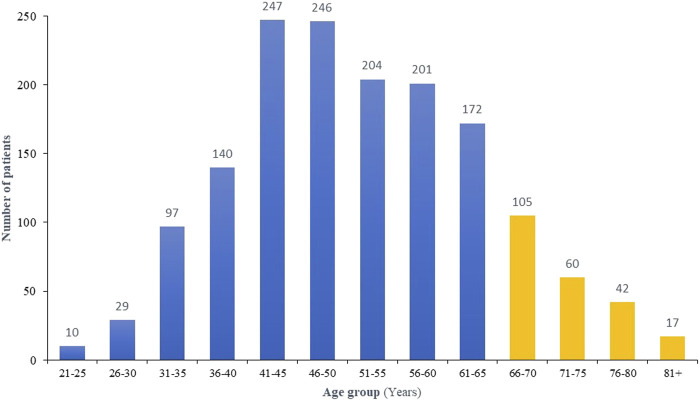 Figure 1
Peer Reviews
No public reviews on file for this paper yet. If you reviewed it on a platform where reviews are public (OpenReview, ICLR, NeurIPS, ICML), you can paste yours below so the community can read it here.
Videos
No videos yet. Explain this paper in a talk, walkthrough, or lecture? Add one.
Taxonomy
TopicsBRCA gene mutations in cancer · PARP inhibition in cancer therapy · Genomics and Rare Diseases