Intraoperative methylene blue testing for female urethral diverticulum: diagnostic value and surgical outcomes
Lateefa Aldakhil

TL;DR
This study shows that using methylene blue during cystourethroscopy helps accurately diagnose and locate female urethral diverticulum, leading to better surgical outcomes.
Contribution
The study introduces methylene blue as a low-cost, effective intraoperative tool for diagnosing female urethral diverticulum.
Findings
Methylene blue testing had 91.7% sensitivity and 100% specificity for diagnosing urethral diverticulum.
Most diverticula were mid-urethral, and 83.3% of patients achieved complete symptom resolution after surgery.
Complications like recurrence and fistula were successfully managed without new stress incontinence or stricture.
Abstract
Female urethral diverticulum (UD) is a rare and often underdiagnosed condition that mimics other lower urinary tract disorders, leading to diagnostic delays. This study evaluated the clinical presentation, diagnostic accuracy, and surgical outcomes of methylene blue-assisted cystourethroscopy as an adjunct tool in confirming and localizing UD. Fifteen female patients suspected of UD between 2015 and 2025 were retrospectively reviewed. All underwent cystourethroscopy with intraoperative methylene blue dye injection. Diagnostic findings were correlated with final histopathology, and surgical outcomes were assessed following transvaginal diverticulectomy. Twelve patients (80%) had histologically confirmed UD, while three had non-diverticular lesions (two Skene’s gland cysts and one vaginal mucosa cyst). The methylene blue test was positive in 11 of 12 UD cases, yielding 91.7%…
Genes, proteins, chemicals, diseases, species, mutations and cell lines named across the full text — each resolved to its canonical identifier and authoritative record.
Click any figure to enlarge with its caption.
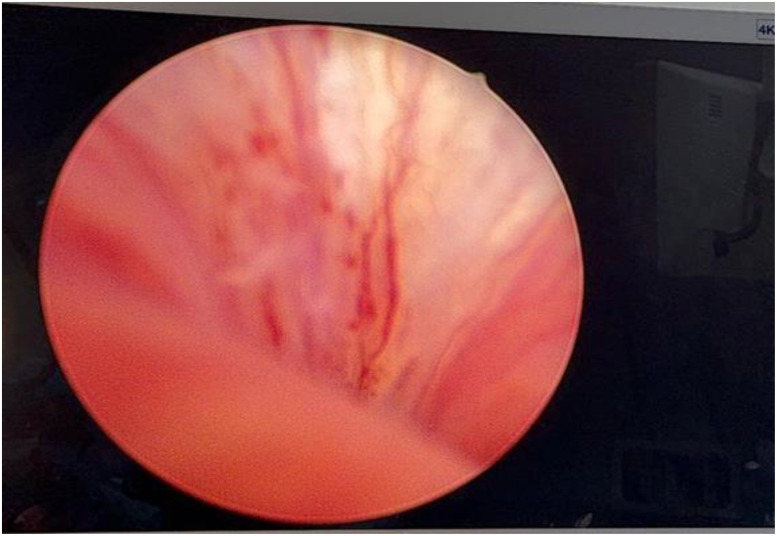 Figure 1
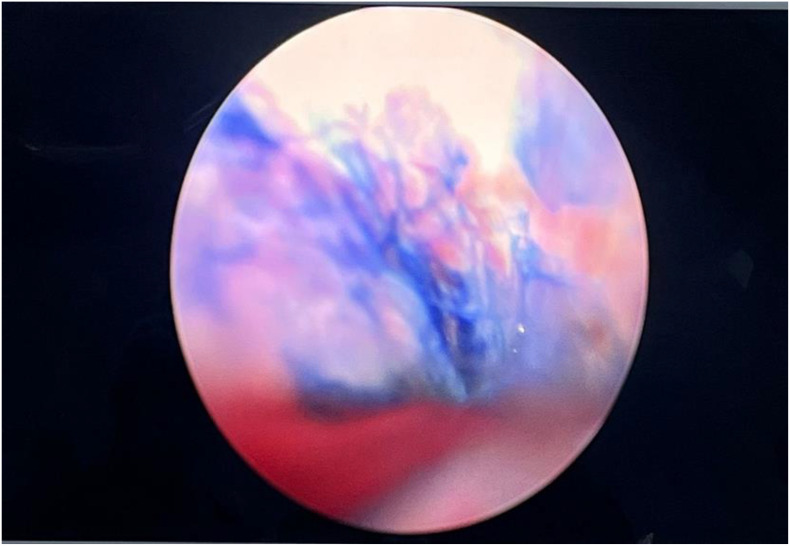 Figure 2
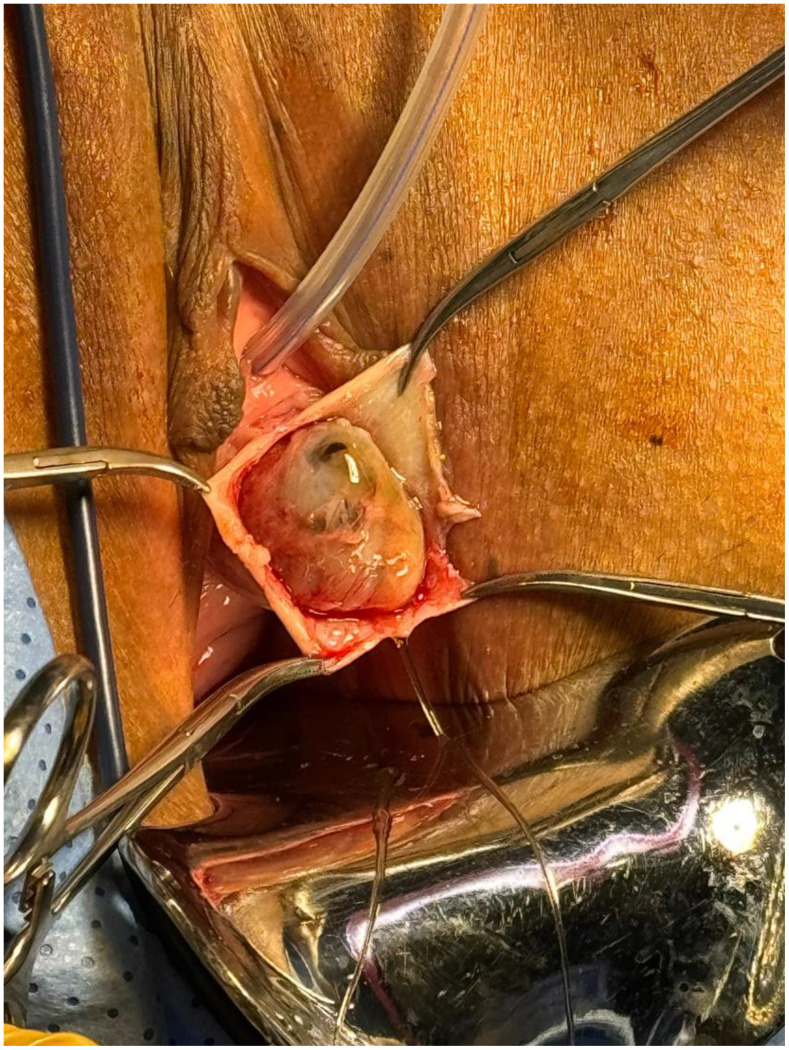 Figure 3
Peer Reviews
No public reviews on file for this paper yet. If you reviewed it on a platform where reviews are public (OpenReview, ICLR, NeurIPS, ICML), you can paste yours below so the community can read it here.
Videos
No videos yet. Explain this paper in a talk, walkthrough, or lecture? Add one.
Taxonomy
TopicsUrinary and Genital Oncology Studies · Urological Disorders and Treatments · Ureteral procedures and complications