Oncorhynchus mykiss silage improves meat fatty acids profile, blood parameters, intestinal histomorphometry, productive performance, and modulates the cecal microbiota of Cavia porcellus
Miguel Arista, Segundo José Zamora-Huamán, José Américo Saucedo-Uriarte, Paul Fernandez-Castro, Niger Maldonado, Loidy Valle, Jakson Ch. Del Solar, Diana L. Arista Vargas, Rainer M. Lopez Lapa, Carlos Torres, Yoany Leiva, Héctor V. Vásquez, Jorge L. Maicelo, William Bardales

TL;DR
Adding rainbow trout silage to guinea pig diets improves meat quality, gut health, and feed efficiency without harming animal health.
Contribution
This study demonstrates the novel use of rainbow trout silage as a sustainable feed ingredient that enhances guinea pig meat quality and productivity.
Findings
Silage inclusion increased monounsaturated fatty acids and DHA in guinea pig meat.
Higher silage levels improved weight gain and feed conversion efficiency.
Cecal microbiota composition changed with silage consumption, though diversity remained stable.
Abstract
The use of rainbow trout silage represents an alternative for the feeding of domestic species such as guinea pigs with a circular economy approach. The objective of this study was to evaluate the effect of Oncorhynchus mykiss silage in the diet of Cavia porcellus on the fatty acid profile of the meat, blood parameters, intestinal histomorphometry, productive performance, and cecal microbiota. Thirty-three weaned male guinea pigs of the Peru breed were used, distributed in three treatments: T0 (0%), T1 (4%), and T2 (8% silage inclusion in the diet), with 11 replicates each. The inclusion of silage in the diets significantly modified the lipid profile of the meat, increasing monounsaturated fatty acids and docosahexaenoic acid (DHA, C22:6) (p < 0.001) compared to T0. No changes were observed in most hematological and biochemical parameters, with the exception of mean platelet volume (MPV)…
Genes, proteins, chemicals, diseases, species, mutations and cell lines named across the full text — each resolved to its canonical identifier and authoritative record.
Click any figure to enlarge with its caption.
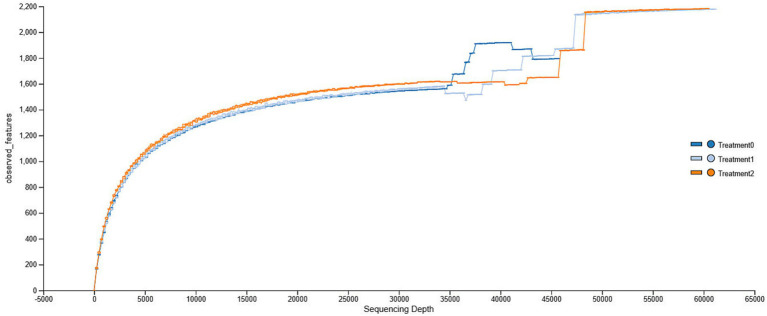 Figure 1
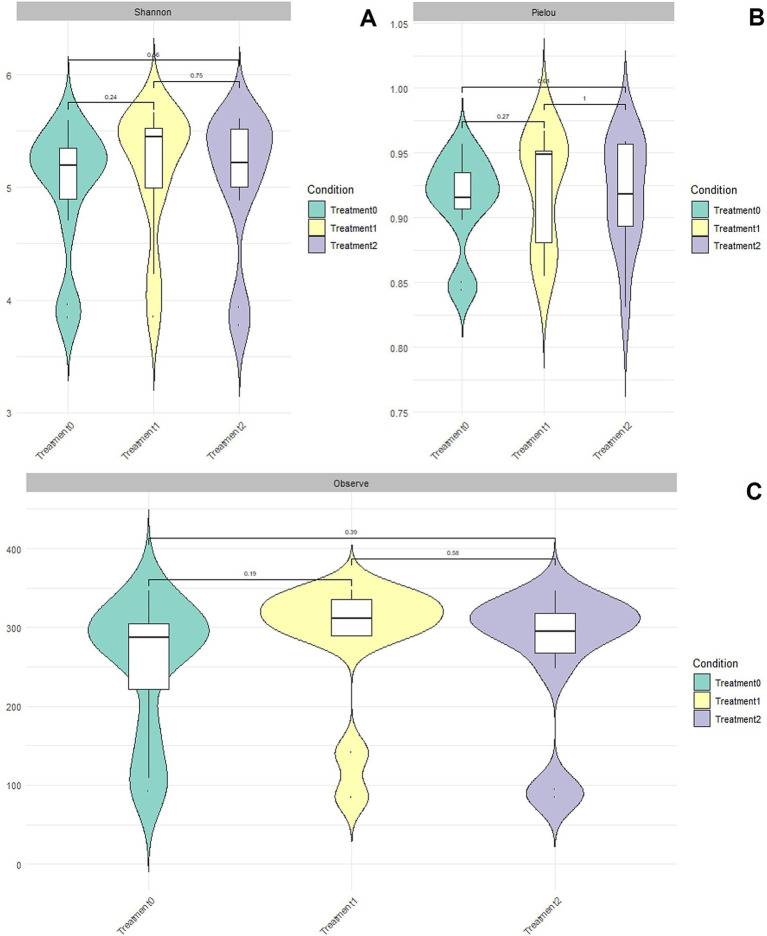 Figure 2
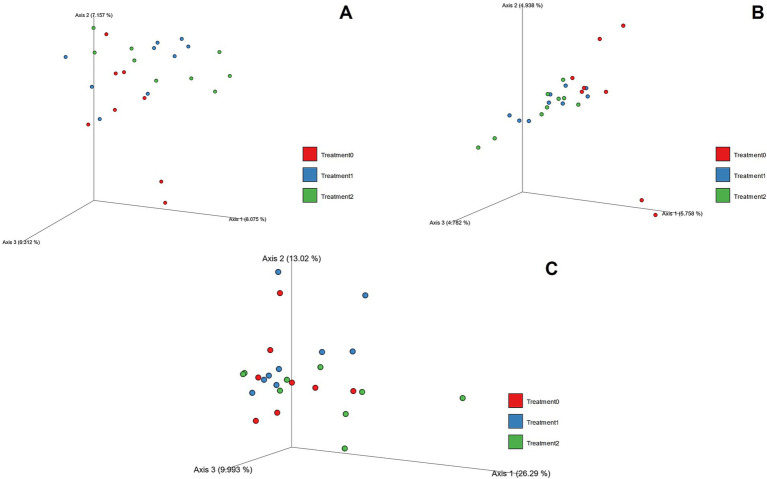 Figure 3
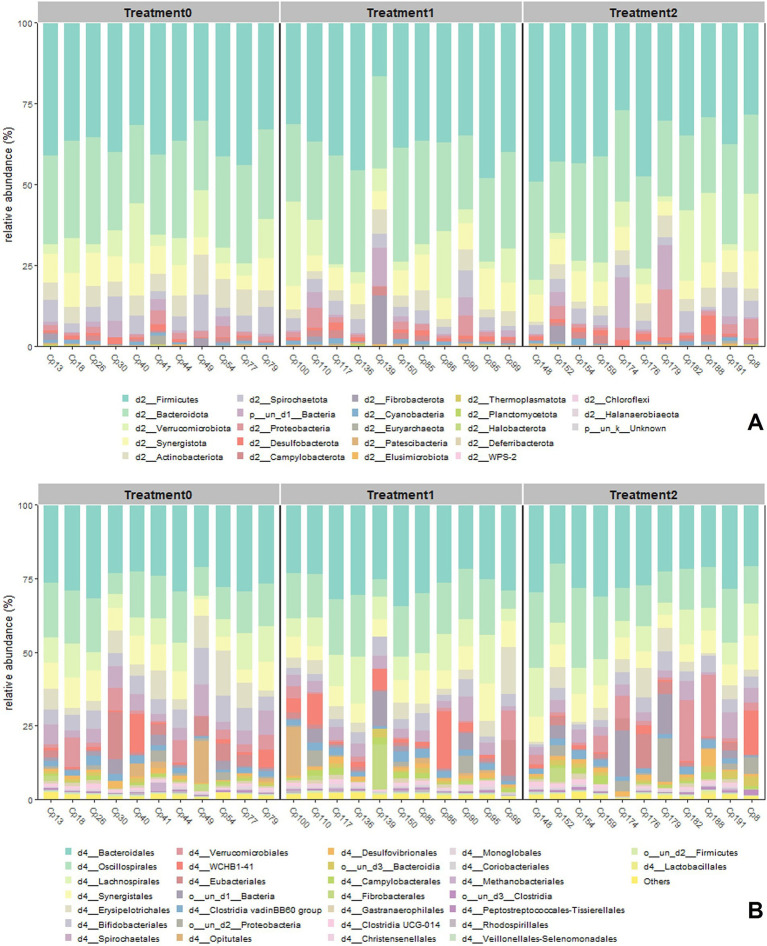 Figure 4
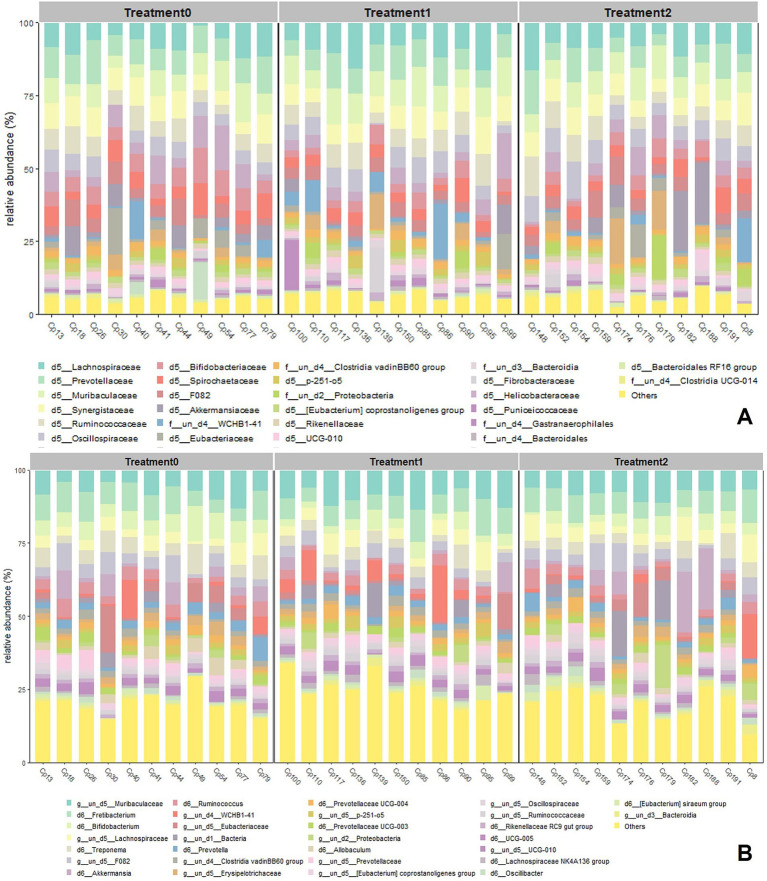 Figure 5
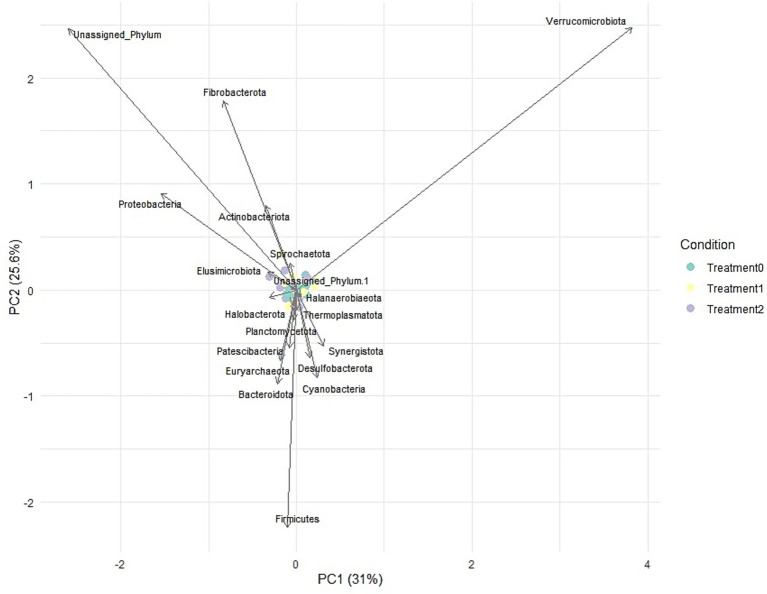 Figure 6
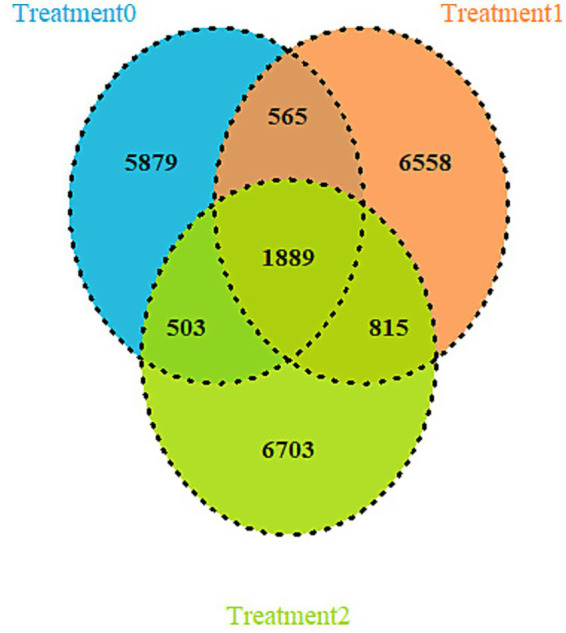 Figure 7
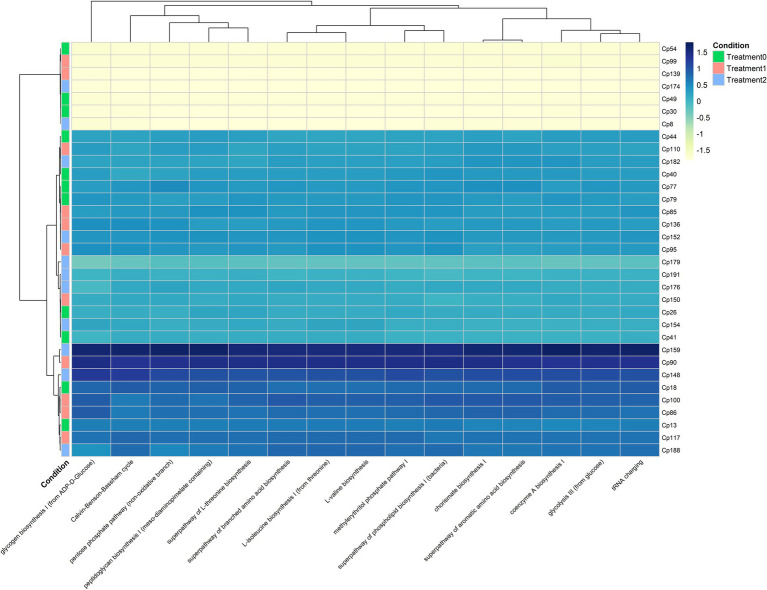 Figure 8
Peer Reviews
No public reviews on file for this paper yet. If you reviewed it on a platform where reviews are public (OpenReview, ICLR, NeurIPS, ICML), you can paste yours below so the community can read it here.
Videos
No videos yet. Explain this paper in a talk, walkthrough, or lecture? Add one.
Taxonomy
TopicsRabbits: Nutrition, Reproduction, Health · Animal Nutrition and Physiology · Ruminant Nutrition and Digestive Physiology