Clinical efficacy and safety of umbralisib, a dual PI3Kδ/CK1-ϵ inhibitor, in treatment of hematologic malignancies
Yunke Zang, Hai-en Cheng, Yanhua Sun, Jingfei Wang, Yuying Zhao, Jingning Yang, Yongping Liu, Yanli Sun

TL;DR
This study evaluates the effectiveness and safety of umbralisib, a drug for blood cancers, finding that combination therapy improves results and reduces severe side effects.
Contribution
The study provides the first systematic evaluation of umbralisib's clinical efficacy and safety in hematologic malignancies.
Findings
Umbralisib monotherapy is associated with frequent hematologic and non-hematologic adverse events.
Combination therapy with umbralisib shows higher response rates and fewer severe toxicities.
Umbralisib demonstrates clinical activity in MZL, FL, and DLBCL.
Abstract
Umbralisib, a dual PI3Kδ/CK-1ϵ inhibitor, has shown clinical activity in various hematologic malignancies. However, a systematic assessment of its efficacy and safety is still lacking. This study provides a comprehensive evaluation based on current clinical evidence. A comprehensive search was conducted in PubMed, Embase, Web of Science, CNKI, and ClinicalTrials.gov for studies involving umbralisib in hematologic malignancies (up to March 14, 2025). Two investigators independently screened eligible studies and extracted data. Efficacy outcomes and adverse events (AEs) were analyzed using meta-analytic methods. The review protocol was registered in PROSPERO (registration number: CRD420251018098). Umbralisib monotherapy was associated with frequent hematologic AEs such as thrombocytopenia, neutropenia, and anemia, along with common non-hematologic toxicities including diarrhea, nausea,…
Genes, proteins, chemicals, diseases, species, mutations and cell lines named across the full text — each resolved to its canonical identifier and authoritative record.
Click any figure to enlarge with its caption.
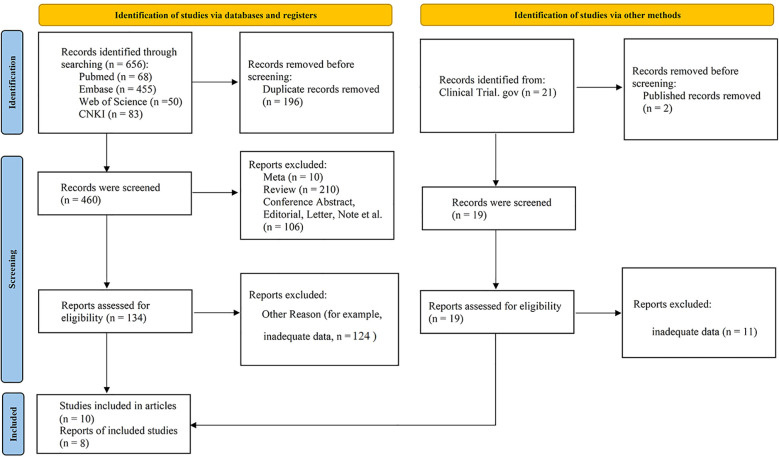 Figure 1
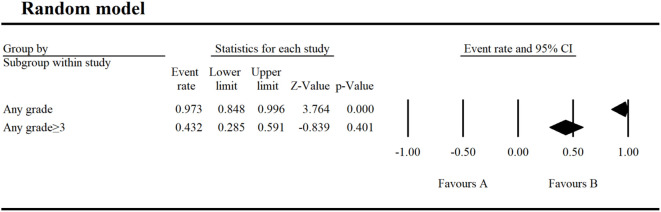 Figure 2
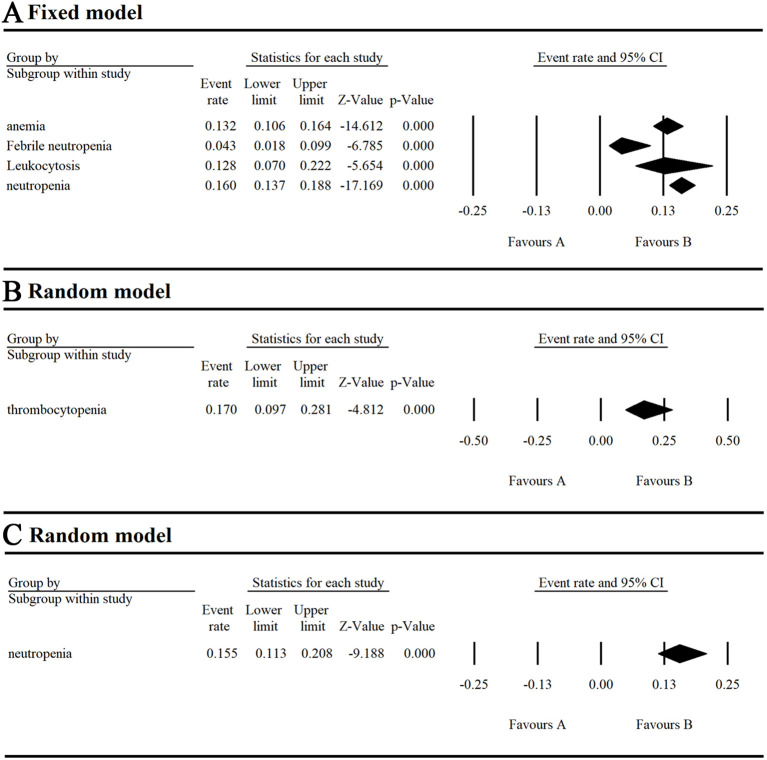 Figure 3
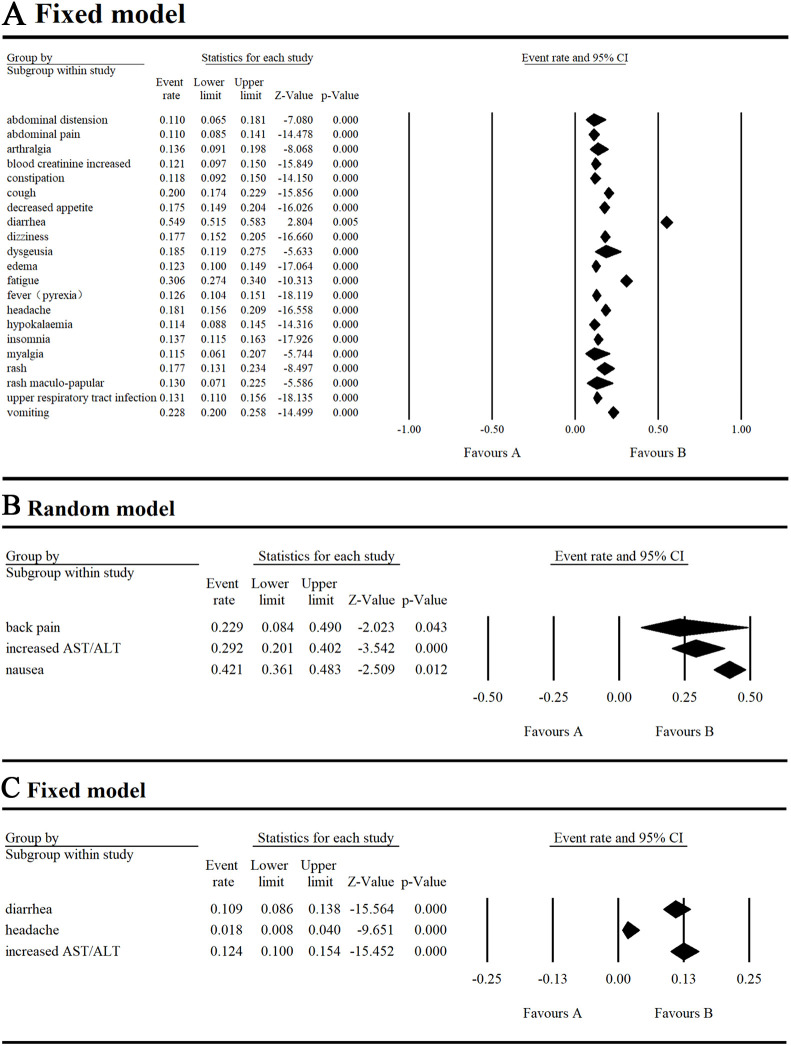 Figure 4
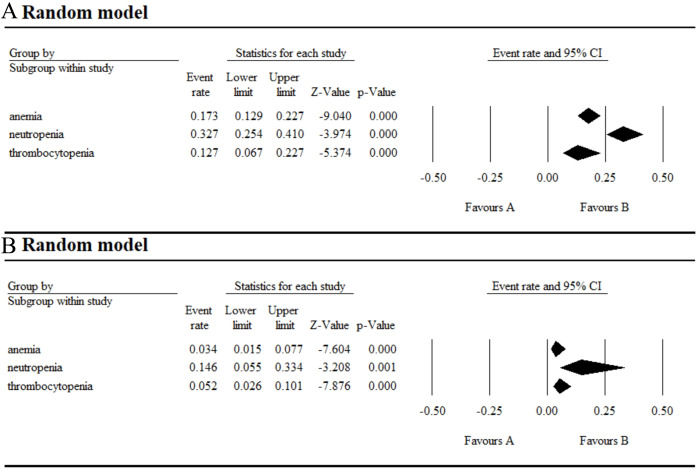 Figure 5
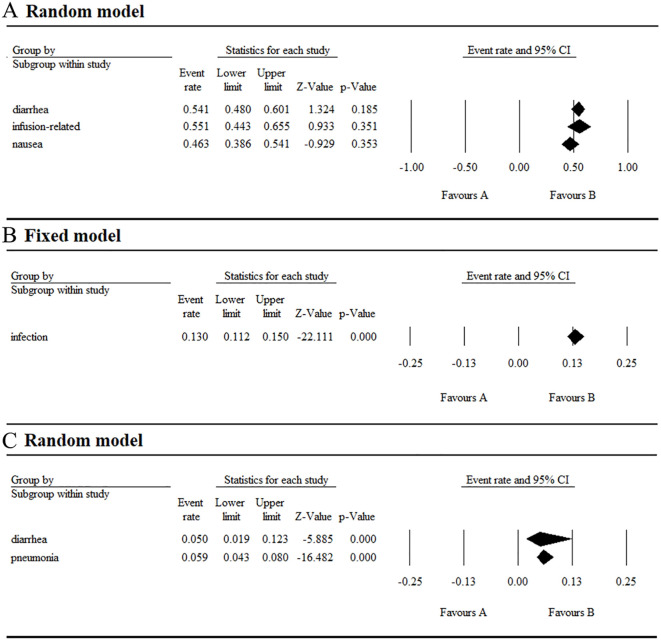 Figure 6
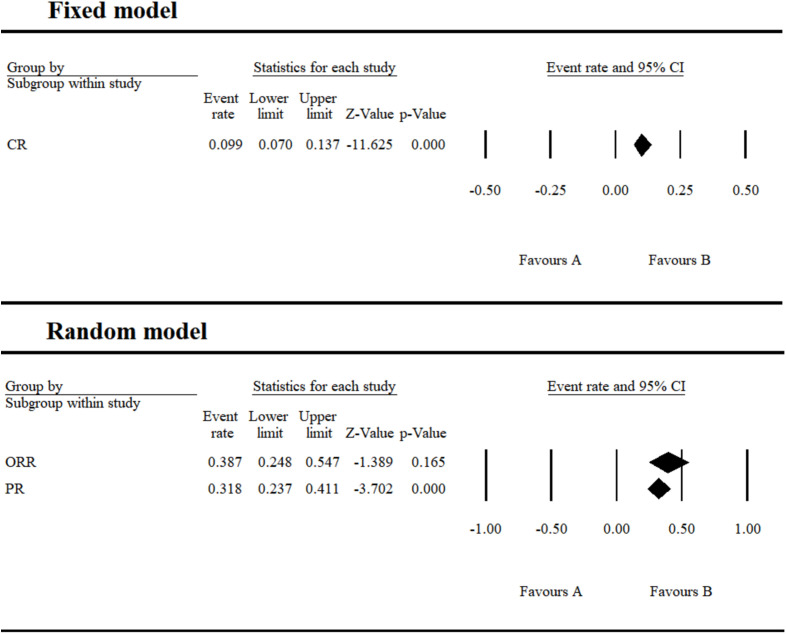 Figure 7
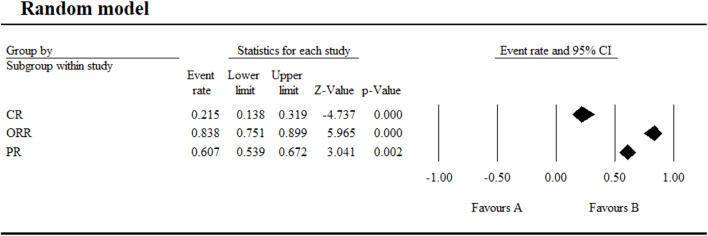 Figure 8
Peer Reviews
No public reviews on file for this paper yet. If you reviewed it on a platform where reviews are public (OpenReview, ICLR, NeurIPS, ICML), you can paste yours below so the community can read it here.
Videos
No videos yet. Explain this paper in a talk, walkthrough, or lecture? Add one.
Taxonomy
TopicsPI3K/AKT/mTOR signaling in cancer · Chronic Lymphocytic Leukemia Research · Acute Myeloid Leukemia Research