LAMA2 variants associated with muscular dystrophy, brain structural abnormalities, and epilepsy: a genotype-phenotype study
Jian Zha, Ying Yu, Fangfang Cao, Zhaoshi Yi, Huaping Wu, Yong Chen, Jianmin Zhong, Xiongying Yu

TL;DR
This study explores the genetic and clinical features of LAMA2-related muscular dystrophy, linking specific gene variants to symptoms like muscle weakness, brain abnormalities, and epilepsy.
Contribution
The study provides new genotype-phenotype correlations for LAMA2-MD, highlighting variant types and their clinical implications.
Findings
All patients had compound heterozygous LAMA2 gene variants and showed delayed motor milestones and muscle weakness.
Stop-gain variants were linked to complete merosin deficiency, while missense variants correlated with late-onset symptoms.
MRI showed white matter abnormalities in four patients, and seizures were observed in three school-aged individuals.
Abstract
LAMA2-related congenital muscular dystrophy (LAMA2-MD) is a genetically heterogeneous disorder defined by progressive muscle weakness, brain structural abnormalities, epilepsy, and multisystem involvement. The primary goal of this study was to characterize the clinical features, temporal progression, and genotype-phenotype correlations of LAMA2-MD. Medical records of patients with genetically confirmed LAMA2-MD were extracted from a clinical data repository and analyzed retrospectively. Clinical manifestations, laboratory findings, and neuroimaging features were systematically reviewed and compared across different age groups. Variant data were retrieved from public databases to perform comprehensive genetic analyses. A total of five patients (two males and three females) were enrolled, delayed motor milestones and varying degrees of ankle contractures and persistent motor impairment…
Genes, proteins, chemicals, diseases, species, mutations and cell lines named across the full text — each resolved to its canonical identifier and authoritative record.
Click any figure to enlarge with its caption.
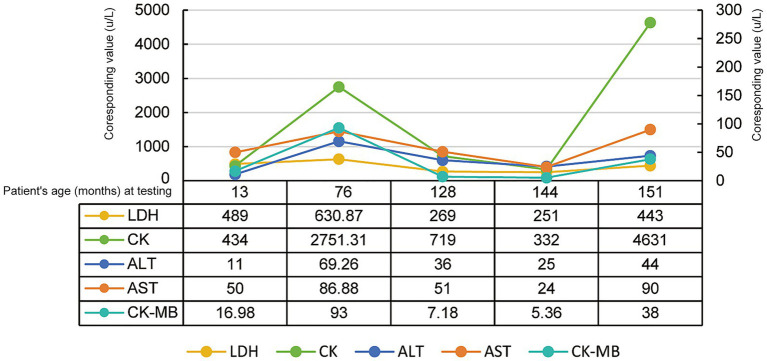 Figure 1
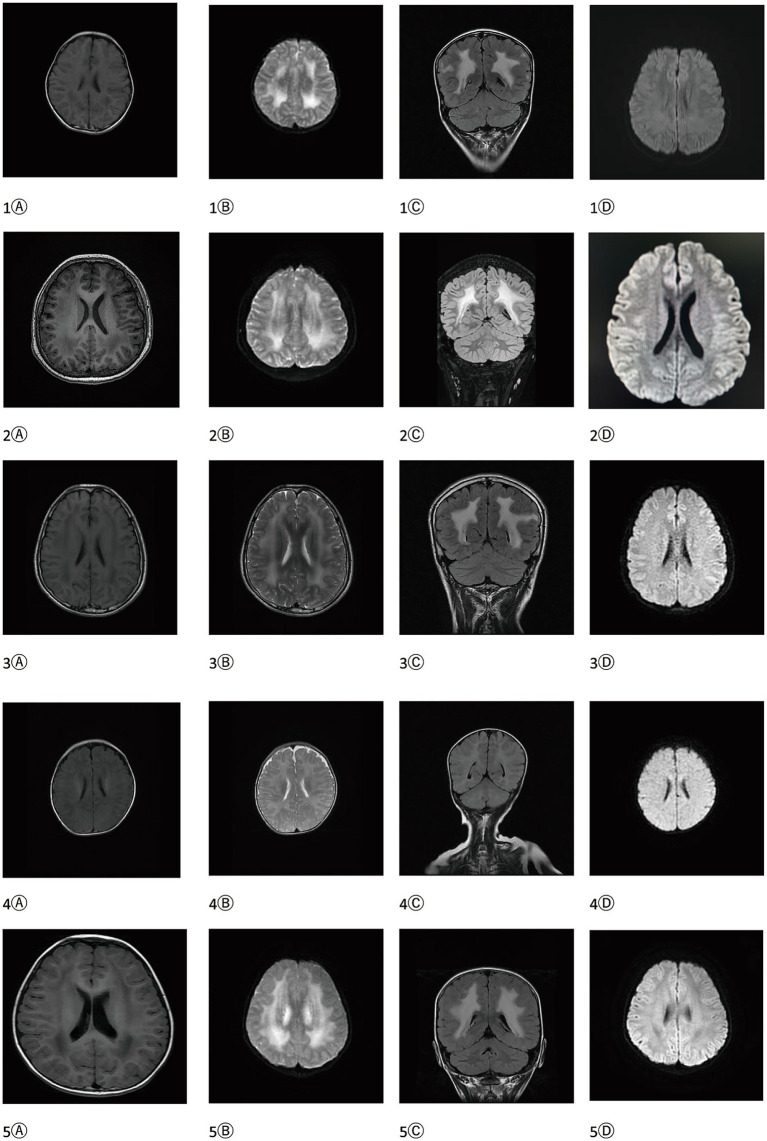 Figure 2
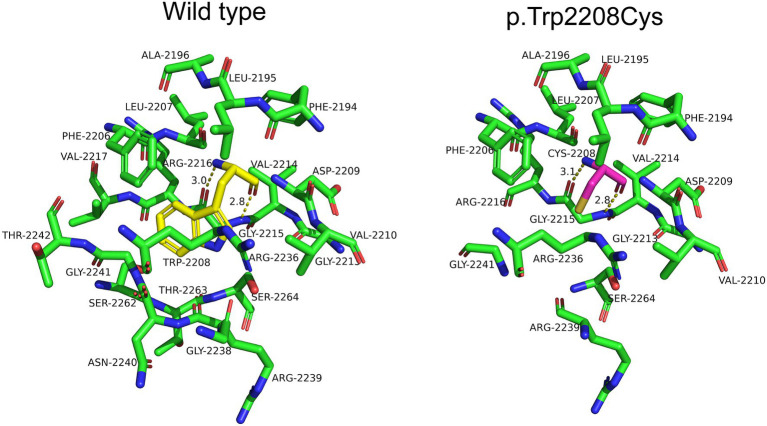 Figure 3
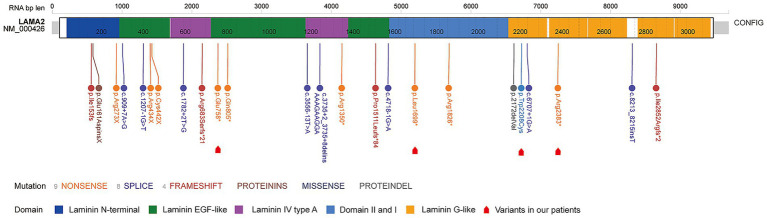 Figure 4
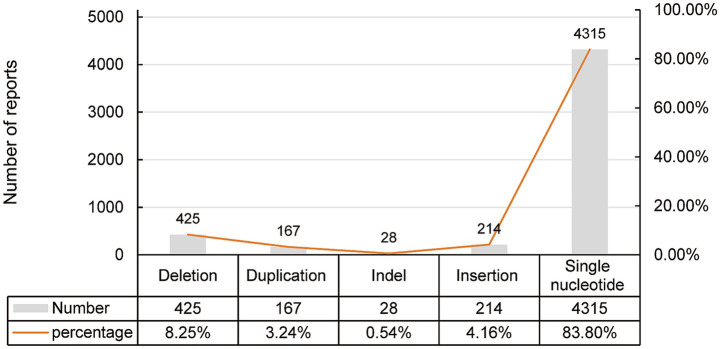 Figure 5
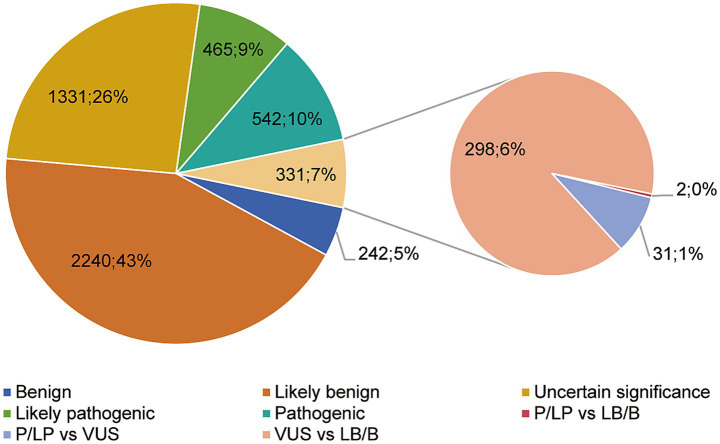 Figure 6
Peer Reviews
No public reviews on file for this paper yet. If you reviewed it on a platform where reviews are public (OpenReview, ICLR, NeurIPS, ICML), you can paste yours below so the community can read it here.
Videos
No videos yet. Explain this paper in a talk, walkthrough, or lecture? Add one.
Taxonomy
TopicsCell Adhesion Molecules Research · Cellular Mechanics and Interactions · Muscle Physiology and Disorders