Ulcerative colitis model triggers gut α-Synuclein aggregation without brain involvement or neuronal loss in female rats
Ana María Espinosa-Oliva, María Dolores Vázquez-Carretero, Rocío Ruiz, María A. Roca-Ceballos, Pablo García-Miranda, María José Peral, Manuel Sarmiento Soto, Antonio J. Herrera, José Luis Venero, Rocío M. de Pablos

TL;DR
A model of ulcerative colitis in female rats shows gut α-synuclein changes but no brain effects, highlighting sex differences in Parkinson's disease models.
Contribution
The study reveals sex-specific differences in a PD model, showing no brain pathology in females despite gut changes.
Findings
DSS treatment caused similar colonic inflammation and α-synuclein accumulation in both male and female rats.
Female rats did not show α-synuclein aggregation or neuronal loss in the substantia nigra.
Sex differences in PD pathogenesis were emphasized, with implications for models and clinical practice.
Abstract
Despite being the second most common neurodegenerative disorder, the mechanisms underlying the onset and progression of Parkinson’s disease (PD) remain poorly understood, and no curative treatment is currently available. The Braak hypothesis offers an intriguing framework for explaining both the origin and development of the disease, proposing that PD begins in the gut and subsequently spreads to the brain. In previous studies, our group developed a novel PD model in which peripheral inflammation, triggered by administering dextran sodium sulphate (DSS) in the drinking water of male Wistar rats, recapitulates key features of PD in both the gut and the brain. This model supports the Braak hypothesis and highlights the relevance of the gut-brain axis. Using the same model, the present study aimed to determine whether sex influences peripheral inflammation and the resulting neuropathology…
Genes, proteins, chemicals, diseases, species, mutations and cell lines named across the full text — each resolved to its canonical identifier and authoritative record.
Click any figure to enlarge with its caption.
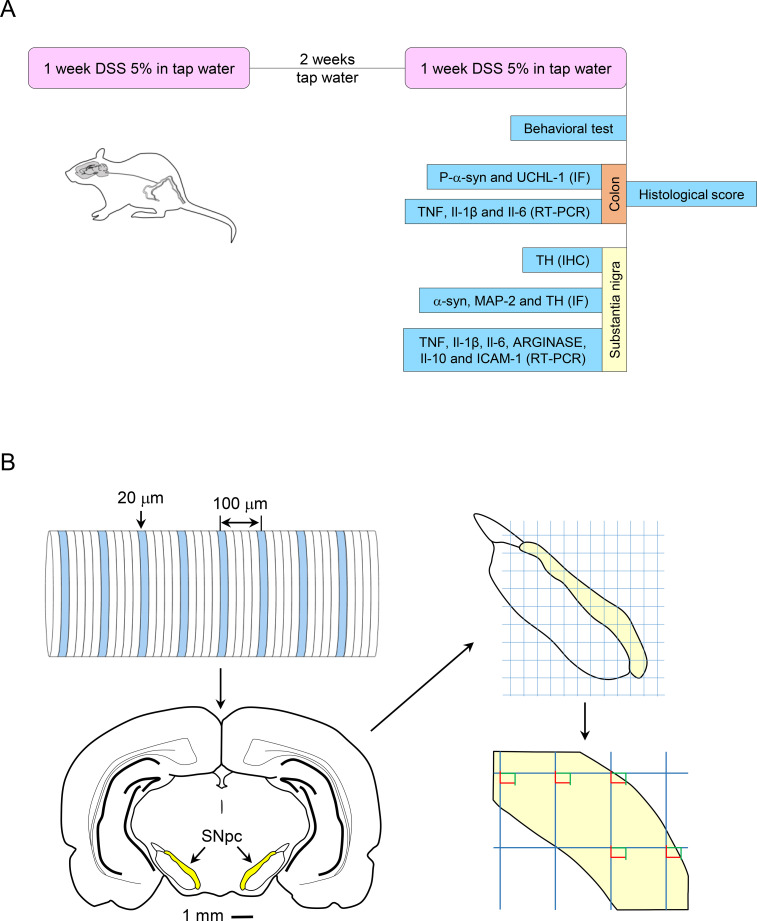 Figure 1
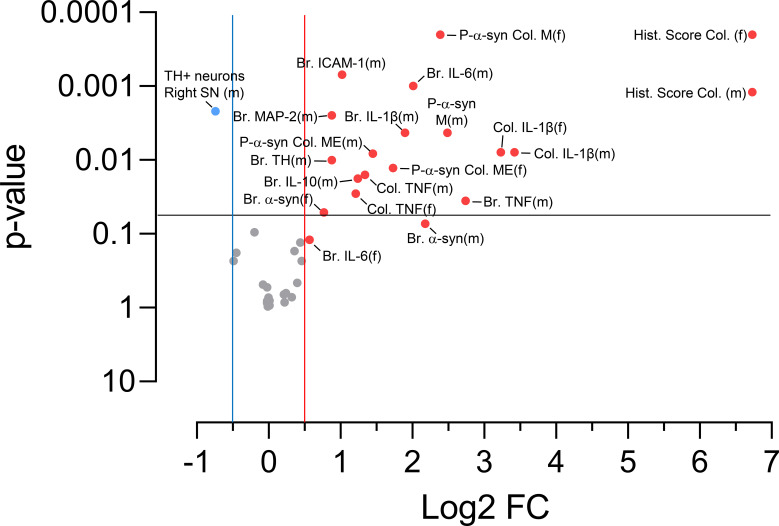 Figure 2
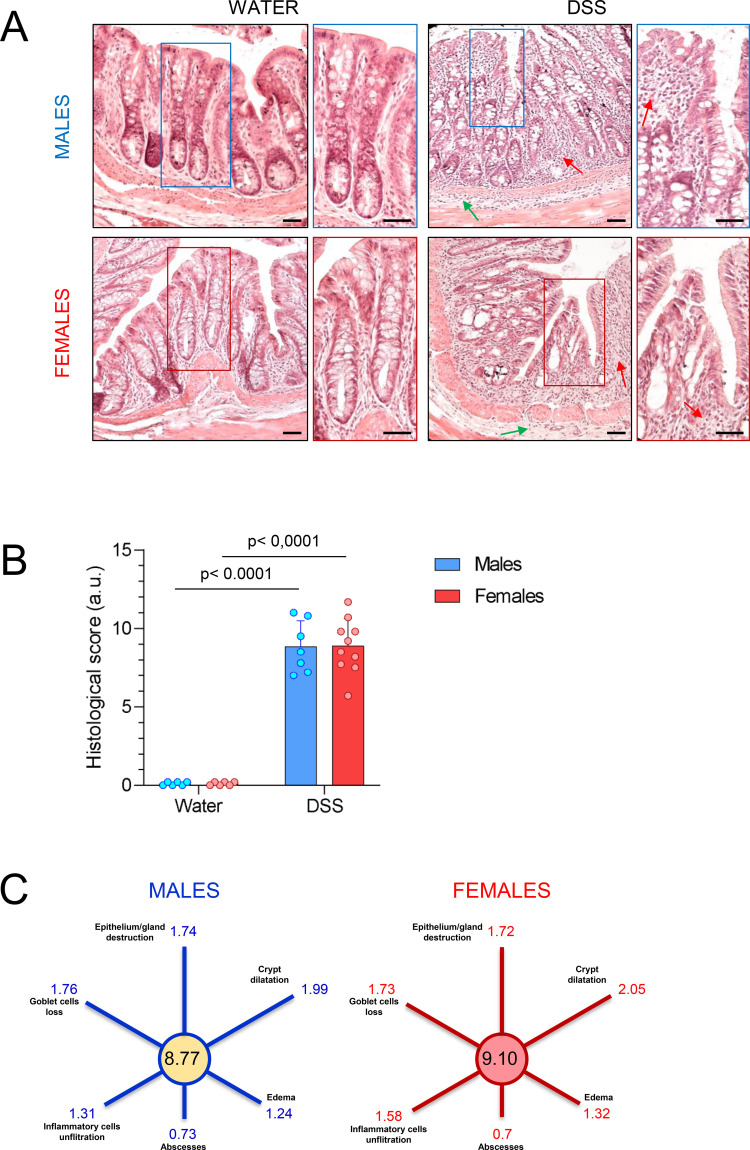 Figure 3
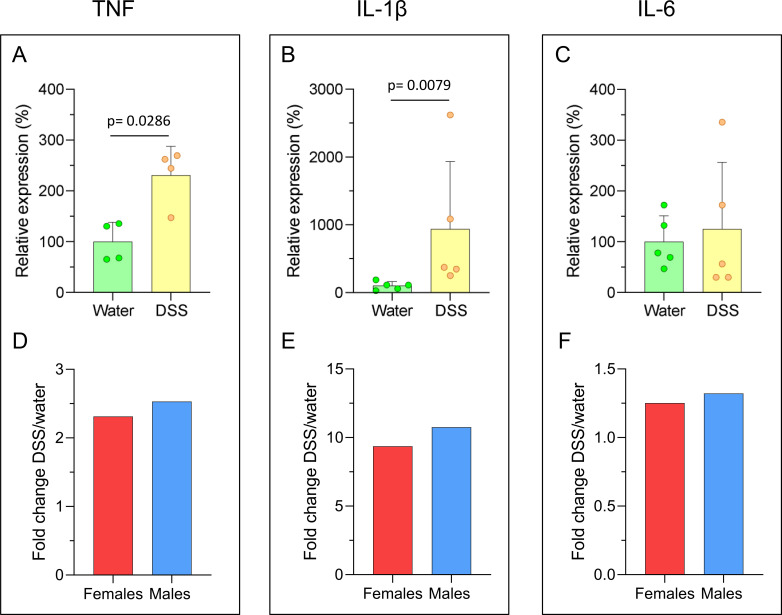 Figure 4
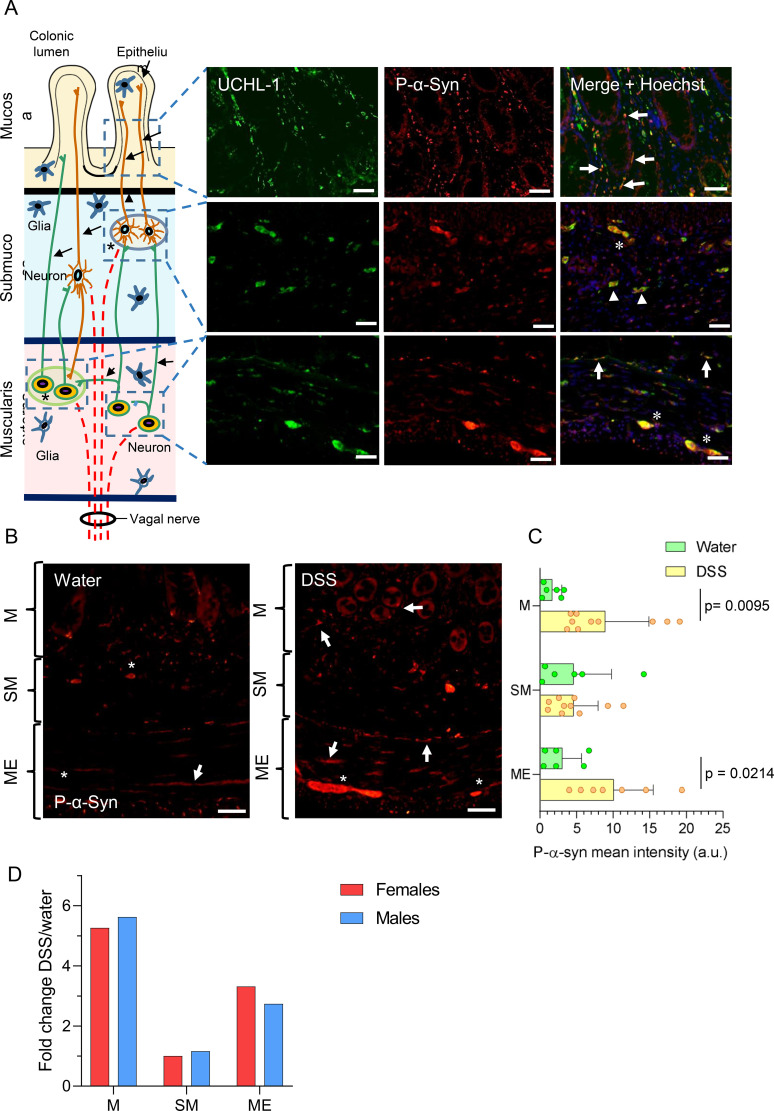 Figure 5
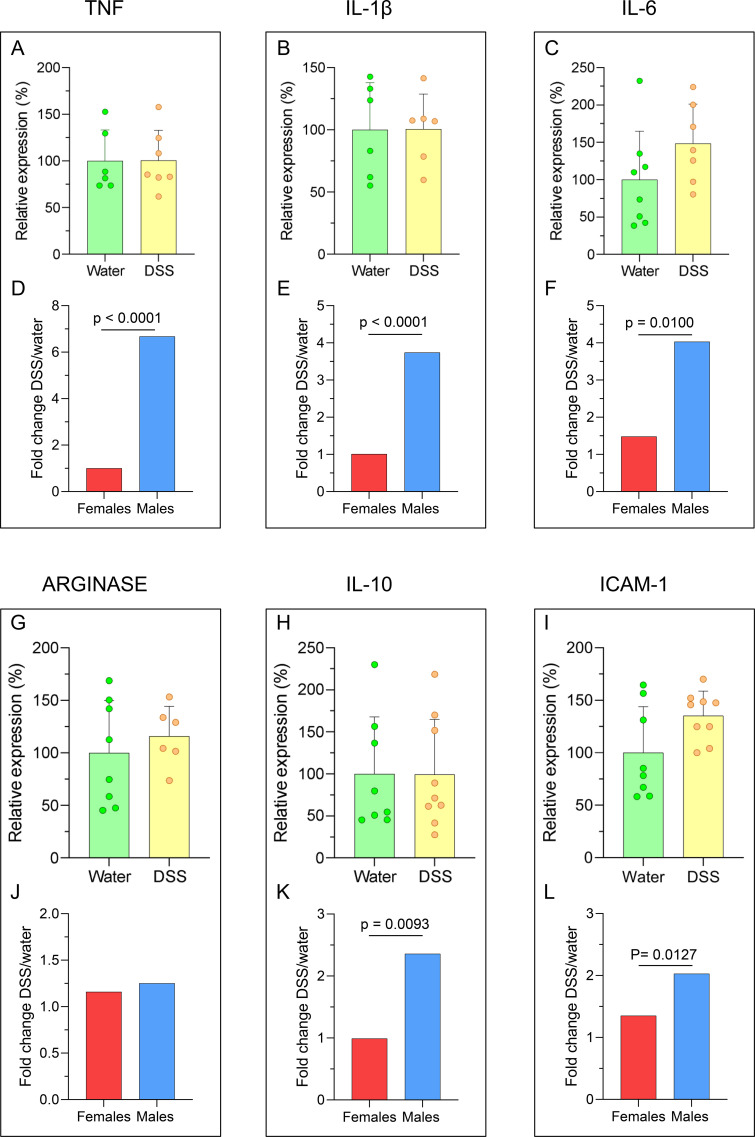 Figure 6
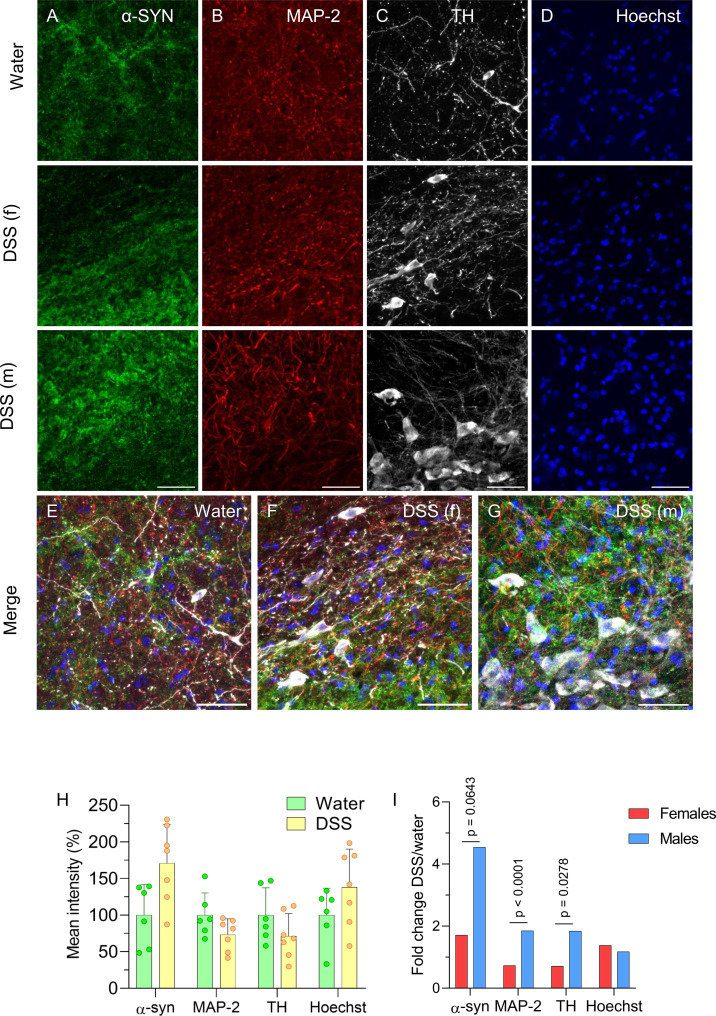 Figure 7
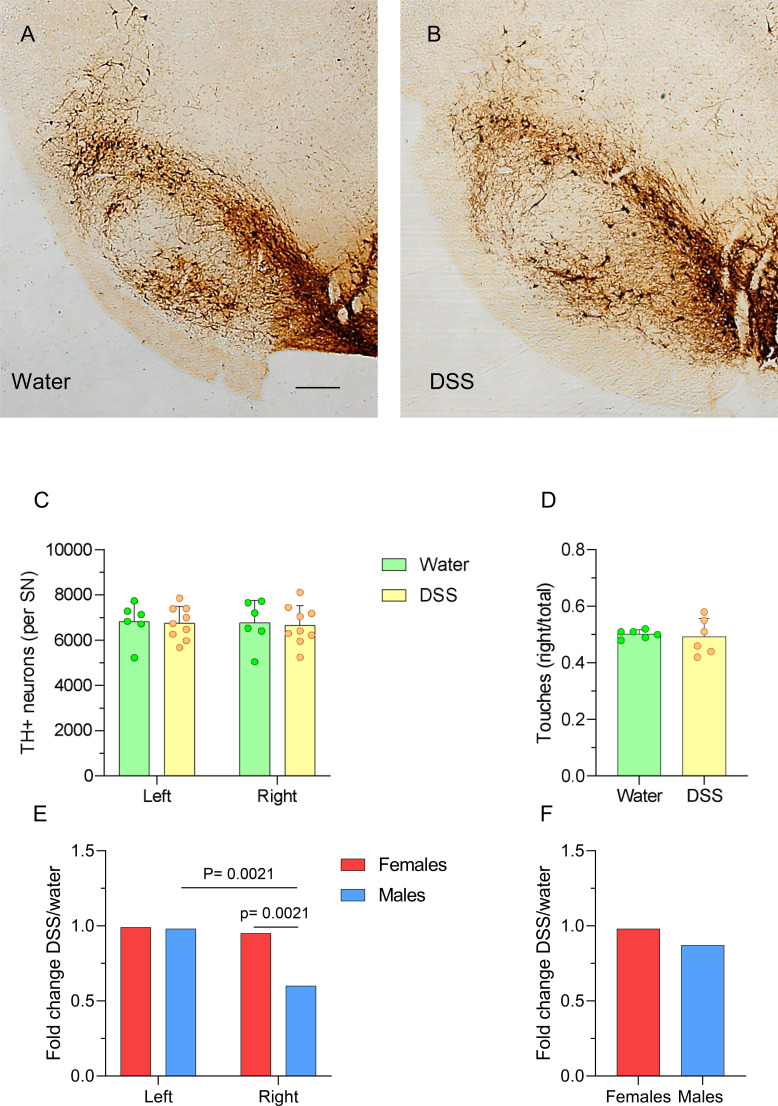 Figure 8
Peer Reviews
No public reviews on file for this paper yet. If you reviewed it on a platform where reviews are public (OpenReview, ICLR, NeurIPS, ICML), you can paste yours below so the community can read it here.
Videos
No videos yet. Explain this paper in a talk, walkthrough, or lecture? Add one.
Taxonomy
TopicsParkinson's Disease Mechanisms and Treatments · Gastrointestinal motility and disorders · Inflammatory Bowel Disease