Elaborating the molecular characteristics of corals’ different tolerance to environmental stress in Sanya Luhuitou based on multi-omics analysis
Xiaoyu Tang, Xiangrui Guo, Hanzhang Wang, Qingsong Yang, Ying Zhang, Juan Ling, Hao Sun, Junde Dong, Yanying Zhang

TL;DR
This study compares how different types of corals handle environmental stress using multi-omics techniques to identify molecular differences in their stress responses.
Contribution
The study reveals novel molecular characteristics and mechanisms that distinguish the environmental stress tolerance of branching versus massive corals.
Findings
Massive corals have more beneficial bacteria and higher amino acid metabolism genes, contributing to greater stress tolerance.
Branching corals have more stress-related genes and metabolites like LysoPC (15:0), but lower stress resistance overall.
Pathogenic bacteria are more prevalent in branching corals compared to massive corals.
Abstract
The resistance to environmental perturbations varies significantly among coral species. Corals are holobionts that are symbiotic with dinoflagellates and microbiomes, which makes their physiological responses to environmental stress complex. In order to restore coral reefs, it is essential to discover the molecular characteristics associated with coral environmental stress tolerance and to understand the molecular mechanisms that contribute to physiological adaptation. Using high throughput 16S rRNA gene sequencing, combined with transcriptome, proteome, and metabolome analyses, we analyzed the differences in coral associated bacterial communities between the branching coral (Pocillopora damicornis) and massive corals (Porites lutea and Galaxea fascicularis), as well as the profiling of environmental stress resistance related genes, proteins and metabolites in these coral species. The…
Genes, proteins, chemicals, diseases, species, mutations and cell lines named across the full text — each resolved to its canonical identifier and authoritative record.
Click any figure to enlarge with its caption.
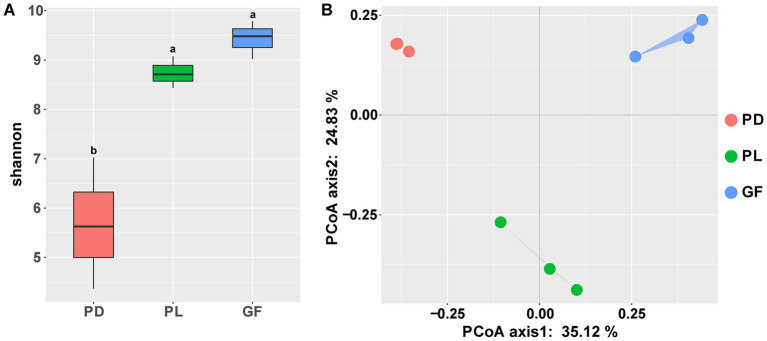 Figure 1
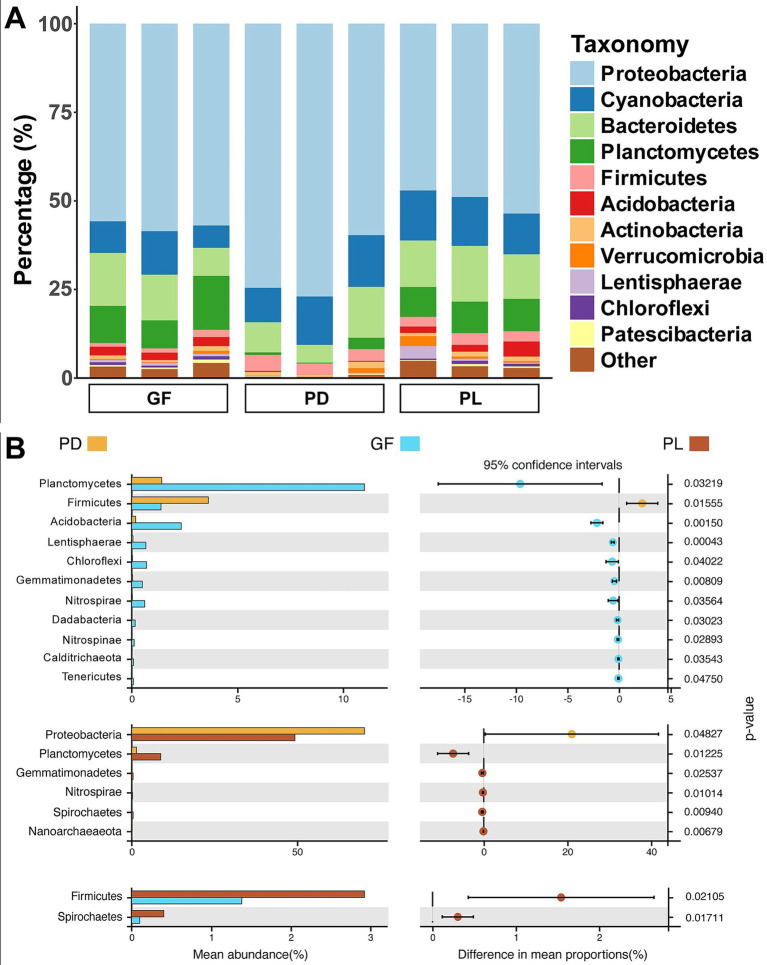 Figure 2
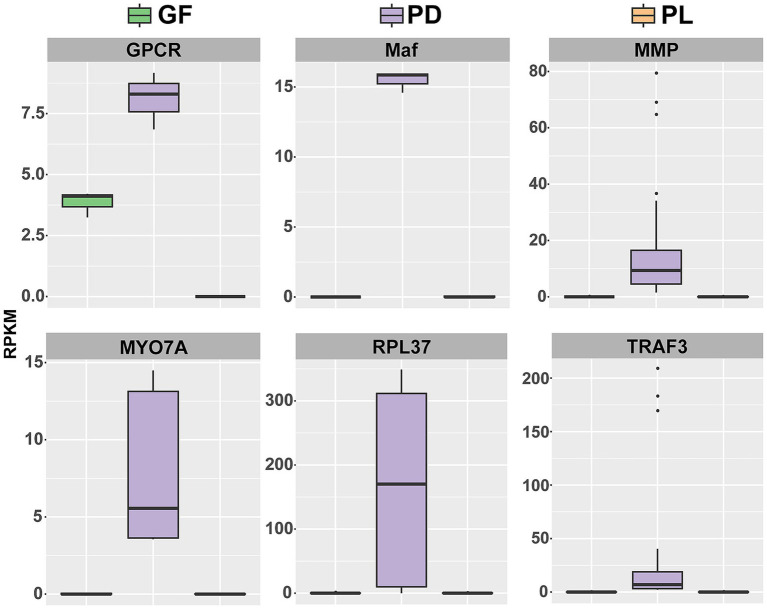 Figure 3
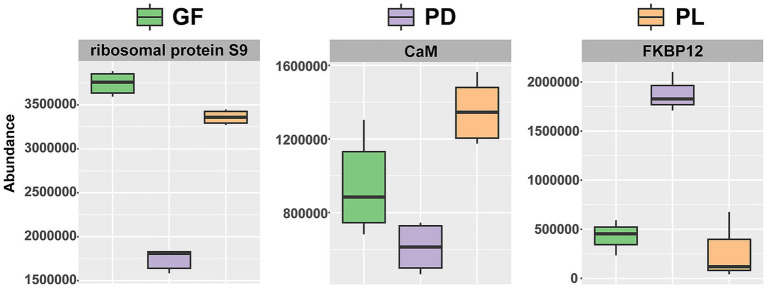 Figure 4
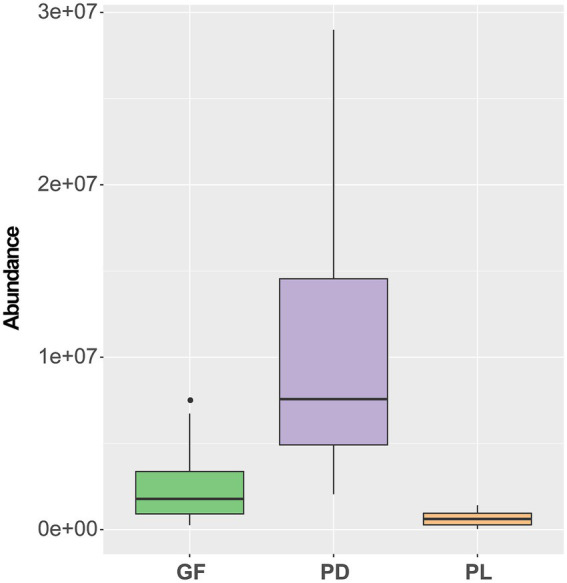 Figure 5
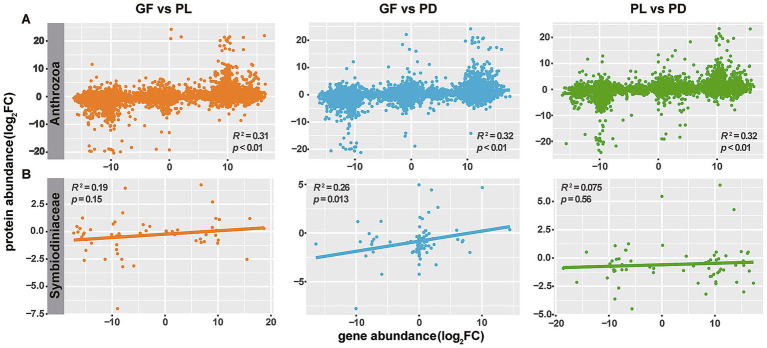 Figure 6
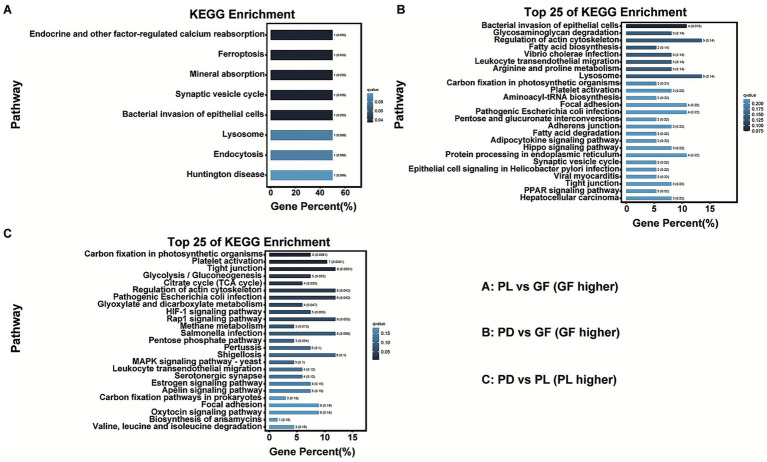 Figure 7
Peer Reviews
No public reviews on file for this paper yet. If you reviewed it on a platform where reviews are public (OpenReview, ICLR, NeurIPS, ICML), you can paste yours below so the community can read it here.
Videos
No videos yet. Explain this paper in a talk, walkthrough, or lecture? Add one.
Taxonomy
TopicsCoral and Marine Ecosystems Studies · Microbial Community Ecology and Physiology · Marine Sponges and Natural Products