Heavy adolescent drinking makes the adult brain more vulnerable to ethanol by permanently altering the age-dependent interplay between alcohol, GIRK channels and activin
Sophia Stürzenberger, Nicolas Bülow, Liubov S. Kalinichenko, Rebecca Licha, Volker Eulenburg, Marc Dahlmanns, Christian P. Müller, Fang Zheng, Christian Alzheimer

TL;DR
Heavy drinking during adolescence makes the adult brain more sensitive to alcohol by permanently altering how alcohol interacts with specific brain channels and proteins.
Contribution
The study reveals how adolescent binge drinking disrupts the age-dependent interaction between alcohol, GIRK channels, and activin A, leading to lasting ethanol sensitivity.
Findings
Activin A reduces ethanol-evoked GIRK current in adult mice but enhances it in young mice.
Adolescent binge drinking prevents the normal maturation of the activin A effect on GIRK channels.
Baclofen suppresses the enhanced GIRK response to ethanol after heavy adolescent drinking.
Abstract
Adolescent binge drinking is a risk behavior associated with the development of neuropsychiatric disorders later in life, but the pathophysiological mechanisms rendering the adolescent brain vulnerable to the long-term consequences of heavy alcohol consumption are only partially understood. Here, we used a mouse model of adolescent binge drinking and focussed on G protein-gated inwardly rectifying potassium (GIRK) channels which are a molecular target of both ethanol and the pluripotent growth and differentiation factor activin A. In whole-cell recordings from dentate gyrus granule cells in brain slices from alcohol-naive mice, we found a striking reversal of the effect of activin A on ethanol-evoked GIRK current as the mice matured: Whereas activin A reduced the ethanol response in cells from adult mice, the already lower ethanol threshold in cells from young mice was brought down even…
Genes, proteins, chemicals, diseases, species, mutations and cell lines named across the full text — each resolved to its canonical identifier and authoritative record.
Click any figure to enlarge with its caption.
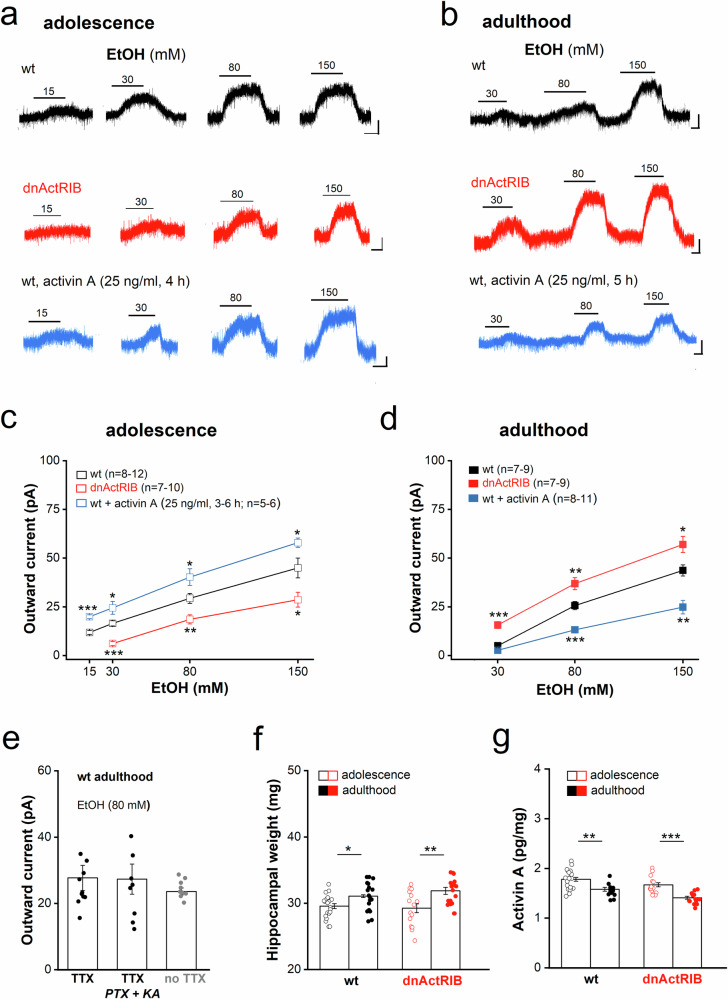 Figure 1
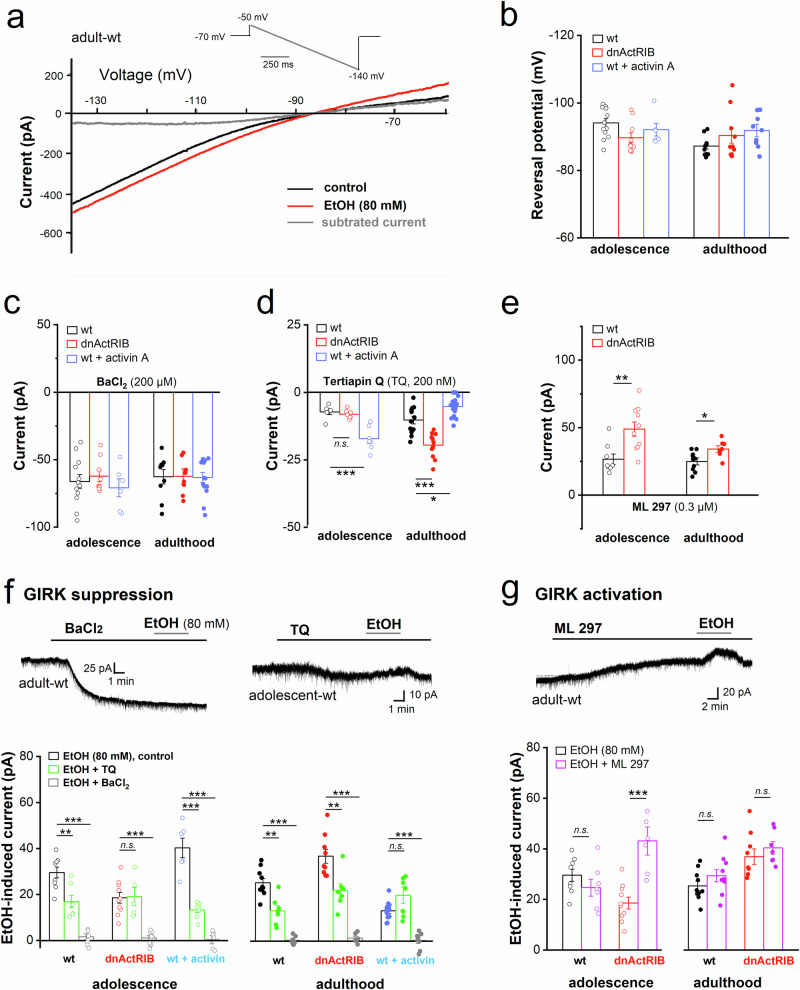 Figure 2
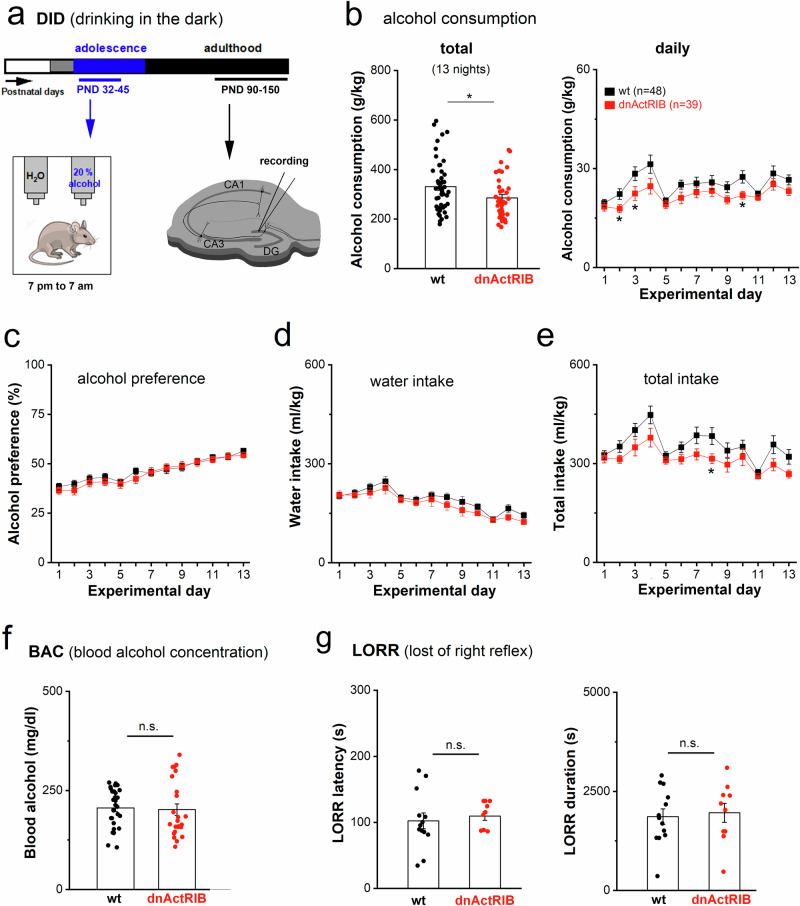 Figure 3
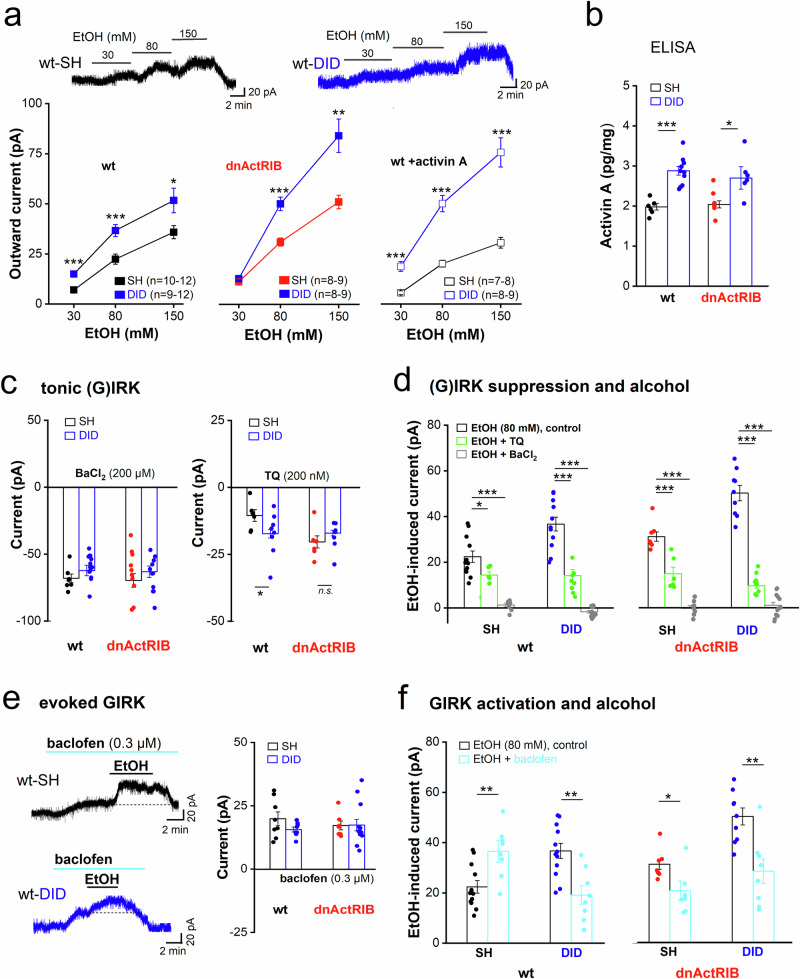 Figure 4
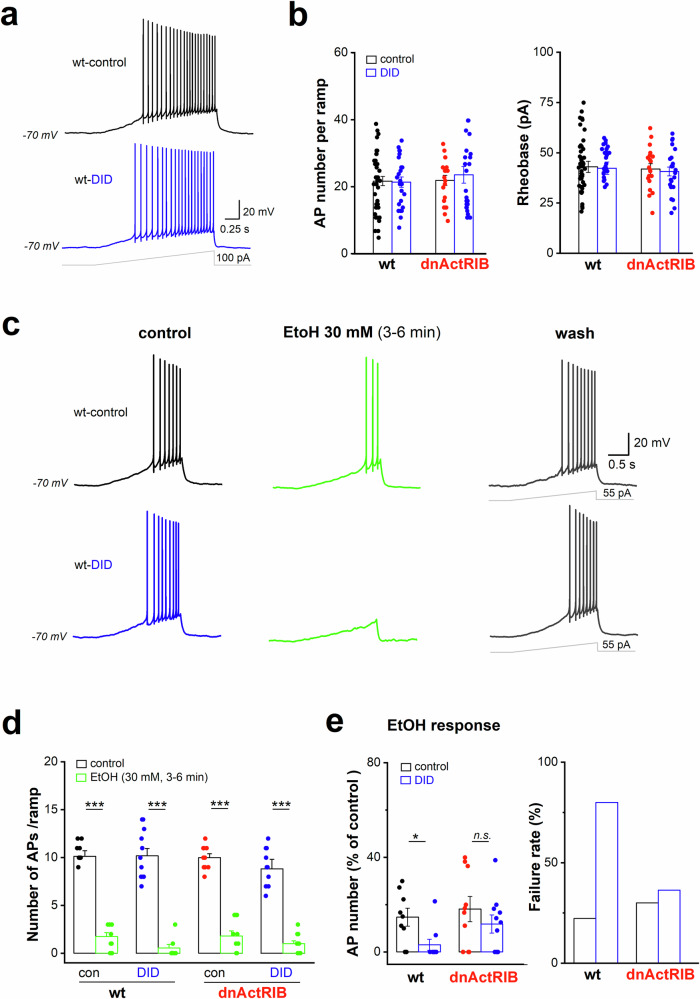 Figure 5
Peer Reviews
No public reviews on file for this paper yet. If you reviewed it on a platform where reviews are public (OpenReview, ICLR, NeurIPS, ICML), you can paste yours below so the community can read it here.
Videos
No videos yet. Explain this paper in a talk, walkthrough, or lecture? Add one.
Taxonomy
TopicsNeurotransmitter Receptor Influence on Behavior · Pancreatic function and diabetes · Zebrafish Biomedical Research Applications