Chromosome centromere copy number amplification associated with exceptional response in HER2-positive metastatic breast cancer patients
Charlotte Andrieu, Jojanneke Stoof, Dalal AlSultan, Laura Ivers, Jose Javier Berenguer Pina, Darko Skrobo, Jo Ballot, Debbie O’Reilly, Denis M. Collins, Alex J. Eustace, Cecily Quinn, Janice M. Walshe, Giuseppe Gullo, Naomi Walsh, John Crown

TL;DR
Some HER2-positive breast cancer patients live much longer after treatment, possibly due to chromosome centromere copy number amplification.
Contribution
Identifies centromere copy number amplification as a potential biomarker for exceptional survival in HER2-positive metastatic breast cancer.
Findings
Centromere regions in exceptional responders showed significant copy number amplification.
Amplification was not associated with relapse or survival in other patient groups.
Digital PCR validation did not link chromosome 4 centromere copy number to survival.
Abstract
Metastatic breast cancer (MBC) is generally an incurable neoplasm. A small cohort of patients with HER2-positive MBC, however, achieve such prolonged remission without relapse following anti-HER2 therapy and chemotherapy, that it is speculated they might be cured. The genomes of these patients might provide insights into the underlying mechanisms for their successful treatment. Here, a total of 243 HER2-positive patients diagnosed with MBC between 2000 and 2015 were studied. Of these, 29 patients were identified as exceptional responders (ExR) with an overall survival (OS) > 60 months and no evidence of relapse, 54 patients with an OS > 60 months but who relapsed or developed progressive disease were defined as exceptional survivors (ExS), and 160 patients with an OS < 60 months were identified as short-term responders (STR). Whole-Genome Sequencing and centromere copy number (CCN)…
Genes, proteins, chemicals, diseases, species, mutations and cell lines named across the full text — each resolved to its canonical identifier and authoritative record.
Click any figure to enlarge with its caption.
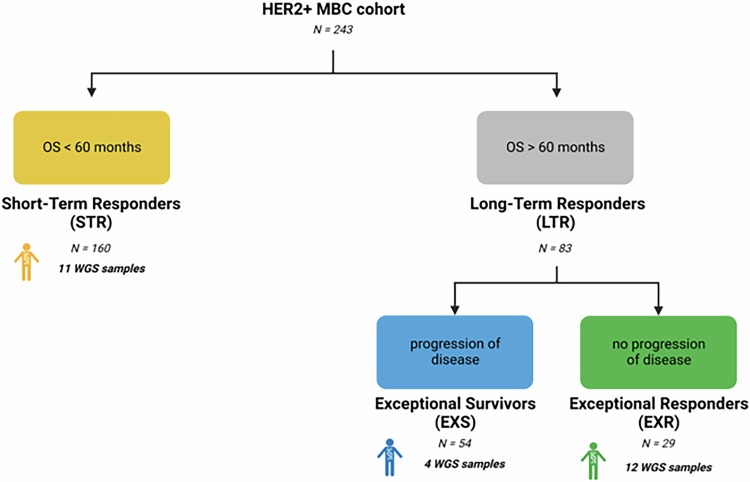 Figure 1
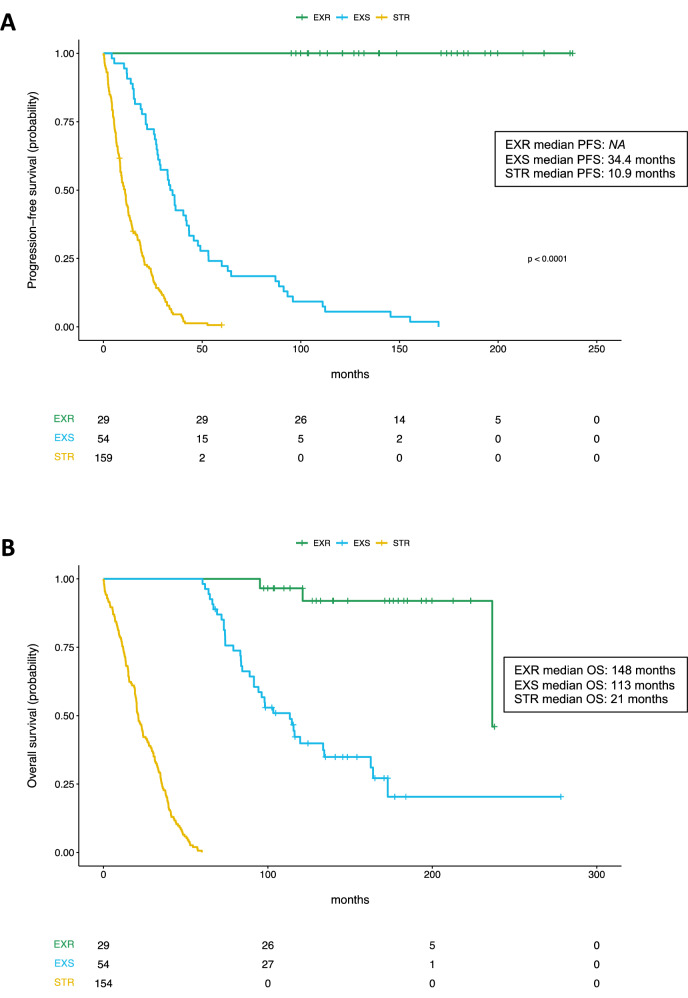 Figure 2
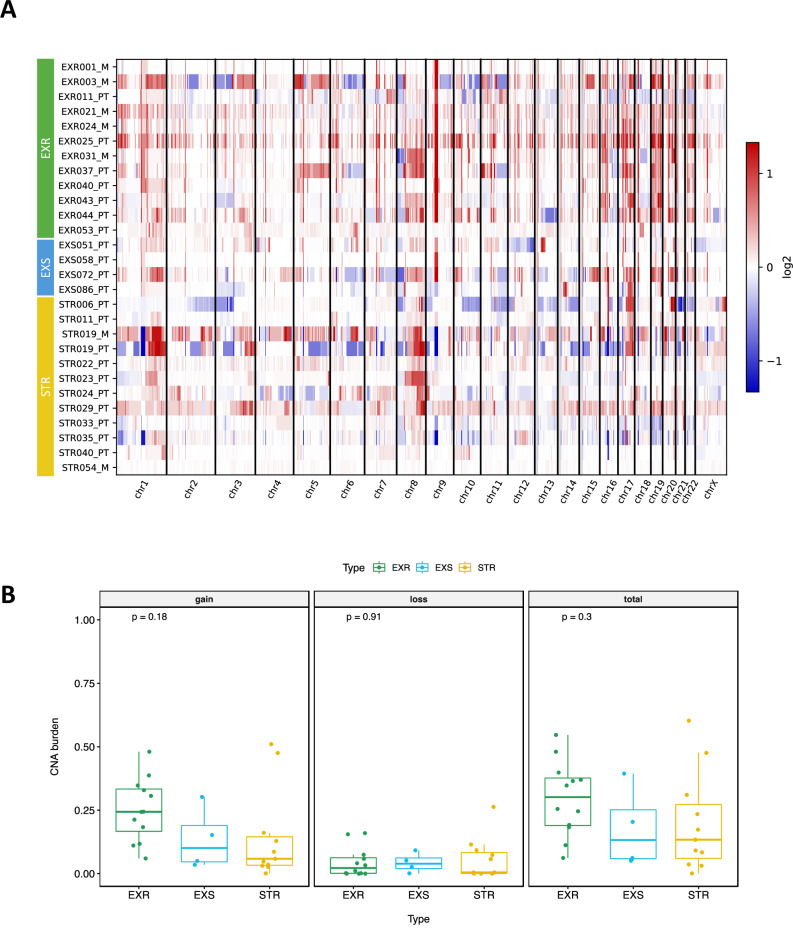 Figure 3
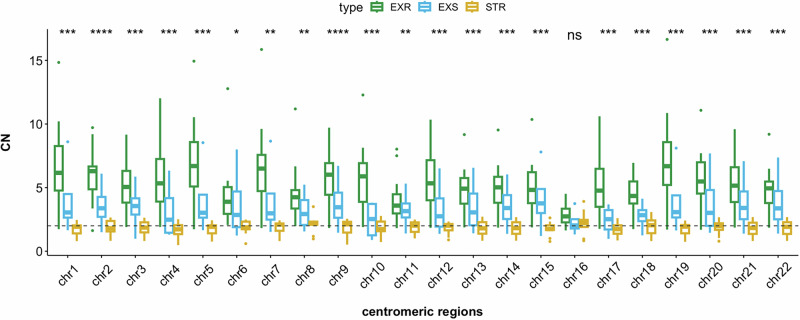 Figure 4
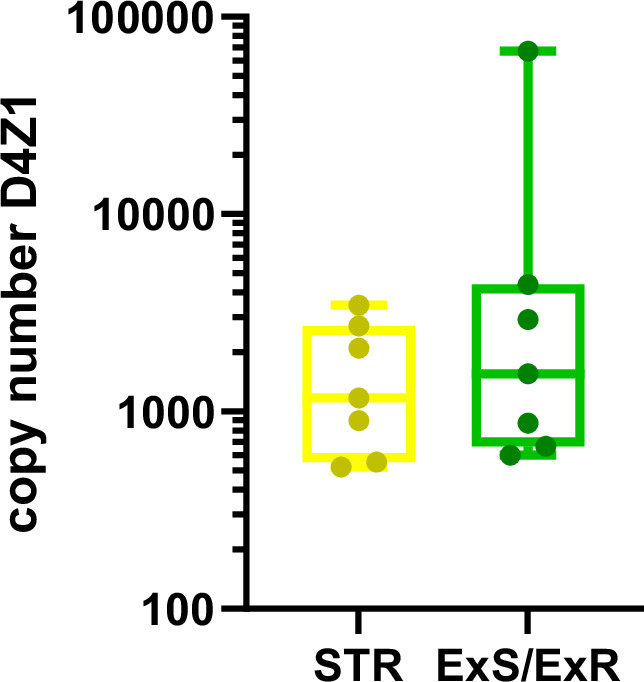 Figure 5
Peer Reviews
No public reviews on file for this paper yet. If you reviewed it on a platform where reviews are public (OpenReview, ICLR, NeurIPS, ICML), you can paste yours below so the community can read it here.
Videos
No videos yet. Explain this paper in a talk, walkthrough, or lecture? Add one.
Taxonomy
TopicsGenomic variations and chromosomal abnormalities · Microtubule and mitosis dynamics · Breast Cancer Treatment Studies