Efficacy of Dexmedetomidine With High-Flow Nasal Cannula Therapy in Children With Respiratory Distress: A Retrospective Case Series
Takaya Shimono, Kosei Yamashita, Sawa Seki, Toshiyuki Takagi, Megumi Okawa, Aiko Honda, Yuki Okada, Kazuki Kikuyama, Taro Watanabe, Katsumi Mizuno

TL;DR
This study explores combining a sedative with nasal oxygen therapy to reduce breathing difficulties in children, potentially avoiding the need for intubation.
Contribution
The study is one of the first to investigate the combined use of dexmedetomidine and high-flow nasal cannula in pediatric respiratory distress.
Findings
Respiratory rates significantly decreased 3 and 12 hours after starting dexmedetomidine treatment.
The combination therapy may reduce the need for tracheal intubation in children with respiratory distress.
Eight out of thirteen cases were caused by respiratory syncytial virus.
Abstract
Background High-flow nasal cannulae (HFNC) are increasingly used in the management of respiratory distress in children. In pediatric patients, intubation should be considered if HFNC or noninvasive ventilation fails to improve respiratory status. Intubation is also indicated in the presence of upper airway obstruction or a sudden decline in consciousness. Dexmedetomidine (DEX), a sedative agent that can be administered without compromising spontaneous respiration, has recently gained attention. Research on DEX use under non-invasive ventilation (NIV) is increasing; however, data regarding the efficacy of combining HFNC with DEX are limited. We hypothesized that adding DEX to HFNC would reduce signs of respiratory distress in children and decrease the intubation rate. Methods This single-center, retrospective case series was conducted at Showa University Hospital. Patients admitted to…
Genes, proteins, chemicals, diseases, species, mutations and cell lines named across the full text — each resolved to its canonical identifier and authoritative record.
Click any figure to enlarge with its caption.
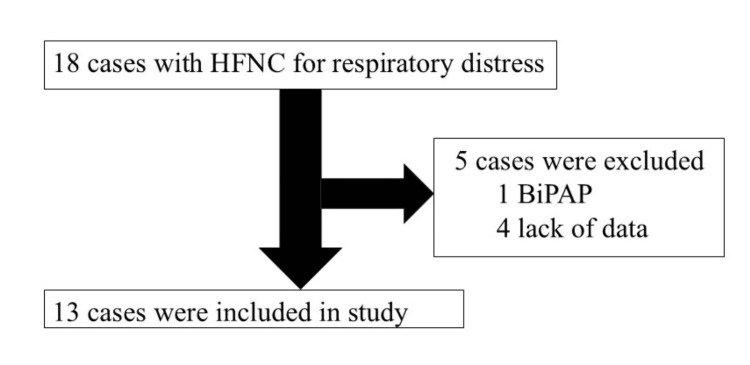 Figure 1
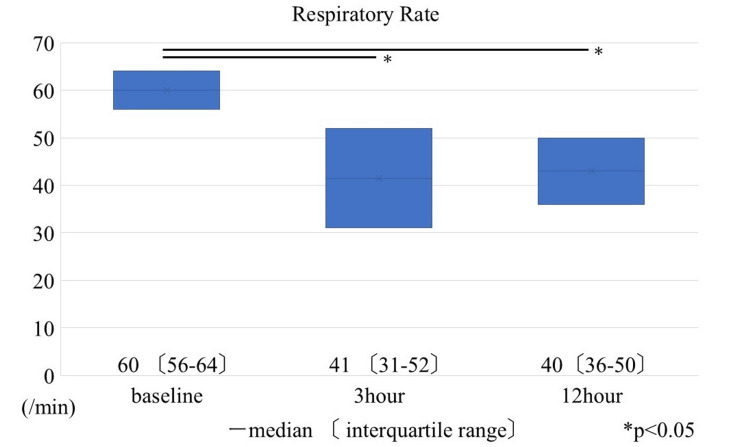 Figure 2
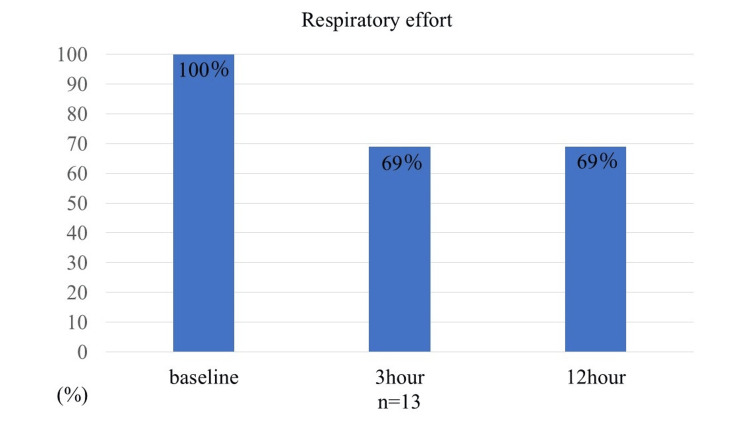 Figure 3
Peer Reviews
No public reviews on file for this paper yet. If you reviewed it on a platform where reviews are public (OpenReview, ICLR, NeurIPS, ICML), you can paste yours below so the community can read it here.
Videos
No videos yet. Explain this paper in a talk, walkthrough, or lecture? Add one.
Taxonomy
TopicsAnesthesia and Sedative Agents · Respiratory Support and Mechanisms · Airway Management and Intubation Techniques