Integrated network toxicology, machine learning algorithms and TMT proteomics reveal the mechanism of 18β glycyrrhetinic acid against gastric cancer
Doudou Lu, Shumin Jia, Yahong Li, Zhaozhao Wang, Ziying Zhou, Wenjing Liu, Lei Zhang, Ling Yuan, Yi Nan

TL;DR
This study uses toxicology and machine learning to identify how 18β-GRA may treat gastric cancer by finding key biomarkers and their interactions.
Contribution
A novel integration of network toxicology, machine learning, and proteomics to identify biomarkers for 18β-GRA's anti-gastric cancer effects.
Findings
12 overlapping targets were identified between WGCNA and TMT proteomics analyses.
Three candidate biomarkers (IGF2BP3, KRT6B, NEDD4L) were selected using machine learning algorithms.
NEDD4L is proposed as a key biomarker for 18β-GRA, with SCN5A and EGR1 as potential regulatory proteins.
Abstract
The purpose of this paper is to explore the mechanism of 18β glycyrrhetinic acid (18β-GRA) in treating gastric cancer. Firstly, the toxicological effects of 18β-GRA were predicted using the ProTox3.0 database. Then, candidate biomarkers for the anti-gastric cancer of 18β-GRA were screened using the weighted gene co-expression network analysis (WGCNA), the least absolute shrinkage and selection operator (LASSO), the support vector machine (SVM), the random forest algorithm combined with the TMT proteomics methods. Additionally, we explored the potential upstream transcription factors and downstream interacting proteins of the biomarkers. The WGCNA method yielded 269 targets, while TMT proteomics analysis identified 6,273 genes. Among these, 12 targets were identical. Using LASSO, SVM, and random forest algorithms, three candidate markers were identified: insulin-like growth factor 2 mRNA…
Genes, proteins, chemicals, diseases, species, mutations and cell lines named across the full text — each resolved to its canonical identifier and authoritative record.
Click any figure to enlarge with its caption.
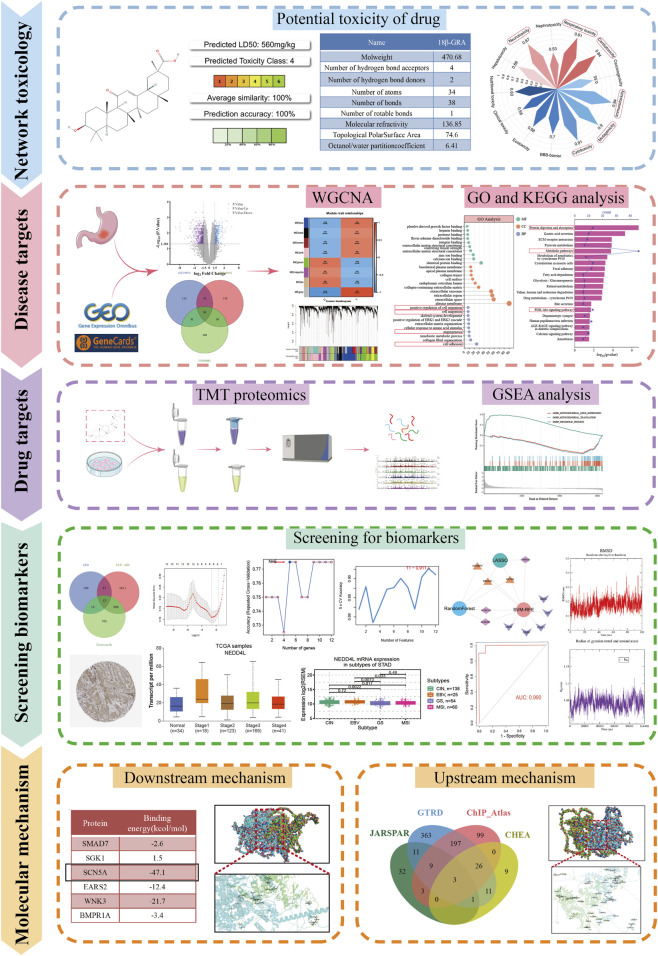 Figure 1
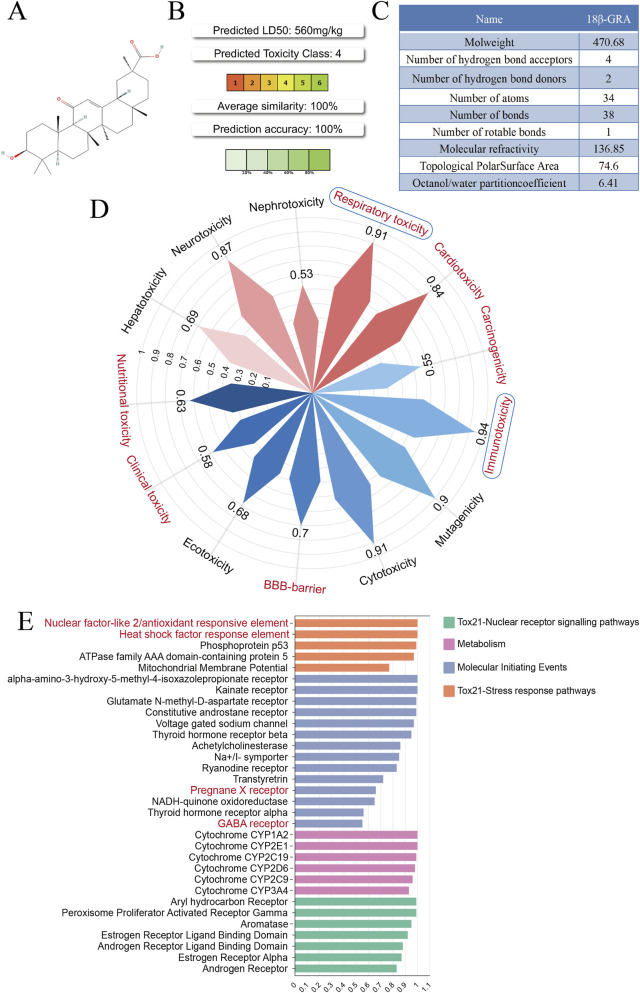 Figure 2
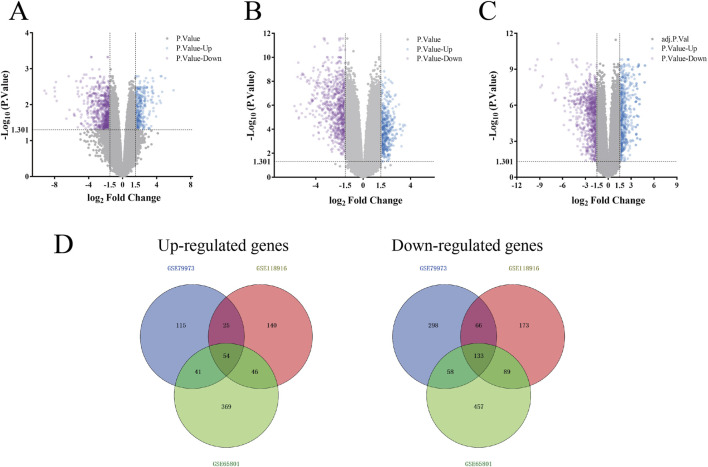 Figure 3
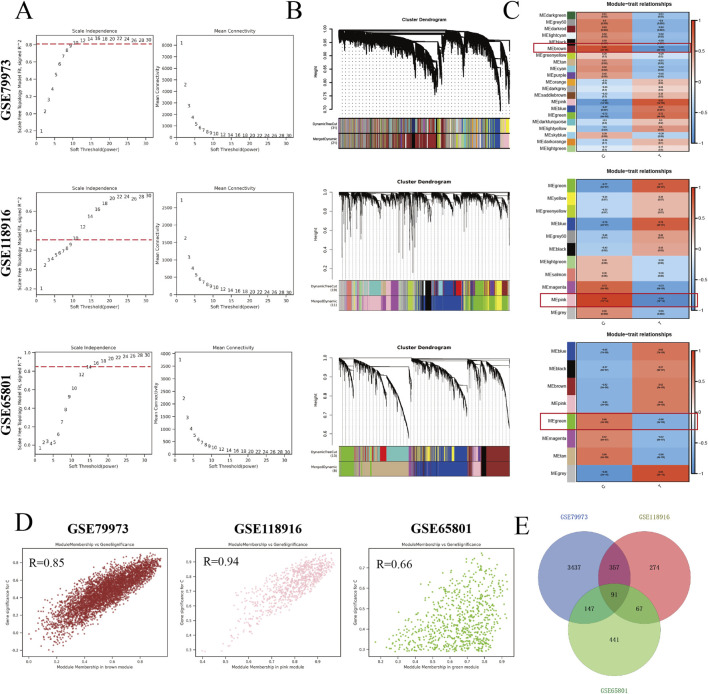 Figure 4
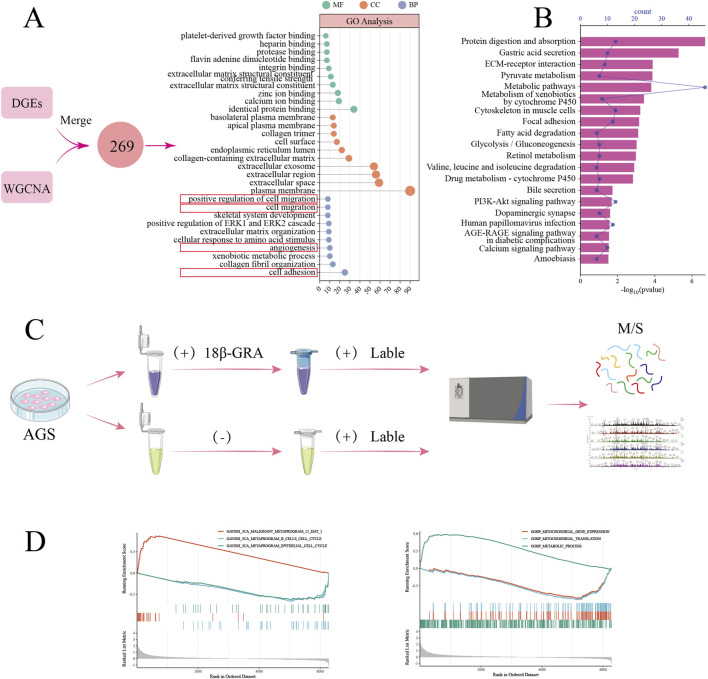 Figure 5
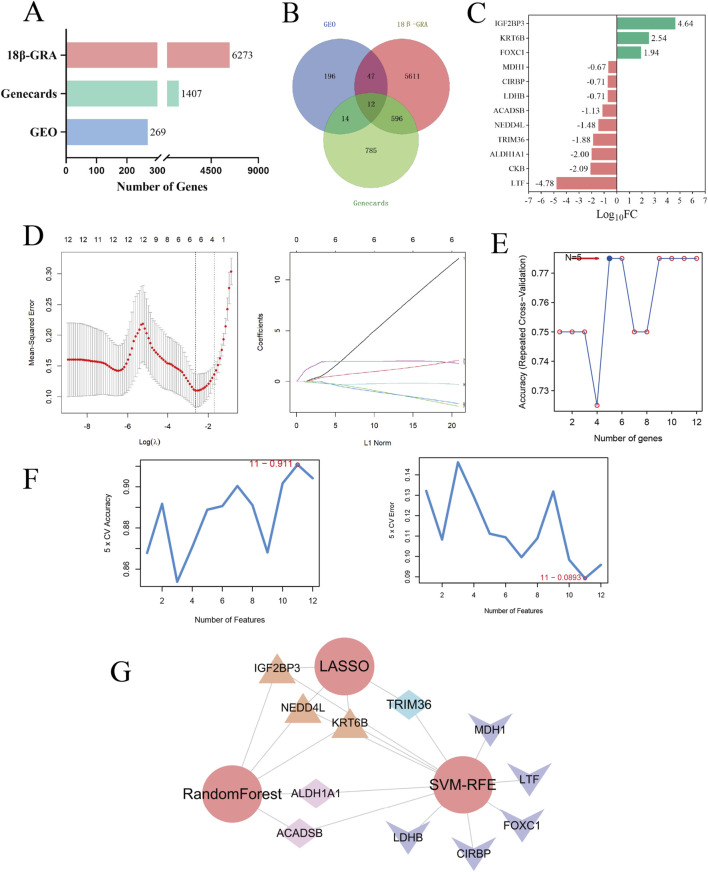 Figure 6
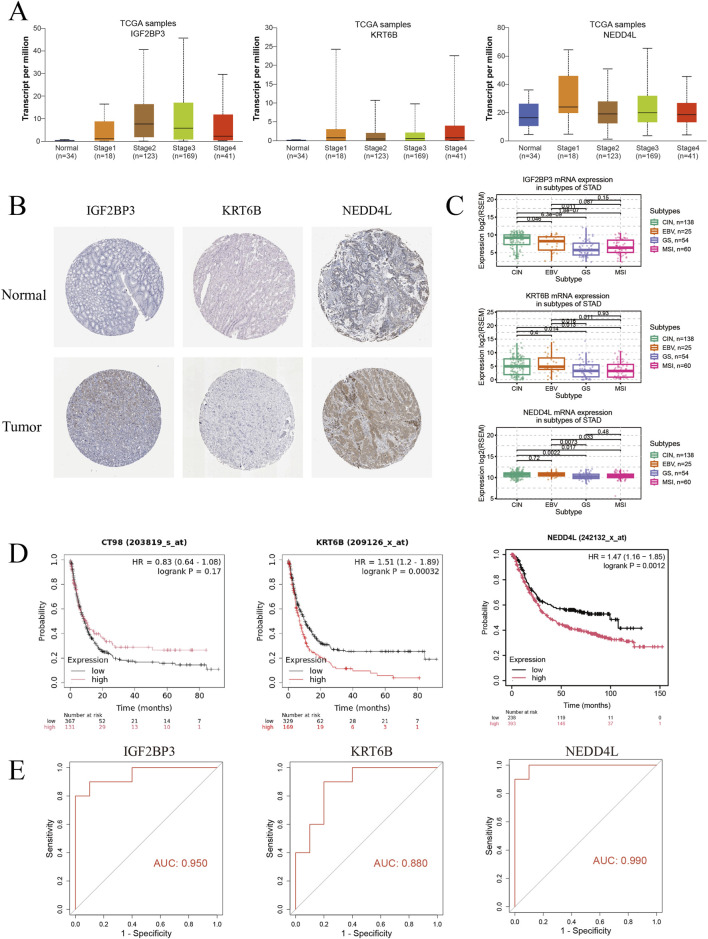 Figure 7
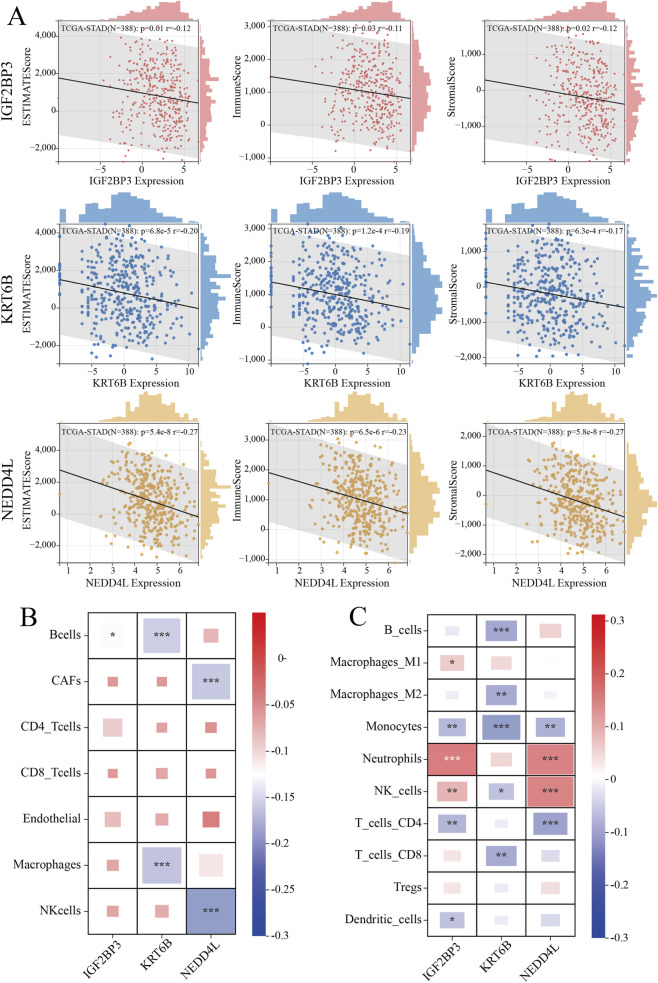 Figure 8
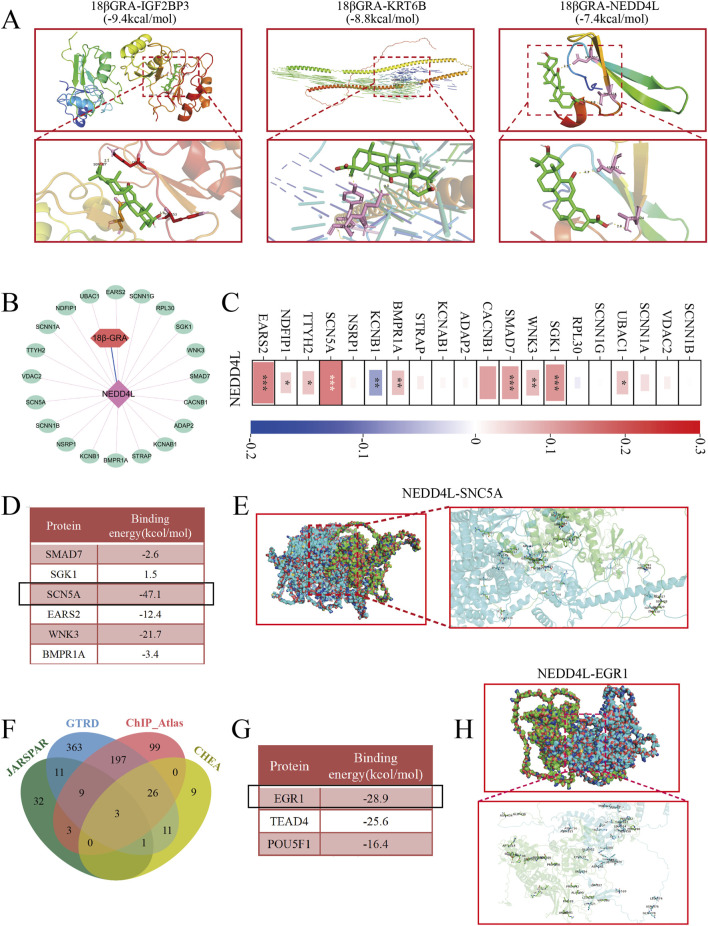 Figure 9
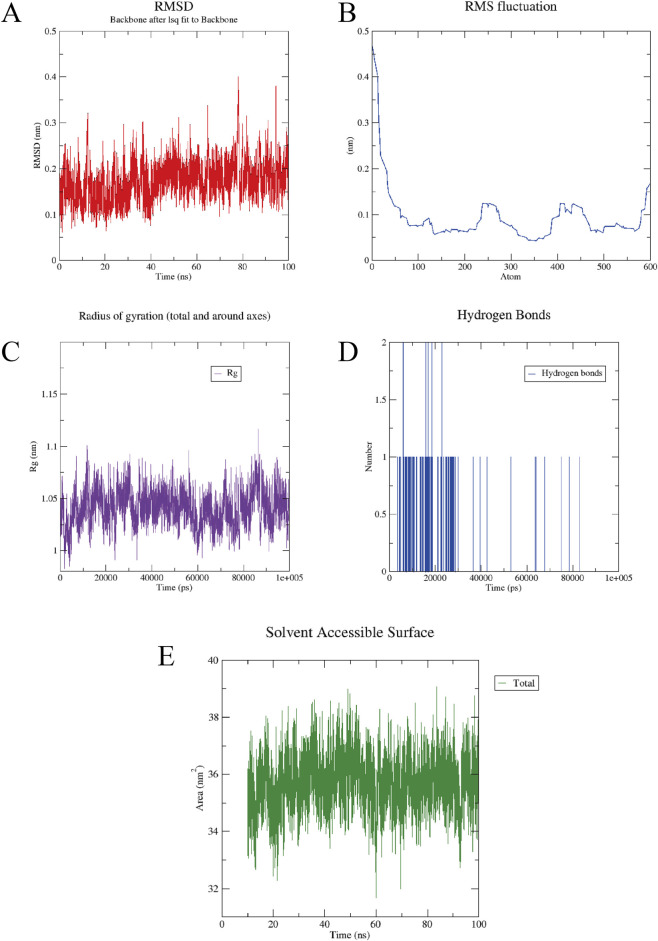 Figure 10
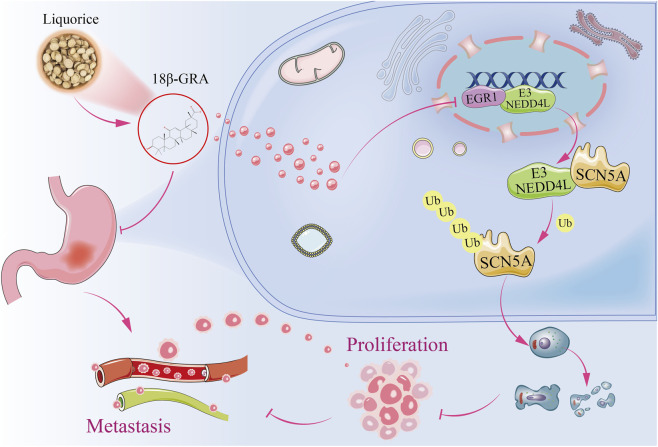 Figure 11
Peer Reviews
No public reviews on file for this paper yet. If you reviewed it on a platform where reviews are public (OpenReview, ICLR, NeurIPS, ICML), you can paste yours below so the community can read it here.
Videos
No videos yet. Explain this paper in a talk, walkthrough, or lecture? Add one.
Taxonomy
TopicsPharmacological Effects of Natural Compounds · Lipid metabolism and disorders · Hormonal Regulation and Hypertension