Comparative skin microbiome analyses reveal differences between wild populations and captive groups of the Montseny brook newt (Calotriton arnoldi)
Sergi Tulloch, Maria Estarellas, Dean C Adams, Anthony Bonacolta, Viviana Pagone, Daniel Fernández-Guiberteau, Fèlix Amat, Albert Montori, Francesc Carbonell, Elena Obon, Mónica Alonso, Marta Santmartín, Josep Xarles, Rosa Marsol, Daniel Guinart, Sònia Solórzano, Adrián Talavera

TL;DR
This study compares the skin microbiomes of wild and captive Montseny brook newts to understand how captivity affects their microbial communities and survival potential.
Contribution
The study identifies specific differences in skin microbiome composition between wild and captive newts, offering insights for improving reintroduction success.
Findings
Wild populations of different subspecies show significantly different skin microbiome compositions.
Captive-bred groups from the same subspecies also differ significantly from their wild counterparts.
Certain bacteria were identified as potential markers for wild or captive environments.
Abstract
The Montseny brook newt, Calotriton arnoldi, is a Critically Endangered amphibian species endemic to the Montseny Massif in Catalonia, Northeastern Spain. Due to population declines and threats to its natural habitat, an ex-situ breeding program was initiated in 2007. A key goal of the program is to ensure the survival of captive-bred individuals after reintroduction, which in amphibians heavily relies on the specimens’ microbiome being capable of protecting them from environmental microorganisms, especially considering the global Chytridiomycosis pandemic caused by the fungi Batrachochytrium dendrobatidis (Bd) and Batrachochytrium salamandrivorans (Bsal). This study aims to characterize the skin microbiome of wild and captive C. arnoldi specimens and identify differences in their composition, contributing to future research on the microbiome’s impact in captive-bred individuals upon…
Genes, proteins, chemicals, diseases, species, mutations and cell lines named across the full text — each resolved to its canonical identifier and authoritative record.
Click any figure to enlarge with its caption.
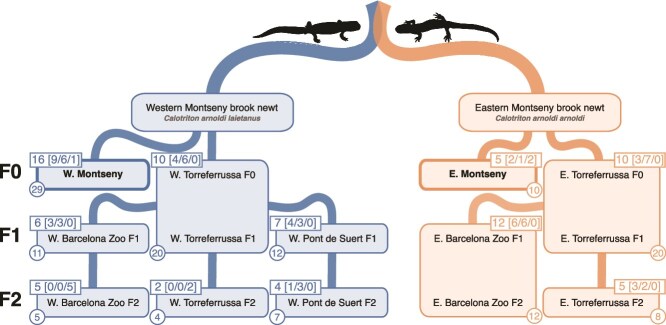 Figure 1
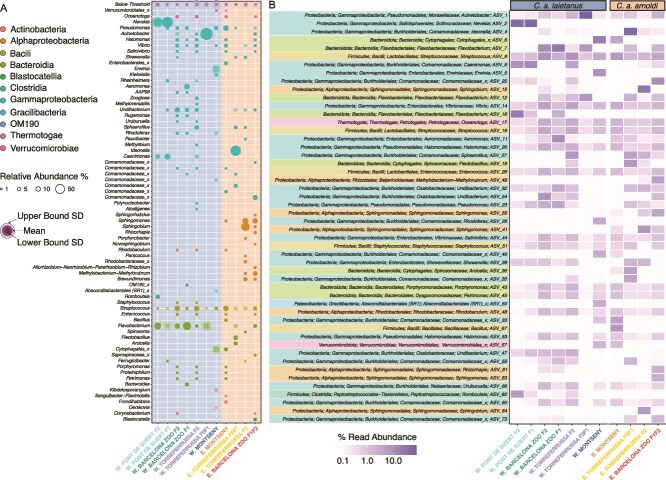 Figure 2
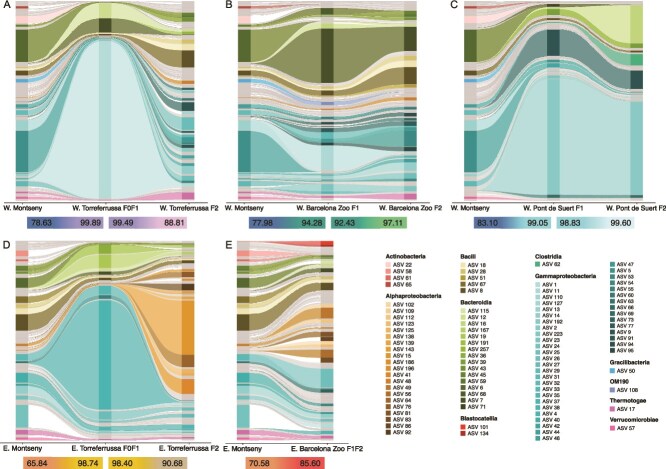 Figure 3
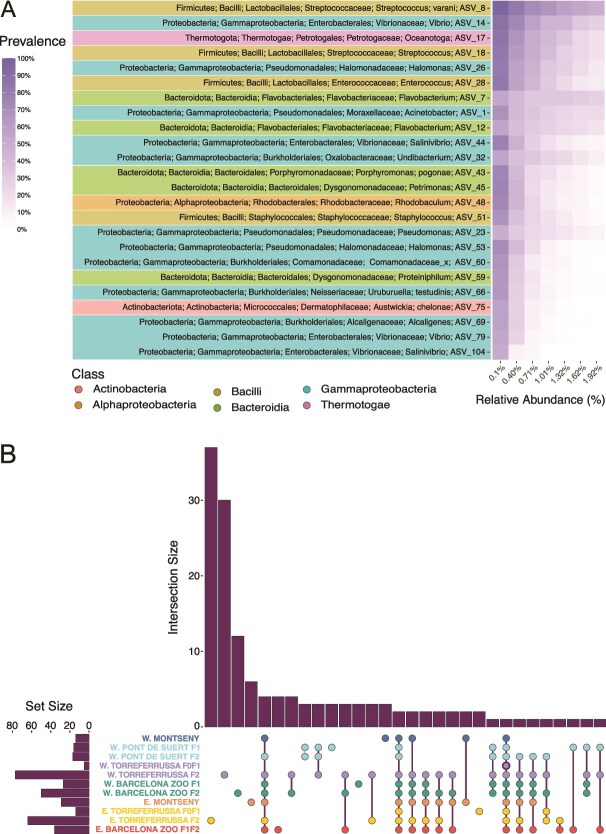 Figure 4
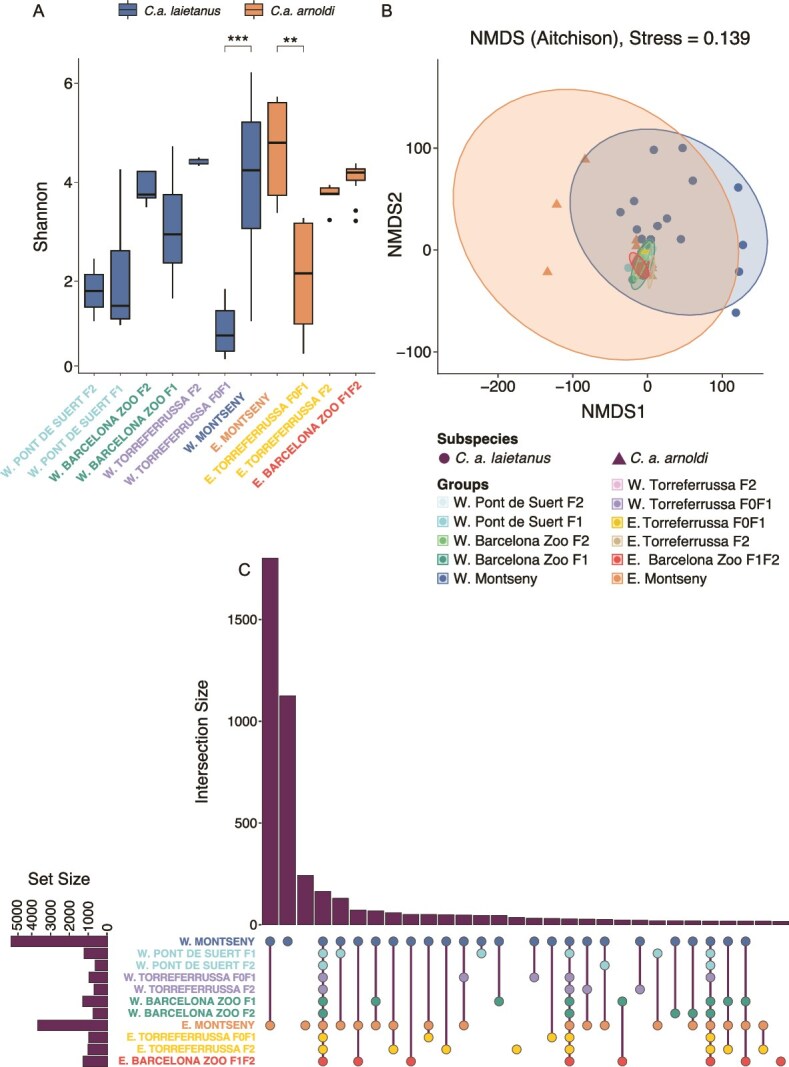 Figure 5
Peer Reviews
No public reviews on file for this paper yet. If you reviewed it on a platform where reviews are public (OpenReview, ICLR, NeurIPS, ICML), you can paste yours below so the community can read it here.
Videos
No videos yet. Explain this paper in a talk, walkthrough, or lecture? Add one.
Taxonomy
TopicsAmphibian and Reptile Biology · Insect Utilization and Effects · Aquaculture disease management and microbiota