Ultrasmall episymbiont Nanosynbacter lyticus employs multiple ATP-generating metabolic pathways during horizontal transmission
Nusrat Nahar, Pu-Ting Dong, Jing Tian, Alex S Grossman, Erik L Hendrickson, Kristopher A Kerns, Mary Ellen Davey, Batbileg Bor, Jeffrey S McLean, Xuesong He

TL;DR
This study reveals how an ultrasmall bacterial symbiont generates energy to survive and infect new hosts during its transmission phase.
Contribution
The study identifies two metabolic pathways used by Nanosynbacter lyticus for ATP production during horizontal transmission.
Findings
The arginine deiminase system is critical for ATP production in TM7x.
Glycolysis supports ATP generation under anoxic conditions during host transmission.
TM7x uses both ADS and glycolysis to maintain viability and infectivity when disassociated from hosts.
Abstract
Saccharibacteria (formerly TM7) are a group of environmentally diverse, ultrasmall bacteria with highly reduced genomes belonging to Patescibacteria (formerly Candidate Phyla Radiation), a newly identified bacterial lineage accounting for over a quarter of microbial diversity. Nanosynbacter lyticus strain TM7x was isolated from the human oral cavity and was the first culture representative of Saccharibacteria. It displays an obligate episymbiotic lifestyle where TM7x lives on the surface of its bacterial host Schaalia odontolytica strain XH001. Saccharibacteria rely on host bacteria for growth. TM7x multiplies through budding division, and daughter cells can disassociate from host bacteria during their horizontal transmission stage and establish symbiosis with new bacterial hosts. However, how these metabolically constrained symbionts maintain their viability and infectivity during…
Genes, proteins, chemicals, diseases, species, mutations and cell lines named across the full text — each resolved to its canonical identifier and authoritative record.
Click any figure to enlarge with its caption.
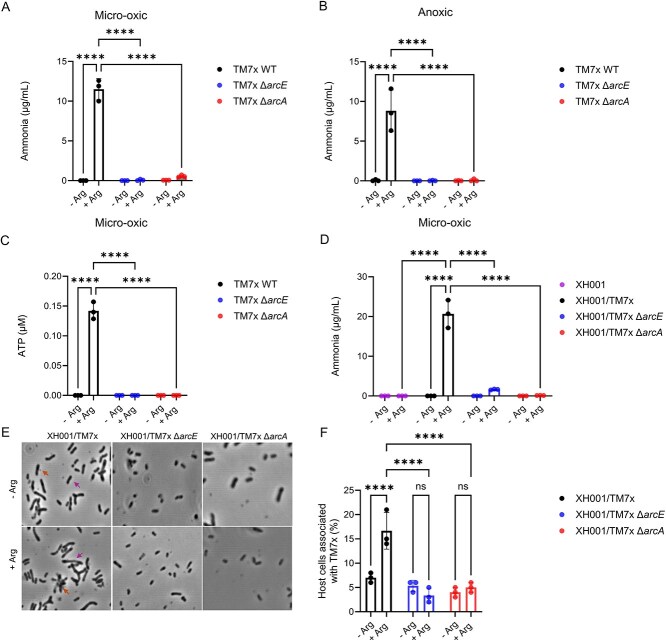 Figure 1
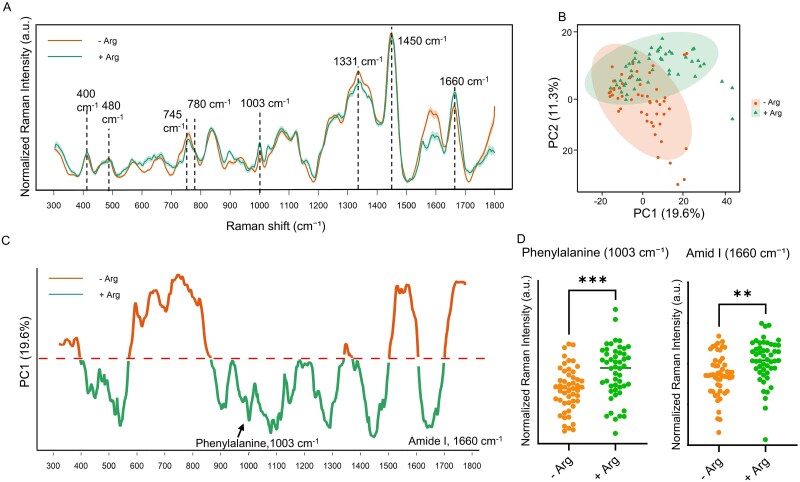 Figure 2
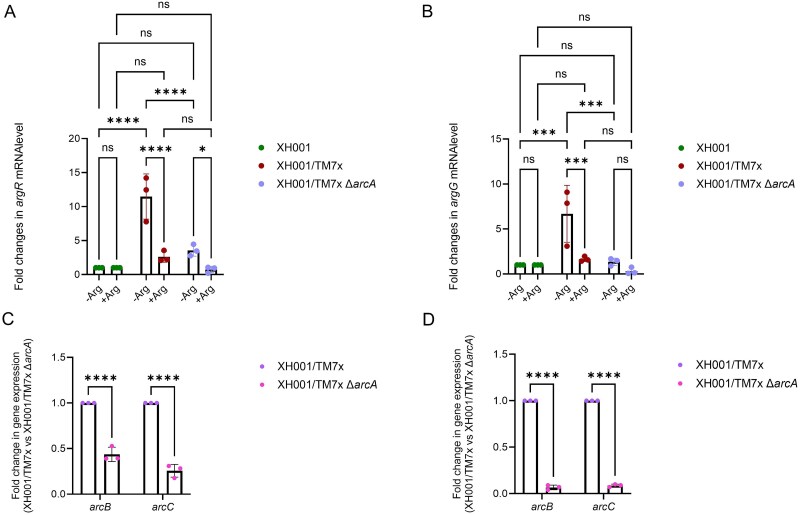 Figure 3
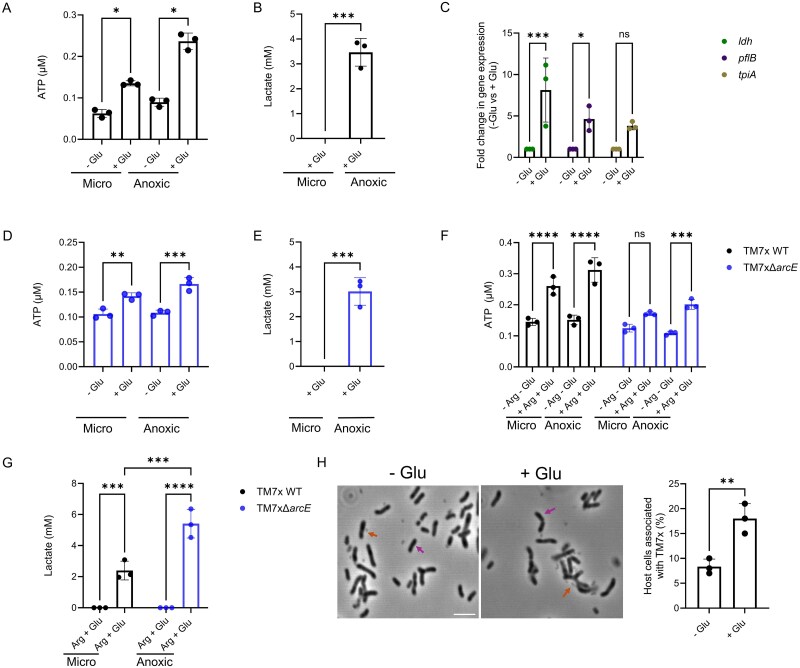 Figure 4
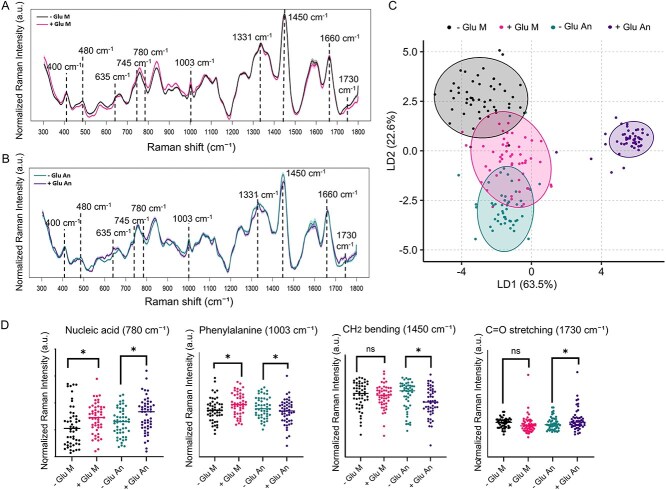 Figure 5
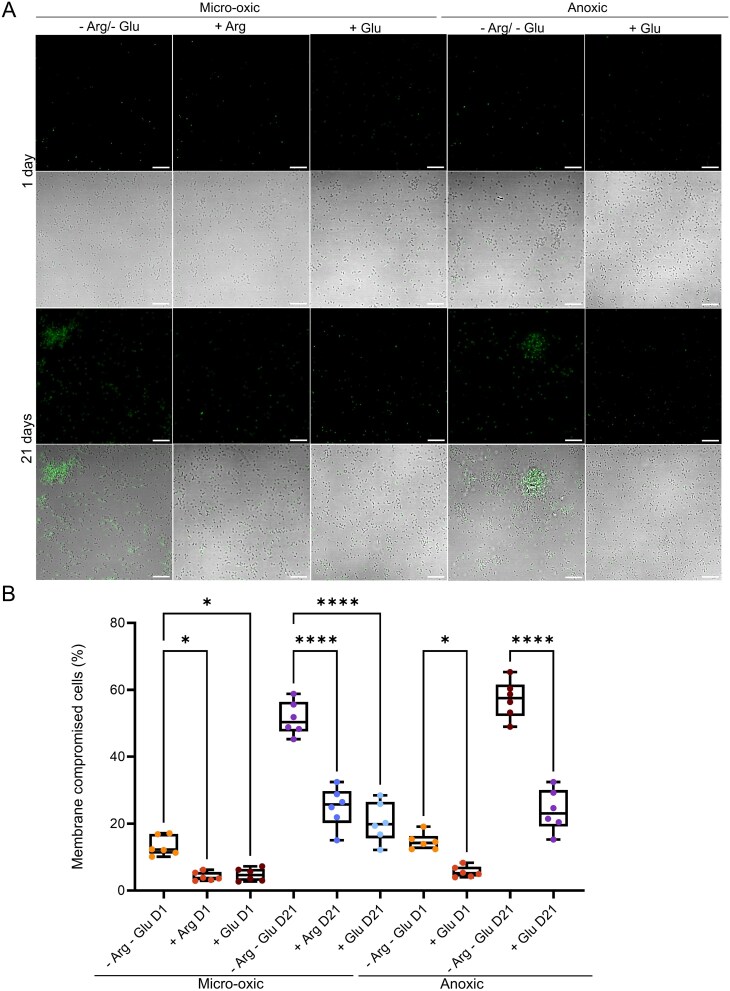 Figure 6
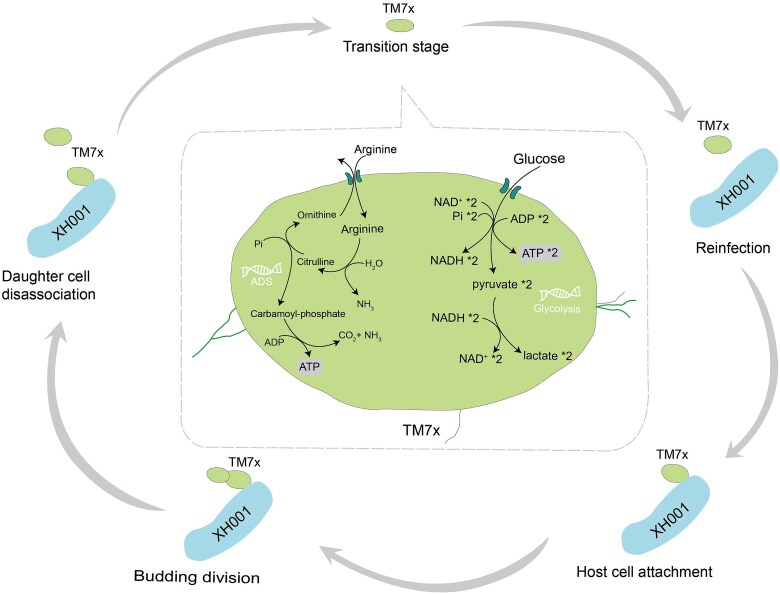 Figure 7
Peer Reviews
No public reviews on file for this paper yet. If you reviewed it on a platform where reviews are public (OpenReview, ICLR, NeurIPS, ICML), you can paste yours below so the community can read it here.
Videos
No videos yet. Explain this paper in a talk, walkthrough, or lecture? Add one.
Taxonomy
TopicsMicrobial Community Ecology and Physiology · Bacteriophages and microbial interactions · Infections and bacterial resistance