The bismuth phosphanides Bi(PR2)3: sources of phosphanyl radicals, P-inversion, and reversible olefin insertion
Sascha Reith, Kai Oberdorf, Sebstián Martínez, Jann B. Landgraf, Alena Ahrens, Felix Jakobi, Xiulan Xie, Crispin Lichtenberg

TL;DR
This paper introduces new bismuth compounds that release phosphanyl radicals, enabling novel chemical transformations like phosphorus inversion and ethylene activation.
Contribution
The synthesis and characterization of homoleptic bismuth phosphanides and their radical-based reactivity are newly reported.
Findings
Bismuth phosphanides release phosphanyl radicals under mild conditions.
Phosphorus inversion and reversible olefin insertion into Bi–P bonds are observed.
Ethylene activation is enabled through these radical pathways.
Abstract
Understanding and controlling radical reactions for selective transformations under mild conditions remains one of the key challenges in synthetic chemistry. The detailed investigation of previously inaccessible structural motifs can grant important insights, provide new stimuli, and offer innovative strategies for further developments in the field. In this respect, the controlled release of simple phosphanyl radicals [PR2]˙ from metal precursors is significantly underdeveloped to date. Here we report the synthesis, isolation, and full characterization of a series of homoleptic parent bismuth phosphanides [Bi(PRR’)3] (R, R’ = alkyl). The ability of these compounds to release phosphanyl radicals under mild conditions is demonstrated, revealing an unprecedented radical pathway for the inversion of phosphorus atoms, enabling ethylene activation, and facilitating reversible olefin insertion…
Genes, proteins, chemicals, diseases, species, mutations and cell lines named across the full text — each resolved to its canonical identifier and authoritative record.
Click any figure to enlarge with its caption.
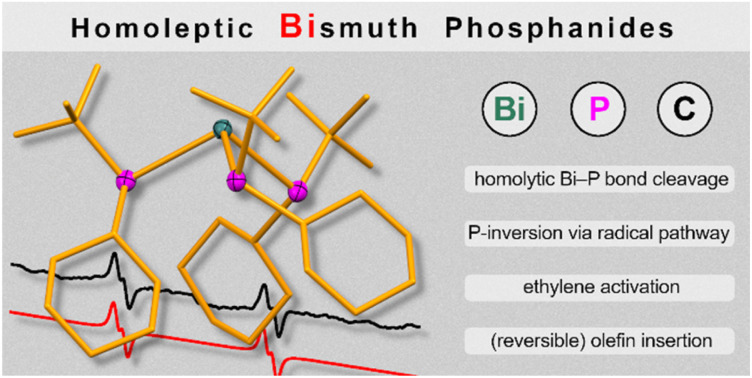 Figure 1
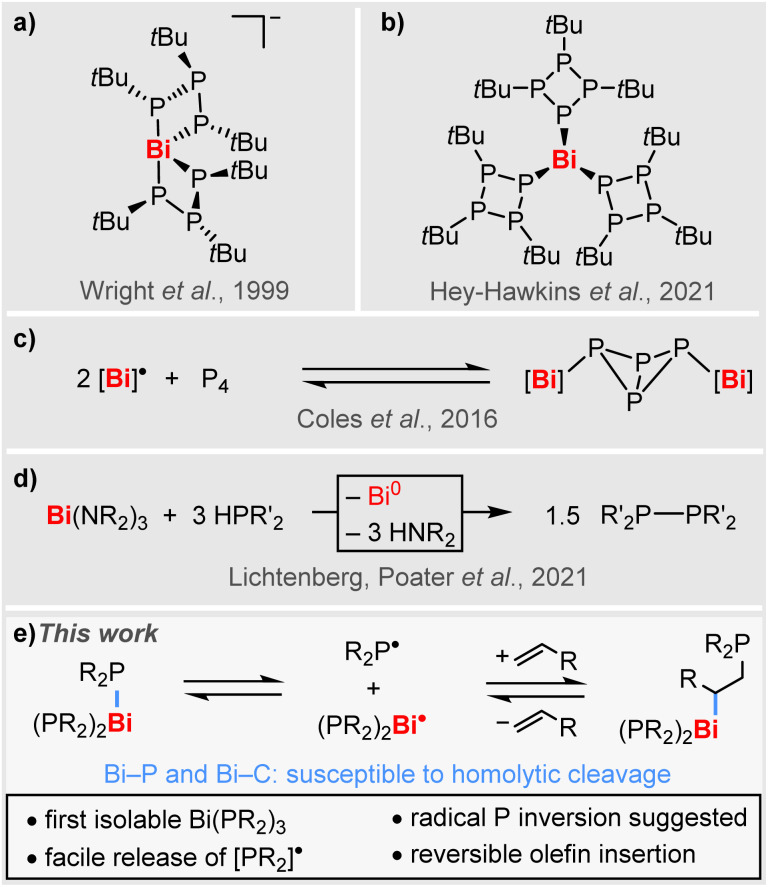 Figure 2
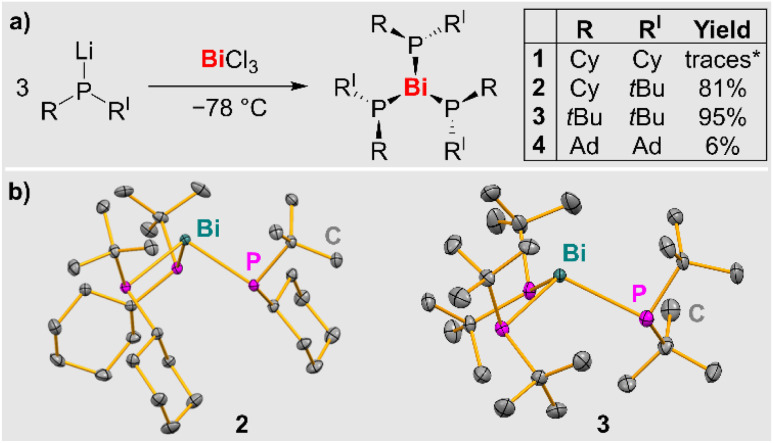 Figure 3
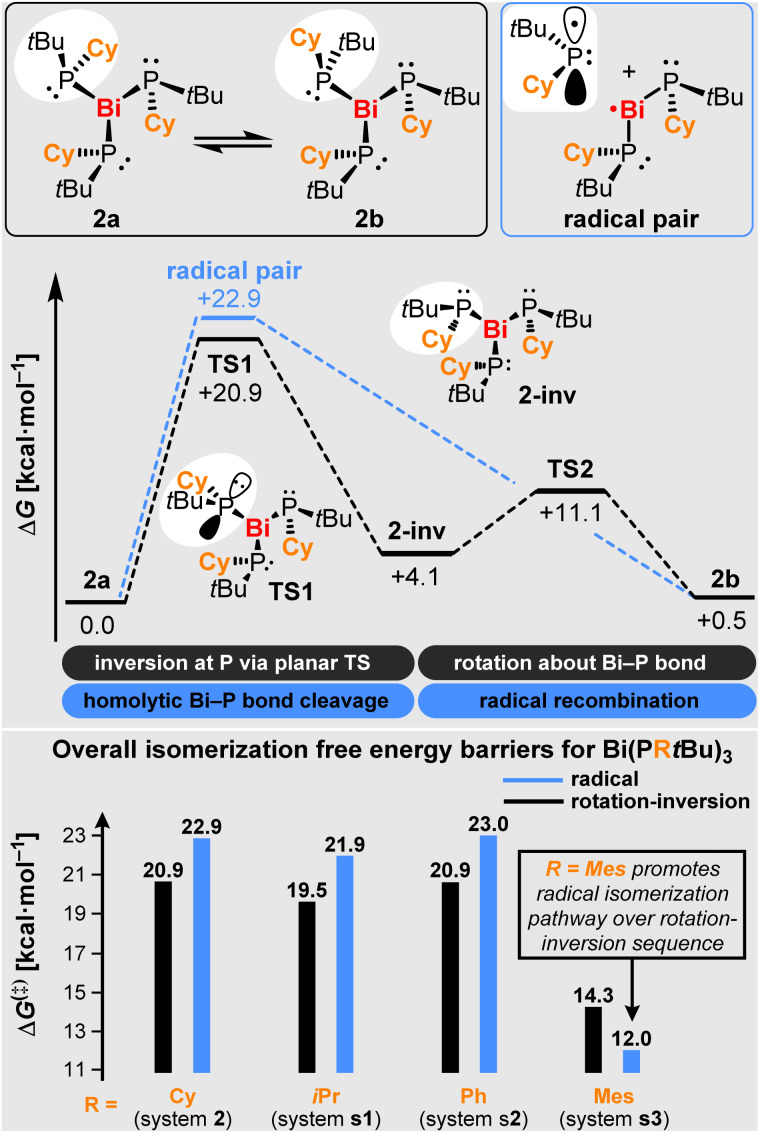 Figure 4
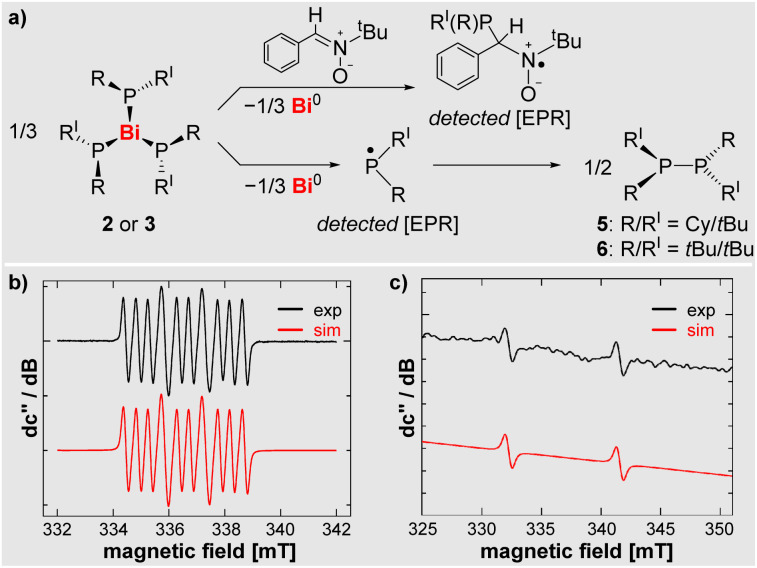 Figure 5
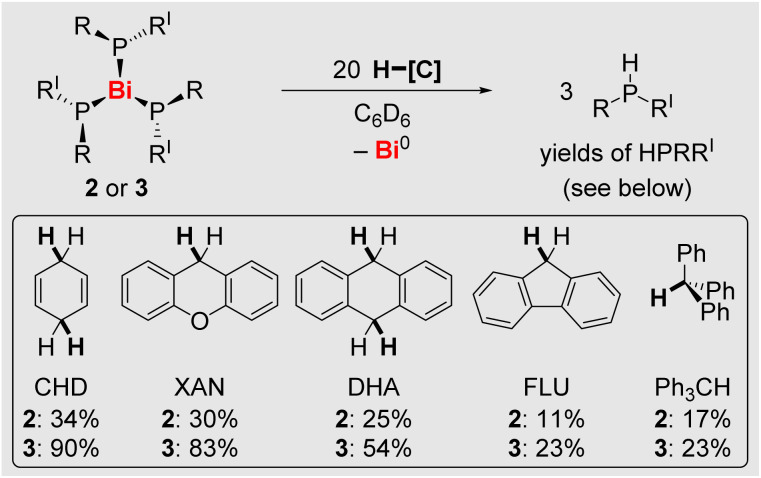 Figure 6
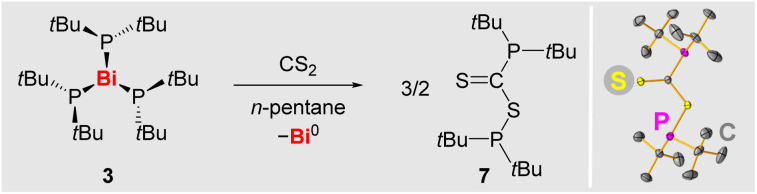 Figure 7
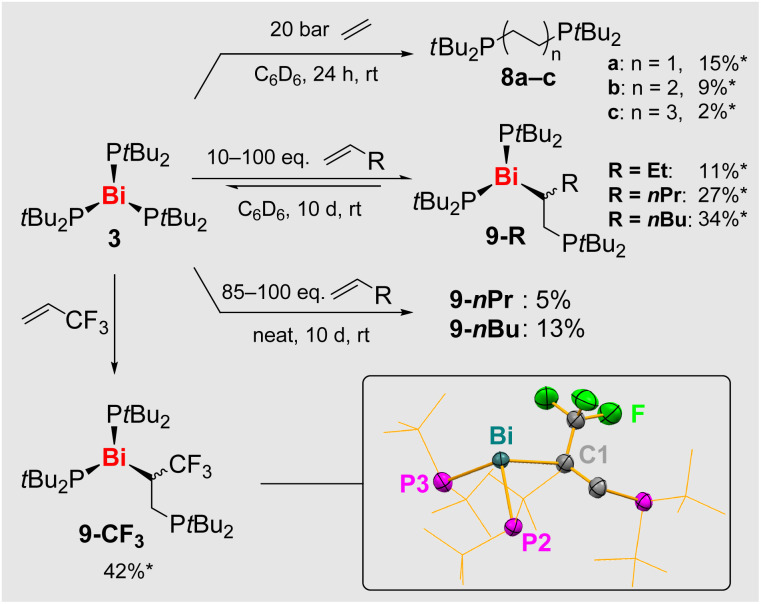 Figure 8
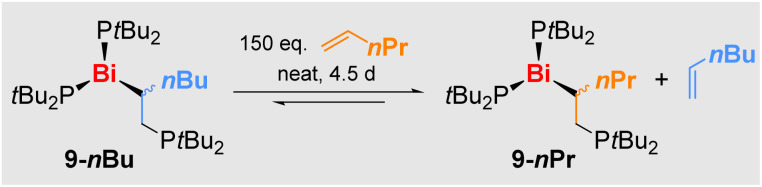 Figure 9
Peer Reviews
No public reviews on file for this paper yet. If you reviewed it on a platform where reviews are public (OpenReview, ICLR, NeurIPS, ICML), you can paste yours below so the community can read it here.
Videos
No videos yet. Explain this paper in a talk, walkthrough, or lecture? Add one.
Taxonomy
TopicsSynthesis and characterization of novel inorganic/organometallic compounds · Organometallic Complex Synthesis and Catalysis · Radical Photochemical Reactions