Antipsychotic-Associated Galactorrhea May Mask Diffuse Ductal Carcinoma in Situ: A Diagnostic Challenge
Ilze Engele, Tatjana Zablocka, Evija Asere, Janis Eglitis

TL;DR
A woman on antipsychotics developed galactorrhea, which initially masked an underlying breast cancer diagnosis, highlighting the need for thorough diagnostic evaluation.
Contribution
This case highlights the diagnostic challenge of attributing galactorrhea to medication and the limitations of core biopsies in diffuse calcifications.
Findings
Galactorrhea caused by antipsychotics masked diffuse ductal carcinoma in situ (DCIS) in a 44-year-old woman.
Core needle biopsies failed to detect malignancy, but vacuum-assisted biopsy confirmed low-grade DCIS.
Mastectomy revealed multigrade DCIS involving multiple breast quadrants.
Abstract
Galactorrhea is most often associated with endocrine disorders or drug-induced hyperprolactinemia, particularly from antipsychotics. While commonly benign, persistent or unilateral galactorrhea with abnormal imaging findings warrants careful evaluation to exclude malignancy. We report the case of a 44-year-old woman receiving long-term antipsychotic therapy who developed unilateral (left-predominant) milky nipple discharge compatible with galactorrhea and breast tenderness. Mammography revealed diffusely distributed coarse heterogeneous calcifications, but two ultrasound-guided core needle biopsies (CNB) failed to identify malignancy, showing only papillomas with epithelial hyperplasia and atypia. Due to persistent radiologic suspicion, a tomosynthesis-guided vacuum-assisted biopsy (VAB) was performed and demonstrated low-grade ductal carcinoma in situ (DCIS). Mastectomy confirmed…
Genes, proteins, chemicals, diseases, species, mutations and cell lines named across the full text — each resolved to its canonical identifier and authoritative record.
Click any figure to enlarge with its caption.
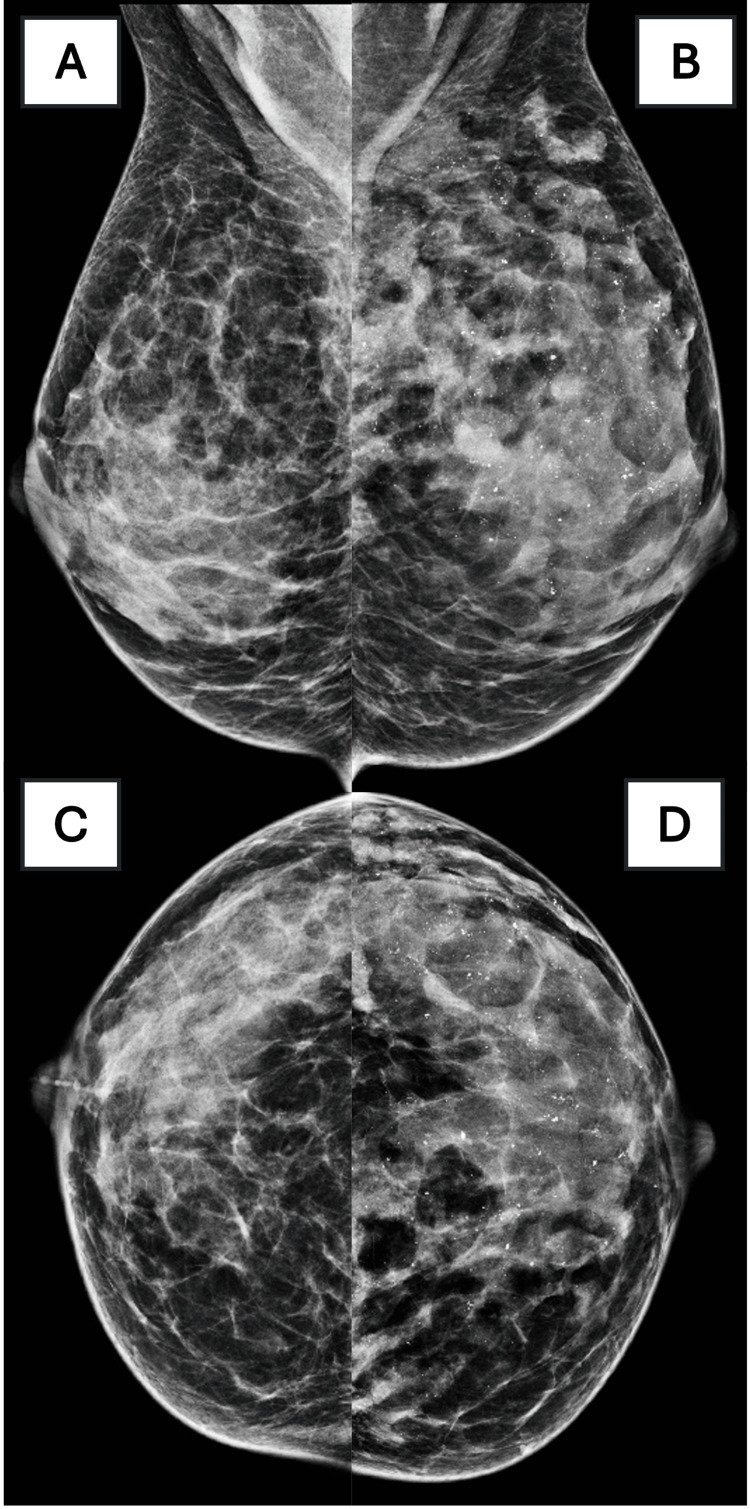 Figure 1
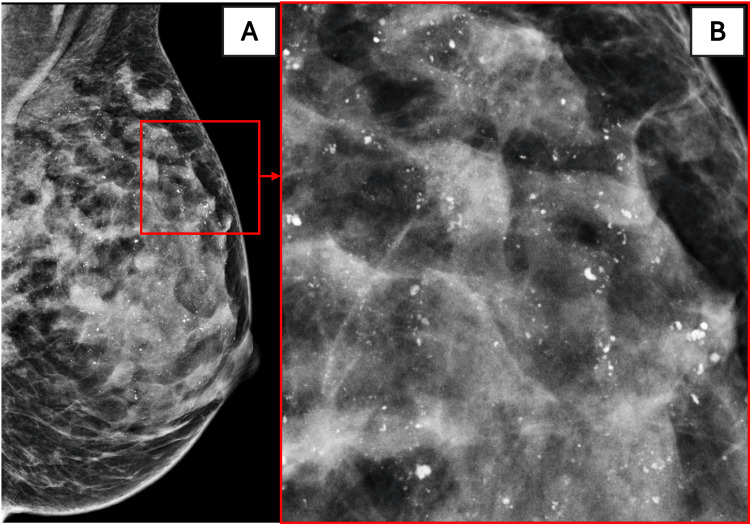 Figure 2
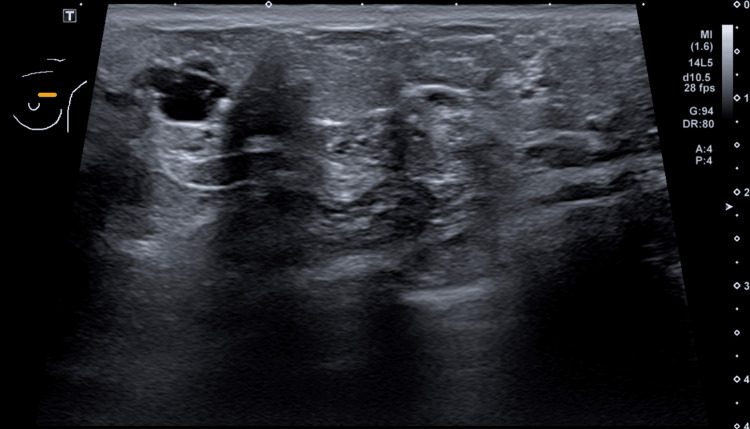 Figure 3
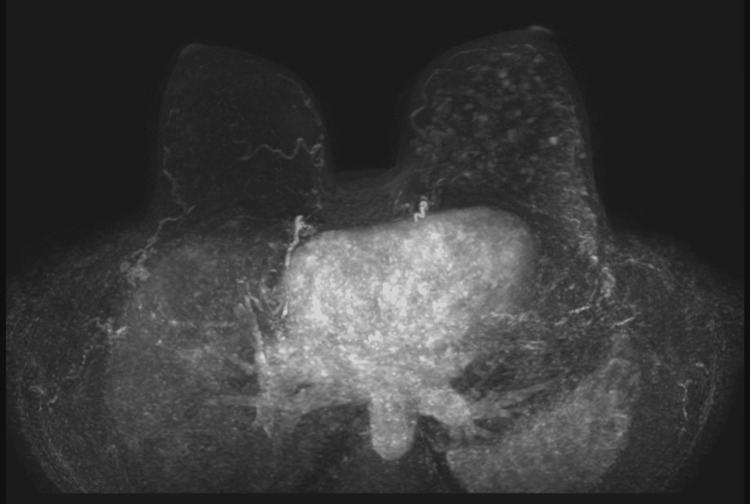 Figure 4
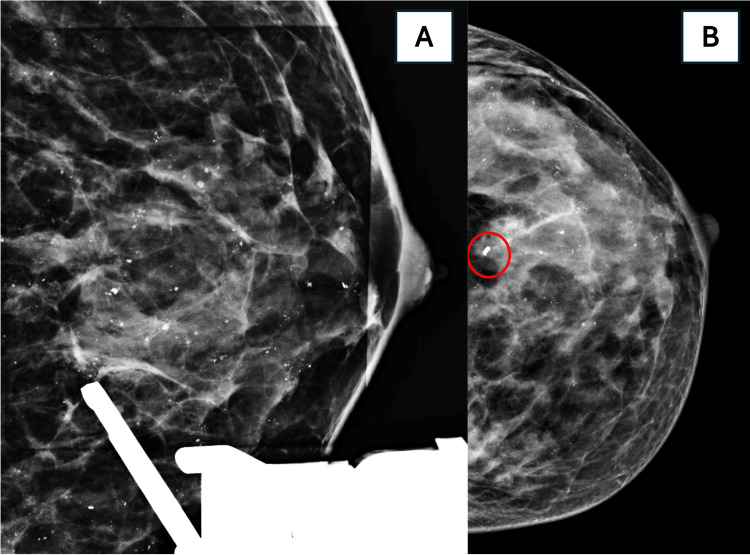 Figure 5
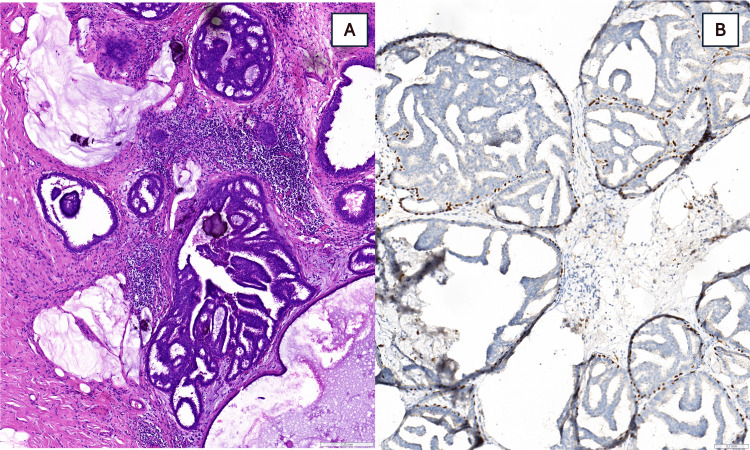 Figure 6
Peer Reviews
No public reviews on file for this paper yet. If you reviewed it on a platform where reviews are public (OpenReview, ICLR, NeurIPS, ICML), you can paste yours below so the community can read it here.
Videos
No videos yet. Explain this paper in a talk, walkthrough, or lecture? Add one.
Taxonomy
TopicsBreast Lesions and Carcinomas · Male Breast Health Studies · Cancer and Skin Lesions