An effective fragment-based dual conditional diffusion framework for molecular generation
Haotian Chen, Yiting Shen, Jichun Li, Weizhong Zhao

TL;DR
This paper introduces a new method for generating molecules that better fits 3D protein structures while maintaining chemical validity and drug-like properties.
Contribution
A dual conditional diffusion framework that separately models scaffold and R-group generation with structural and chemical constraints.
Findings
FDC-Diff outperforms existing methods on multiple SBDD benchmarks in terms of chemical validity and spatial compatibility.
The model generates pharmacologically relevant molecules by integrating curated reaction rules and physical-chemistry refinement.
Decomposing molecule generation into scaffold and R-group stages improves both global topology and local interaction modeling.
Abstract
Fragment-based molecular generation has emerged as a promising paradigm in structure-based drug design (SBDD), deriving effective compounds with advanced properties, including chemical validity, synthetic feasibility, pharmacological relevance, etc. However, existing approaches often struggle with generating molecules which can both conform to 3D structural constraints and retain chemical plausibility. This is largely due to the fact that prior works often treat scaffolds and R-groups of molecules indiscriminately, overlooking the distinct semantic roles played by scaffolds and R-groups. Specifically, the scaffold serves as the rigid structural backbone that determines the global geometric topology and binding pose, whereas R-groups act as functional substituents responsible for fine-tuning local physicochemical interactions. Therefore, in this work, we propose fragment-based dual…
Genes, proteins, chemicals, diseases, species, mutations and cell lines named across the full text — each resolved to its canonical identifier and authoritative record.
Click any figure to enlarge with its caption.
 Figure 1
 Figure 2
 Figure 3
 Figure 4
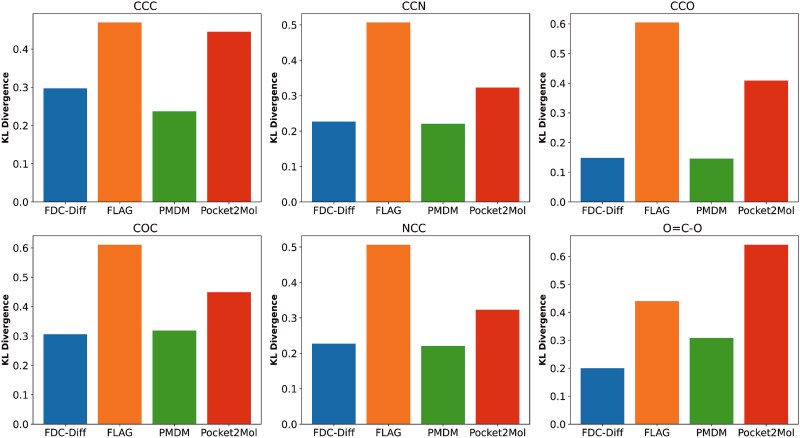 Figure 5
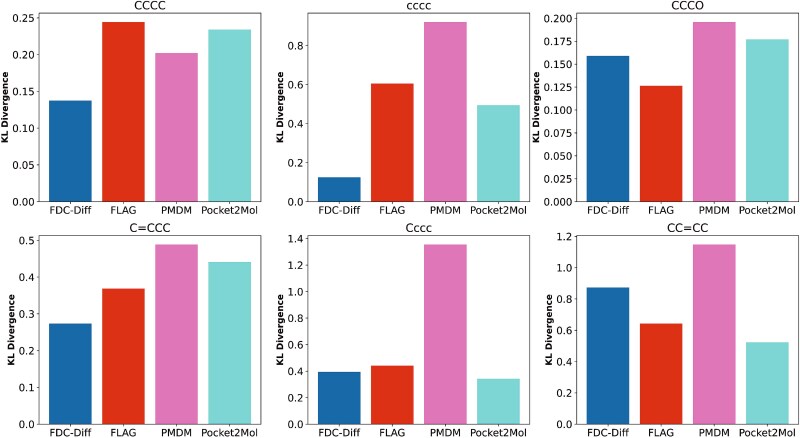 Figure 6
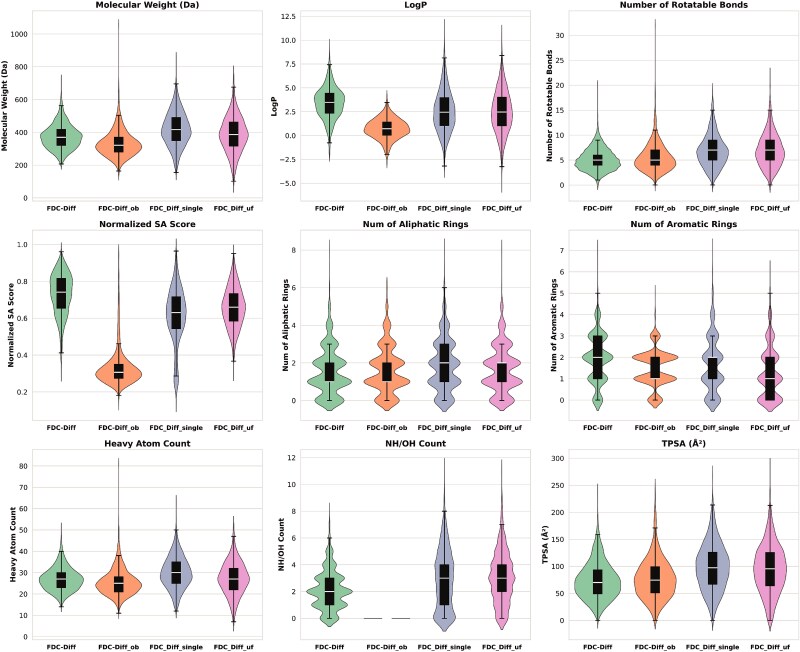 Figure 7
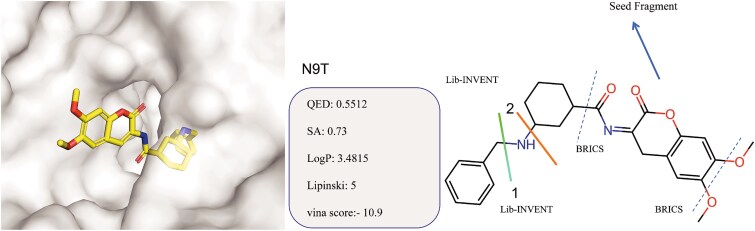 Figure 8
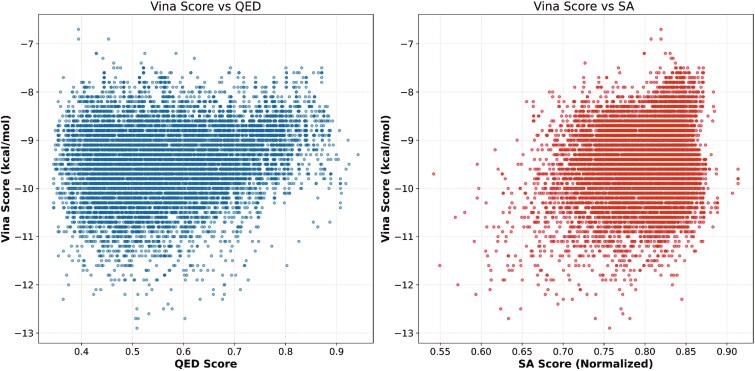 Figure 9
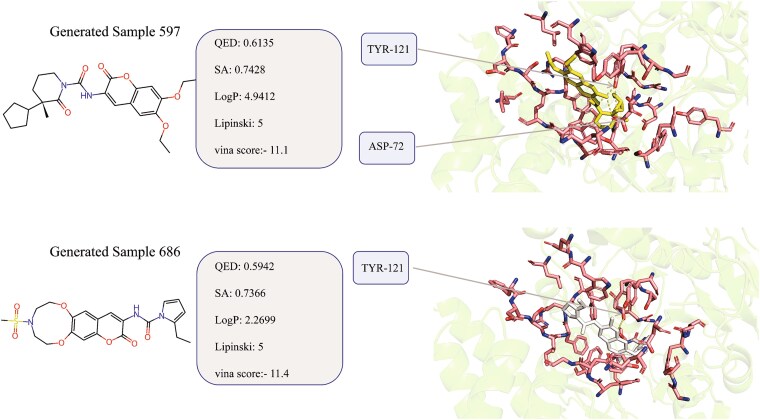 Figure 10
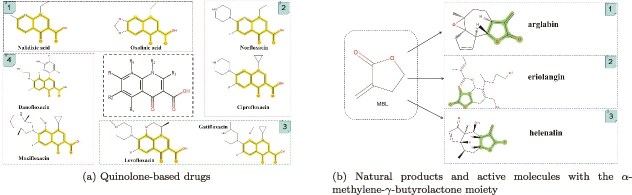 Figure 11
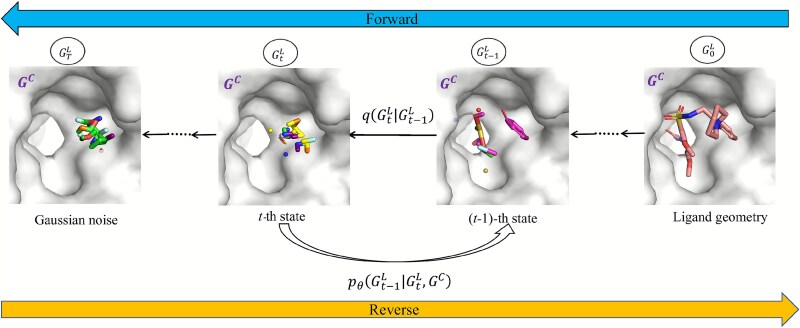 Figure 12
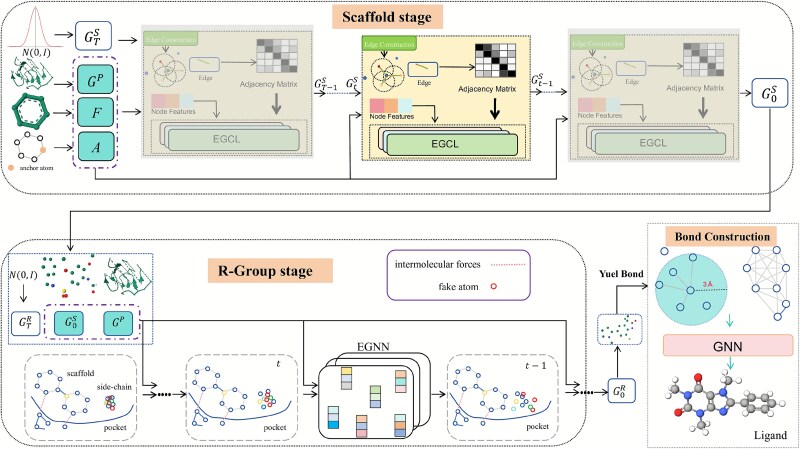 Figure 13
 Figure 14
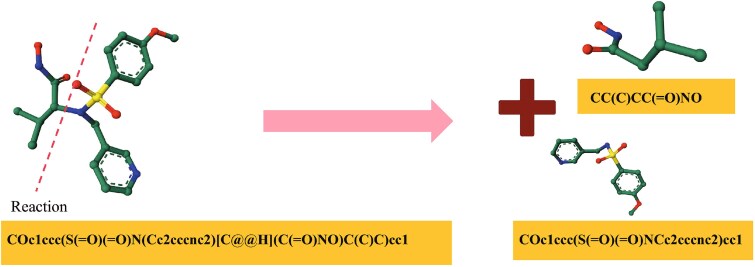 Figure 15
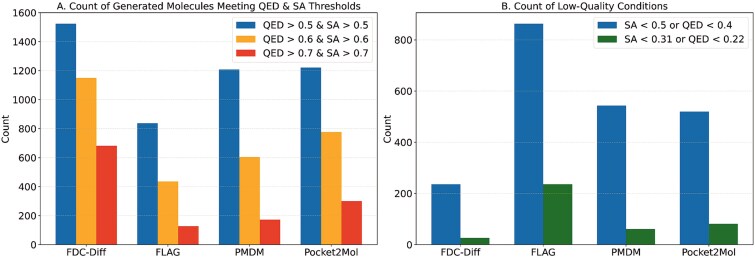 Figure 16
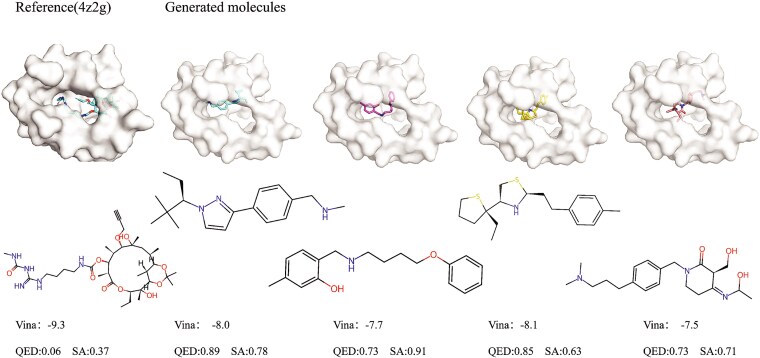 Figure 17
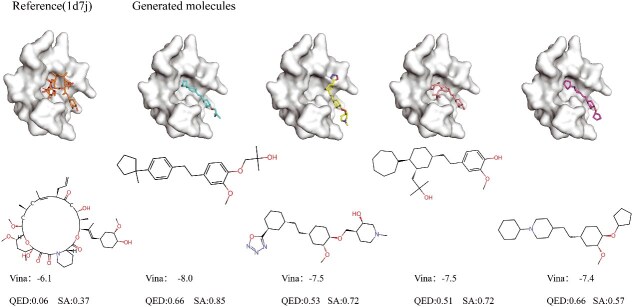 Figure 18
Peer Reviews
No public reviews on file for this paper yet. If you reviewed it on a platform where reviews are public (OpenReview, ICLR, NeurIPS, ICML), you can paste yours below so the community can read it here.
Videos
No videos yet. Explain this paper in a talk, walkthrough, or lecture? Add one.
Taxonomy
TopicsComputational Drug Discovery Methods · Biochemical and Structural Characterization · Protein Structure and Dynamics