Synthesis and anti-proliferative activity of new E7010 tethered urea congeners as potential tubulin inhibitors and apoptosis inducers
Shaik Taj, Ganga Reddy Velma, Srinivasa Reddy Telukutla, Satyaveni Malasala, Anjali Sharma, Irfan Khan, Mohd Adil Shareef, Suresh K. Bhargava, Magdalena Plebanski, Bathini Nagendra Babu, Ahmed Kamal

TL;DR
Researchers designed and tested new urea compounds that show strong anti-cancer activity by inhibiting tubulin and inducing cell death.
Contribution
The paper introduces new E7010-derived urea analogues with potent anti-proliferative activity and a clear mechanism of tubulin inhibition.
Findings
Compound 6q showed strong cytotoxicity against multiple cancer cell lines with IC50 values between 2.03 and 8.14 µM.
Compound 6q disrupts microtubule structure and arrests the cell cycle at the G2/M phase.
Molecular docking studies suggest 6q binds to the colchicine site of β-tubulin and induces apoptosis in A549 cells.
Abstract
A series of twenty-four 1-phenyl-3-(2-phenylpyridin-3-yl)urea congeners (6a–x) have been designed and synthesized. All these compounds were evaluated for their anti-cancer activity against four human cancer cell lines, including prostate cancer (DU-145), lung cancer (A549), cervical cancer (HeLa) and breast cancer (MDA-MB-231). Compound 6q emerged as the most potent in the series, showing consistently strong cytotoxicity against all tested cell lines, with IC50 values ranging from 2.03 to 8.14 µM. Further investigation into the mechanism of action of compound 6q revealed it can arrest cell cycle progression at the G2/M phase. Immunocytochemistry studies showed a notable disruption of microtubule structure in cells treated with 6q. Molecular docking studies provided strong evidence that compound 6q works by binding to the colchicine binding site of β-tubulin, with sequential hydrophilic…
Genes, proteins, chemicals, diseases, species, mutations and cell lines named across the full text — each resolved to its canonical identifier and authoritative record.
Click any figure to enlarge with its caption.
 Figure 1
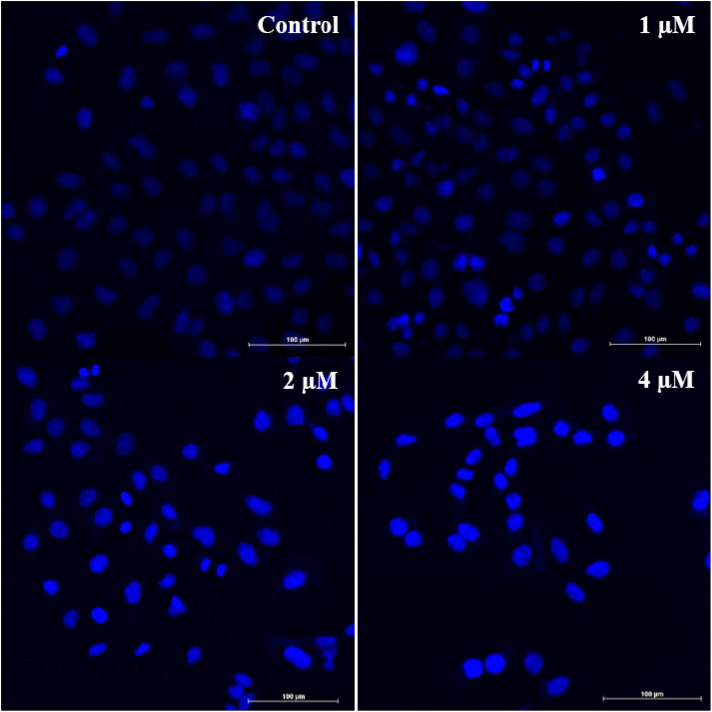 Figure 2
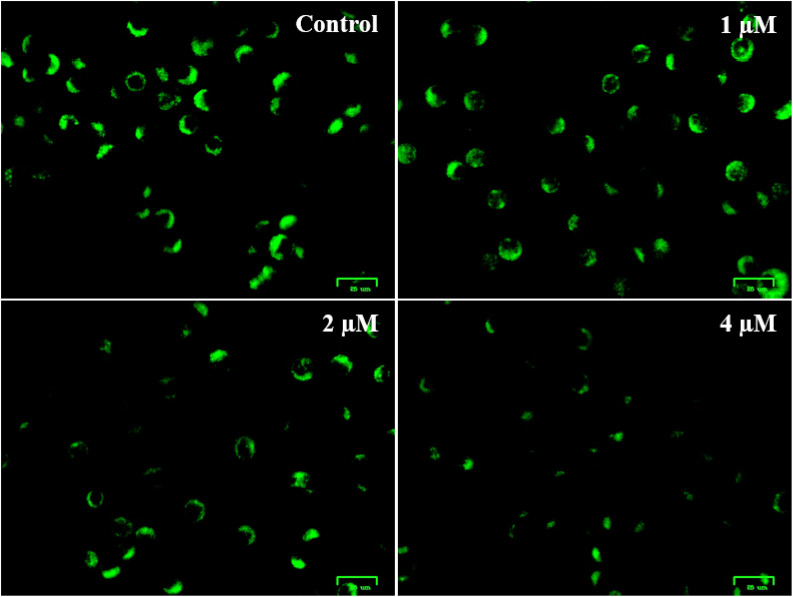 Figure 3
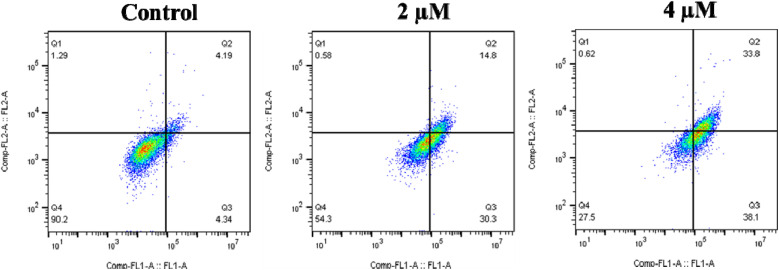 Figure 4
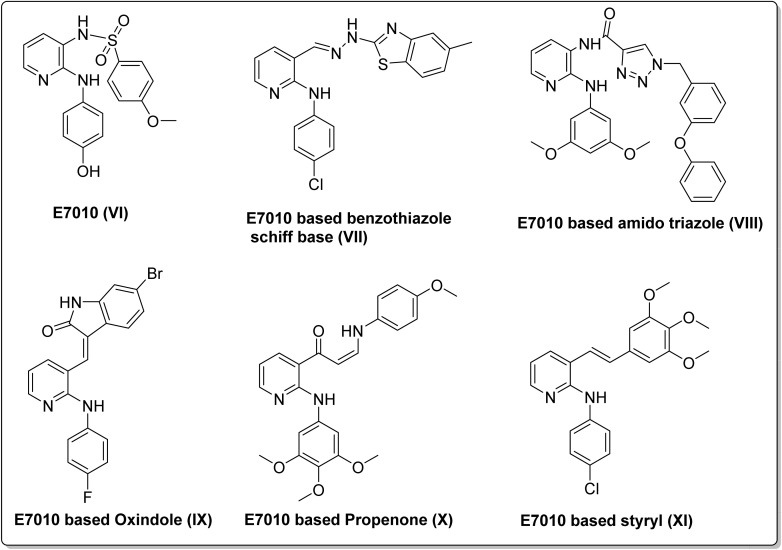 Figure 5
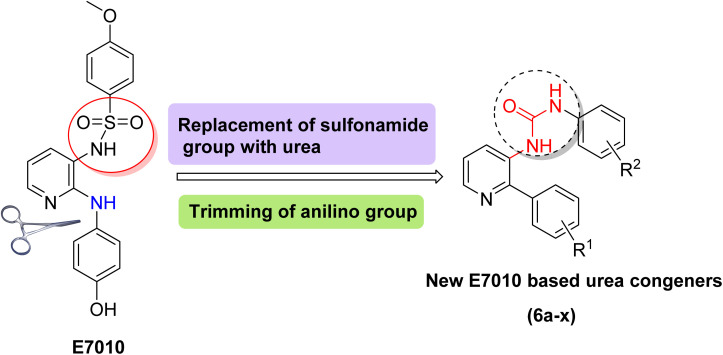 Figure 6
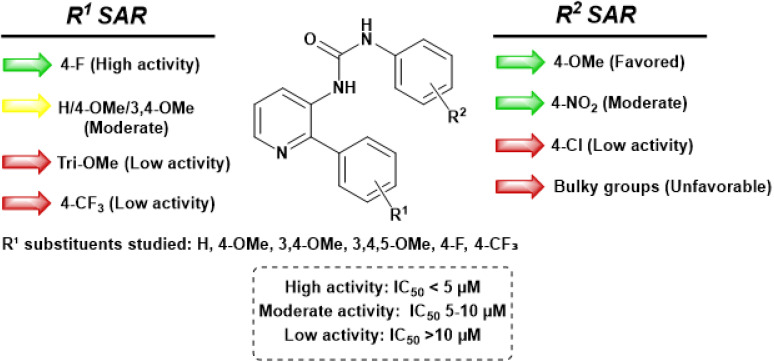 Figure 7
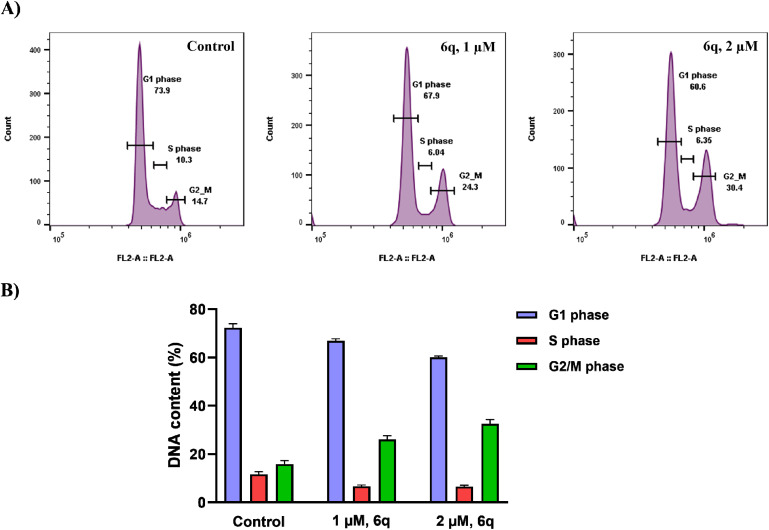 Figure 8
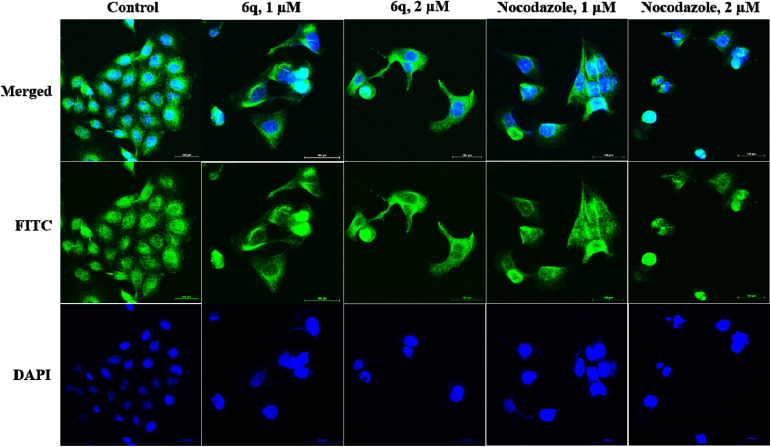 Figure 9
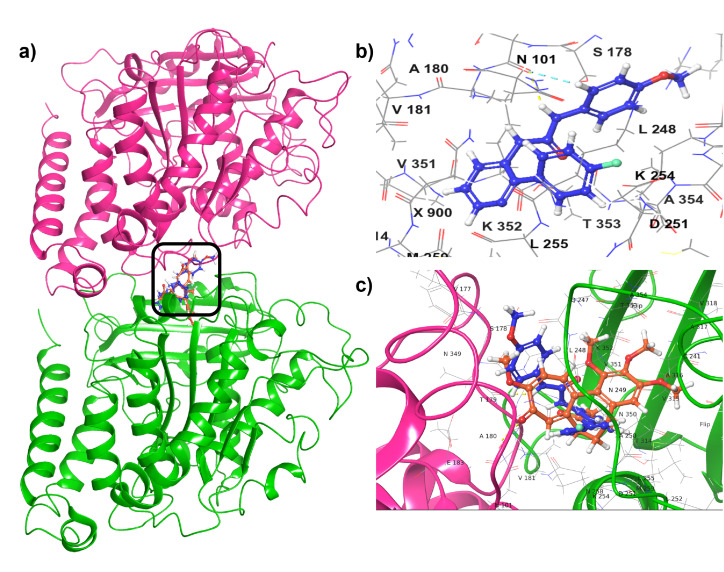 Figure 10
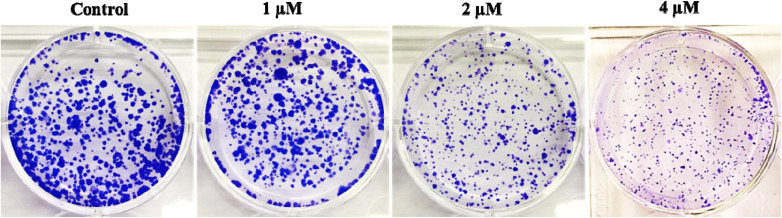 Figure 11
 Figure 12
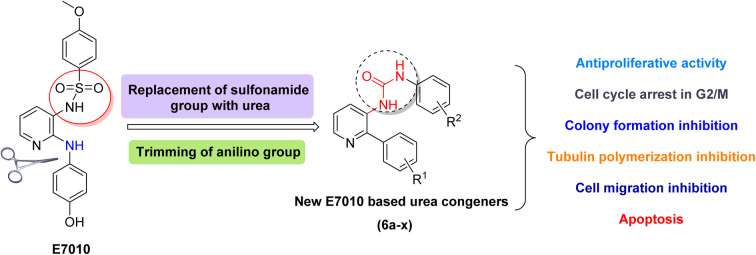 Figure 13
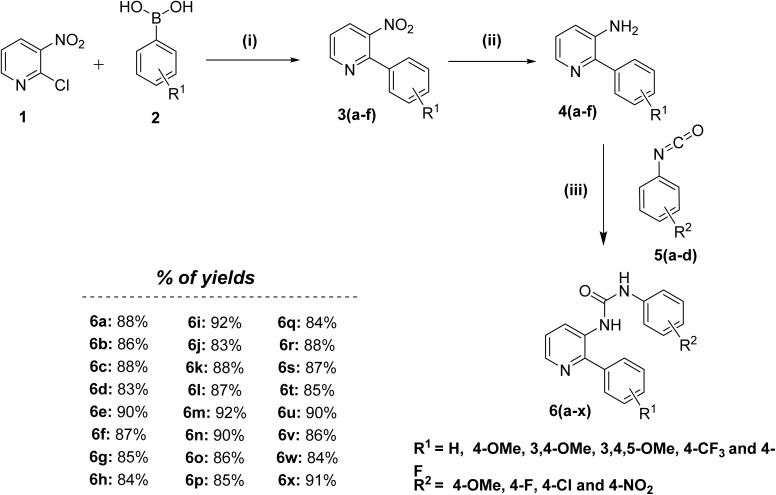 Figure 14
Peer Reviews
No public reviews on file for this paper yet. If you reviewed it on a platform where reviews are public (OpenReview, ICLR, NeurIPS, ICML), you can paste yours below so the community can read it here.
Videos
No videos yet. Explain this paper in a talk, walkthrough, or lecture? Add one.
Taxonomy
TopicsCancer, Hypoxia, and Metabolism · Organic and Inorganic Chemical Reactions · HIV/AIDS drug development and treatment