Behind the COVID-19 Curtain: A Rare Case of Autochthonous Pneumonic Tularemia in Portugal
Christine Canizes Paiva, David Lopes Sousa, João Pina Cabral, João Rua

TL;DR
A 63-year-old woman in Portugal was diagnosed with pneumonic tularemia, a rare disease caused by Francisella tularensis, during a SARS-CoV-2 infection.
Contribution
This is the first reported case of autochthonous pneumonic tularemia in Portugal.
Findings
A 63-year-old woman presented with pneumonia and SARS-CoV-2 infection.
Serology confirmed Francisella tularensis infection, and the patient improved with targeted treatment.
Abstract
The presence of Francisella tularensis has been well documented in Portugal; however, reports of human infection remain rare. We report the case of a 63-year-old woman presenting with pneumonia and SARS-CoV-2 infection. The relapsing course of infection, partial response to fluoroquinolone and macrolide antibiotics, and epidemiological background led to the suspicion of an underlying zoonotic disease. Serology later confirmed F. tularensis infection, and the patient improved under directed therapy. To the best of our knowledge, this is the first case of autochthonous pneumonic tularemia reported in Portugal.
Genes, proteins, chemicals, diseases, species, mutations and cell lines named across the full text — each resolved to its canonical identifier and authoritative record.
Click any figure to enlarge with its caption.
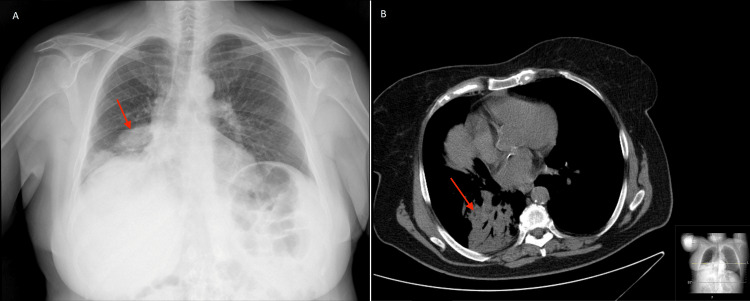 Figure 1
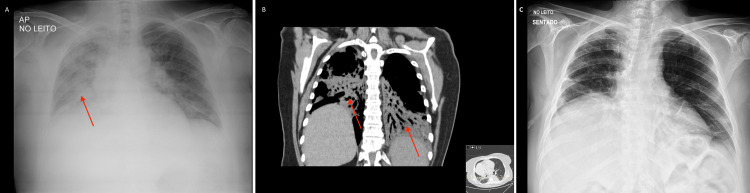 Figure 2
Peer Reviews
No public reviews on file for this paper yet. If you reviewed it on a platform where reviews are public (OpenReview, ICLR, NeurIPS, ICML), you can paste yours below so the community can read it here.
Videos
No videos yet. Explain this paper in a talk, walkthrough, or lecture? Add one.
Taxonomy
TopicsBacillus and Francisella bacterial research · Poxvirus research and outbreaks · SARS-CoV-2 and COVID-19 Research