Detection of return of spontaneous circulation during cardiopulmonary resuscitation using continuous carotid artery Doppler blood flow monitored by AI in an animal model
Raghava Vinaykanth Mushunuri, Bjorn Ove Faldaas, Frank Lindseth, Charlotte Bjork Ingul, Gabriel Kiss

TL;DR
A new AI-powered device called RescueDoppler can detect when blood flow returns during CPR in an animal model, improving the accuracy of identifying successful resuscitation.
Contribution
The novel RescueDoppler device with AI enables real-time detection of return of spontaneous circulation during CPR using carotid artery blood flow.
Findings
The model achieved 98% sensitivity and 97% specificity in detecting ROSC during CPR.
XAI heatmaps identified key features contributing to accurate AI predictions.
The two-stage classifier successfully distinguished between compression-only and compression with intrinsic cardiac activity.
Abstract
Manual pulse checks during cardiopulmonary resuscitation (CPR) to confirm return of spontaneous circulation (ROSC) are often unreliable and time- consuming. To address this, a novel RescueDoppler device has been developed, consisting of a small ultrasound probe that attaches to the neck and continuously monitors potential blood flow in the carotid artery. To provide automatic real-time feedback on ROSC using RescueDoppler carotid blood flow during cardiac arrest by employing advanced deep-learning techniques. We conducted two experiments using carotid blood flow velocity recordings from 9 pigs, with ventricular fibrillation induced via an implantable defibrillator. Experiment 1 included 2610 annotated heart cycles and used a simple classifier to distinguish compression (only manual) from ROSC signals. Experiment 2 involved 5140 cycles and employed a two- stage classifier: the first…
Genes, proteins, chemicals, diseases, species, mutations and cell lines named across the full text — each resolved to its canonical identifier and authoritative record.
Click any figure to enlarge with its caption.
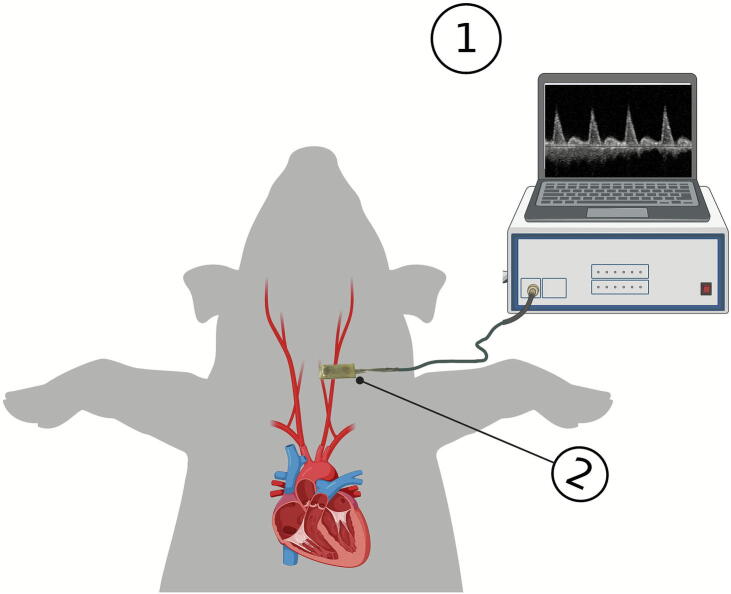 Figure 1
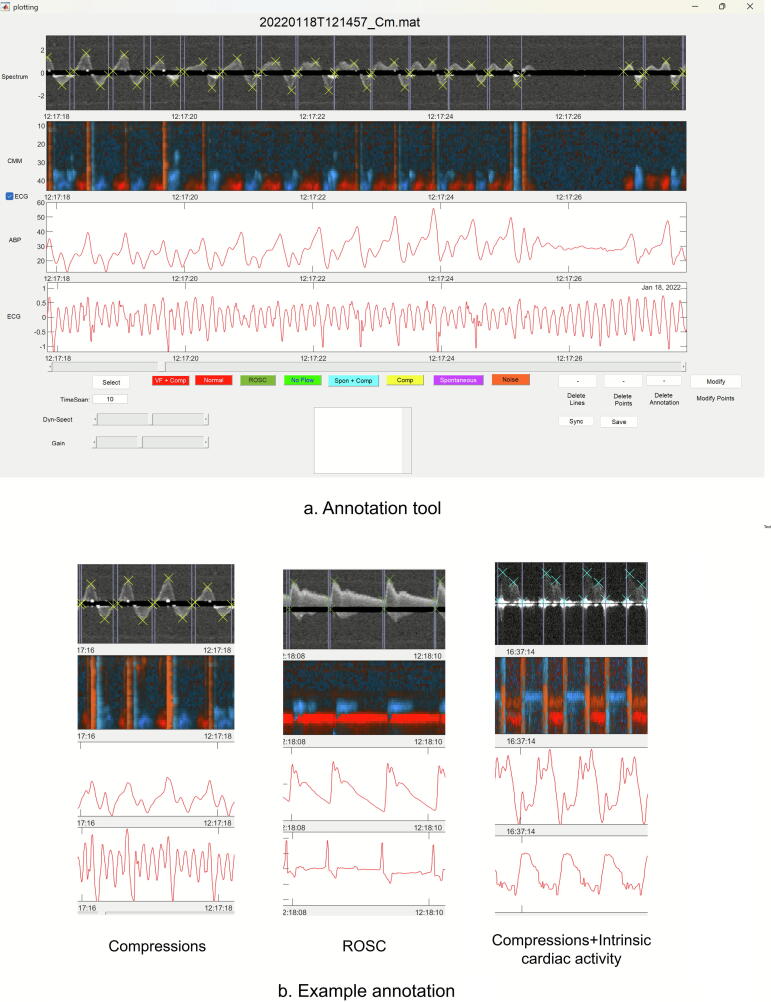 Figure 2
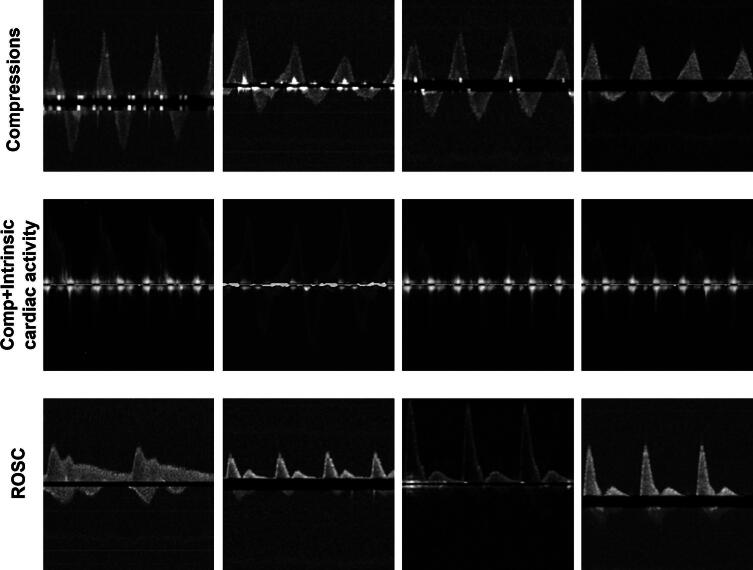 Figure 3
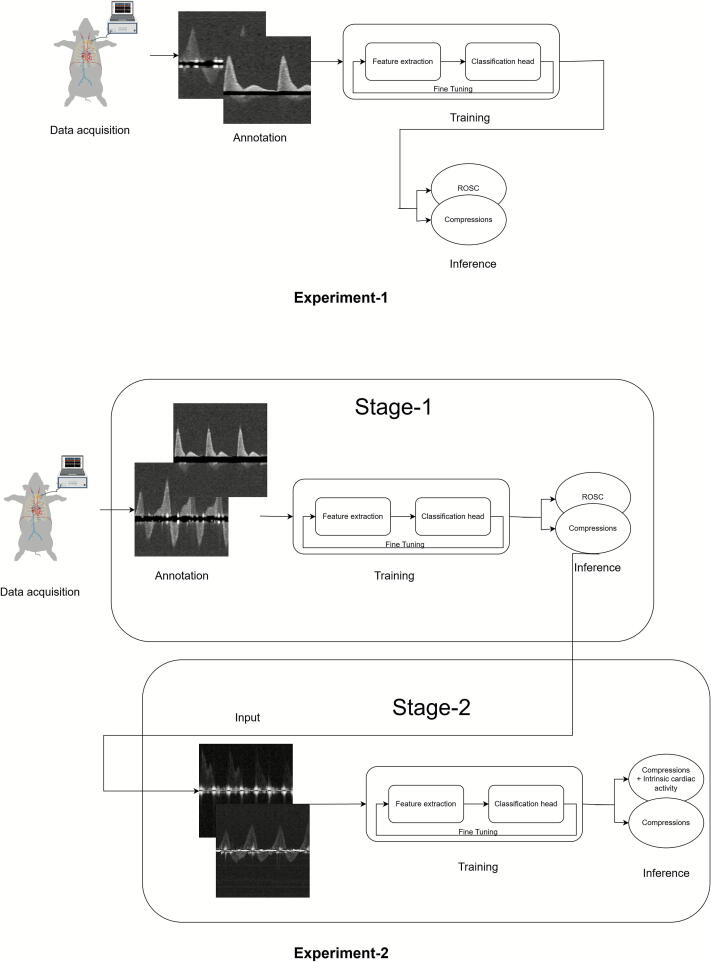 Figure 4
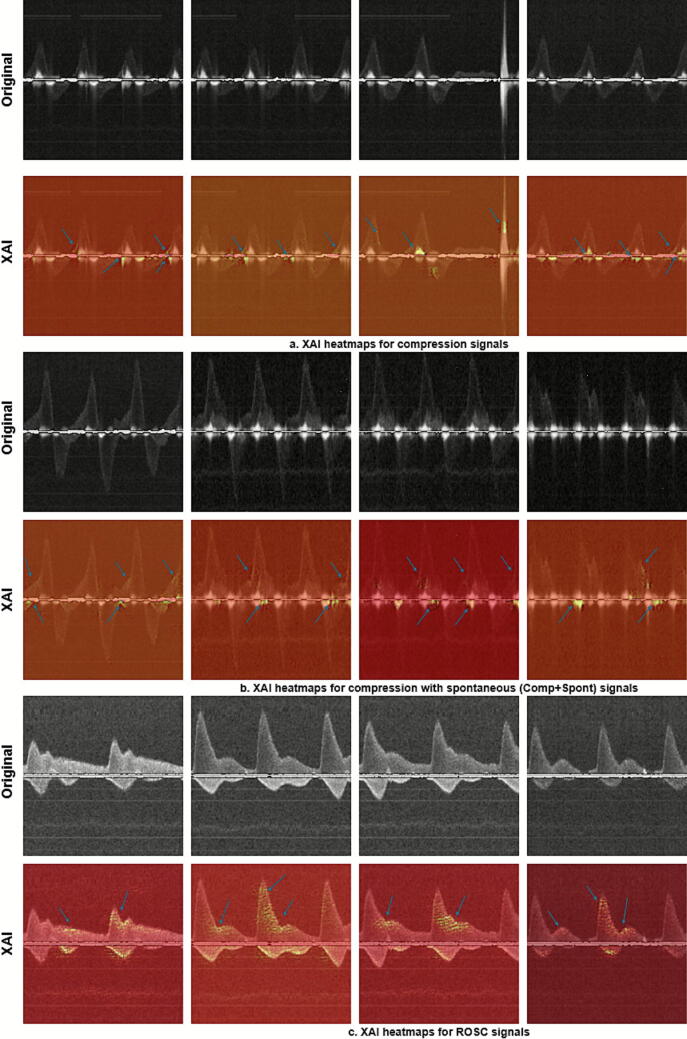 Figure 5
Peer Reviews
No public reviews on file for this paper yet. If you reviewed it on a platform where reviews are public (OpenReview, ICLR, NeurIPS, ICML), you can paste yours below so the community can read it here.
Videos
No videos yet. Explain this paper in a talk, walkthrough, or lecture? Add one.
Taxonomy
TopicsCardiac Arrest and Resuscitation · Mechanical Circulatory Support Devices · Traumatic Brain Injury and Neurovascular Disturbances