Cocrystal Engineering of Organic Semiconductors for Photovoltaic Applications: Modeling Excited-State Properties of a Charge Transfer Cocrystal of a Dicarbazole Donor and a Fluoranil Acceptor
Arkalekha Mandal, Chris Erik Mohn, Carl Henrik Görbitz, Anurag Roy

TL;DR
This paper explores a new organic semiconductor cocrystal that shows promise for efficient solar energy conversion due to its unique charge transfer properties and strong light absorption.
Contribution
The study introduces a novel cocrystal of a dicarbazole donor and fluoranil acceptor with demonstrated potential for photovoltaic applications.
Findings
The cocrystal CBP:(fluoranil)2 exhibits electron-dominant charge transport via superexchange mechanism.
The material has a narrow bandgap of ≈1.2 eV and high superexchange electron transfer integral of ≈100 meV.
Periodic DFT calculations predict a spectroscopy-limited maximum efficiency of 31% for photovoltaic applications.
Abstract
With the recent advancements in lightweight, flexible, and environmentally benign organic supramolecular aggregates for various optoelectronic applications, cocrystals of aromatic π-donors and π-acceptors have emerged as promising n-type semiconductors and near-infrared absorbers for enhanced photovoltaic properties. Herein, we demonstrate the electron-dominant charge transport and wide absorption spanning from ultraviolet (UV) to NIR-I region (375–800 nm) of a cocrystal with π-donor 4,4′-bis(carbazol-9-yl)biphenyl (CBP) and π-acceptor 1,4-tetrafluoro-p-benzoquinone (fluoranil) as the components. The crystal packing in CBP:(fluoranil)2 is characterized by mixed stacks of alternative CBP and fluoranil molecules tethered by strong face-to-face π···π stacking interactions. The electron-dominant charge transport in the CBP:(fluoranil)2 cocrystal is governed by the “superexchange” hopping…
Genes, proteins, chemicals, diseases, species, mutations and cell lines named across the full text — each resolved to its canonical identifier and authoritative record.
Click any figure to enlarge with its caption.
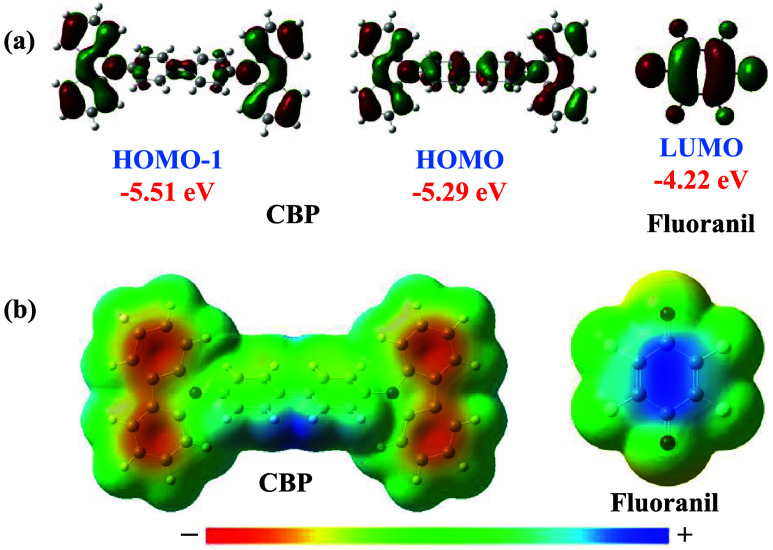 Figure 1
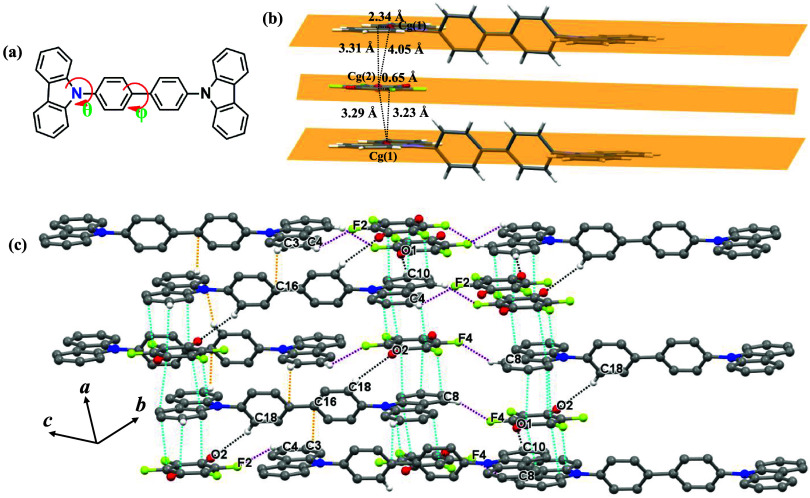 Figure 2
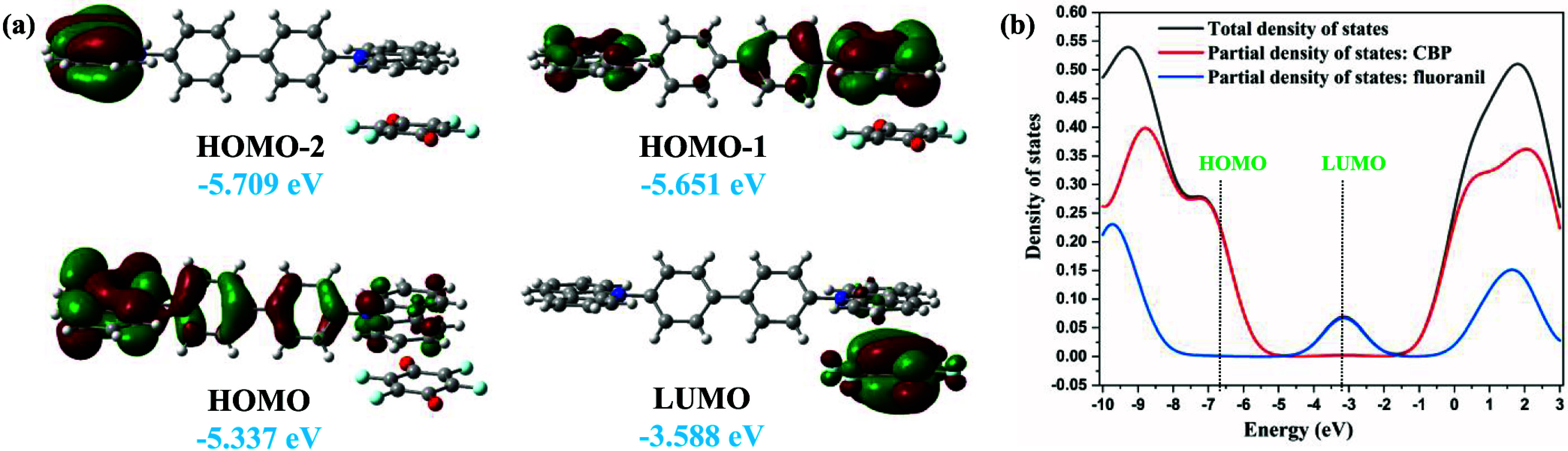 Figure 3
 Figure 4
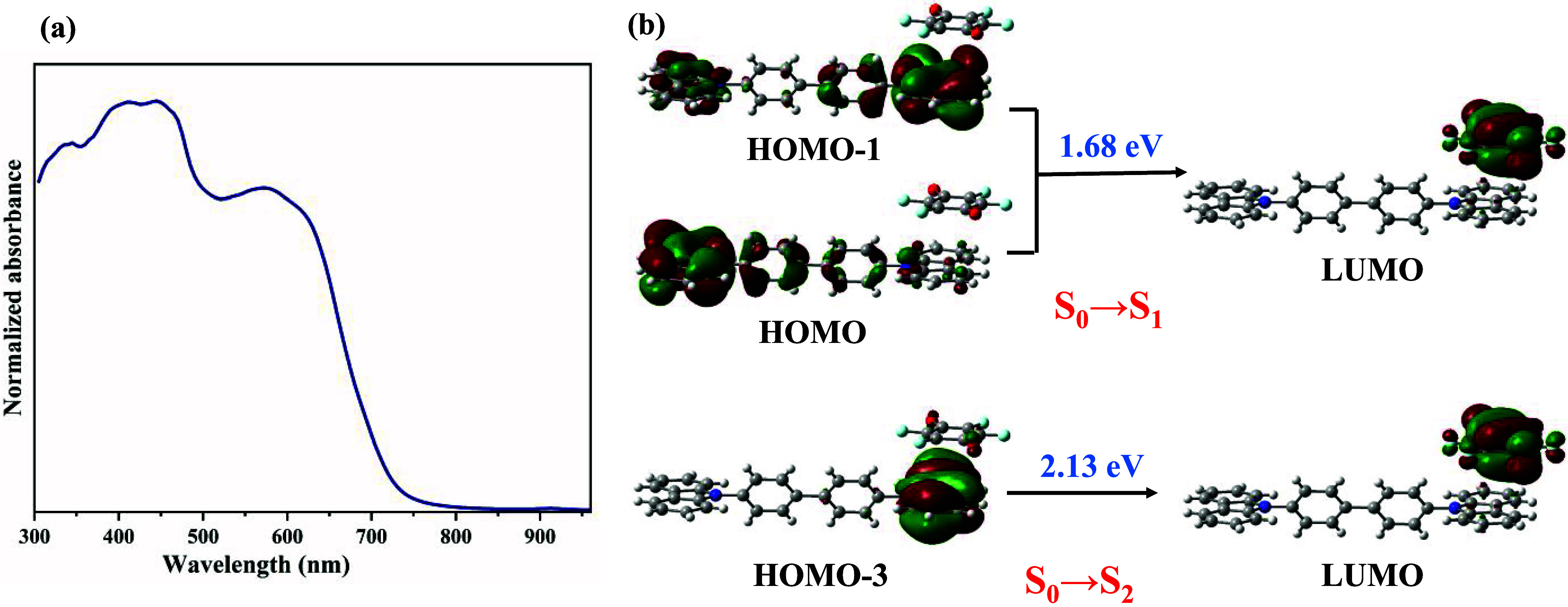 Figure 5
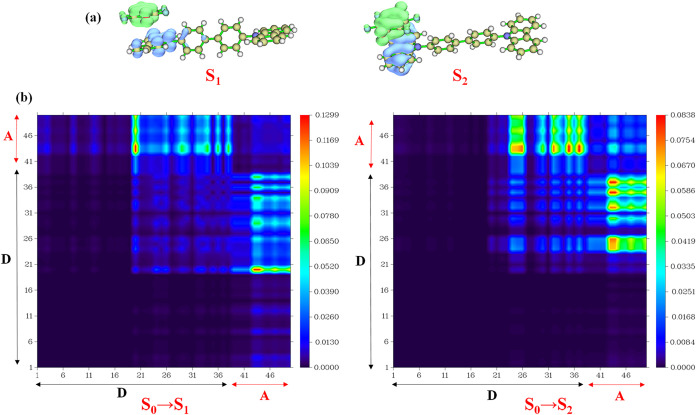 Figure 6
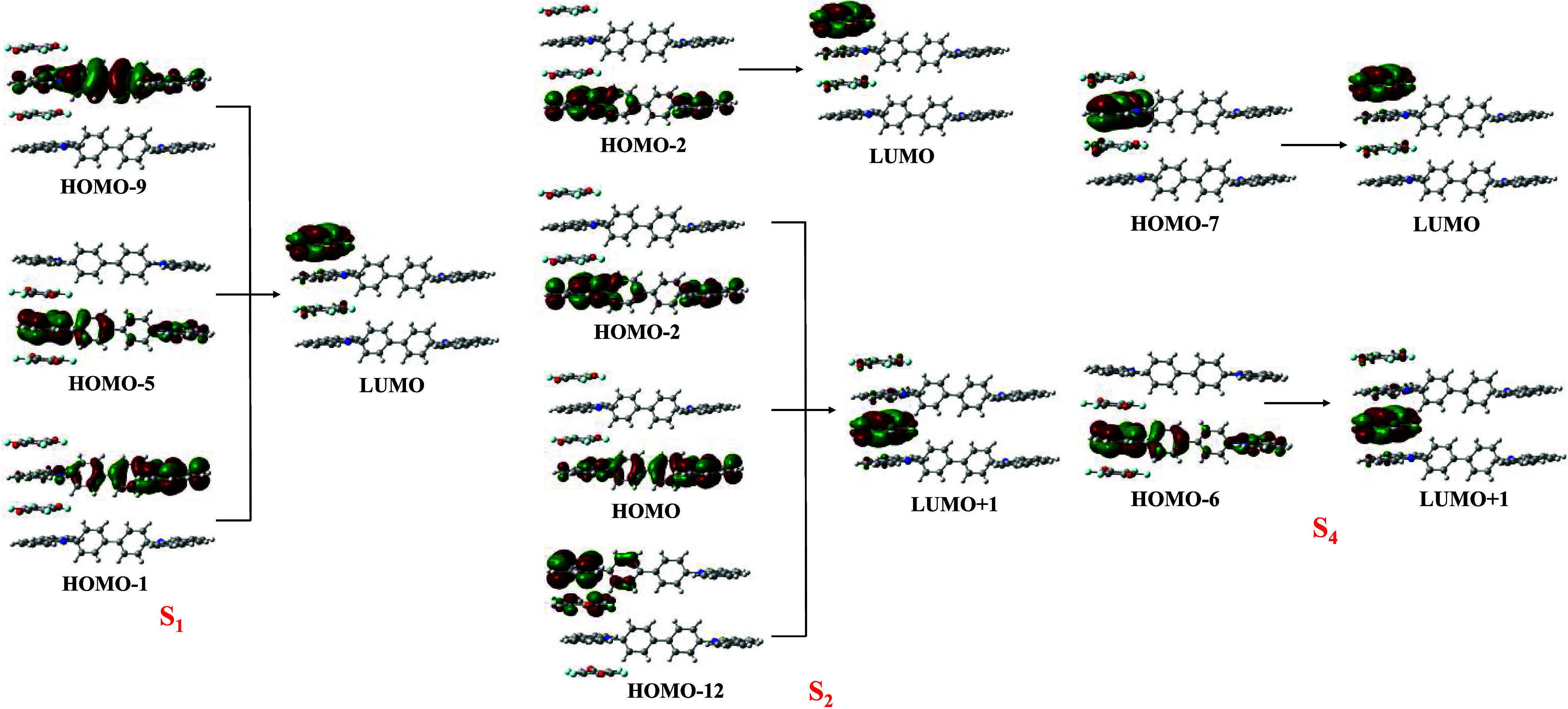 Figure 7
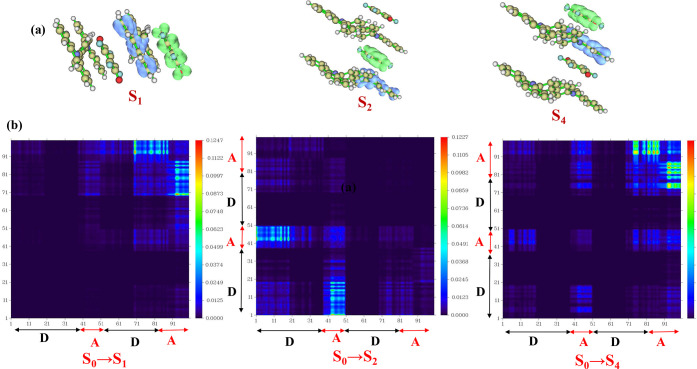 Figure 8
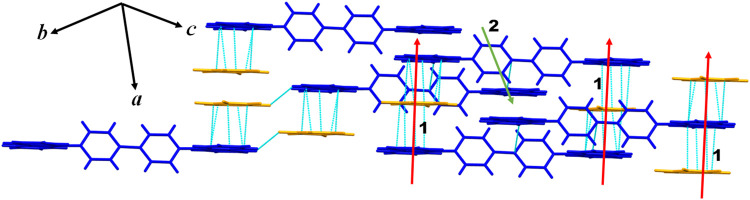 Figure 9
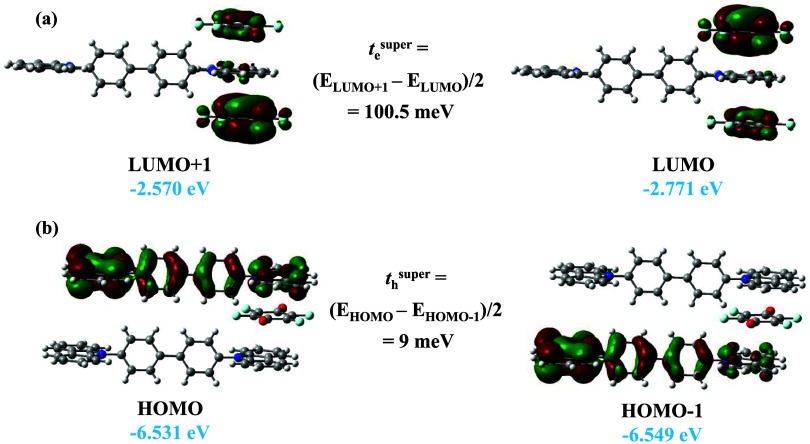 Figure 10
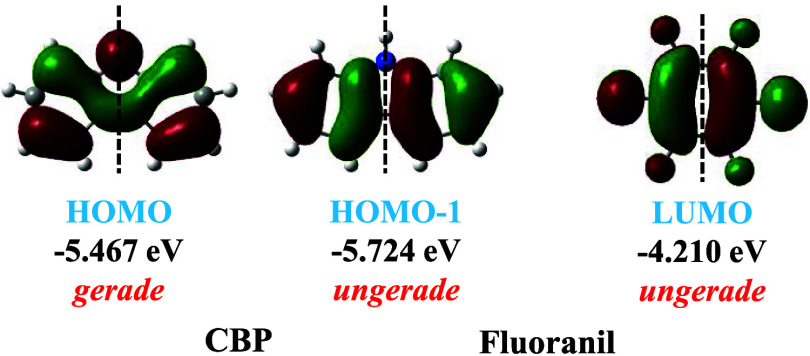 Figure 11
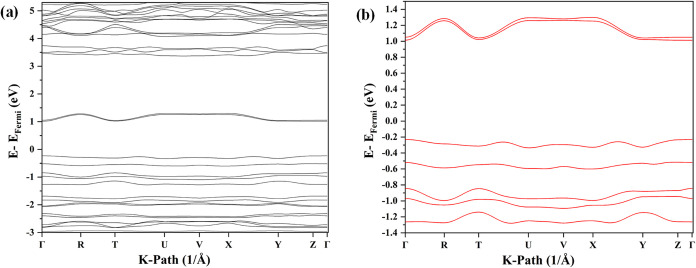 Figure 12
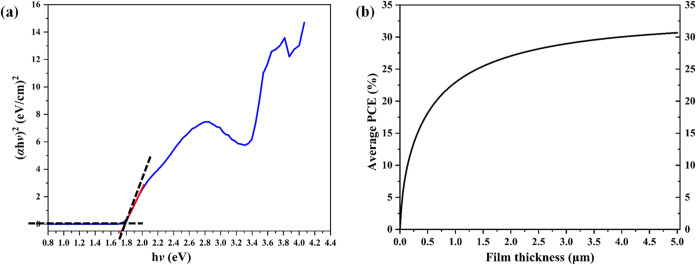 Figure 13
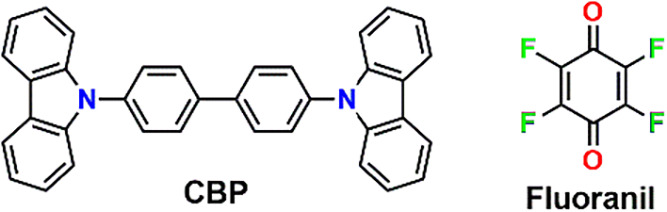 Figure 14
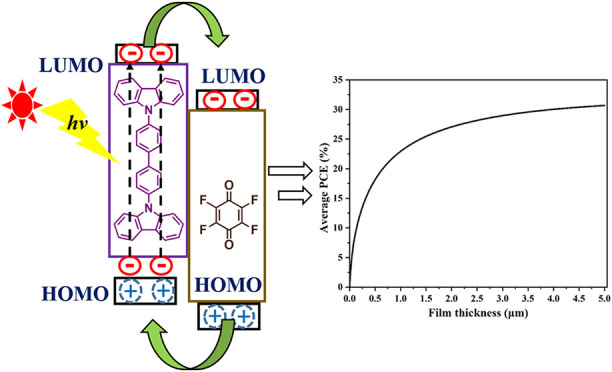 Figure 15
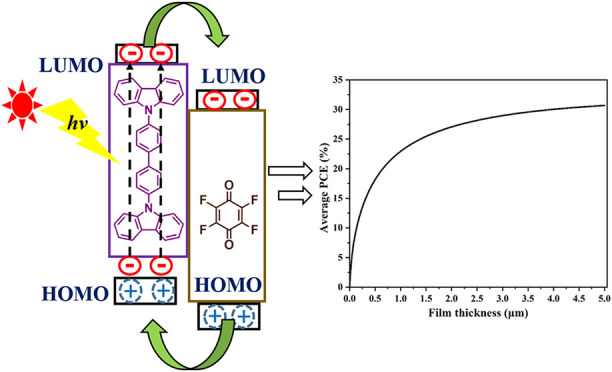 Figure 16
 Figure 17
 Figure 18
 Figure 19
 Figure 20
 Figure 21
 Figure 22
 Figure 23
Peer Reviews
No public reviews on file for this paper yet. If you reviewed it on a platform where reviews are public (OpenReview, ICLR, NeurIPS, ICML), you can paste yours below so the community can read it here.
Videos
No videos yet. Explain this paper in a talk, walkthrough, or lecture? Add one.
Taxonomy
TopicsLuminescence and Fluorescent Materials · Crystallography and molecular interactions · Organic Electronics and Photovoltaics