Halogen Bonds under Electric Field with Quantum Accuracy and Relativistic Basis Sets
Gabriele Ottanà, Simona Mastronardo, Petr Eminger, Klaudia Mráziková, Sebastiano Trusso, Franz Saija, Martin Ferus, Luigi Monsù Scolaro, Jing Xie, Matteo Tommasini, Giuseppe Cassone

TL;DR
This study investigates how halogen bonds respond to electric fields using quantum calculations, showing that relativistic effects significantly influence their behavior.
Contribution
The paper introduces a benchmark of relativistic basis sets for halogen bonds under electric fields, revealing their sensitivity compared to hydrogen bonds.
Findings
Relativistic treatments reduce exaggerated field responses in halogen bonds.
M06-2X functional shows accuracy comparable to correlated methods when using appropriate basis sets.
Halogen bonds are more sensitive to electric fields than hydrogen bonds.
Abstract
Halogen bonds (XBs) are a cornerstone of supramolecular chemistry, yet their response to external perturbations remains poorly investigated, particularly in systems with heavy elements where relativistic effects are significant. We benchmark two prototypical iodine-chloride X-bonded complexes, ClI···N(CH3)3 and ClI···NCH, under electric fields (EFs) using quantum chemical calculations up to CCSD and CCSD(T). Relativistic basis sets, including the all-electron jorge-TZP-DKH, are assessed against non-relativistic and pseudopotential-based alternatives (def2-TZVP, SDD, LANL2DZ) for their impact on XB geometries, binding energies, vibrational Stark shifts, and electron density redistribution. Explicit relativistic treatments substantially reduce the exaggerated field response otherwise observed. Benchmarking M06-2X and B3LYP with various basis sets against correlated methods confirms the…
Genes, proteins, chemicals, diseases, species, mutations and cell lines named across the full text — each resolved to its canonical identifier and authoritative record.
Click any figure to enlarge with its caption.
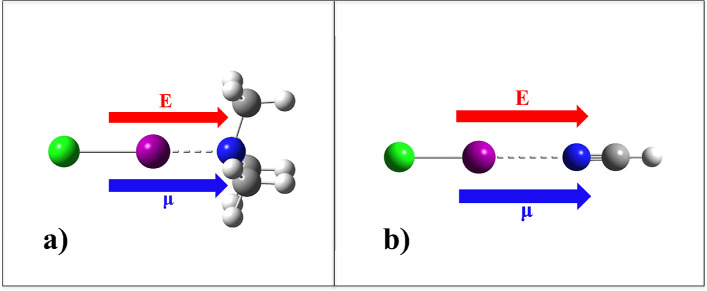 Figure 1
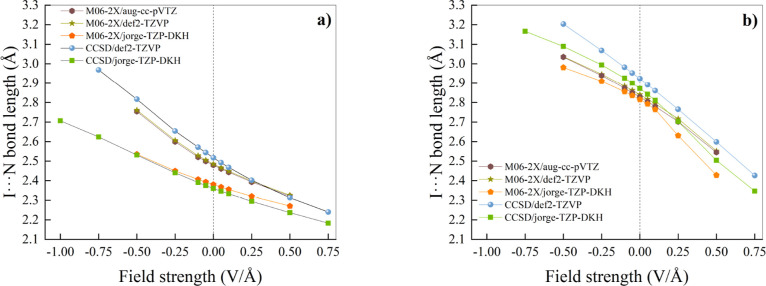 Figure 2
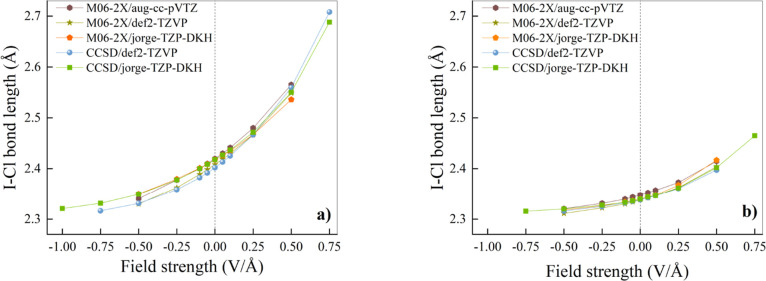 Figure 3
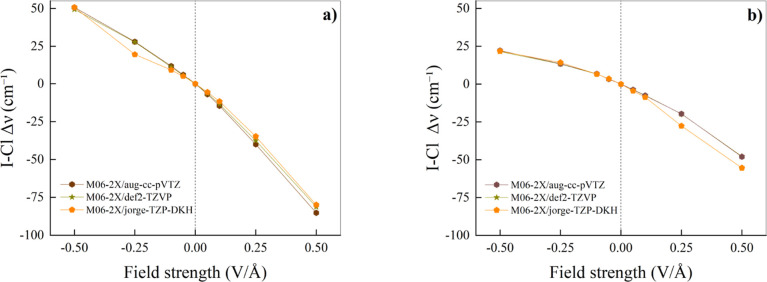 Figure 4
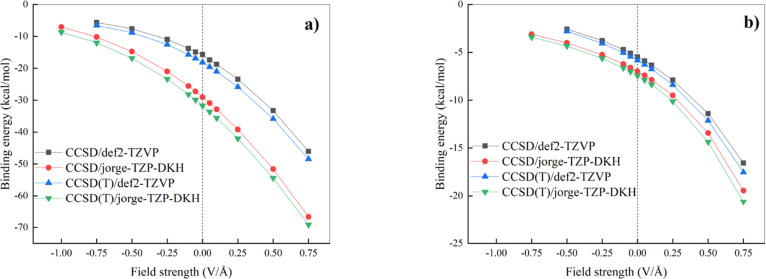 Figure 5
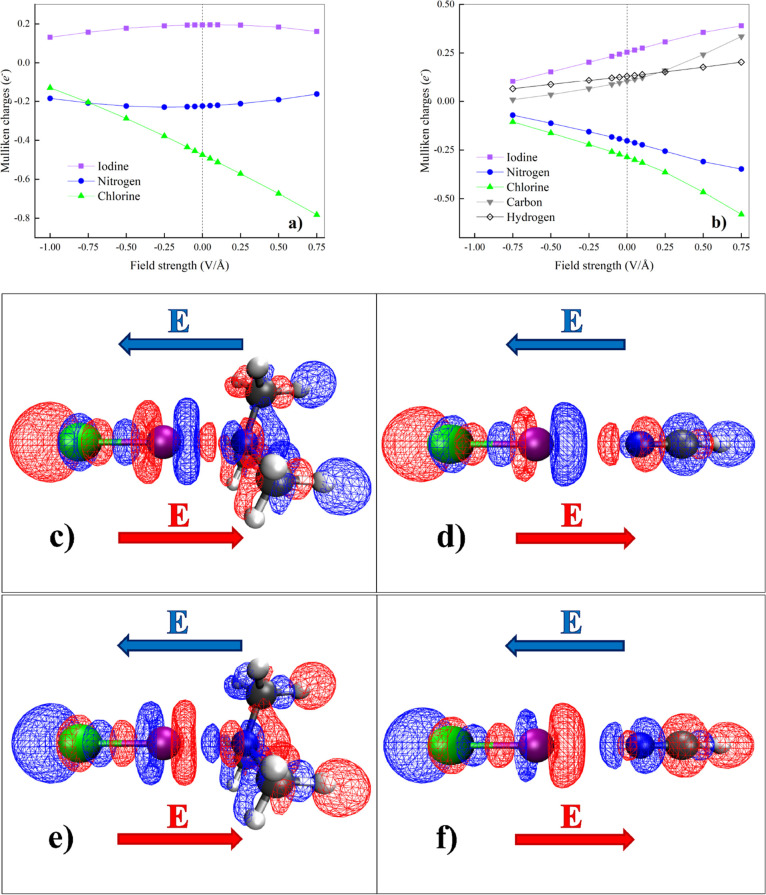 Figure 6
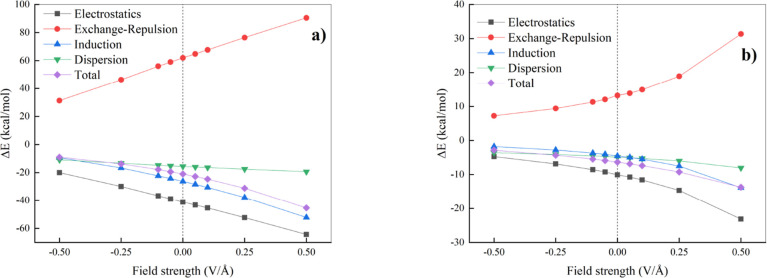 Figure 7
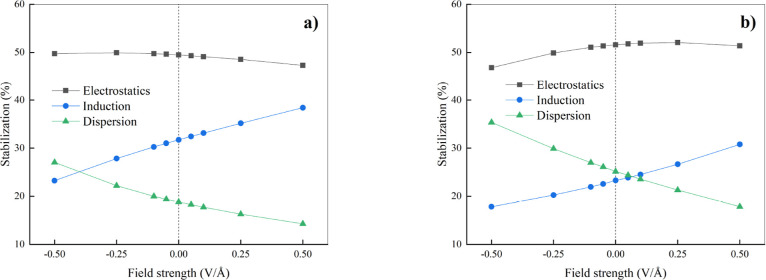 Figure 8
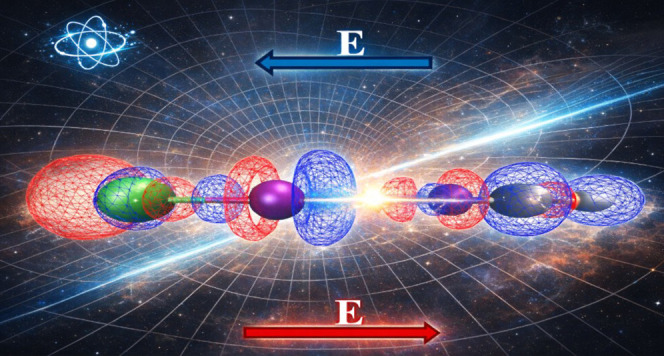 Figure 9
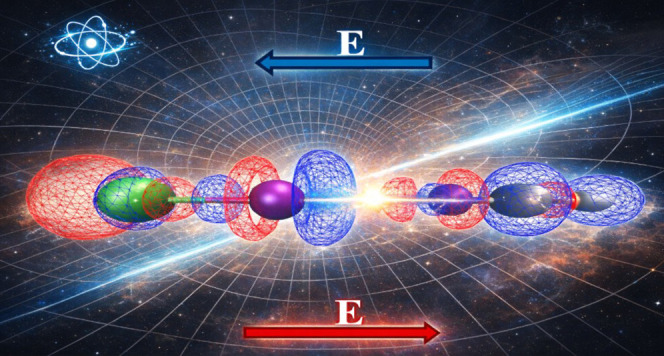 Figure 10
 Figure 11
 Figure 12
 Figure 13
 Figure 14
 Figure 15
 Figure 16
Peer Reviews
No public reviews on file for this paper yet. If you reviewed it on a platform where reviews are public (OpenReview, ICLR, NeurIPS, ICML), you can paste yours below so the community can read it here.
Videos
No videos yet. Explain this paper in a talk, walkthrough, or lecture? Add one.
Taxonomy
TopicsCrystallography and molecular interactions · Advanced Chemical Physics Studies · Synthesis and Properties of Aromatic Compounds