Synthesis and binding studies of two new coumarin-squaramide-based receptors for NSAIDs
Luca Mancini, Filippo Ingargiola, Giampaolo Barone, Patrizia Rossi, Mauro Formica, Eleonora Macedi, Martina Lippi, Luca Giorgi, Luca Prodi, Vieri Fusi, Daniele Paderni

TL;DR
Scientists created new coumarin-squaramide molecules that can bind to anti-inflammatory drugs, using hydrogen bonds and aromatic interactions.
Contribution
The paper introduces two new coumarin-squaramide receptors specifically designed for NSAID anions.
Findings
L1 forms 2:1 ligand-to-anion adducts, while L2 forms 1:1 adducts with NSAID anions.
The receptors interact with NSAID carboxylates via hydrogen bonding and π-stacking.
UV-Vis, fluorescence, and NMR studies confirmed the binding ability of the receptors.
Abstract
Two new squaramide-based receptors containing coumarin units have been synthesized and characterized in both solution and solid states. L1 (3-(benzylamino)-4-((2-oxo-4-(trifluoromethyl)-2H-chromen-7-yl)amino)cyclobut-3-ene-1,2-dione) is a linear molecule, while L2 (4,4′-((1,3-phenylenebis(methylene))bis(azanediyl))bis(3-((2-oxo-4-(trifluoromethyl)-2H-chromen-7-yl)amino)cyclobut-3-ene-1,2-dione)) is an open chain ligand which results in the ditopic form of the simpler parent ligand L1. The new molecules have been designed to act as receptors for non-steroidal anti-inflammatory drugs (NSAIDs) possessing both squaramide units as double hydrogen bond (HB) donor sites that are able to interact with the carboxylate functions of the guests, and 4-trifluoromethylcoumarin moieties as aromatic photoactive domains to facilitate π-stacking or hydrophobic interactions with the drug's aromatic rings.…
Genes, proteins, chemicals, diseases, species, mutations and cell lines named across the full text — each resolved to its canonical identifier and authoritative record.
Click any figure to enlarge with its caption.
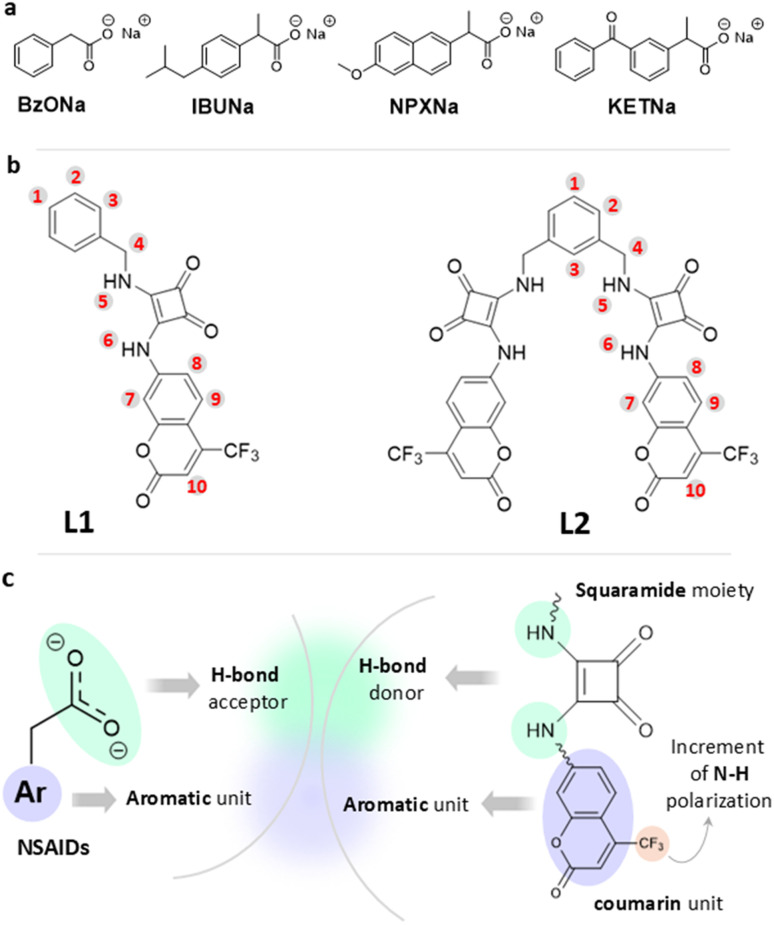 Figure 1
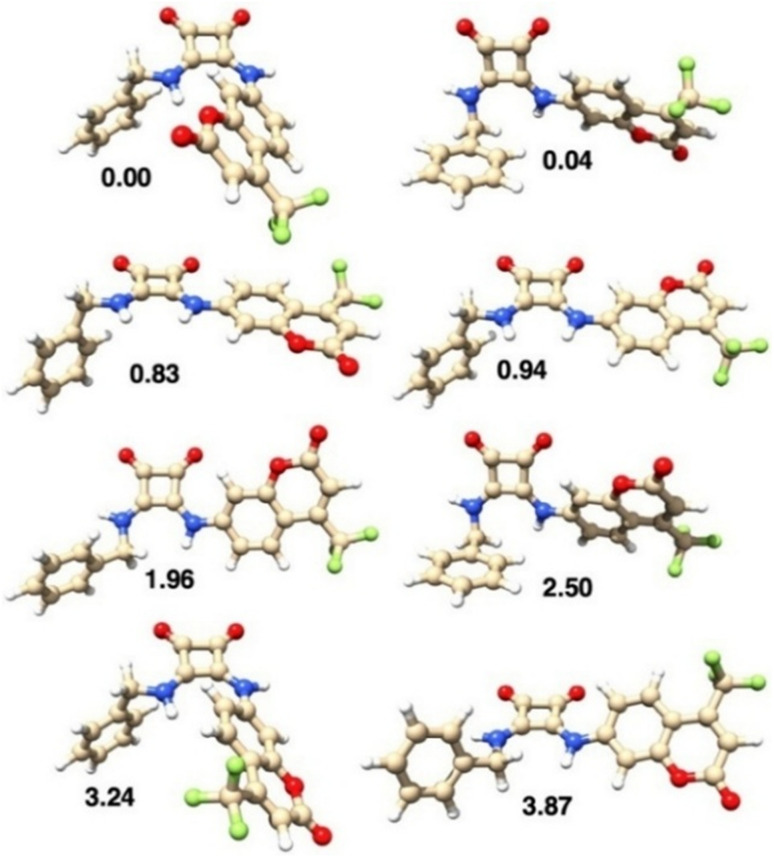 Figure 2
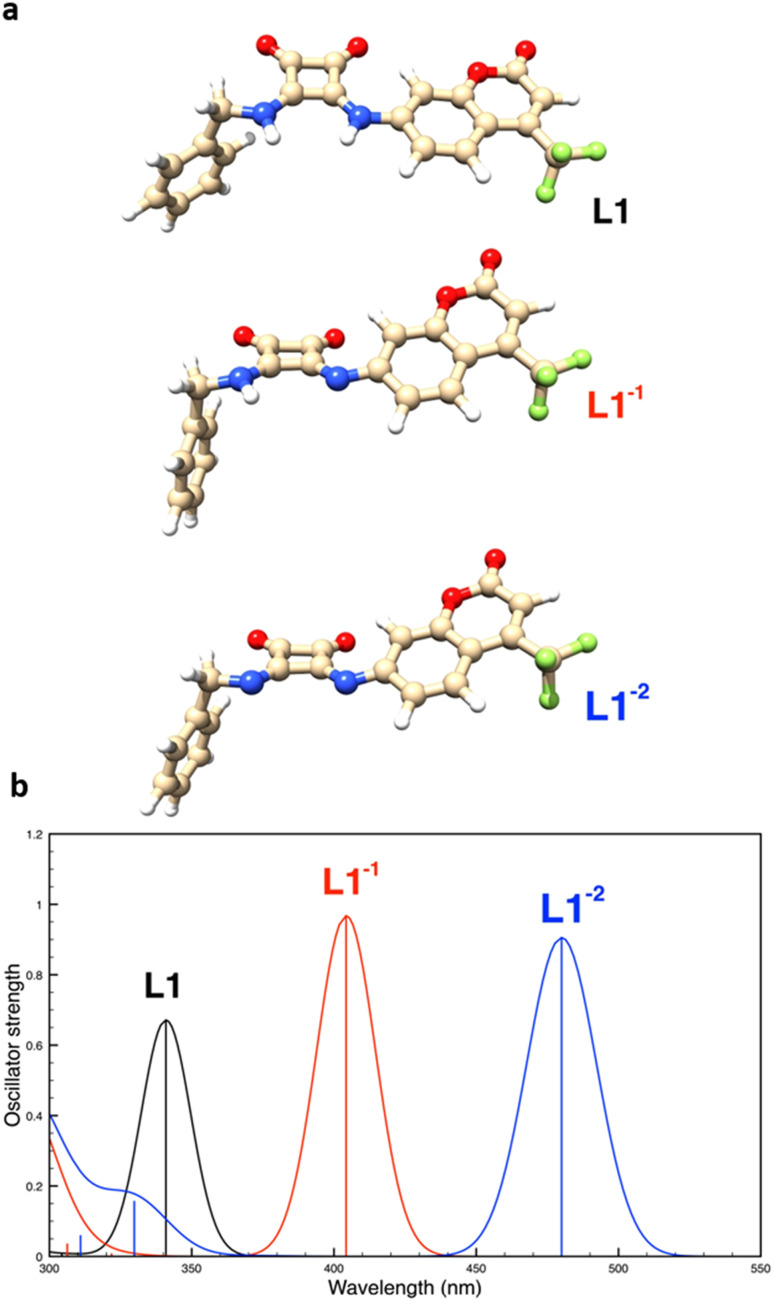 Figure 3
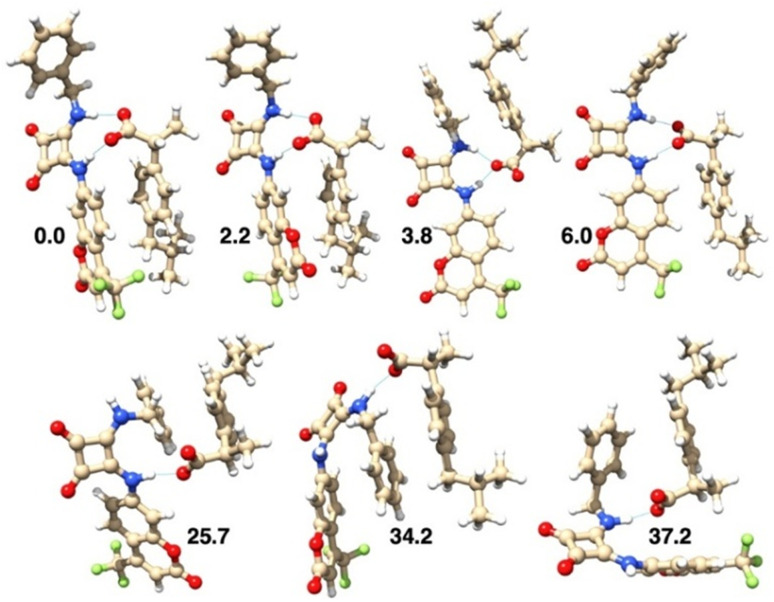 Figure 4
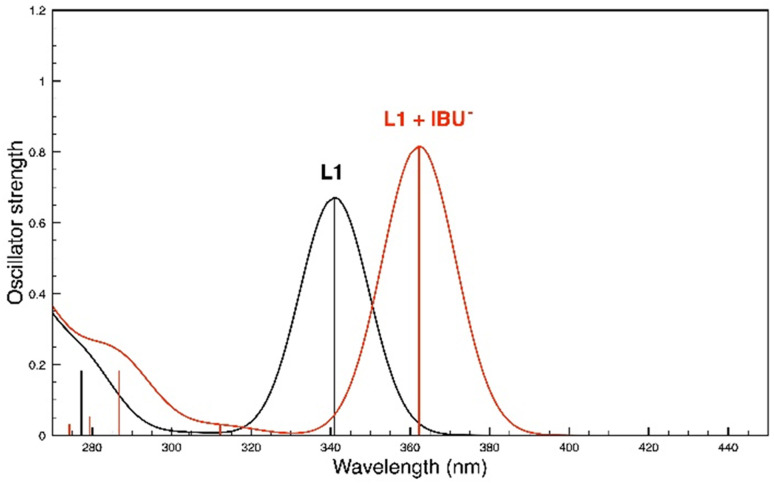 Figure 5
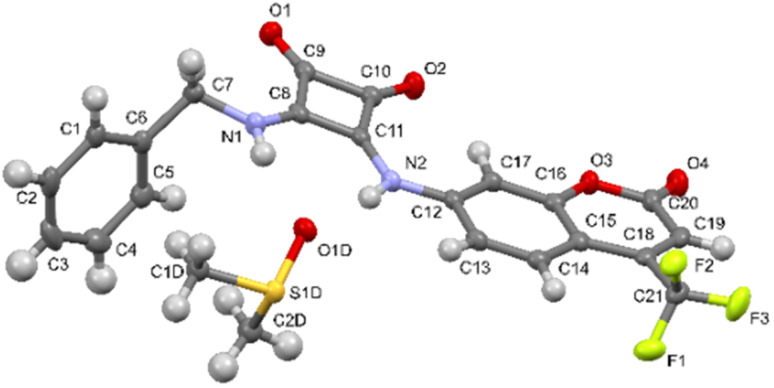 Figure 6
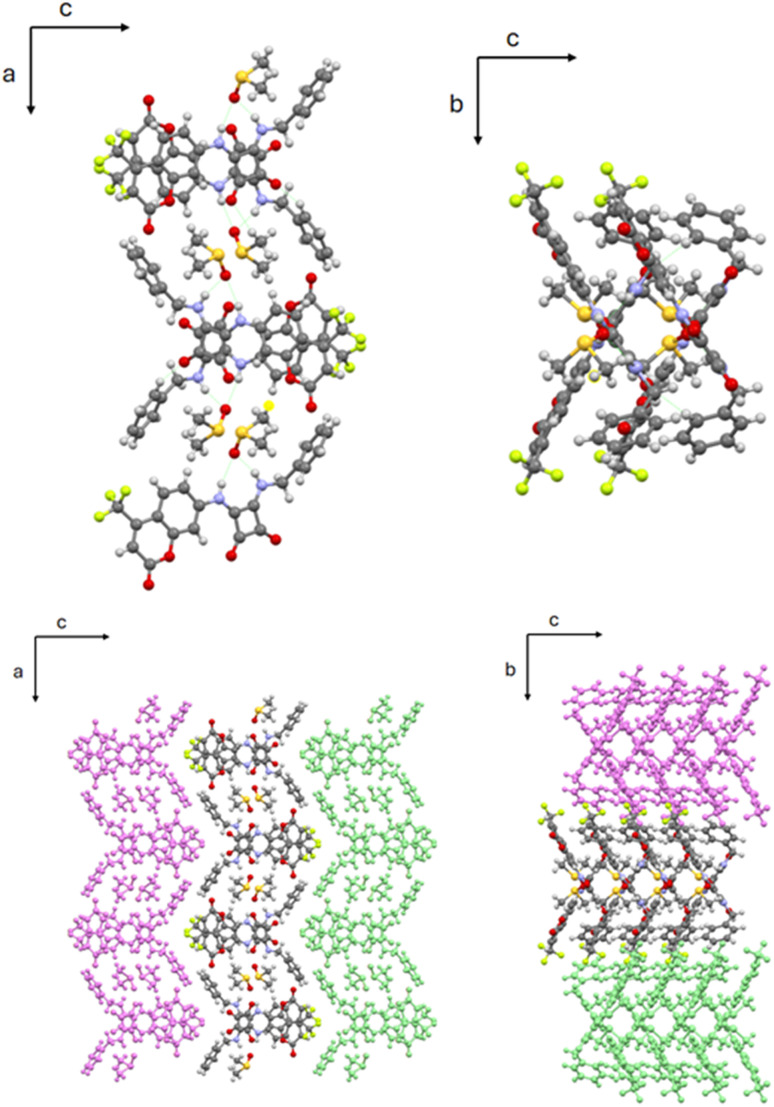 Figure 7
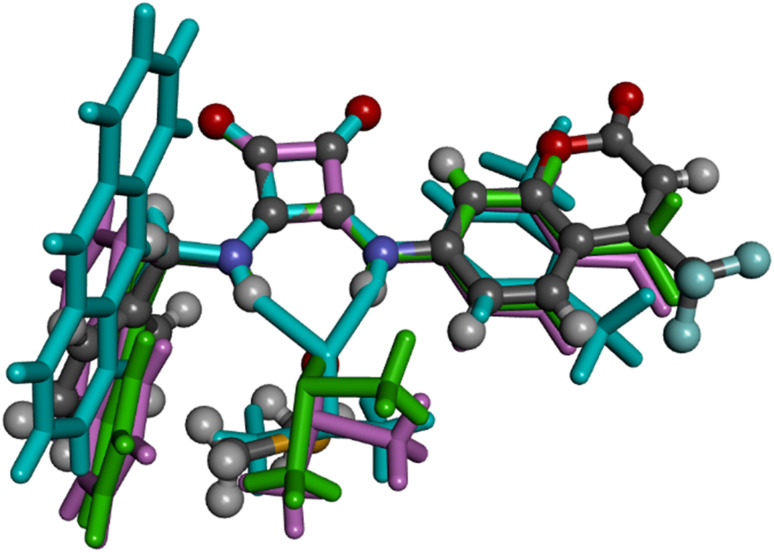 Figure 8
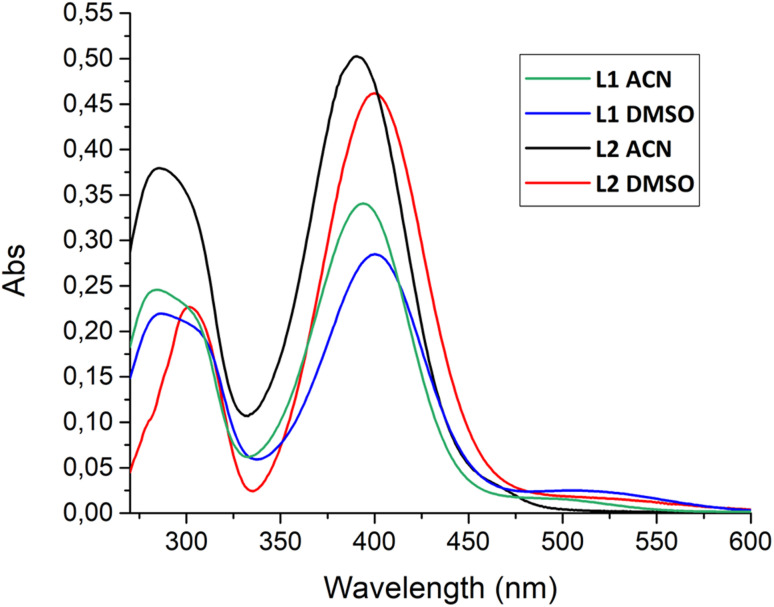 Figure 9
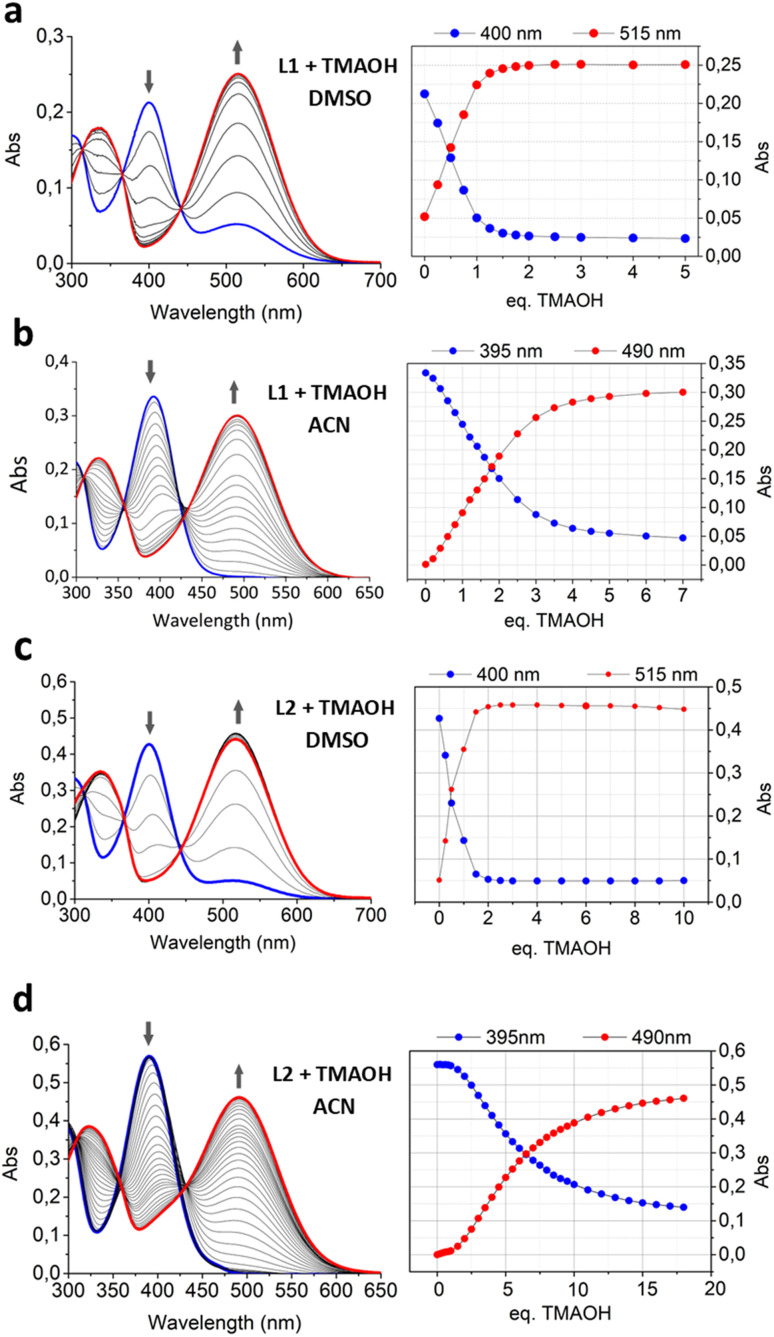 Figure 10
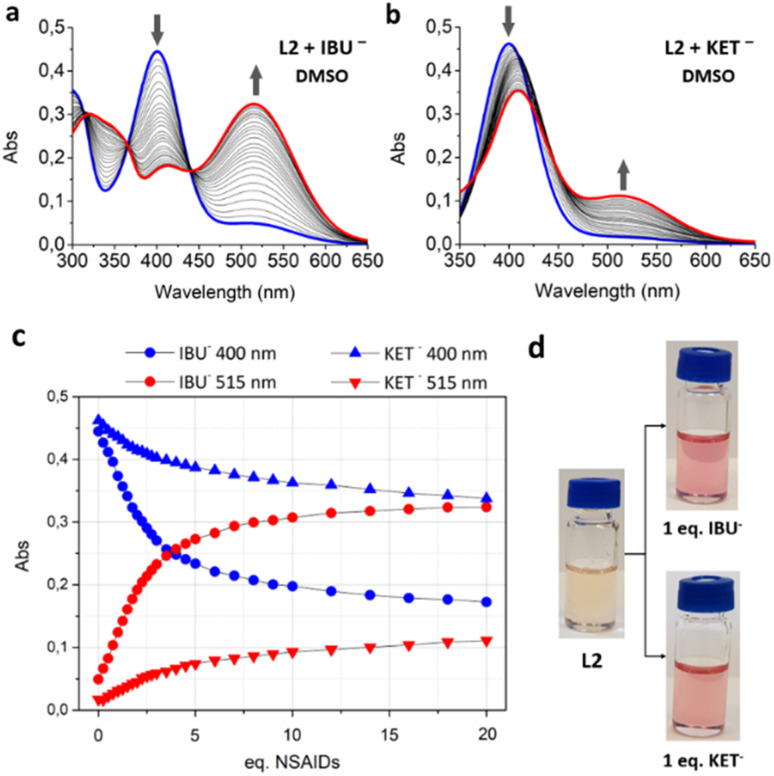 Figure 11
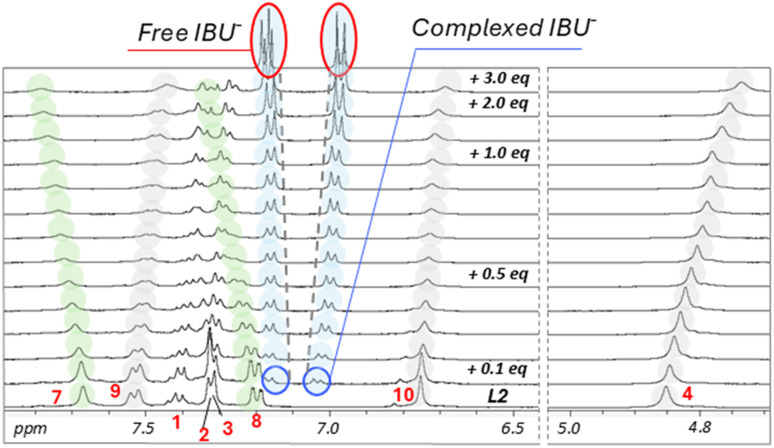 Figure 12
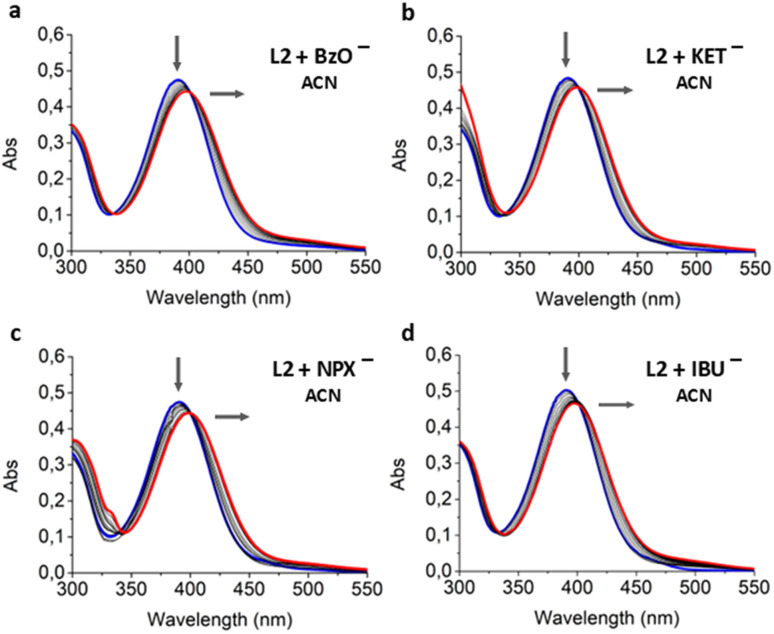 Figure 13
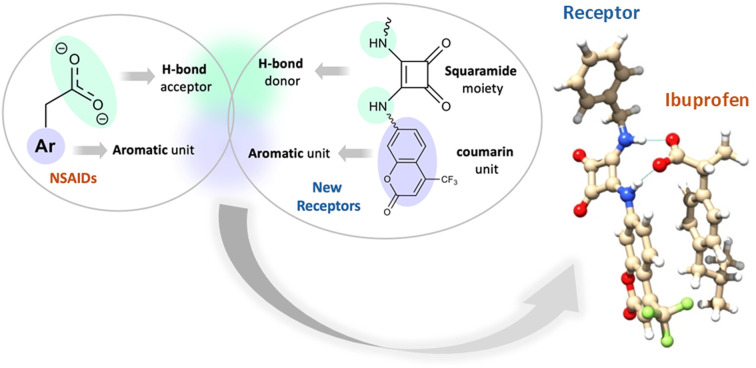 Figure 14
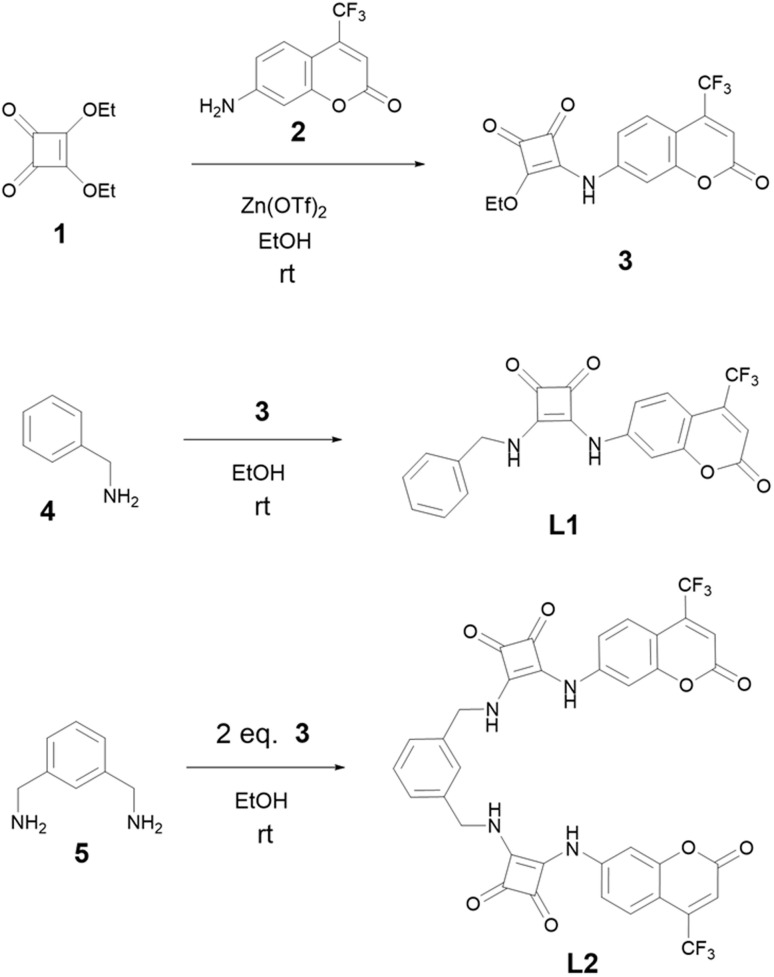 Figure 15
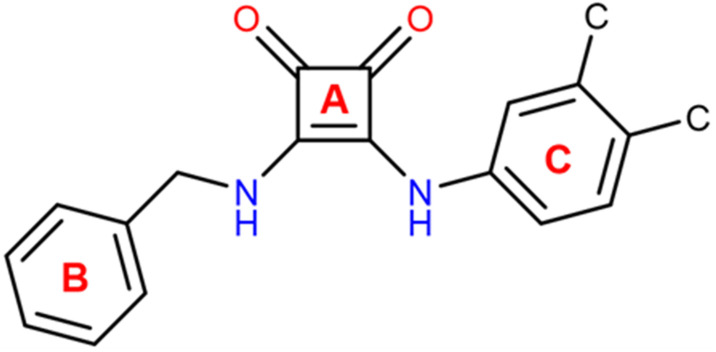 Figure 16
Peer Reviews
No public reviews on file for this paper yet. If you reviewed it on a platform where reviews are public (OpenReview, ICLR, NeurIPS, ICML), you can paste yours below so the community can read it here.
Videos
No videos yet. Explain this paper in a talk, walkthrough, or lecture? Add one.
Taxonomy
TopicsMolecular Sensors and Ion Detection · Crystallography and molecular interactions · Supramolecular Chemistry and Complexes