Dynamic Enantioconvergent Desaturation of 4,5-Disubstituted γ‑Lactones in Whole Cells of Rhodococcus erythropolis
Maria C. Cancellieri, Filip Boratyński, Stefano Serra, Dawid Hernik, Francesco G. Gatti

TL;DR
Scientists used bacteria to efficiently convert multiple forms of a chemical into a single desired product with high precision and sustainability.
Contribution
A novel biocatalytic method using Rhodococcus erythropolis cells for dynamic enantioconvergent desaturation of γ-lactones.
Findings
Whole cells of Rhodococcus erythropolis convert four stereoisomers of γ-butyrolactones into a single (R)-configured product with up to 99% enantiomeric excess.
The process involves a network of enzymes including esterases, alcohol dehydrogenases, ene-reductases, and ketoreductases.
The method was successfully applied to synthesize a key intermediate for forskolin, demonstrating its potential in sustainable chemistry.
Abstract
The α,β-desaturation of esters is one of the most challenging transformations in organic synthesis. While transition-metal-catalyzed methods have significantly advanced in the last decades, they often require high catalyst loading and nongreen solvents and rarely enable stereoselective transformations. Here we show that whole cells of Rhodococcus erythropolis enable a dynamic enantioconvergent desaturation of 4,5-disubstituted γ-butyrolactones (Quercus-like lactones), funneling all four initial stereoisomers into a single (R)-configured product with excellent enantioselectivity (up to ee 99%). Mechanistic investigations with deuterium-labeled substrates reveal a highly complex pathway involving multiple transformations catalyzed by a network of enzymes. The process includes lactone ring-opening by esterases, stereoselective oxidation of secondary alcohols by alcohol dehydrogenases…
Genes, proteins, chemicals, diseases, species, mutations and cell lines named across the full text — each resolved to its canonical identifier and authoritative record.
Click any figure to enlarge with its caption.
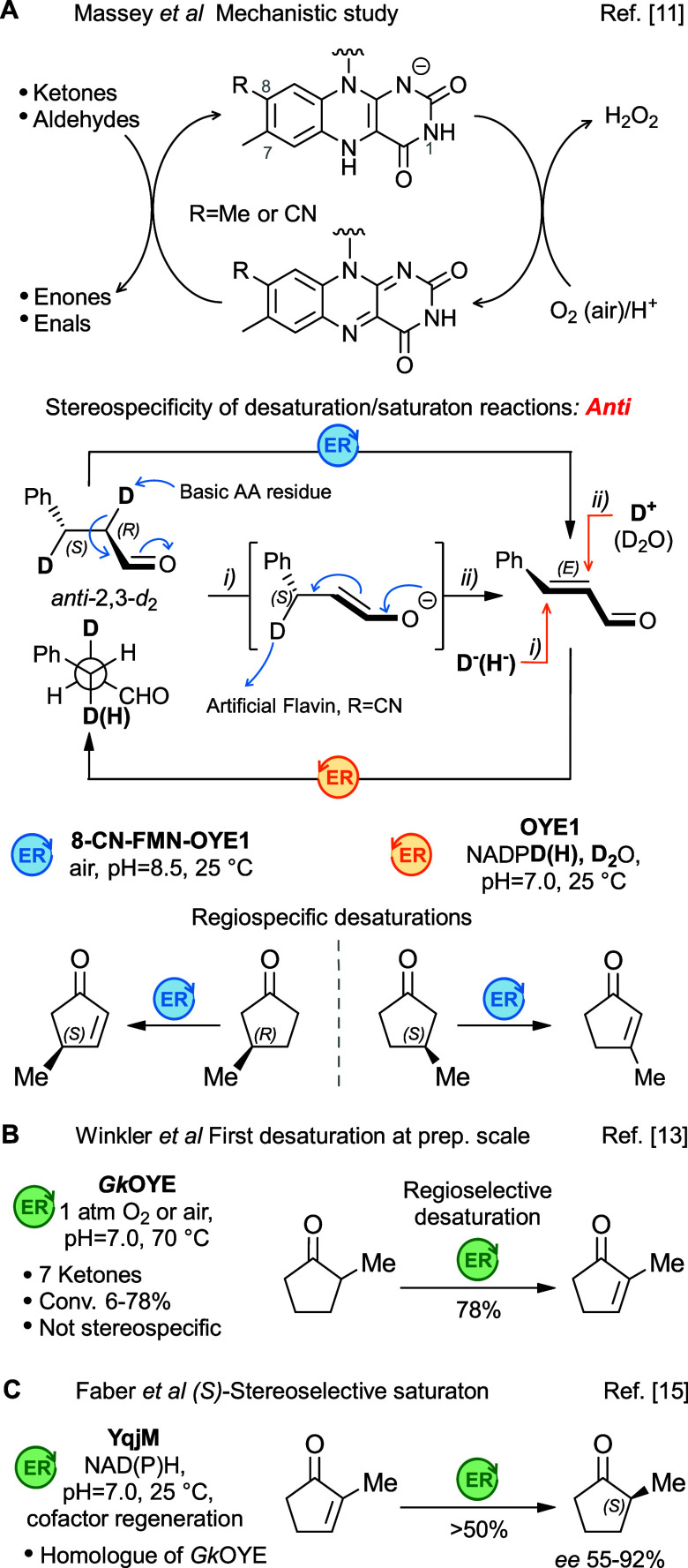 Figure 1
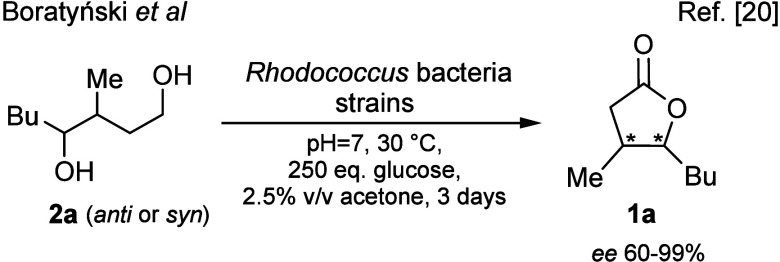 Figure 2
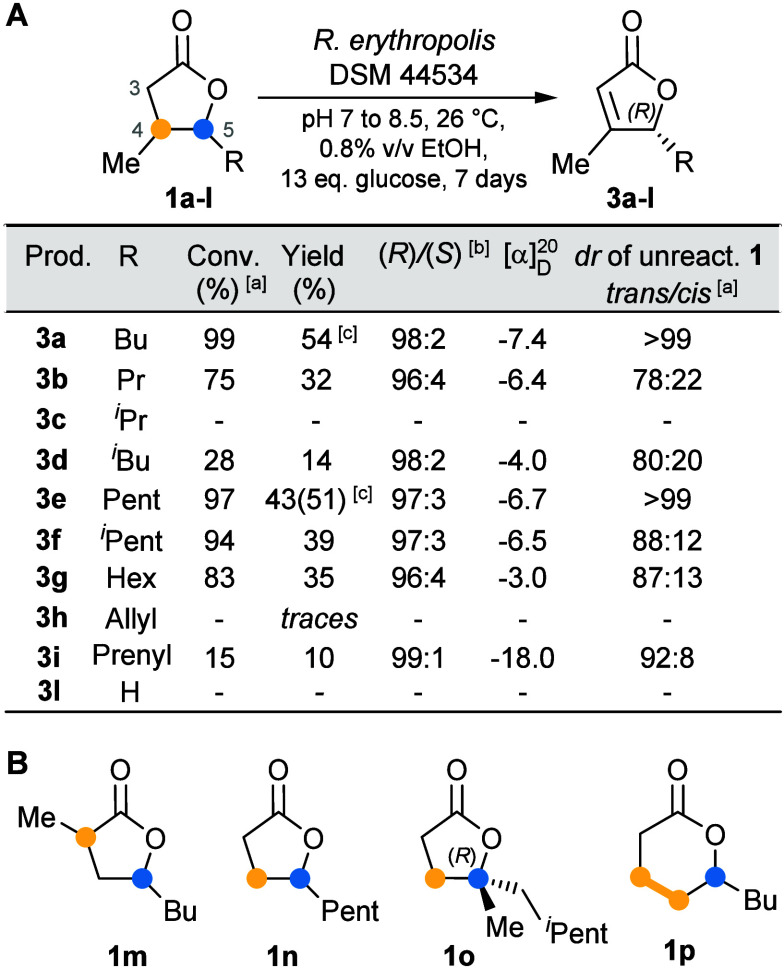 Figure 3
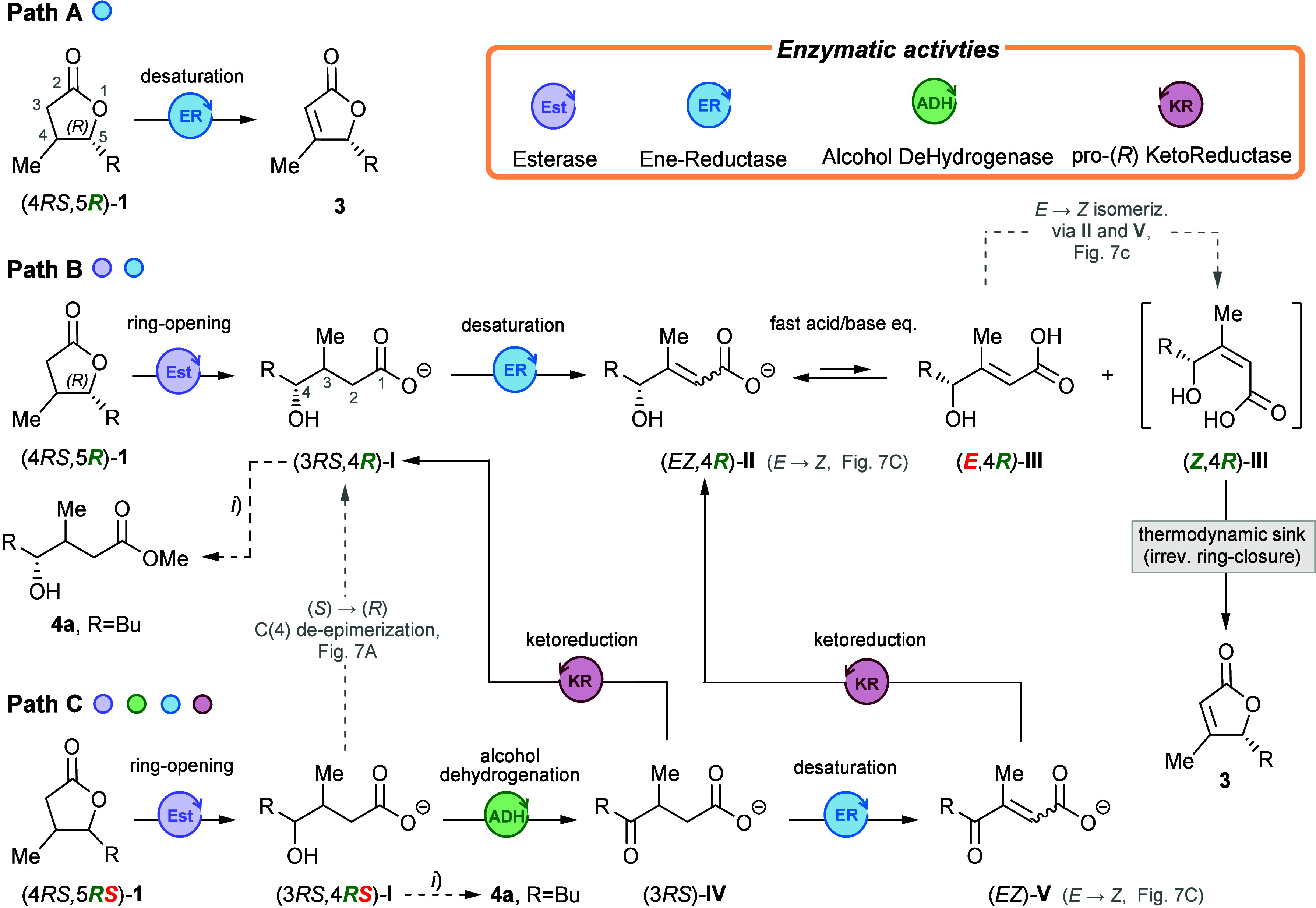 Figure 4
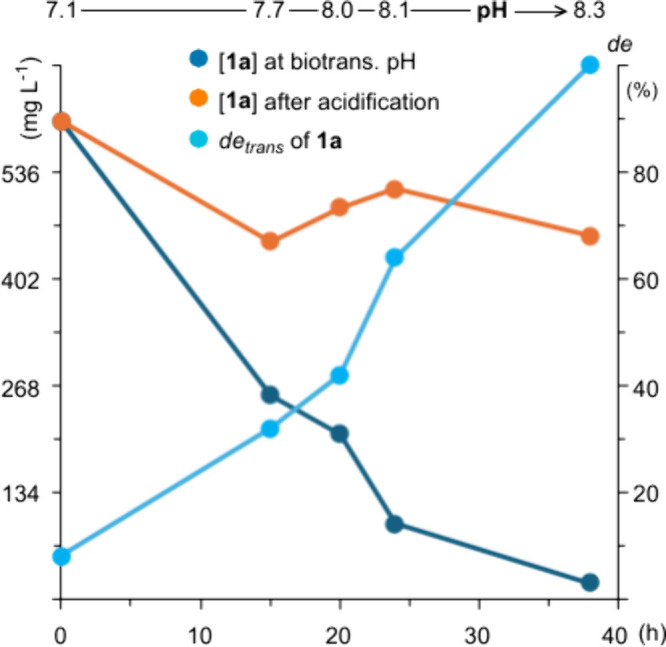 Figure 5
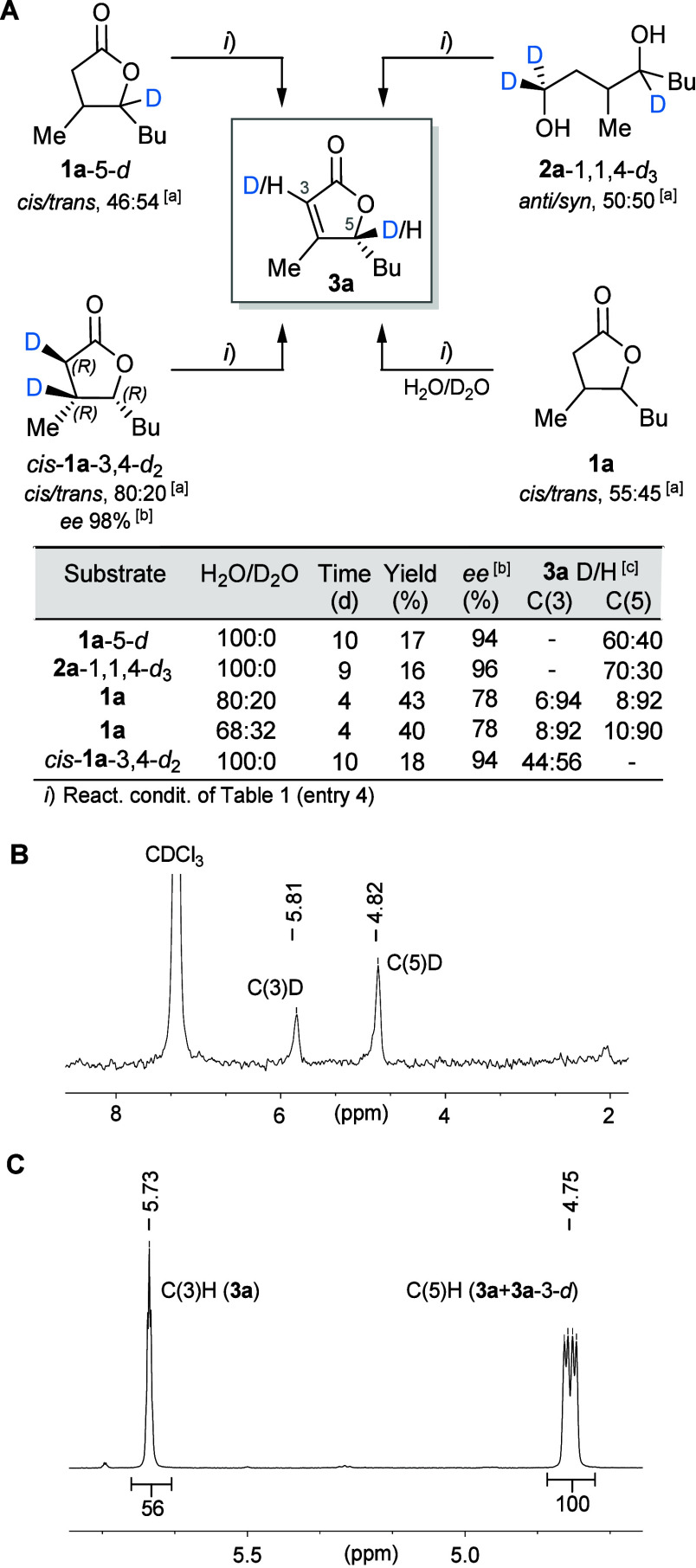 Figure 6
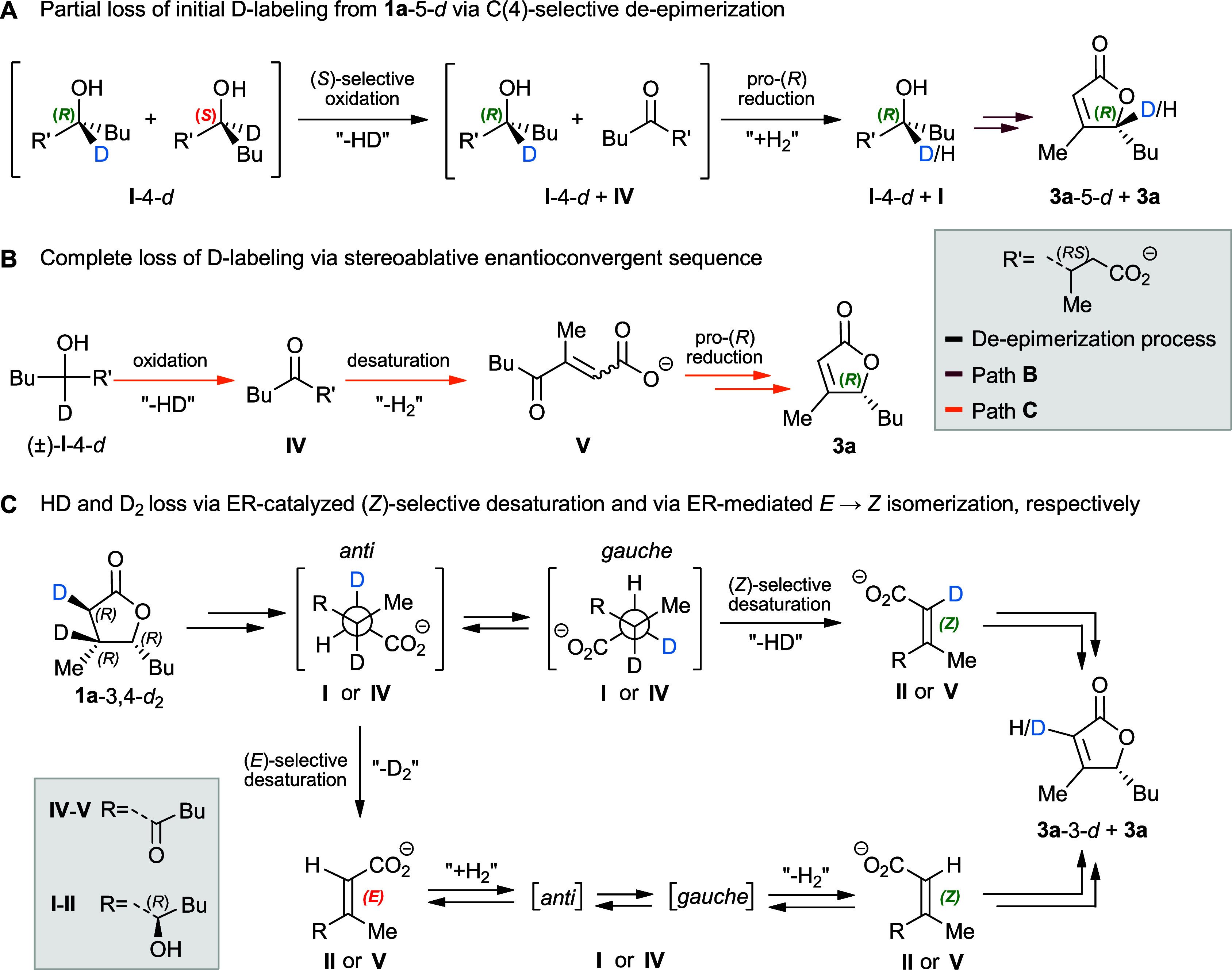 Figure 7
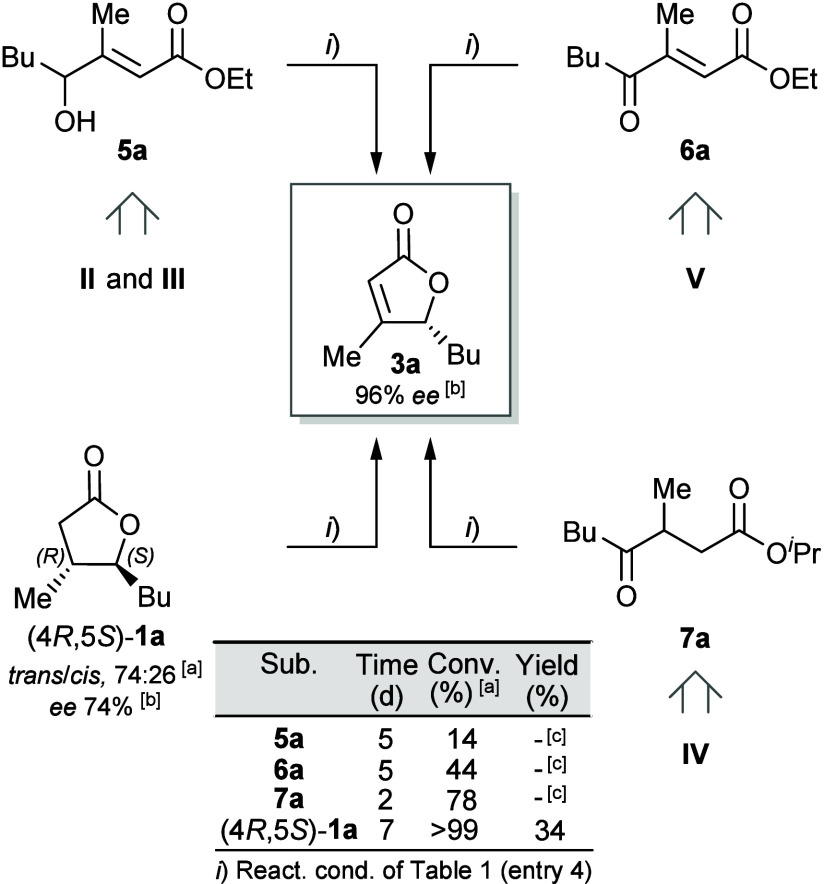 Figure 8
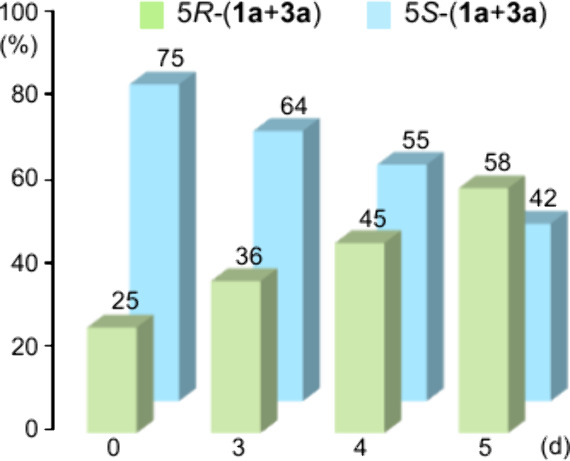 Figure 9
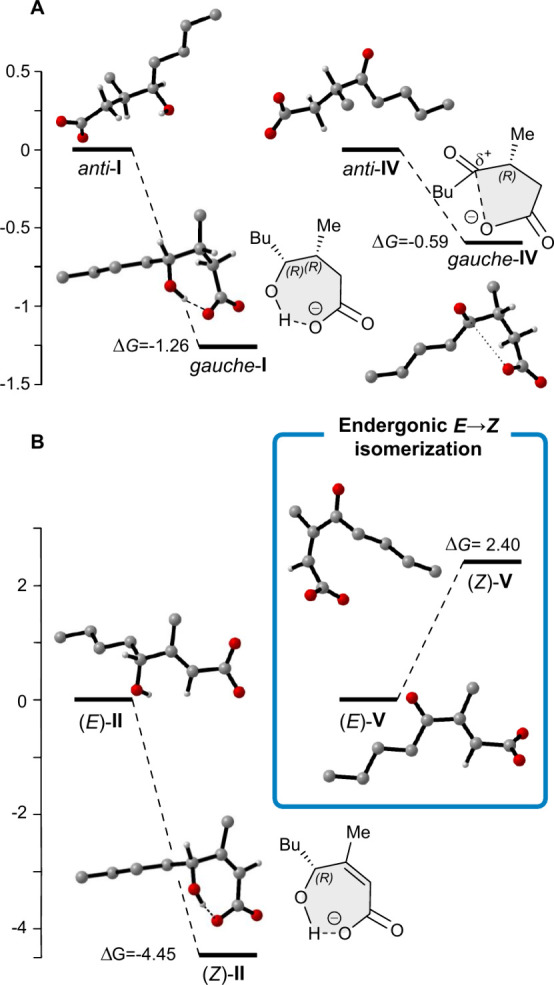 Figure 10
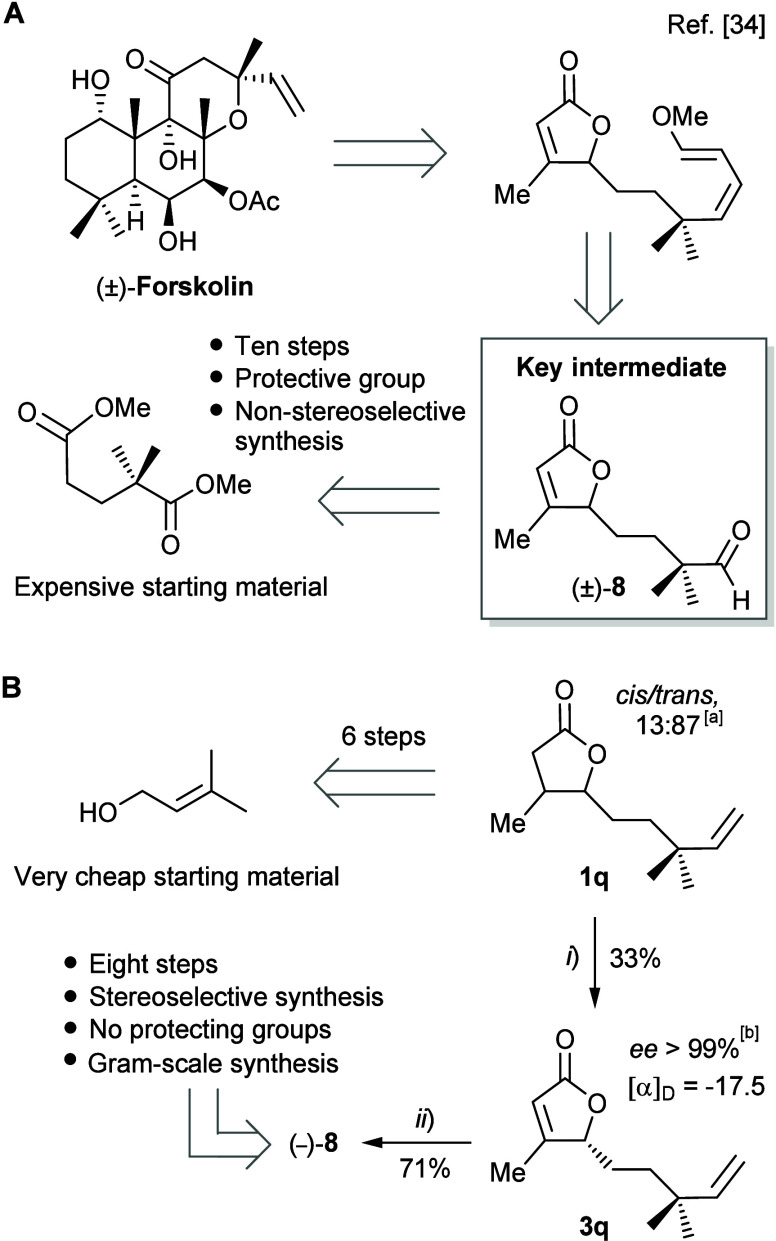 Figure 11
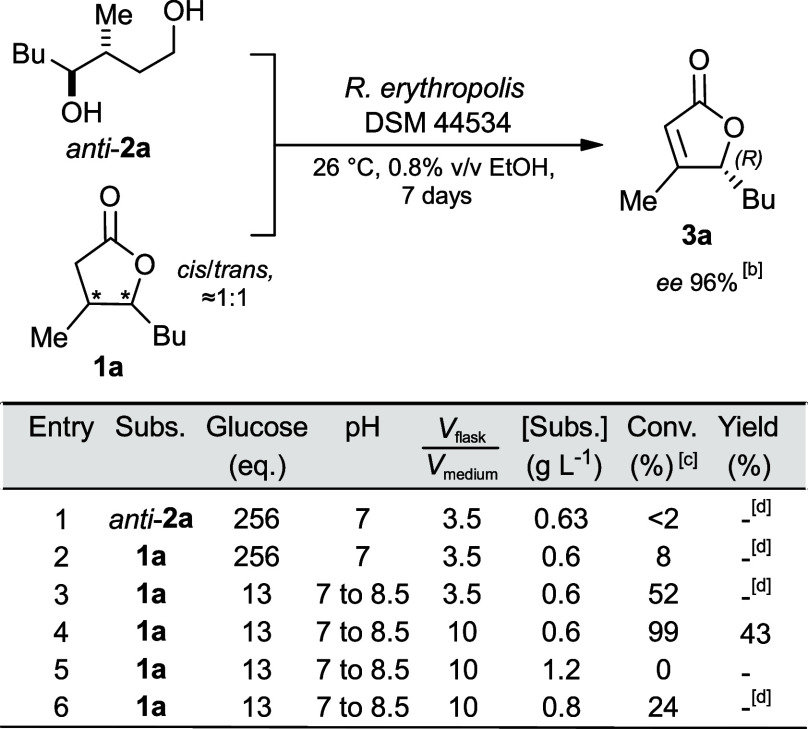 Figure 12
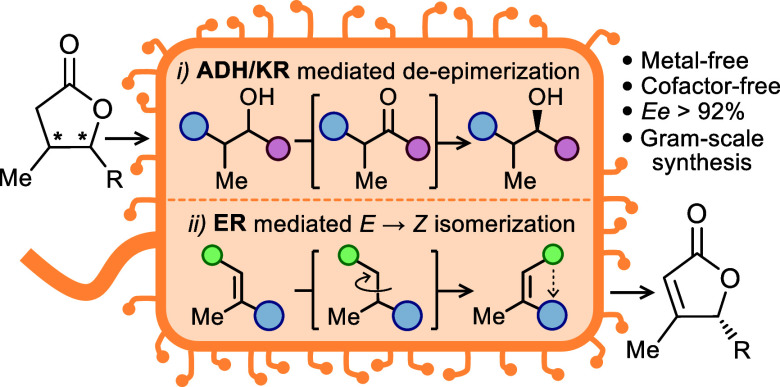 Figure 13
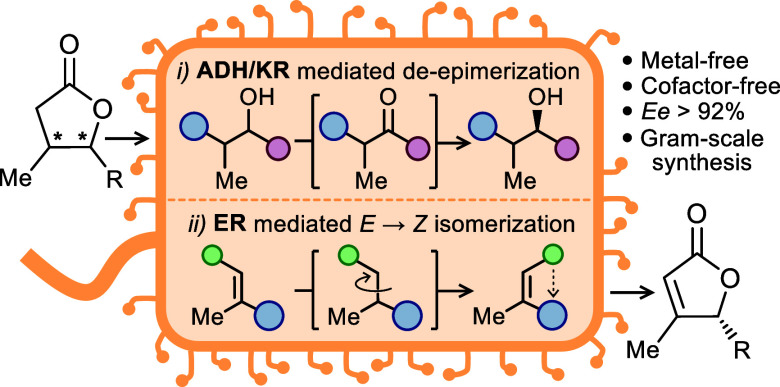 Figure 14
Peer Reviews
No public reviews on file for this paper yet. If you reviewed it on a platform where reviews are public (OpenReview, ICLR, NeurIPS, ICML), you can paste yours below so the community can read it here.
Videos
No videos yet. Explain this paper in a talk, walkthrough, or lecture? Add one.
Taxonomy
TopicsEnzyme Catalysis and Immobilization · Cyclopropane Reaction Mechanisms · Steroid Chemistry and Biochemistry