Electrochemical Hydrogenation of Aza-Arenes Using H2O as H Source
Subhabrata Dutta, Rok Narobe, Siegfried R. Waldvogel

TL;DR
This paper introduces a safe and efficient method to hydrogenate aza-arenes using water and electricity, making drug discovery processes more sustainable.
Contribution
A general electrochemical hydrogenation method using Ni foam and water as H source under ambient conditions.
Findings
The method achieves broad substrate generality and excellent functional group tolerance.
It enables scalable synthesis up to 25 g with stable operation for 22 hours.
Mechanistic studies suggest two plausible hydrogenation pathways based on substrate redox properties.
Abstract
Electrochemical hydrogenation of aza-arenes is an appealing strategy to gain access to privileged saturated heterocycles for drug discovery, overcoming the limitations of classical hydrogenations that often suffer from energy-intensive conditions and safety hazards. Herein, we demonstrate an operationally simple, sustainable, and general electrochemical hydrogenation of aza-arenes with commercialized Ni foam electrodes and setup. With water as the hydrogen donor under acidic conditions, the reaction proceeds at ambient temperature and pressure to deliver broad substrate generality, excellent functional group tolerance, and excellent selectivity. The method tolerates a wide range of aza-arenesincluding (iso)quinolines, quinoxalines, pyridines, and their nium saltshighlighting its generality and robustness. Synthetic utility was showcased through the preparation of bioactive molecules,…
Genes, proteins, chemicals, diseases, species, mutations and cell lines named across the full text — each resolved to its canonical identifier and authoritative record.
Click any figure to enlarge with its caption.
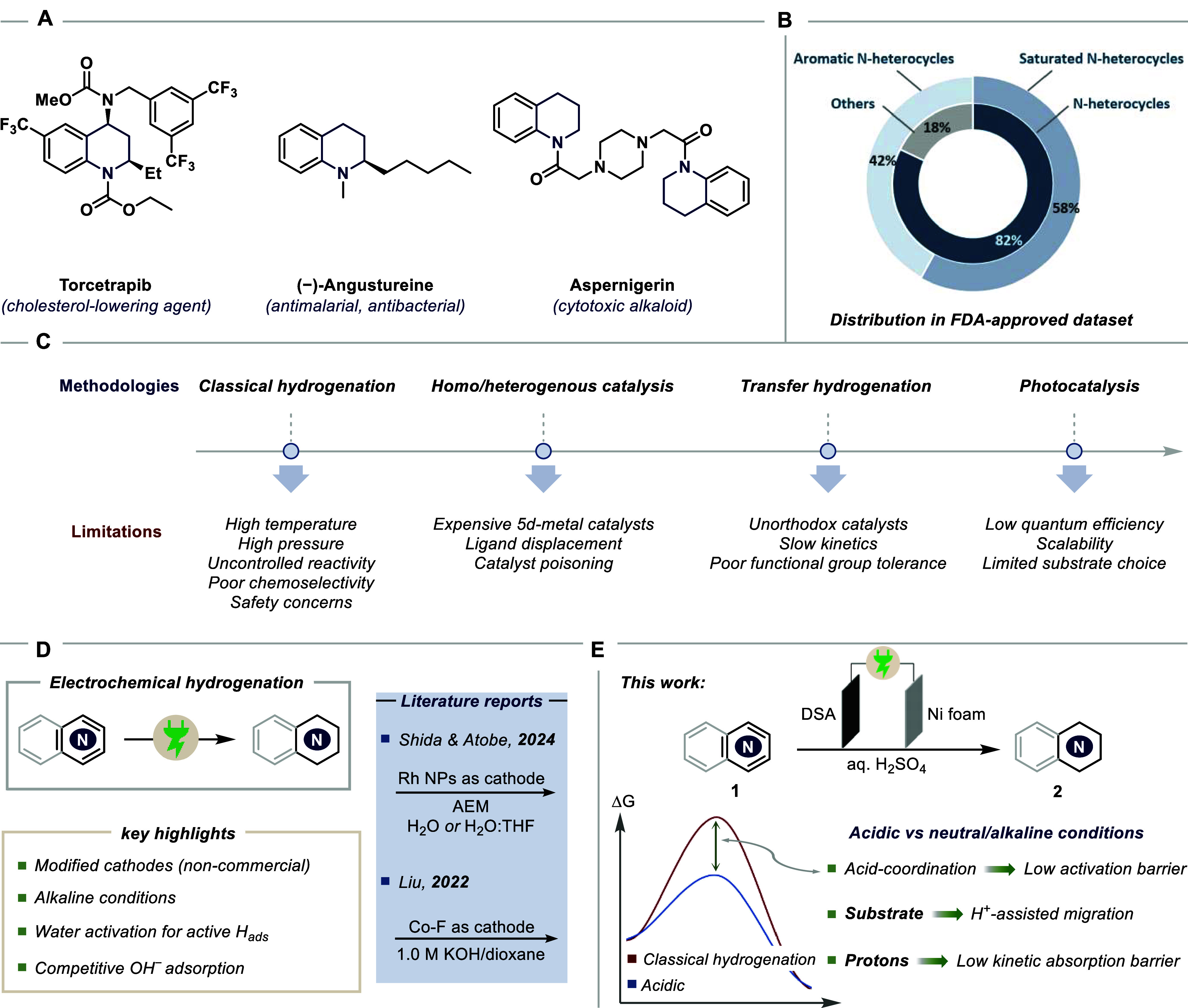 Figure 1
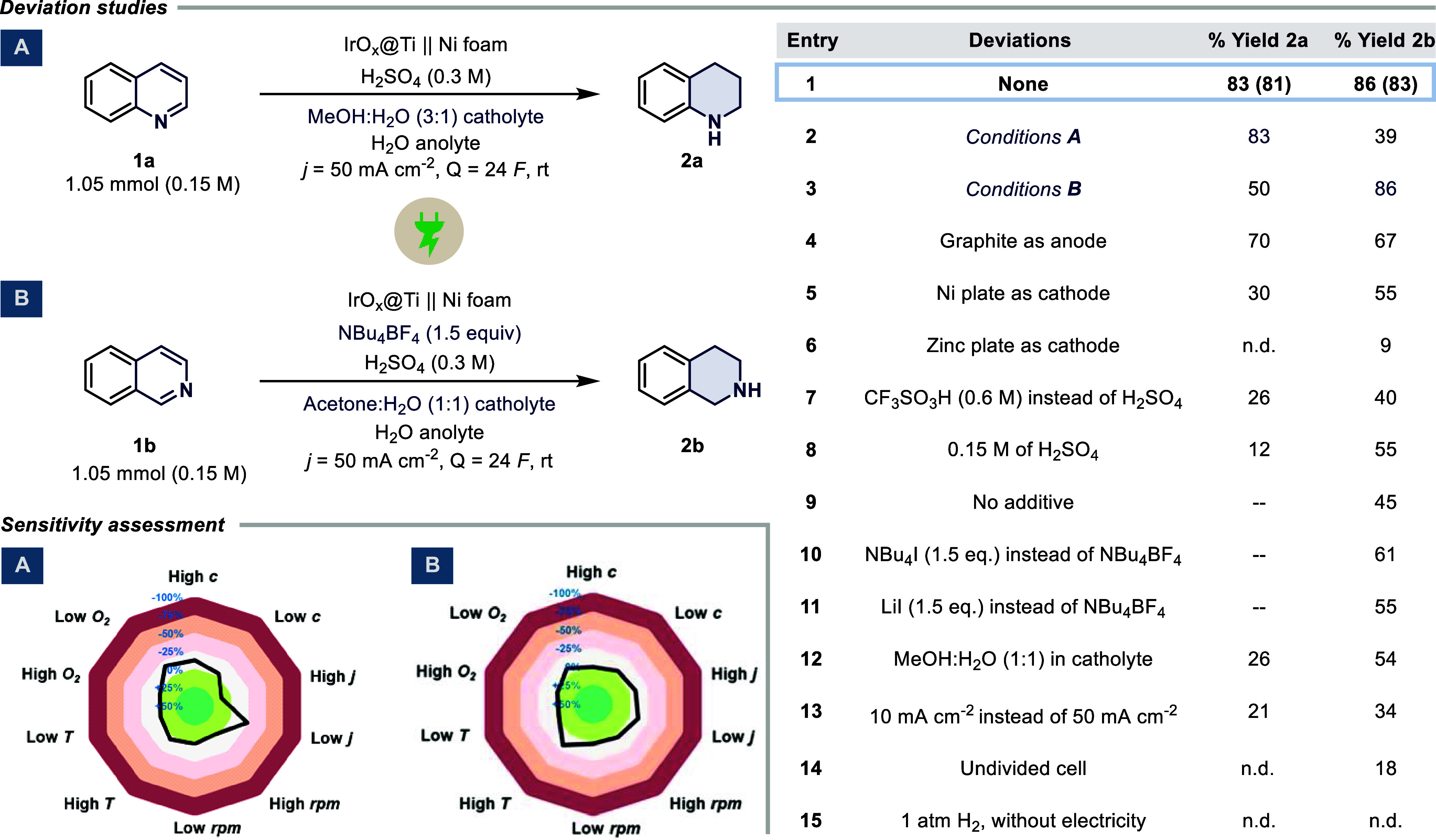 Figure 2
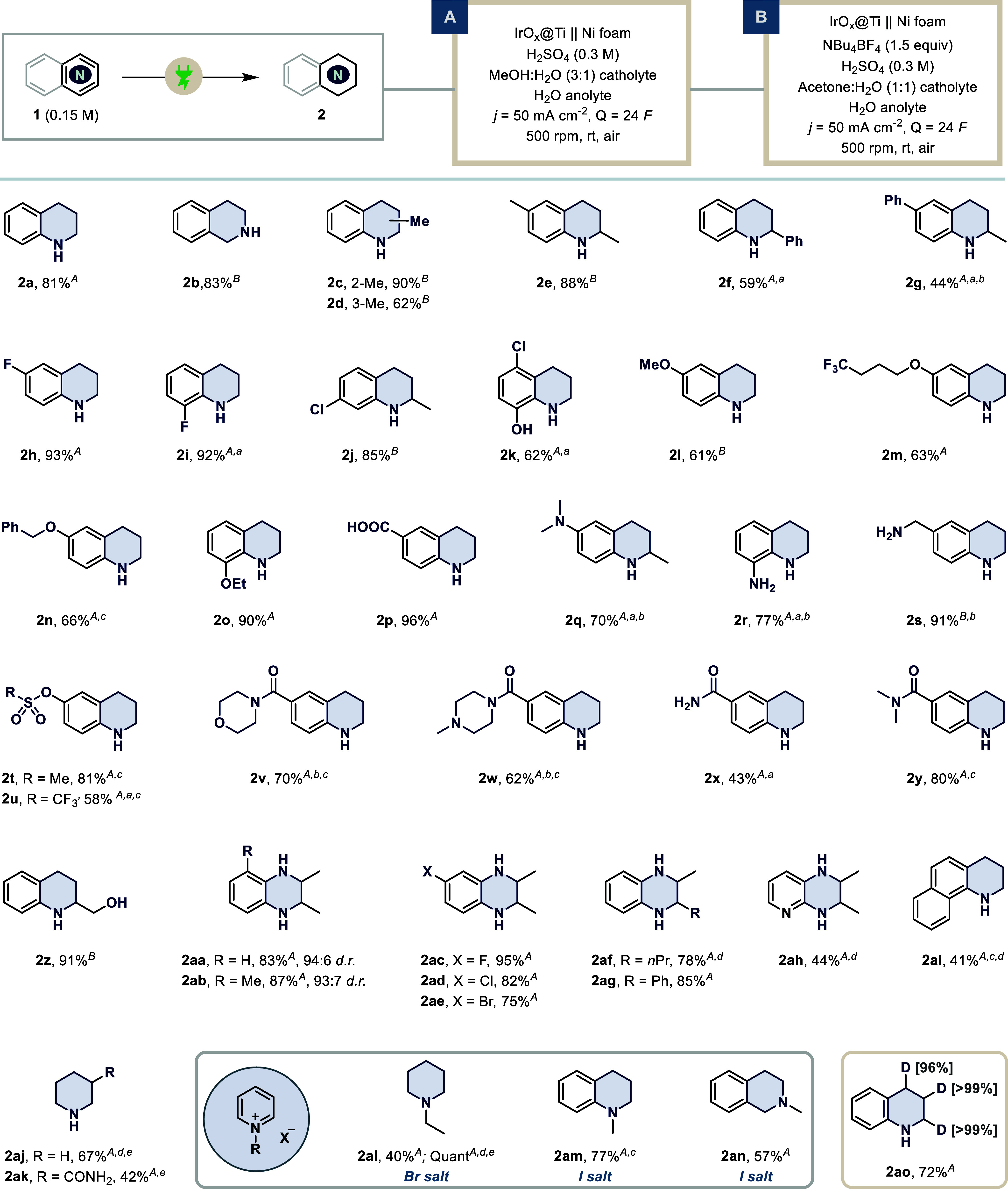 Figure 3
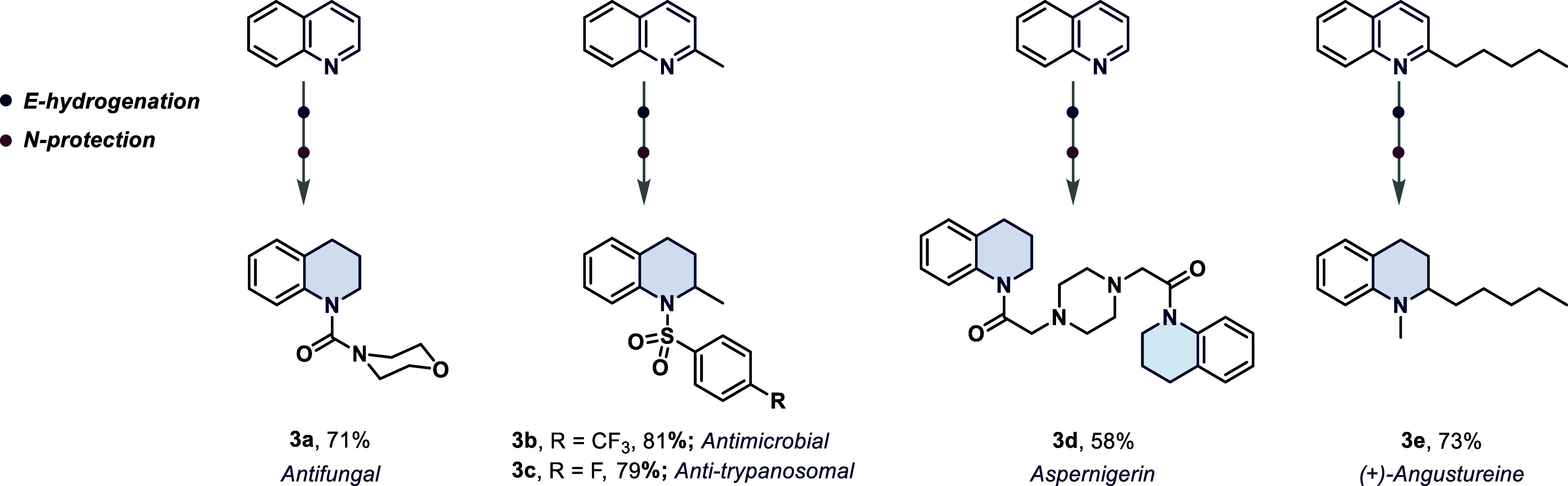 Figure 4
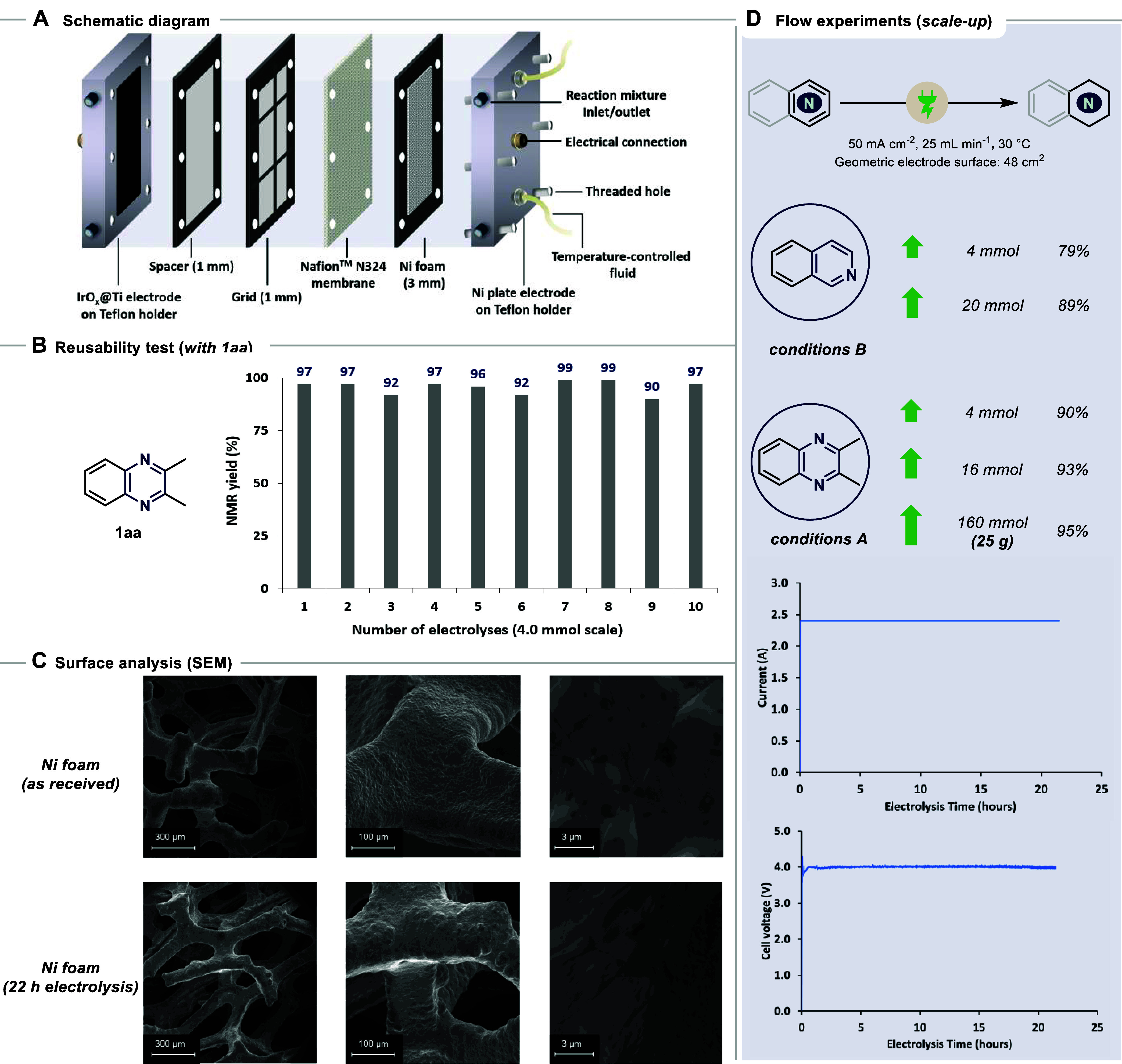 Figure 5
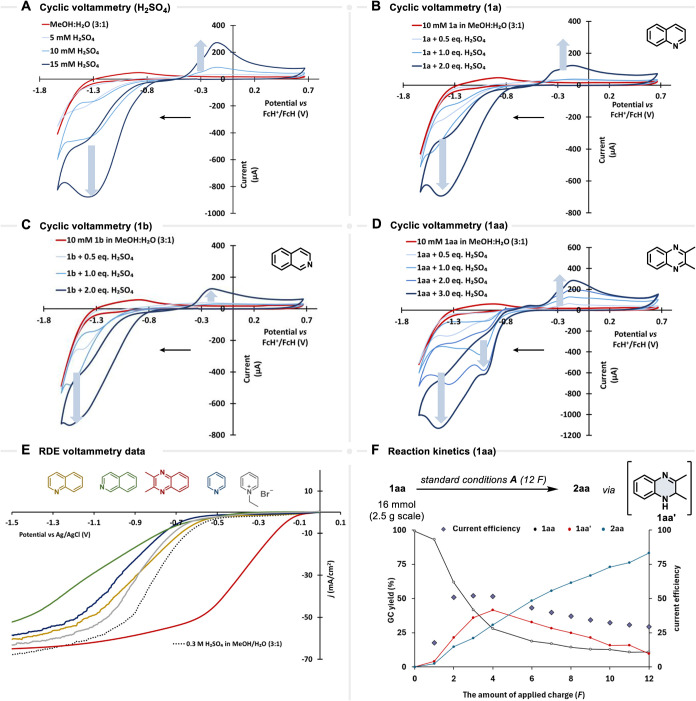 Figure 6
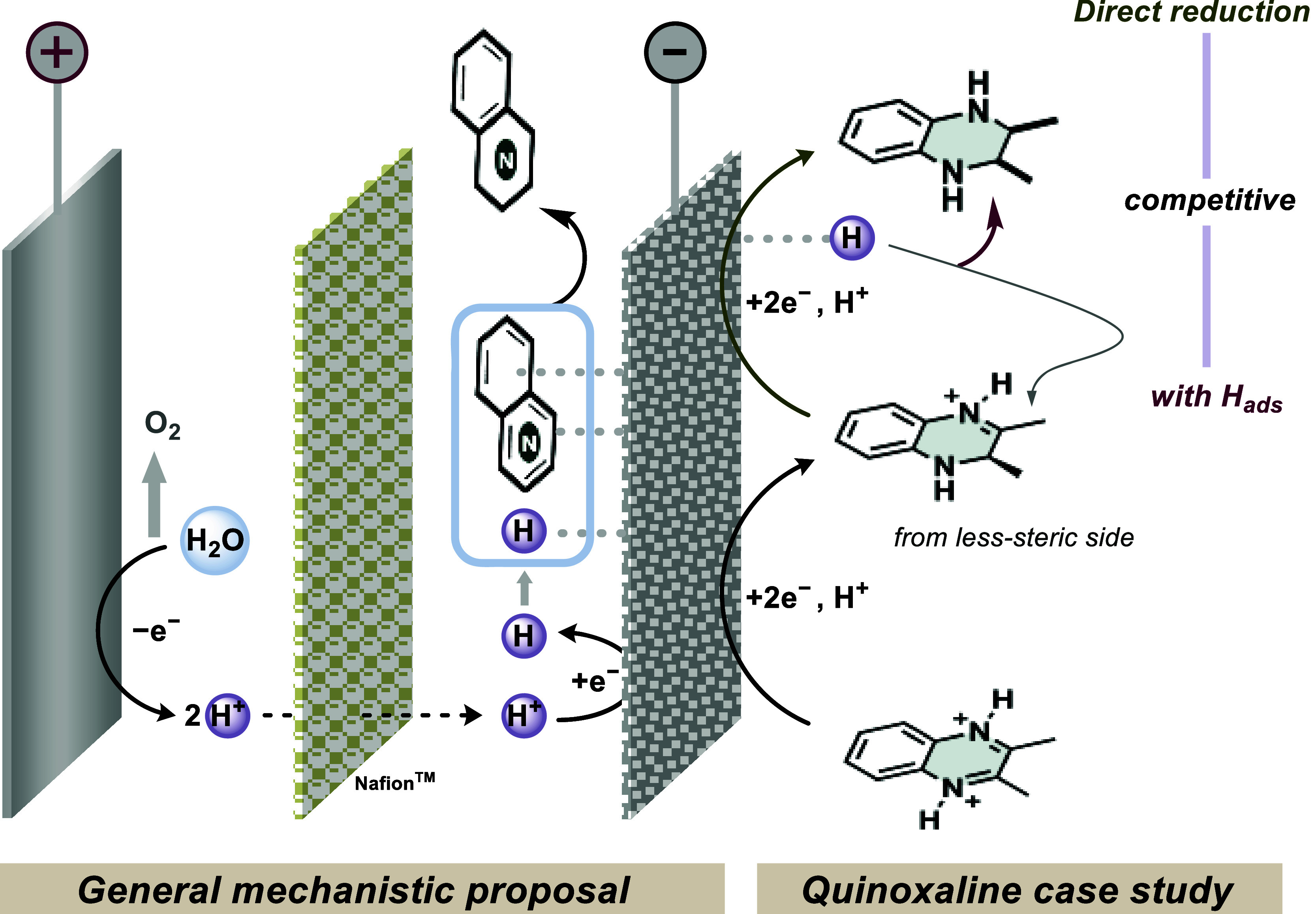 Figure 7
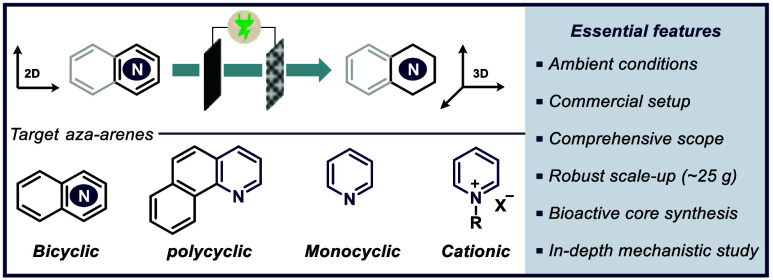 Figure 8
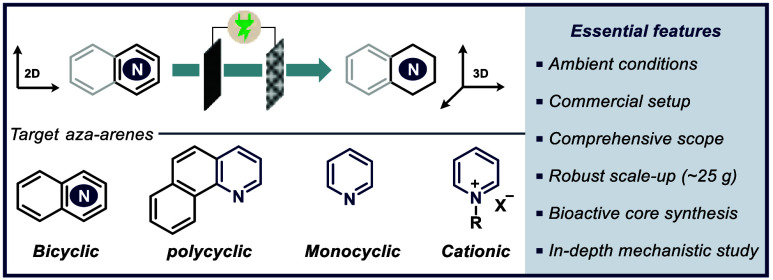 Figure 9
Peer Reviews
No public reviews on file for this paper yet. If you reviewed it on a platform where reviews are public (OpenReview, ICLR, NeurIPS, ICML), you can paste yours below so the community can read it here.
Videos
No videos yet. Explain this paper in a talk, walkthrough, or lecture? Add one.
Taxonomy
TopicsRadical Photochemical Reactions · Asymmetric Hydrogenation and Catalysis · CO2 Reduction Techniques and Catalysts