Fine-Tuning of the Neuropeptide Y1 G Protein-Coupled Receptor by the Tryptophan6.48 “Toggle Switch”
Matthias Voitel, Maik Pankonin, Alexander Vogel, Karl Leitner, Anette Kaiser, Daniel Huster, Peter W. Hildebrand, Albert A. Smith

TL;DR
This study explores how a specific amino acid in a receptor protein influences its signaling behavior, suggesting it acts as a fine-tuner rather than a main switch.
Contribution
The study reveals that tryptophan W6.48 in the Y1R receptor fine-tunes signaling rather than being a primary activation switch.
Findings
W6.48 adopts multiple rotameric states linked to backbone structure.
Mutation of W6.48 does not block G-protein signaling but reduces ligand binding efficiency.
W6.48 influences Y1R conformational similarity to active states, affecting signaling dynamics.
Abstract
G protein-coupled receptors (GPCRs) transduce extracellular signals into the cell through binding and activation of intracellular effector proteins. Highly conserved residues such as tryptophan W6.48 of transmembrane helix 6 can play a role in GPCR activation, where W6.48 acts as a microswitch, changing its rotameric state depending on whether the receptor is bound to an agonist or antagonist. However, its exact role is not entirely clear. Here we investigate the role of W6.48 in the neuropeptide Y1 receptor (Y1R). Via NMR experiment and molecular dynamics simulations, we find that on the one hand, W6.48 exhibits multiple rotameric conformations, where simulations indicate that these are coupled to backbone structure. On the other hand, mutation of W6.48 to alanine does not prevent G-protein signaling, and agonist vs antagonist bound Y1R exhibits the same W6.48 rotameric state, calling…
Genes, proteins, chemicals, diseases, species, mutations and cell lines named across the full text — each resolved to its canonical identifier and authoritative record.
Click any figure to enlarge with its caption.
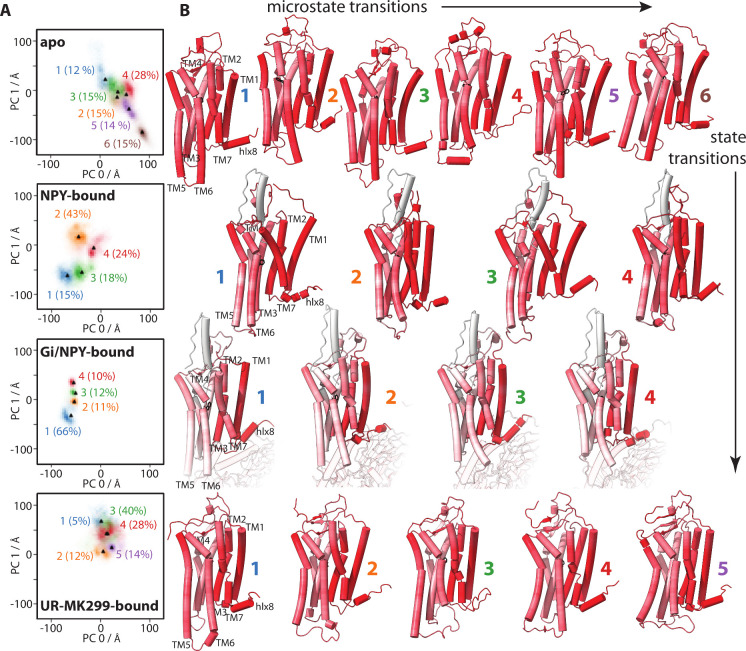 Figure 1
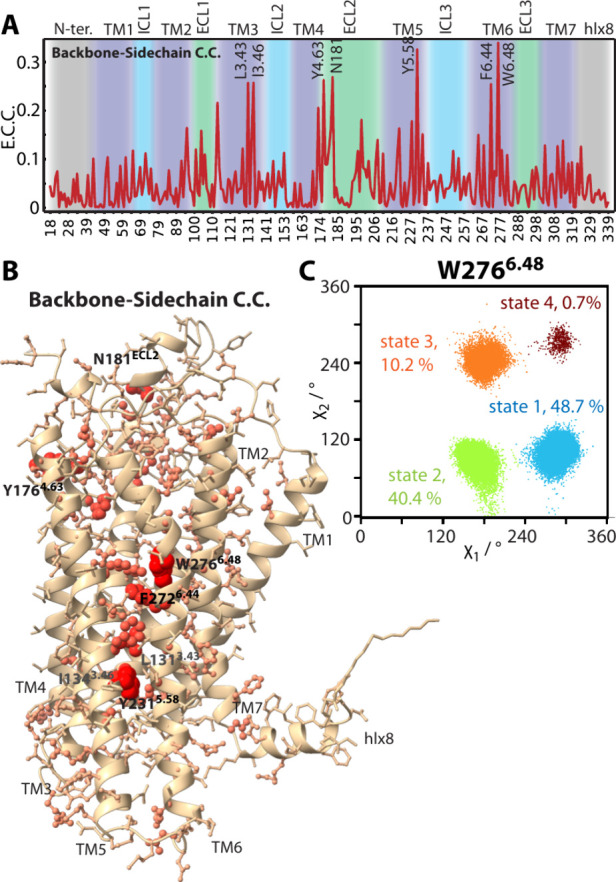 Figure 2
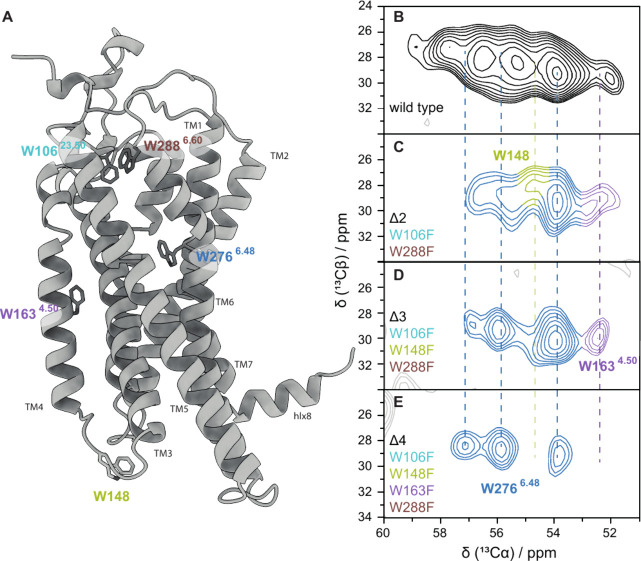 Figure 3
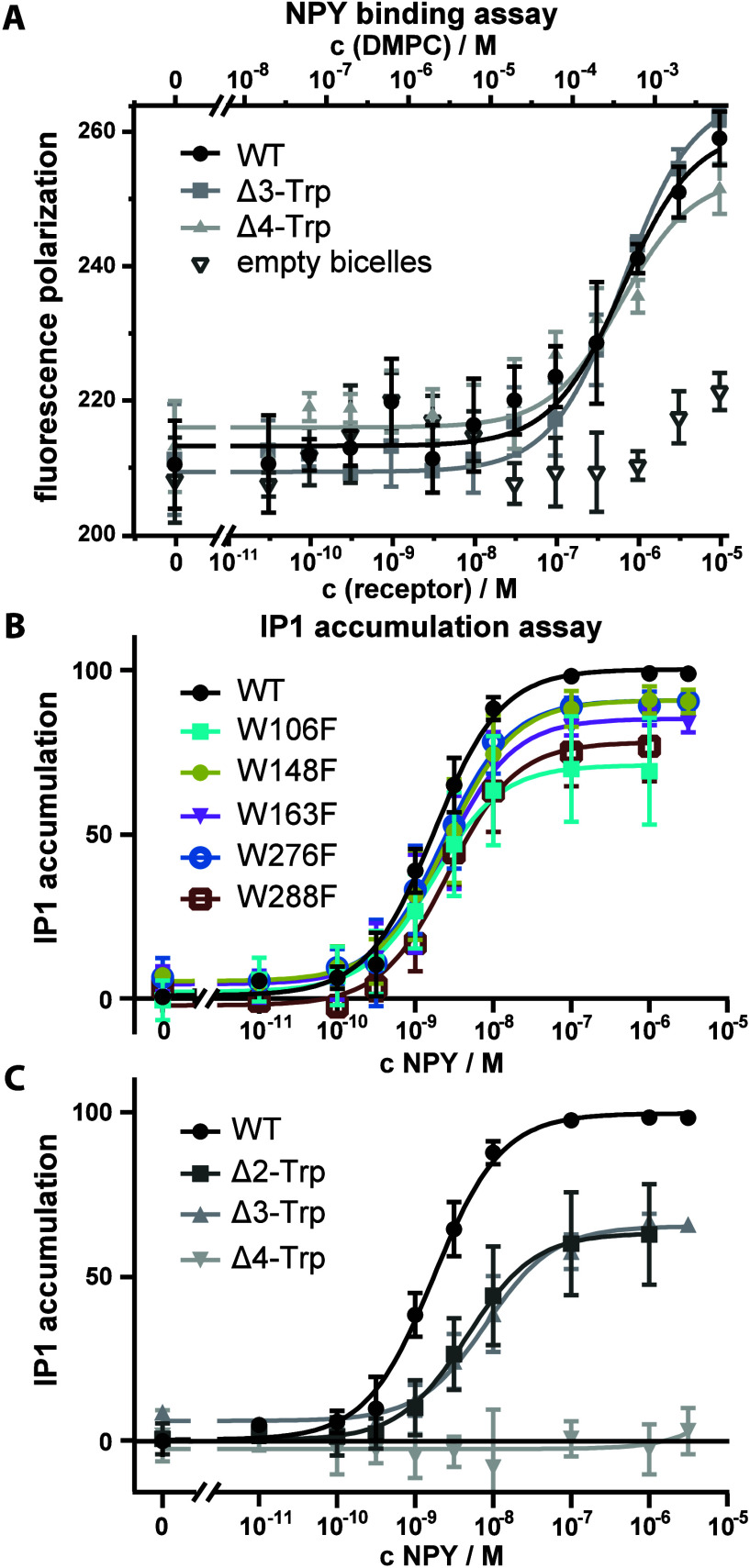 Figure 4
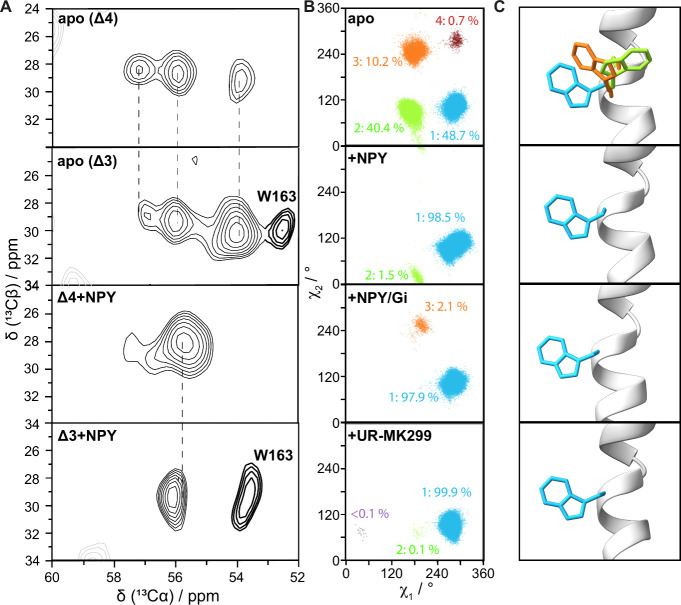 Figure 5
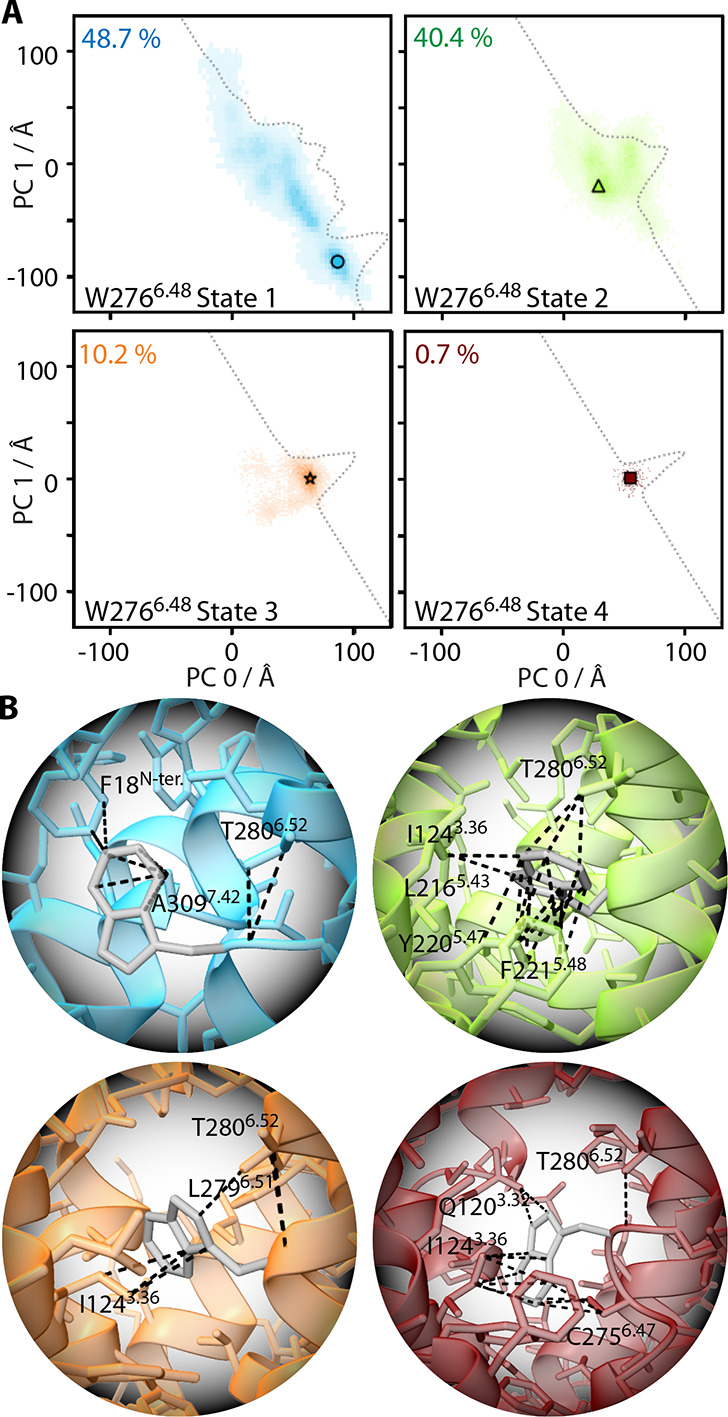 Figure 6
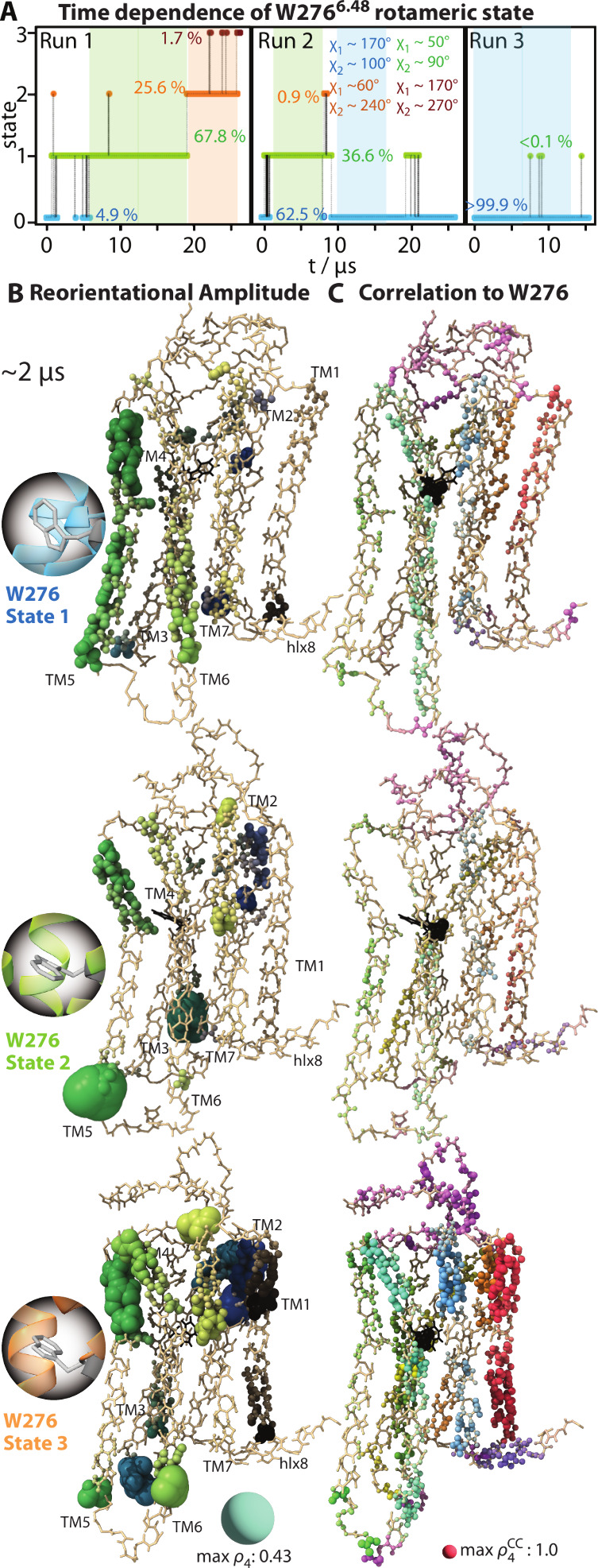 Figure 7
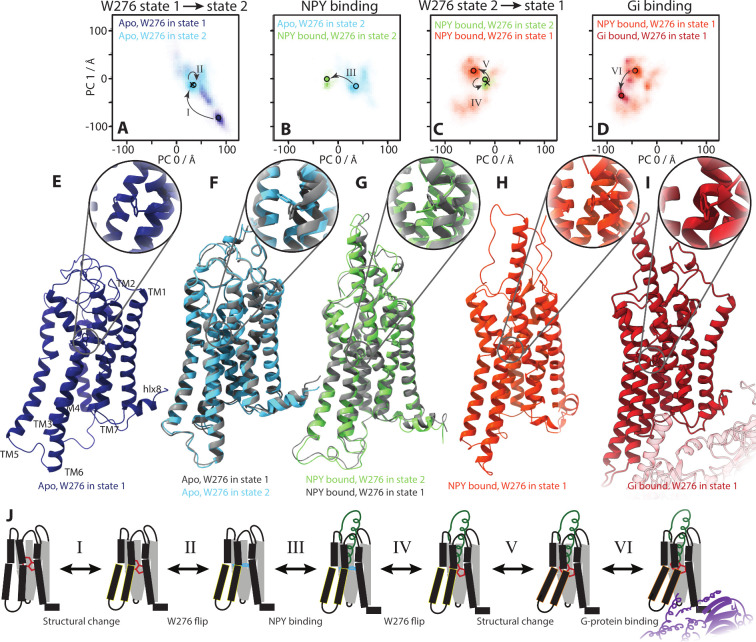 Figure 8
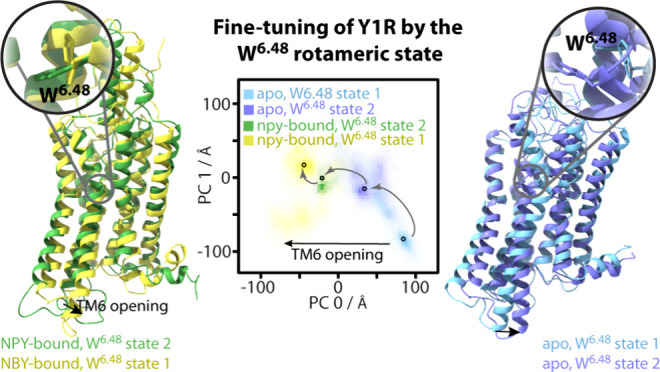 Figure 9
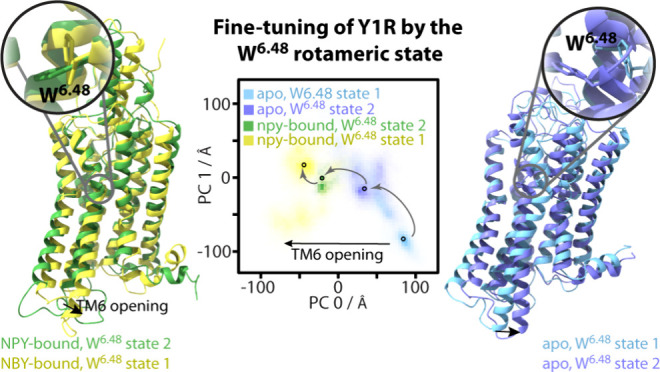 Figure 10
 Figure 11
Peer Reviews
No public reviews on file for this paper yet. If you reviewed it on a platform where reviews are public (OpenReview, ICLR, NeurIPS, ICML), you can paste yours below so the community can read it here.
Videos
No videos yet. Explain this paper in a talk, walkthrough, or lecture? Add one.
Taxonomy
TopicsReceptor Mechanisms and Signaling · Neuropeptides and Animal Physiology · Nicotinic Acetylcholine Receptors Study