Biomechanical comparison of a new minimally invasive technique versus conventional plating for the treatment of open book symphyseal injuries in osteoporotic human pelvises
Tobias Fritz, Jeremy Briem, Marcel Orth, Laura Mettelsiefen, Jonas Stroeder, Alexa J. Fischer, Emmanouil Liodakis, Tim Pohlemann, Antonius Pizanis, David B. Osche

TL;DR
A new minimally invasive technique for treating pelvic injuries shows better stability and performance than traditional plating methods in cadaveric tests.
Contribution
A novel minimally invasive internal fixator technique is introduced and shown to outperform conventional plating in biomechanical stability.
Findings
The internal fixator (IF) group showed significantly higher intrasymphyseal compression forces and larger contact areas compared to conventional plating.
The IF technique achieved more homogeneous force distribution and reduced fragment displacement under load.
The new method offers a promising alternative with improved biomechanical performance and potential for better healing outcomes.
Abstract
Traumatic open book injuries of the pubic symphysis require stable fixation while minimizing surgical morbidity. Traditional symphyseal plating is associated with complications such as implant failure and infections. This study aims to evaluate the biomechanical performance of a novel minimally invasive technique using an internal fixator (IF) compared to conventional plating (symphyseal locking dynamic compression plate [SLDCP]) in human cadaveric pelvises. Ten human cadaveric pelvises were assigned to two groups (n = 5 each). After anatomical reduction, either SLDCP or IF stabilization was applied. Intrasymphyseal compression forces, contact area and interfragmentary motion were assessed using pressure‐sensitive sensor films and an optical tracking system under incrementally applied axial loads up to 600 N. Bone density and symphyseal dimensions were measured and were comparable…
Genes, proteins, chemicals, diseases, species, mutations and cell lines named across the full text — each resolved to its canonical identifier and authoritative record.
Click any figure to enlarge with its caption.
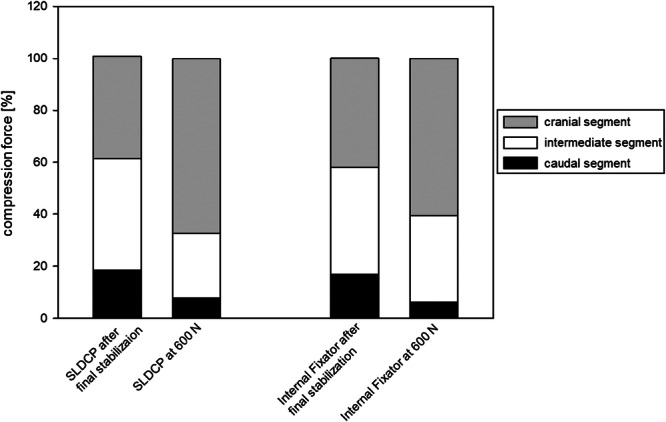 Figure 1
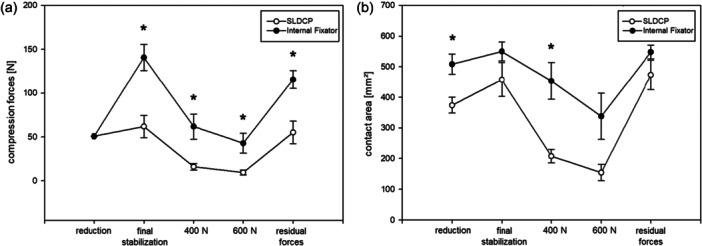 Figure 2
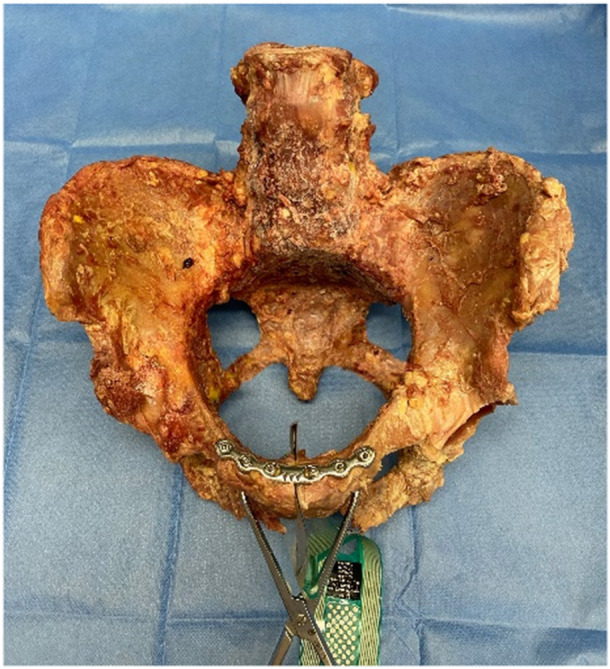 Figure 3
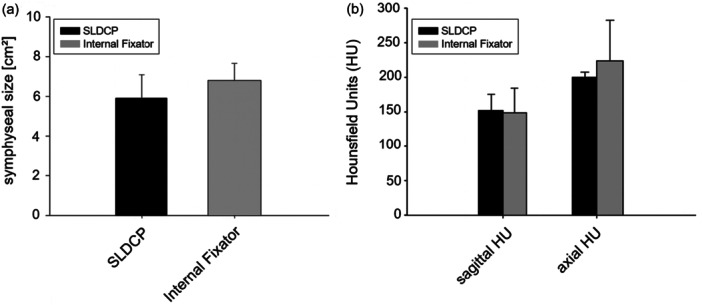 Figure 4
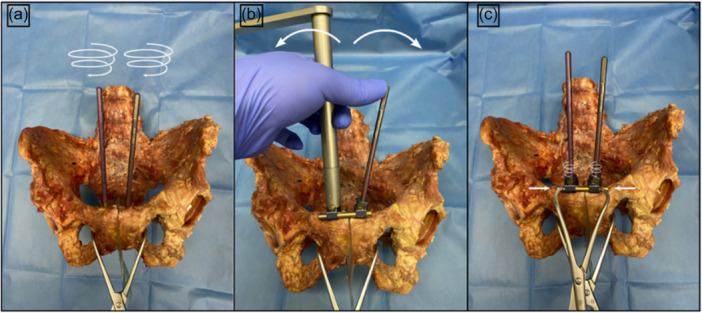 Figure 5
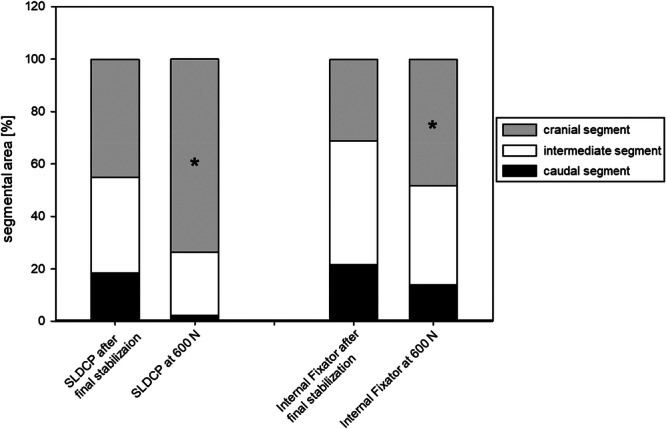 Figure 6
Peer Reviews
No public reviews on file for this paper yet. If you reviewed it on a platform where reviews are public (OpenReview, ICLR, NeurIPS, ICML), you can paste yours below so the community can read it here.
Videos
No videos yet. Explain this paper in a talk, walkthrough, or lecture? Add one.
Taxonomy
TopicsPelvic and Acetabular Injuries · Sports injuries and prevention · Orthopaedic implants and arthroplasty