Reversible Photoswitching of Donor–Acceptor Stenhouse Adducts in Water
Francisco G. Blandón-Cumbreras, Marek Jurtík, Aneta Závodná, Petr Janovský, Michal Rouchal, Robert Vícha, Uwe Pischel

TL;DR
Researchers found that certain chemical compounds can switch states reversibly in water, opening up possibilities for use in biological applications.
Contribution
The study demonstrates reversible photoswitching of DASA in water, a previously elusive feature.
Findings
DASA forms stable complexes with cucurbit[n]urils in water.
The complexes show reversible T-type photoswitching in water.
This behavior suggests potential for biologically relevant applications.
Abstract
Adamantane-substituted donor–acceptor Stenhouse adducts (DASA) form highly stable host–guest complexes with cucurbit[n]urils (n = 7, 8) in water. These assemblies show kinetic stabilization of the colored linear form and, remarkably, exhibit reversible T-type photoswitching in water. These so far elusive features for first-generation DASA reveal a strategy for their potential use in biorelevant contexts.
Genes, proteins, chemicals, diseases, species, mutations and cell lines named across the full text — each resolved to its canonical identifier and authoritative record.
Click any figure to enlarge with its caption.
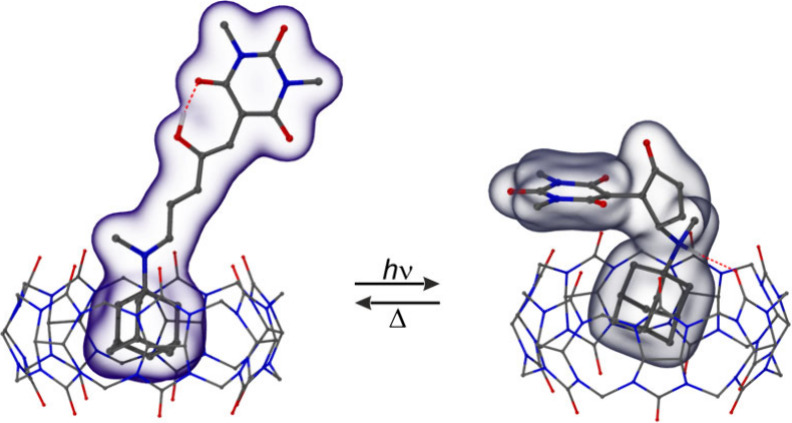 Figure 1
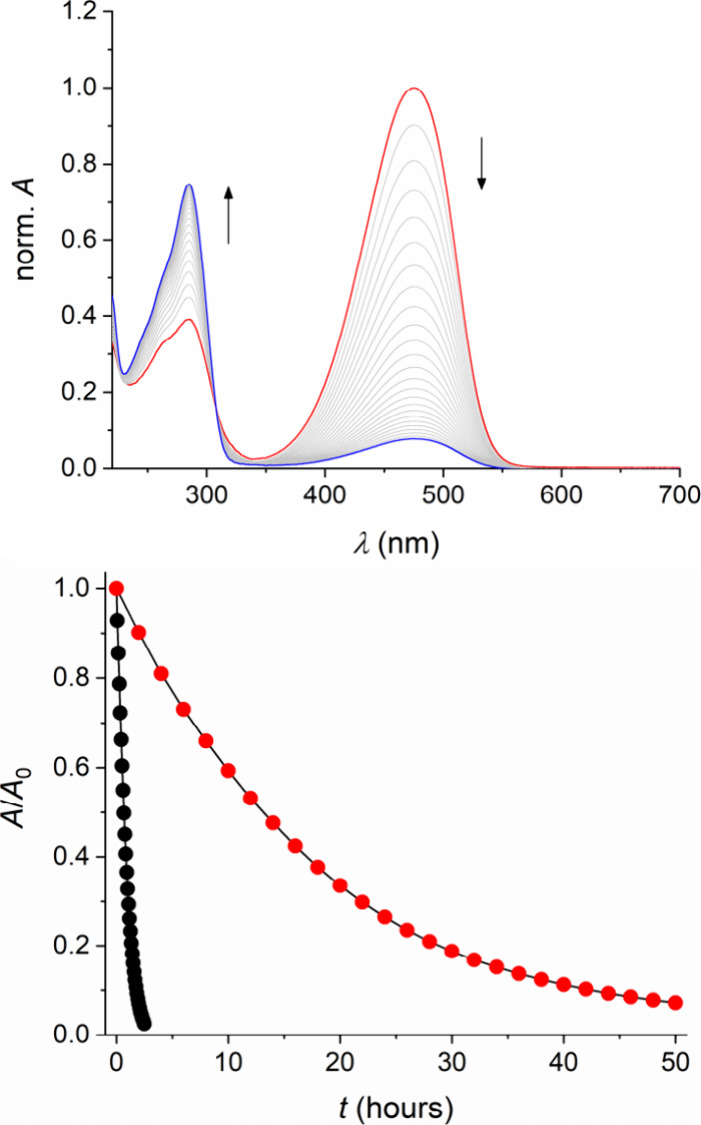 Figure 2
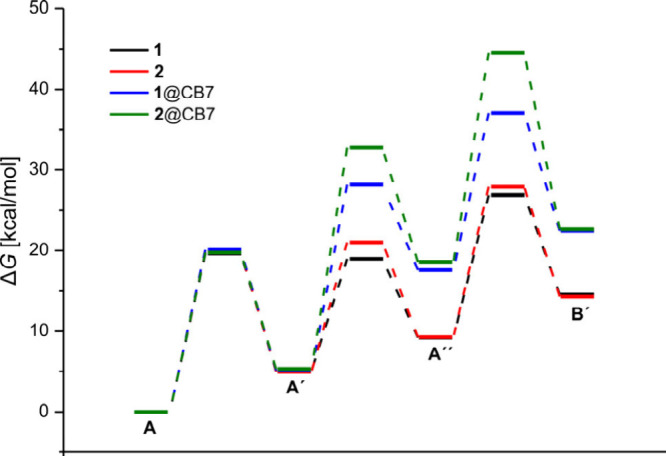 Figure 3
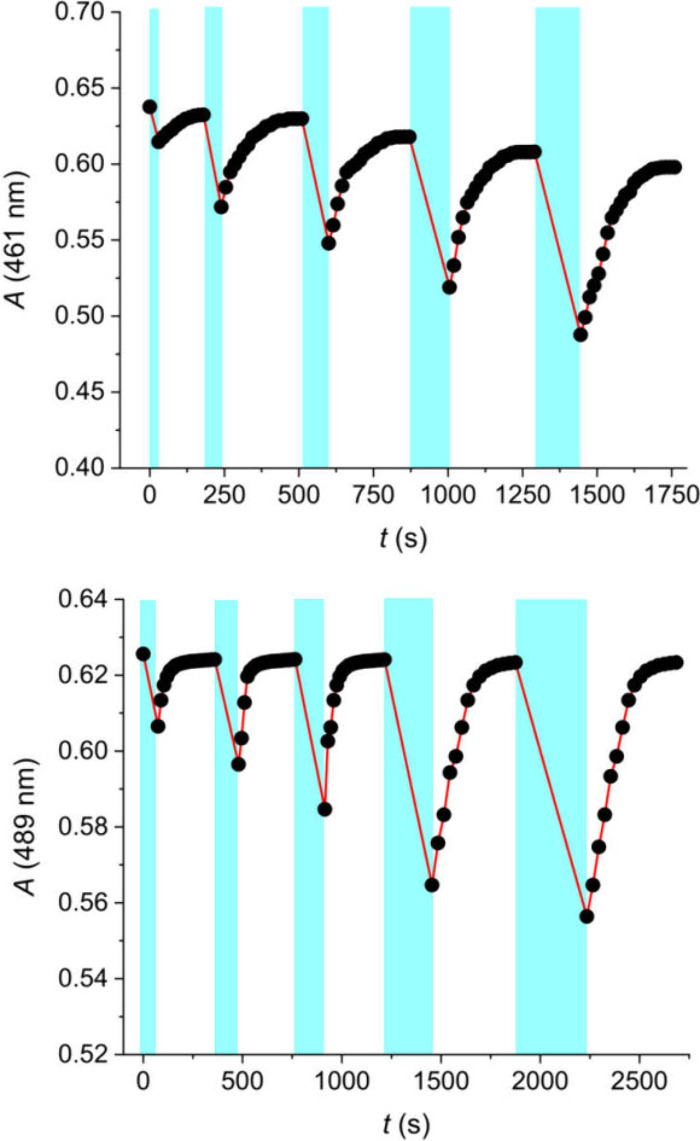 Figure 4
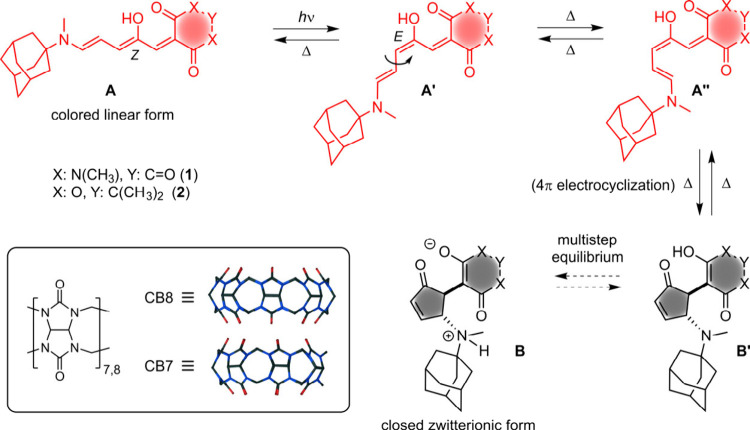 Figure 5
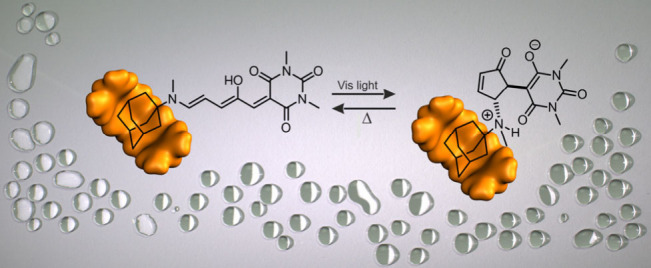 Figure 6
Peer Reviews
No public reviews on file for this paper yet. If you reviewed it on a platform where reviews are public (OpenReview, ICLR, NeurIPS, ICML), you can paste yours below so the community can read it here.
Videos
No videos yet. Explain this paper in a talk, walkthrough, or lecture? Add one.
Taxonomy
TopicsSupramolecular Chemistry and Complexes · Photochromic and Fluorescence Chemistry · Molecular Sensors and Ion Detection