Systematic discovery of disease-modifying targets by prediction from knowledge graph-based AI model and experimental validation: Parkinson’s disease case
Minyoung So, Soo Jung Park, Dongin Kim, Seokjin Han, Hee Jung Koo, Taeyong Kim, Min-Gi Shin, Eun Jeong Lee

TL;DR
This paper introduces a new AI framework using knowledge graphs to discover potential targets for Parkinson’s disease therapies, identifying TPP1 as a promising candidate.
Contribution
The study presents a novel AI framework using knowledge graphs and subgraph analysis to identify disease-modifying targets without disease-specific training data.
Findings
TPP1 was identified as a novel Parkinson’s disease target through AI and validated experimentally.
TPP1 knockdown increased α-synuclein aggregation, suggesting a protective role in α-synuclein homeostasis.
Structural modeling revealed a potential proteolytic mechanism of α-synuclein clearance by TPP1.
Abstract
The development of disease-modifying therapies (DMTs) for Parkinson’s disease (PD) remains a critical unmet need. Despite extensive research efforts, no therapy capable of slowing or halting PD progression has been approved. Here, we apply a knowledge graph–based artificial intelligence (AI) framework, combined with subgraph-level enrichment–based re-prioritization, to identify novel PD-modifying targets without requiring disease-specific training or additional experimental datasets. Using model-derived PD association scores, we obtained 2527 predicted targets. To evaluate their connectivity to an expert-curated set of PD-associated genes, we performed subgraph-level over-representation analysis and identified 74 targets whose local subgraphs were significantly enriched for PD-relevant context. After applying novelty filters, five candidates remained, among which tripeptidyl peptidase 1…
Genes, proteins, chemicals, diseases, species, mutations and cell lines named across the full text — each resolved to its canonical identifier and authoritative record.
Click any figure to enlarge with its caption.
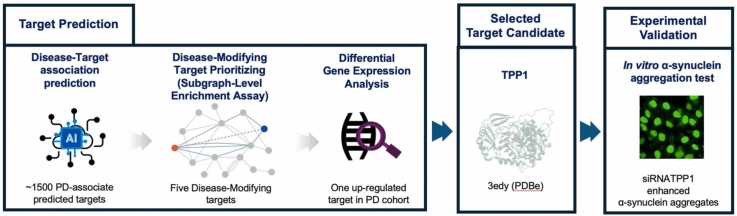 Figure 1
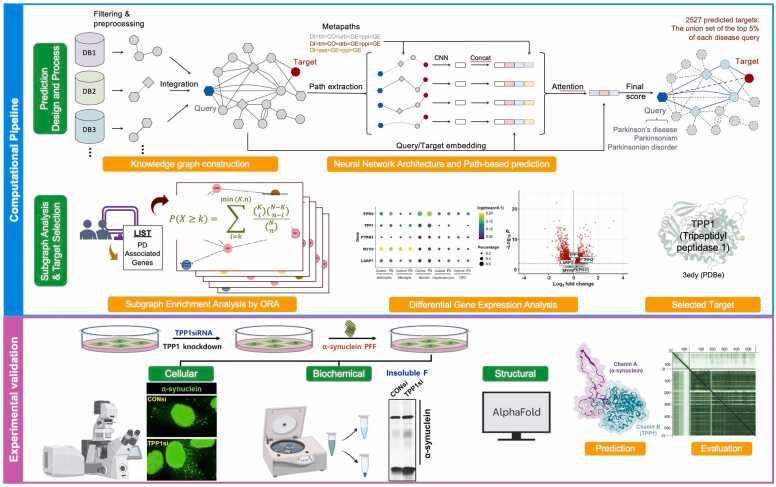 Figure 2
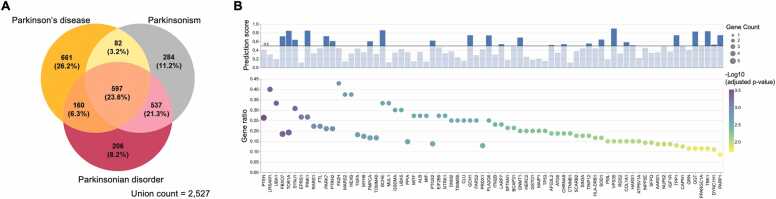 Figure 3
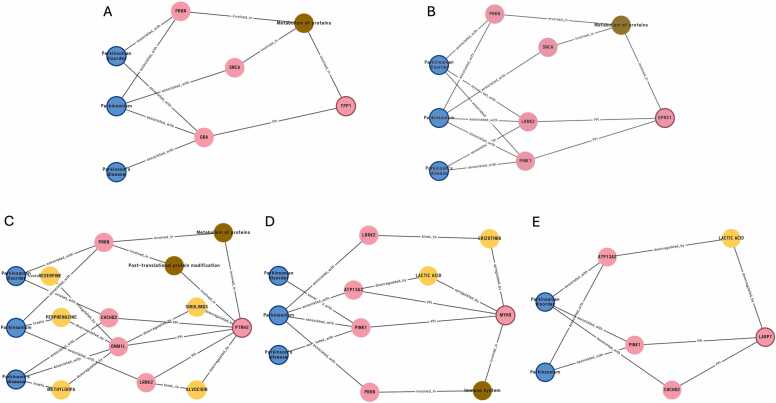 Figure 4
 Figure 5
 Figure 6
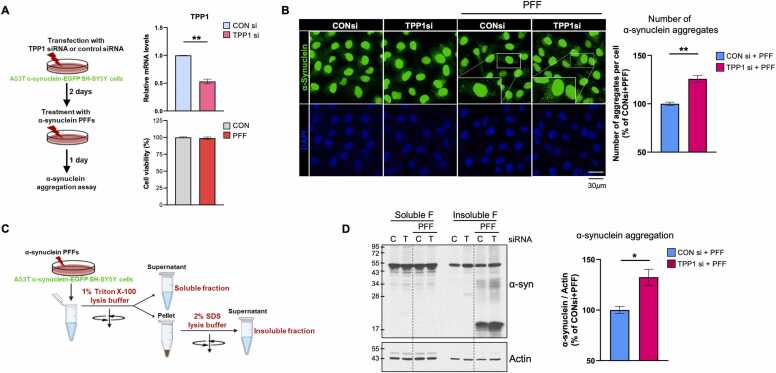 Figure 7
 Figure 8
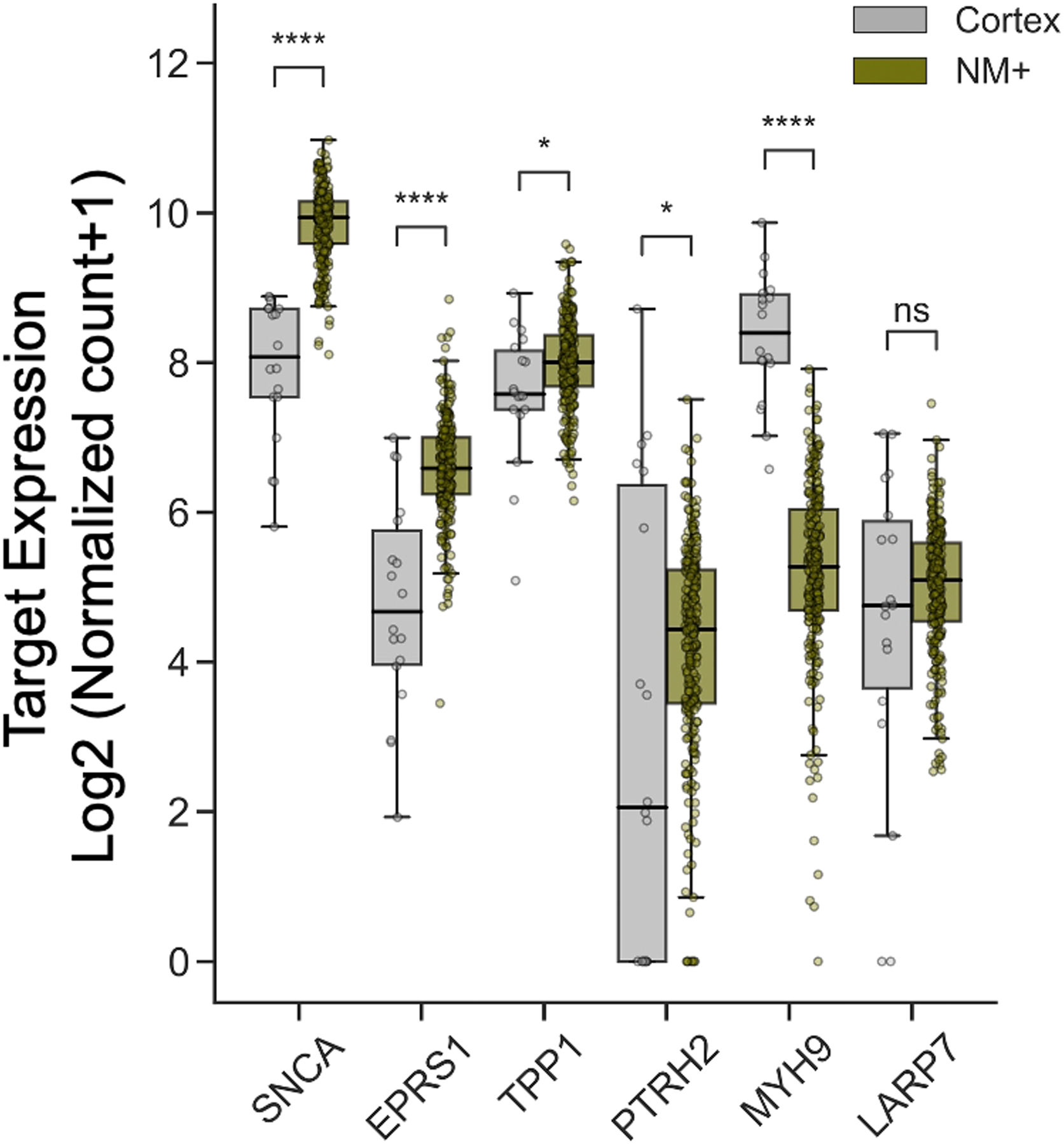 Figure 9
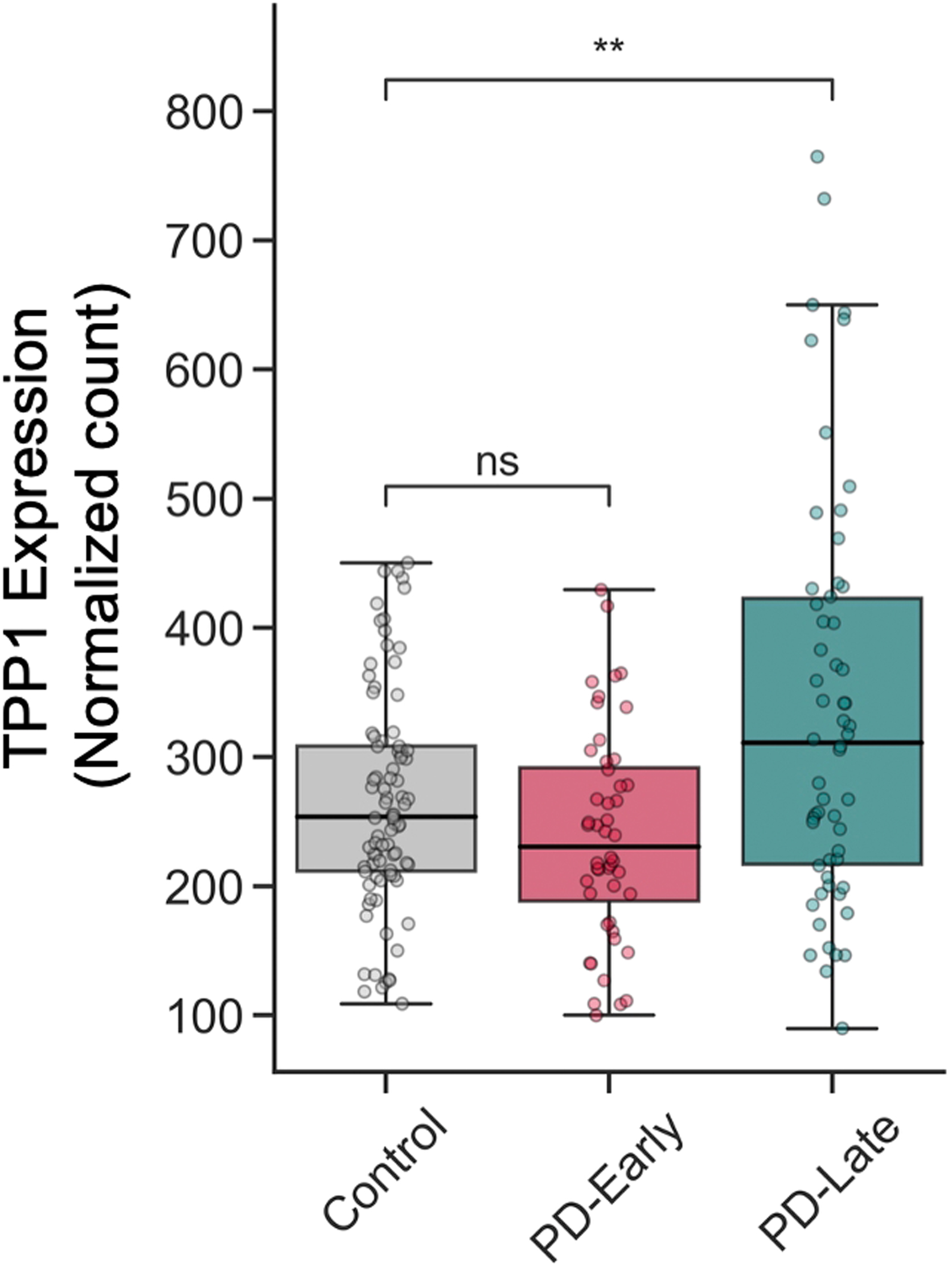 Figure 10
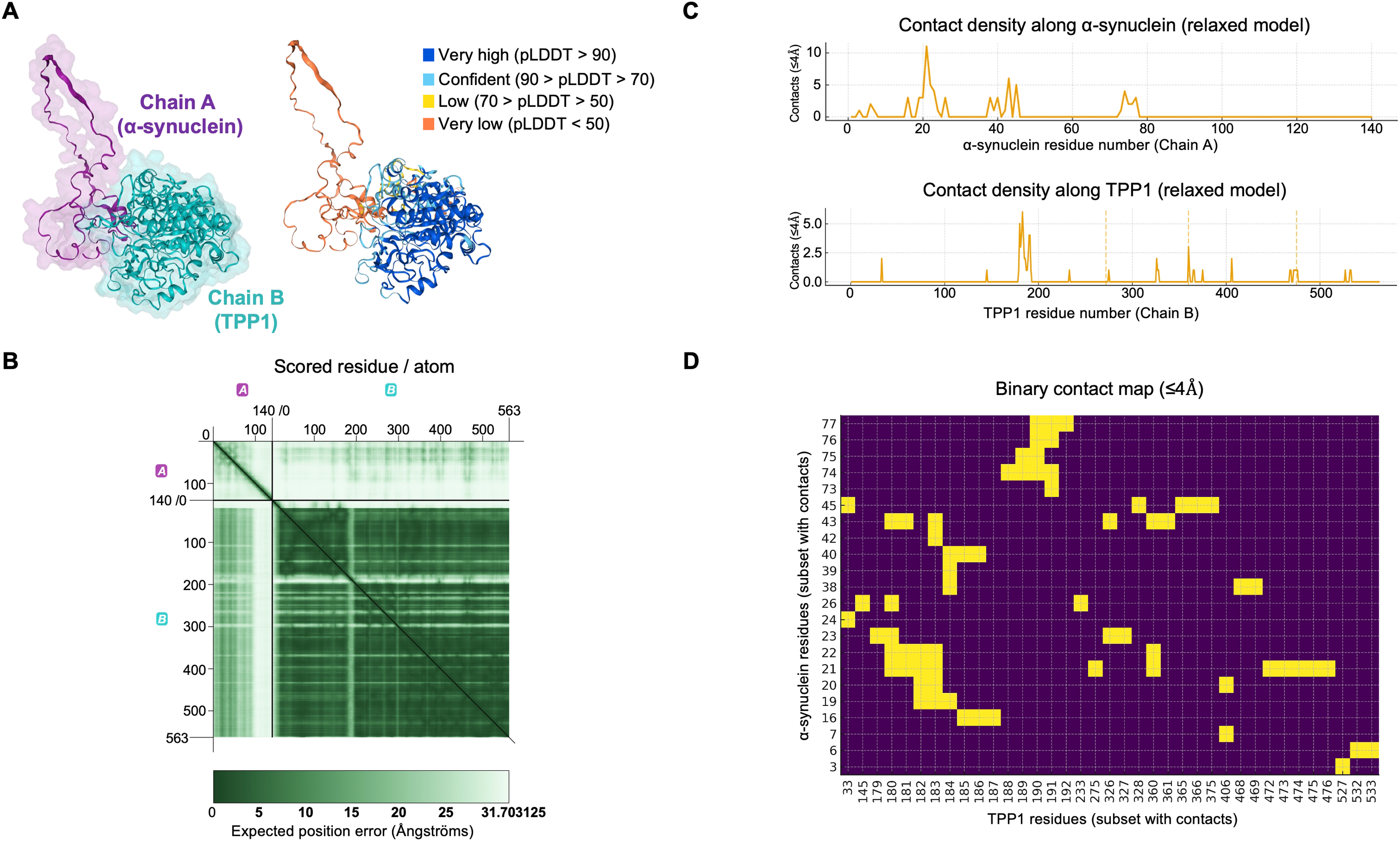 Figure 11
Peer Reviews
No public reviews on file for this paper yet. If you reviewed it on a platform where reviews are public (OpenReview, ICLR, NeurIPS, ICML), you can paste yours below so the community can read it here.
Videos
No videos yet. Explain this paper in a talk, walkthrough, or lecture? Add one.
Taxonomy
TopicsParkinson's Disease Mechanisms and Treatments · Bioinformatics and Genomic Networks · Advanced Graph Neural Networks