Consequences of Peptide Macrocyclization Revealed by Virus-Inspired β‑Hairpin Mimetics
Anna L. Bula, Raitis Bobrovs, Pavel Arsenyan, Teodors Pantelejevs

TL;DR
This paper explores how creating macrocyclic peptides that mimic β-hairpin structures can improve their binding to proteins like STAT1, potentially leading to better drug design.
Contribution
The study introduces a general strategy for β-hairpin macrocyclization to enhance target engagement and provides a kinetic model for improved binding.
Findings
Orthogonal cyclizations improve peptide binding thermodynamics and slow dissociation from the target.
Interstrand and head-to-tail cross-linking alters peptide structure and dynamics, enhancing target residence.
Macrocyclic peptides inhibit STAT1 binding to its interferon receptor docking site, showing pharmacological potential.
Abstract
Mimicry of protein secondary structure elements, such as α-helices and β-sheets, using conformationally constrained peptide macrocycles, can be utilized to disrupt native protein–protein and protein-nucleic acid interactions. Although α-helical stapled peptides have been extensively studied as pharmacological probes, the application of β-sheet and β-hairpin mimetics remains comparatively limited. Less is known about the structural and biophysical consequences of β-hairpin macrocyclization in the context of target binding. In this work, we use a poxvirus immune antagonist protein 018 as a template for the structure-based design of β-hairpin mimetic macrocyclic peptides targeting the STAT1 transcription factor. We demonstrate that successive orthogonal cyclizations have additive effects on the thermodynamic and kinetic properties of peptide binding, most notably slowing the dissociation…
Genes, proteins, chemicals, diseases, species, mutations and cell lines named across the full text — each resolved to its canonical identifier and authoritative record.
Click any figure to enlarge with its caption.
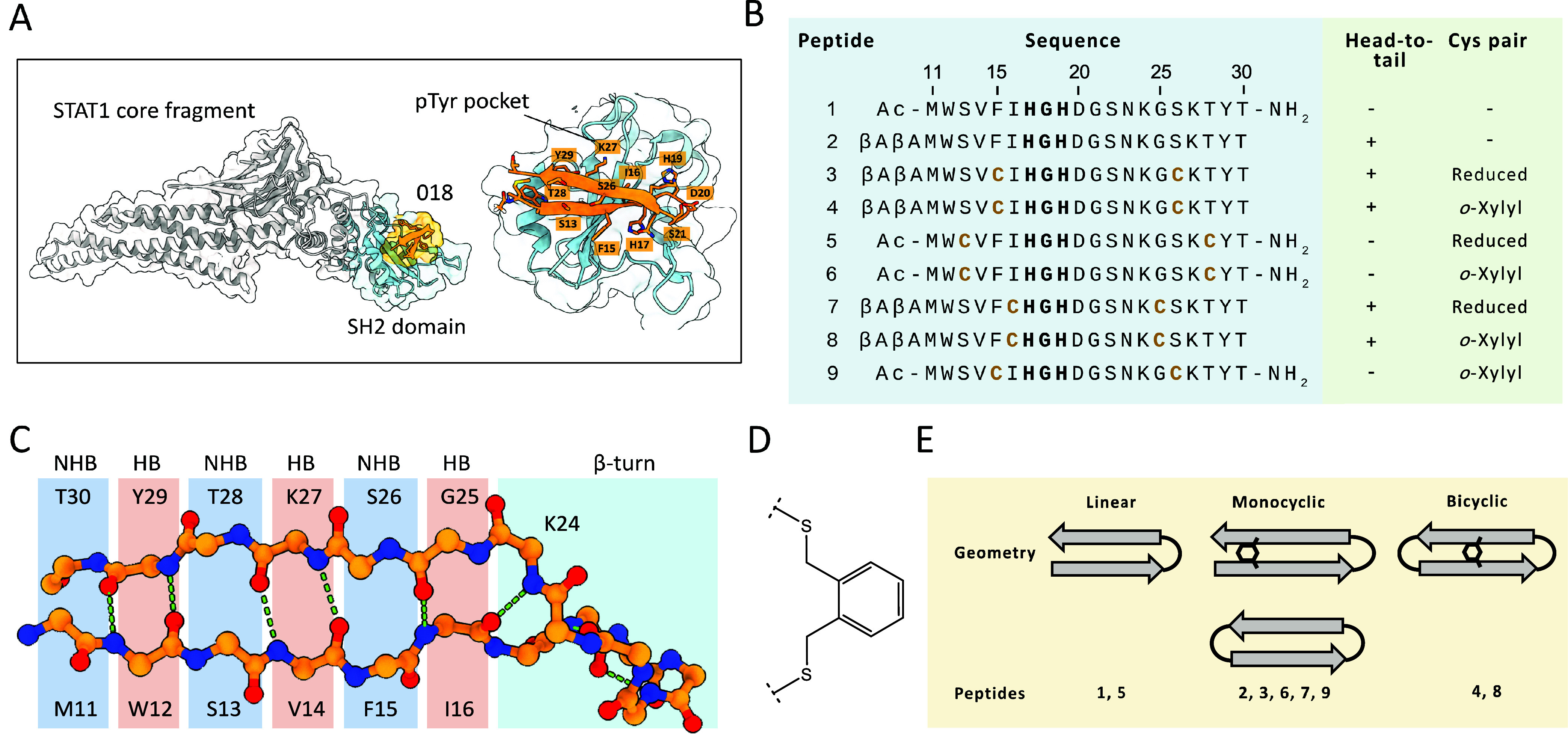 Figure 1
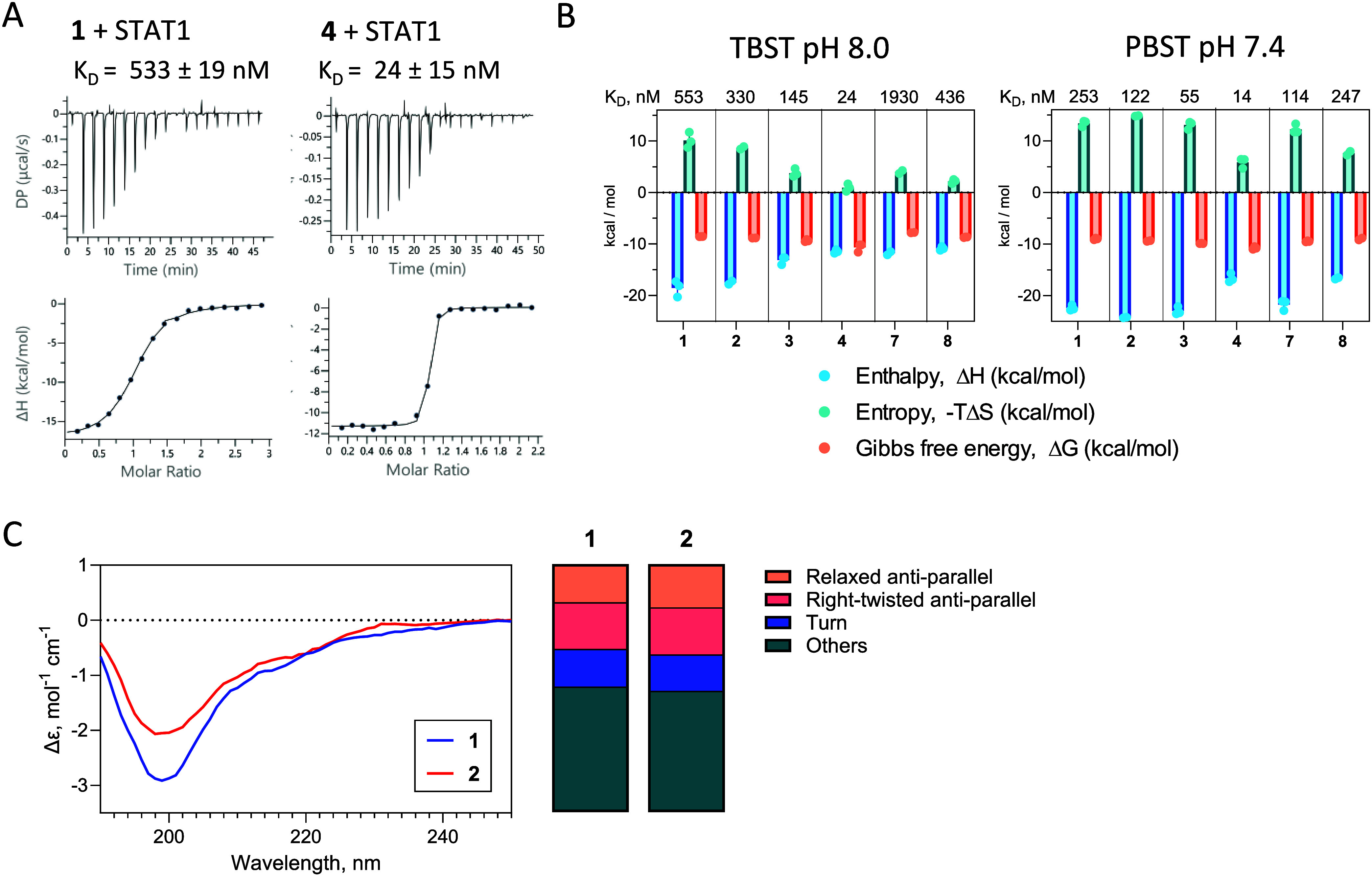 Figure 2
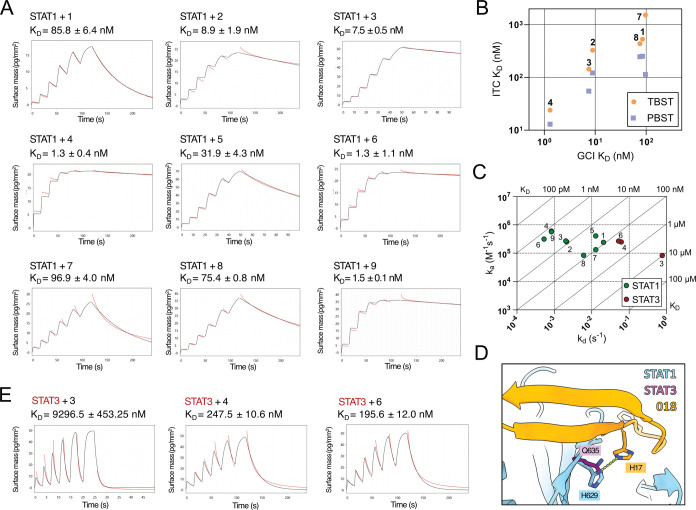 Figure 3
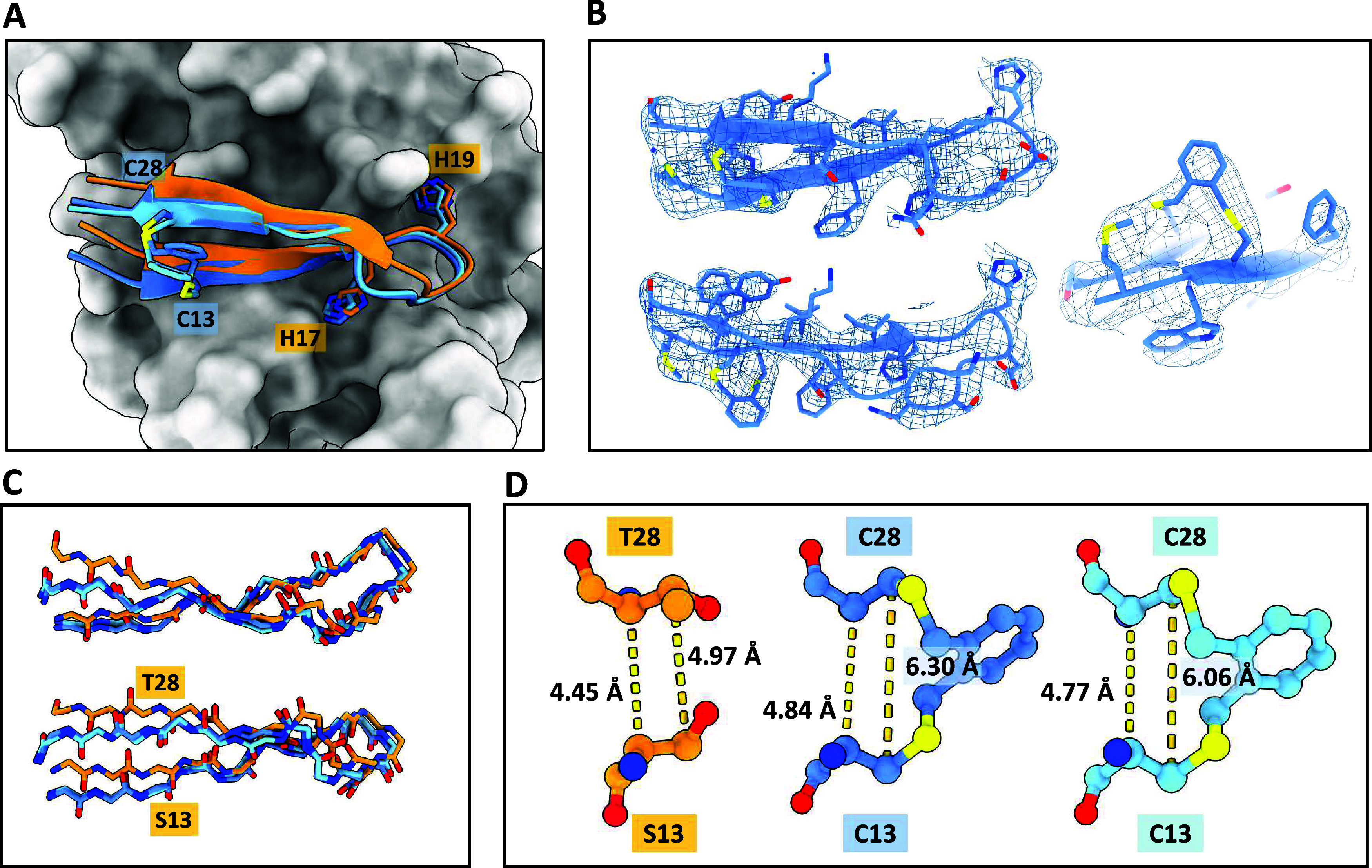 Figure 4
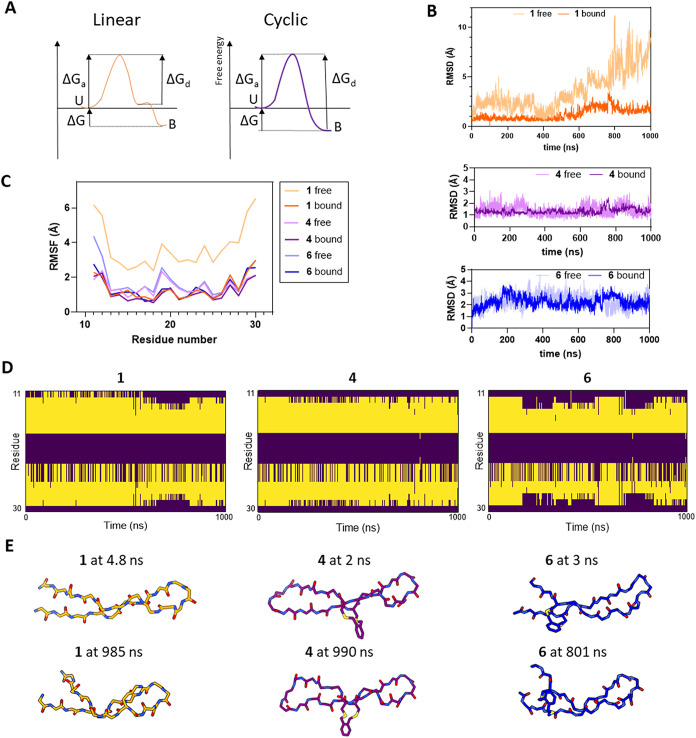 Figure 5
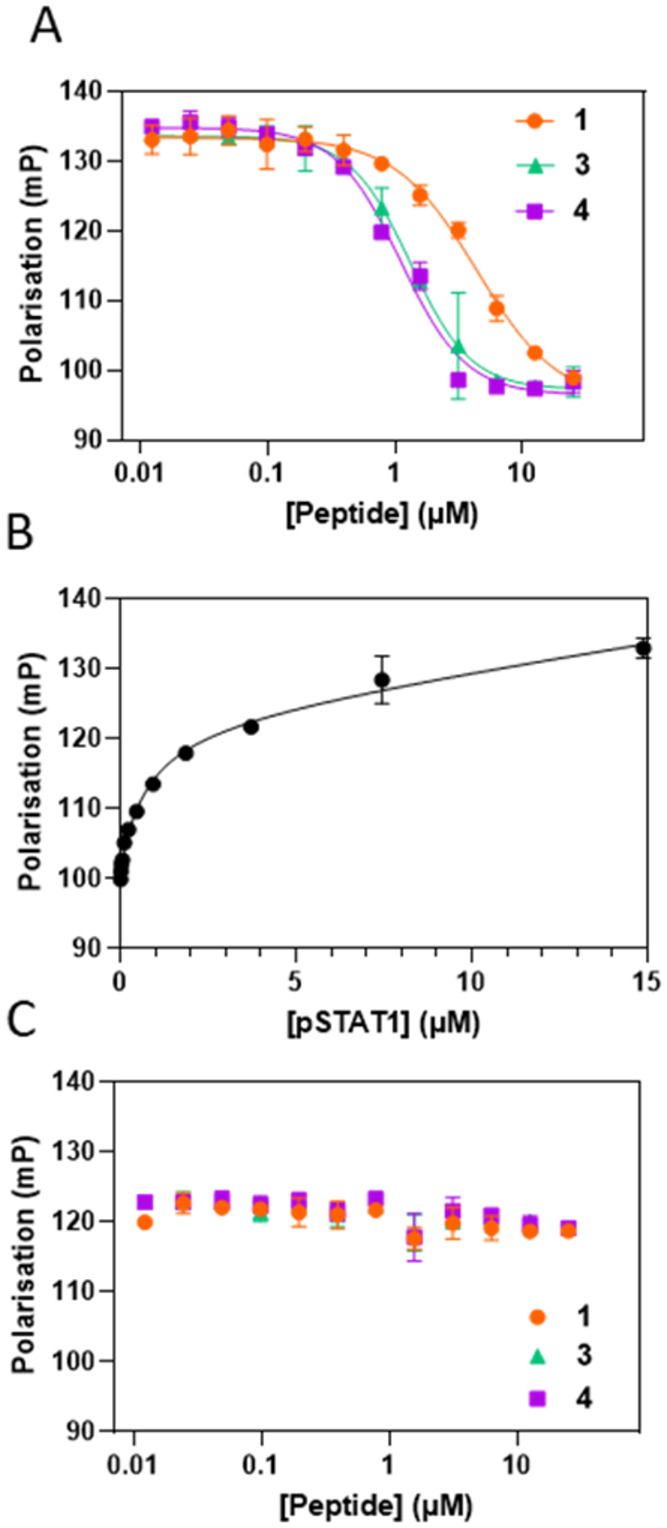 Figure 6
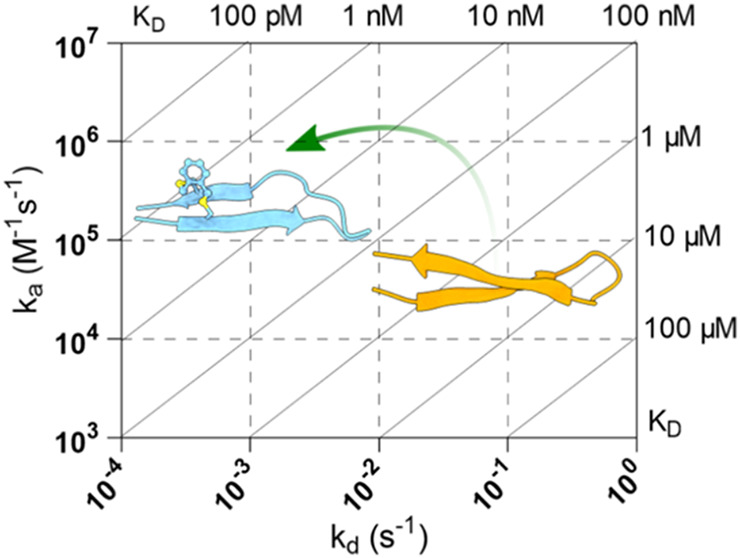 Figure 7
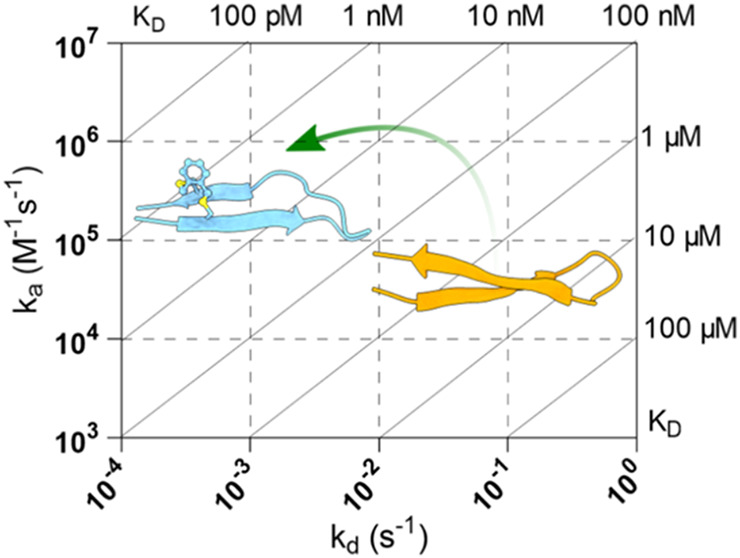 Figure 8
Peer Reviews
No public reviews on file for this paper yet. If you reviewed it on a platform where reviews are public (OpenReview, ICLR, NeurIPS, ICML), you can paste yours below so the community can read it here.
Videos
No videos yet. Explain this paper in a talk, walkthrough, or lecture? Add one.
Taxonomy
TopicsChemical Synthesis and Analysis · Biochemical and Structural Characterization · Click Chemistry and Applications