Intellectual Developmental Disorder of Autosomal Dominant 61 Caused by a MED13 Variant Presenting With Congenital Unilateral Sensorineural Hearing Loss: A Case Report
Kathleen Pinto Alberto, Sara S Goulart, Filipa Valentim, Nídia N Faria, André Amaral

TL;DR
A child with developmental delays and hearing loss was found to have a rare genetic disorder caused by a MED13 variant, expanding the known symptoms of this condition.
Contribution
This case report expands the phenotypic spectrum of MED13-related syndrome by including congenital unilateral SNHL and a supernumerary tooth.
Findings
A de novo pathogenic MED13 variant was identified in a patient with global developmental delay and intellectual disability.
The patient exhibited congenital unilateral sensorineural hearing loss and a supernumerary tooth, not previously reported in MED13-related syndrome.
The findings support haploinsufficiency as the disease mechanism for truncating MED13 variants in MRD61.
Abstract
We report the case of an eight-year-old male with global developmental delay (GDD), an intellectual developmental disorder (IDD), mild dysmorphic features, congenital unilateral sensorineural hearing loss (SNHL), and a supernumerary left maxillary central incisor. Whole-exome sequencing (WES), in a singleton analysis, identified a heterozygous frameshift variant in MED13 (RefSeq NM_005121.2:c.2691del, p.(Asp898IlefsTer14)), confirmed de novo by parental testing and classified as pathogenic. Pathogenic MED13 variants can cause the rare neurodevelopmental disorder IDD, autosomal dominant 61 (MRD61; OMIM 618009), also referred to as MED13-related syndrome. The patient’s phenotype overlapped with those of previous cases but also included congenital unilateral SNHL and a supernumerary left maxillary central incisor. These findings may expand the known phenotypic spectrum of MRD61. This case…
Genes, proteins, chemicals, diseases, species, mutations and cell lines named across the full text — each resolved to its canonical identifier and authoritative record.
Click any figure to enlarge with its caption.
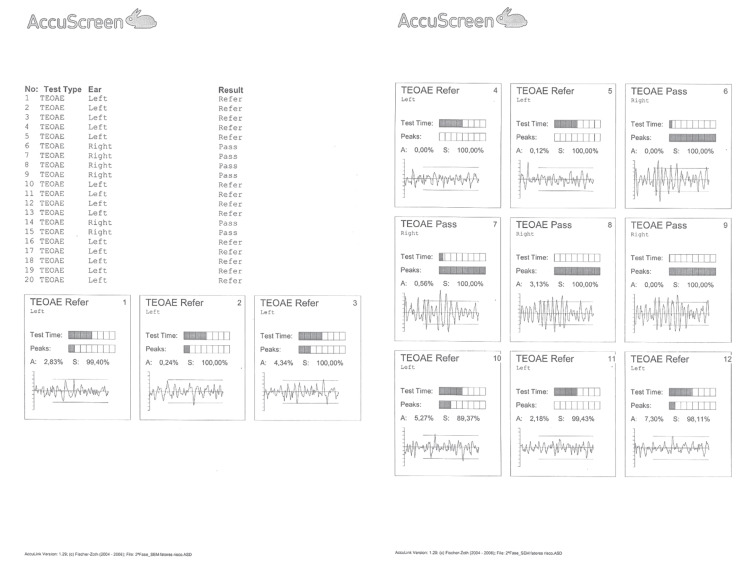 Figure 1
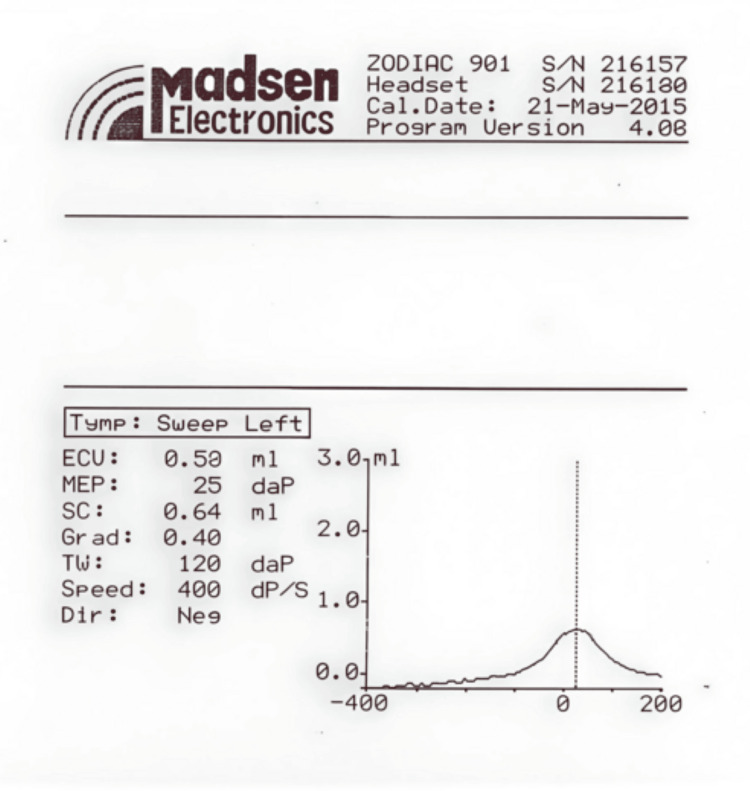 Figure 2
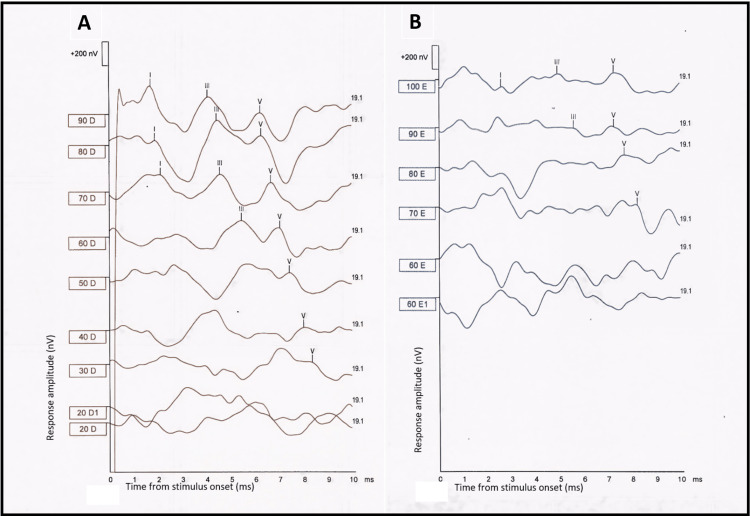 Figure 3
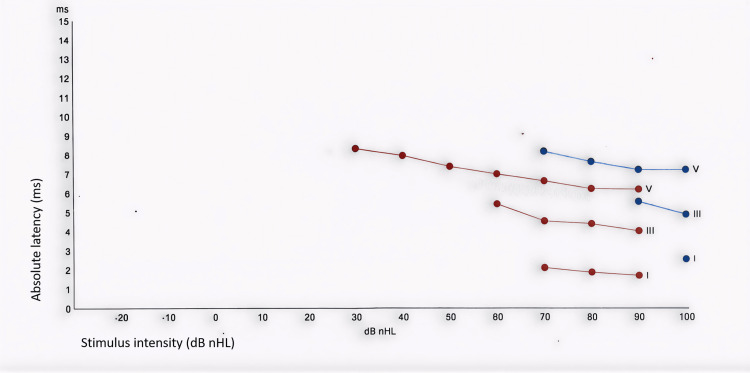 Figure 4
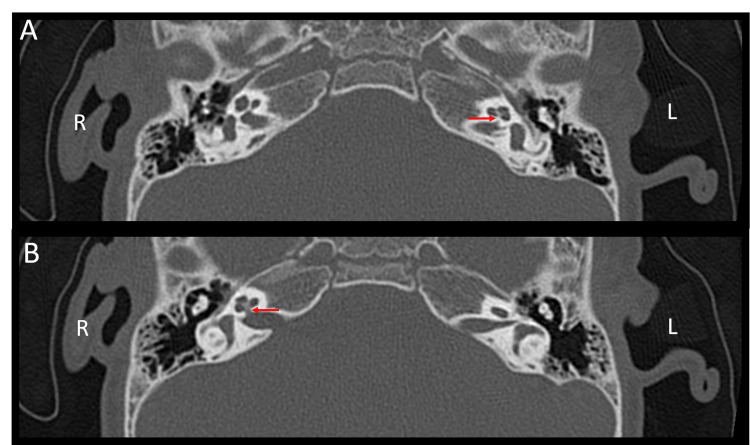 Figure 5
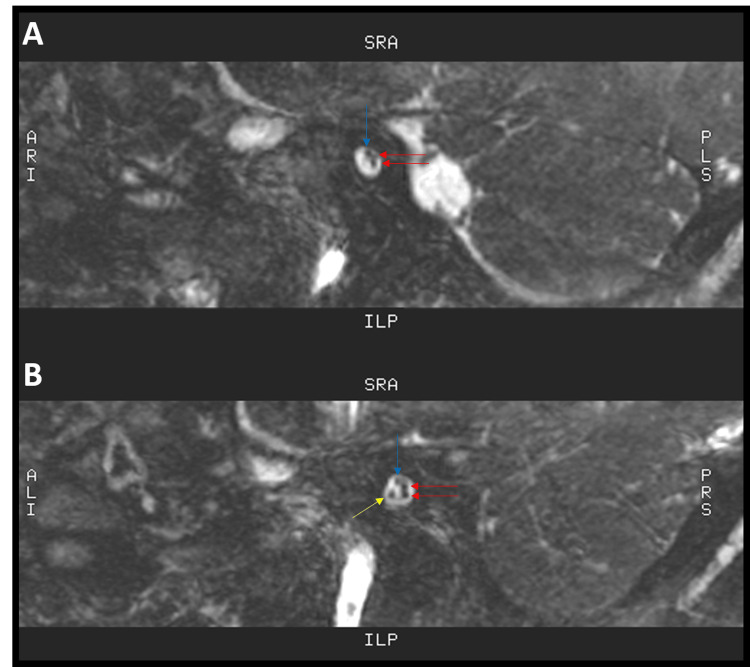 Figure 6
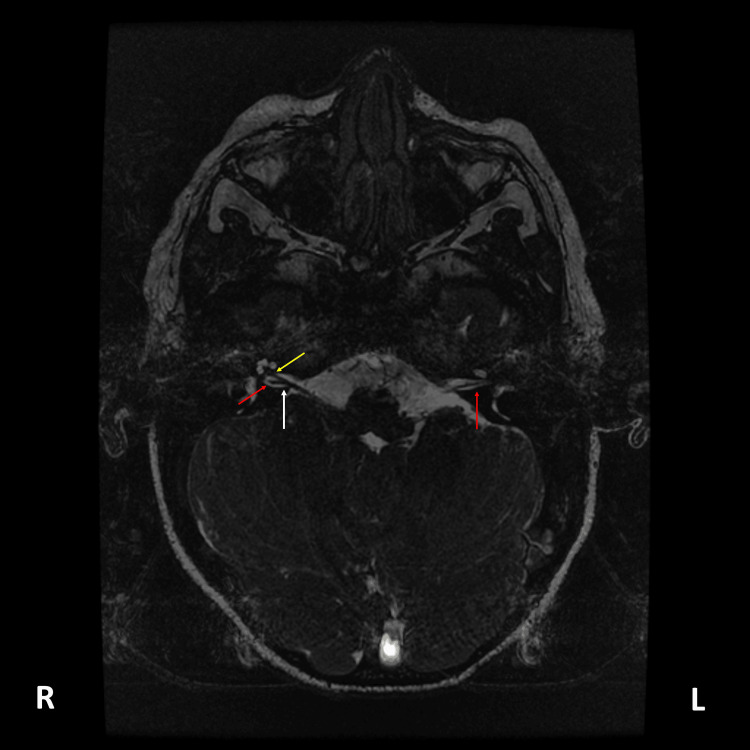 Figure 7
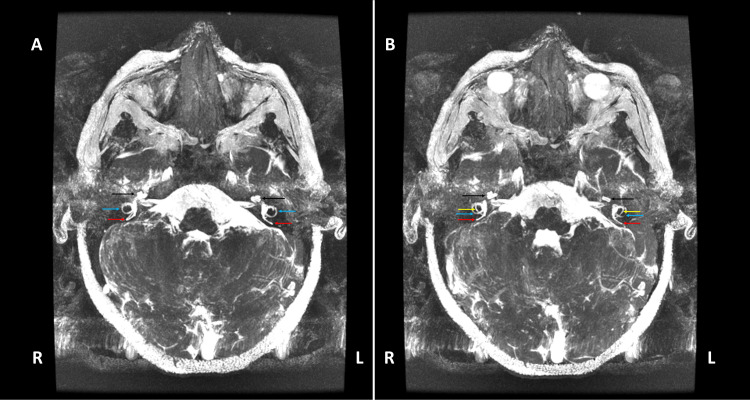 Figure 8
Peer Reviews
No public reviews on file for this paper yet. If you reviewed it on a platform where reviews are public (OpenReview, ICLR, NeurIPS, ICML), you can paste yours below so the community can read it here.
Videos
No videos yet. Explain this paper in a talk, walkthrough, or lecture? Add one.
Taxonomy
TopicsGenomics and Rare Diseases · Congenital Ear and Nasal Anomalies · Developmental Biology and Gene Regulation