Elucidating HER2-directed chimeric antigen receptor (CAR) activation mechanism using homology modeling and all-atom molecular dynamics simulation
Mariya Hryb, Leah Davis, Stefi Lao, Nicholas J. Paradis, Mary Staehle, Xiaoyang Mou, Chun Wu

TL;DR
This study uses simulations to explore how HER2-directed CAR T cells activate, revealing a dynamic switch in domain movements when the receptor binds to its target.
Contribution
The study introduces a new mechanistic hypothesis called BIDDS, explaining how antigen binding alters CAR domain dynamics to facilitate signaling.
Findings
Antigen binding induces a dynamic reversal in extracellular and intracellular domain movements of the CAR.
The BIDDS mechanism may facilitate kinase engagement and signaling motif accessibility.
The findings differ from static models of T cell receptor activation.
Abstract
HER2-directed chimeric antigen receptor (CAR) T cells have demonstrated robust in vivo cytotoxic activity against HER2-positive tumors. However, the structural basis of CAR activation and signal transduction across the membrane remains poorly defined due to the lack of full-length, high-resolution CAR structures. Here, we used homology modeling and all-atom molecular dynamics simulations totaling 37.7 µs to probe the structural dynamics of a full-length anti-HER2 CAR embedded in an explicit POPC membrane, sampling both apo-form and antigen-bound (holo-form) states across three independent trajectories. The simulations reveal coordinated, antigen-dependent changes in the dynamics of the extracellular antigen-binding domain (AB) and the intracellular signaling domain (SI), coupled through the intrinsic disordered regions including hinge, transmembrane, and costimulatory domains…
Genes, proteins, chemicals, diseases, species, mutations and cell lines named across the full text — each resolved to its canonical identifier and authoritative record.
Click any figure to enlarge with its caption.
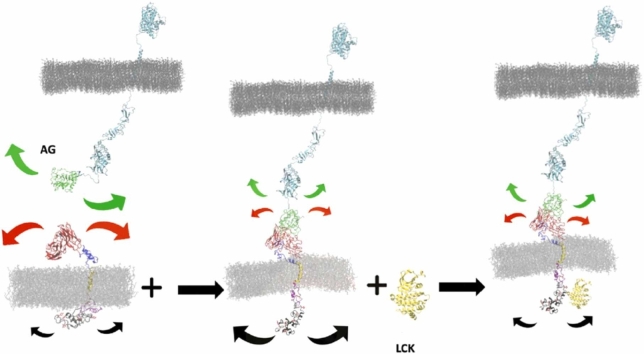 Figure 1
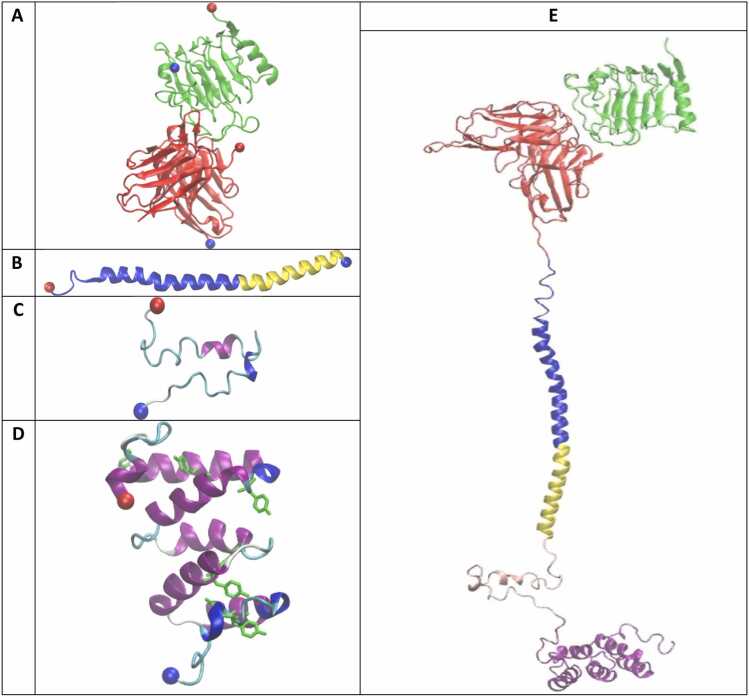 Figure 2
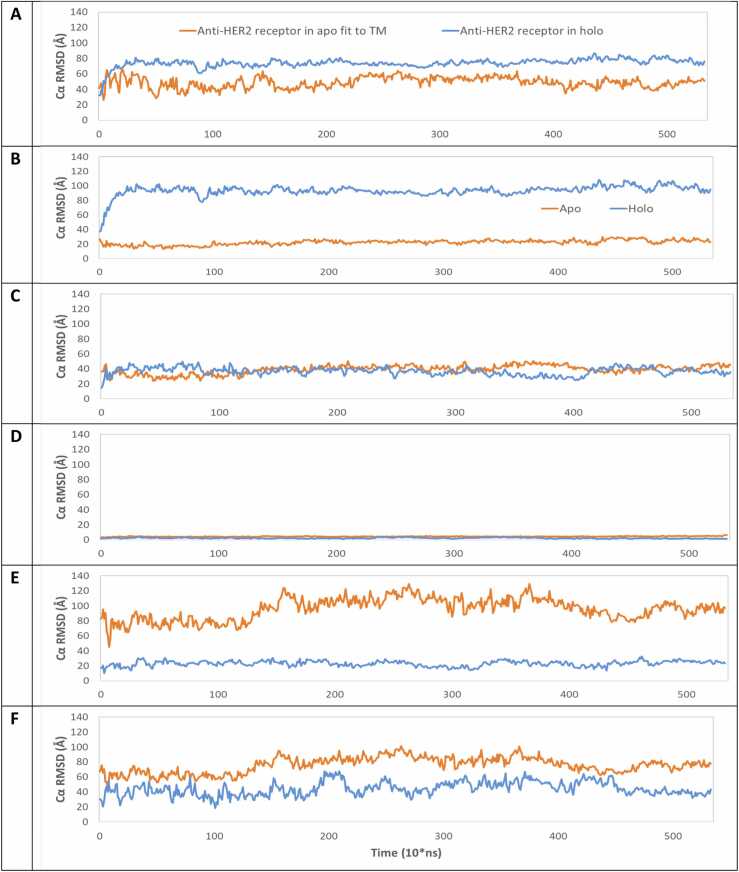 Figure 3
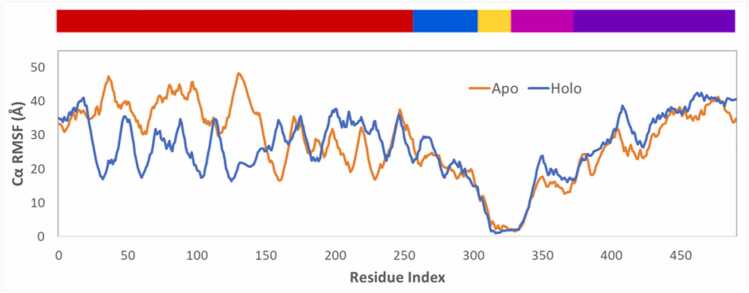 Figure 4
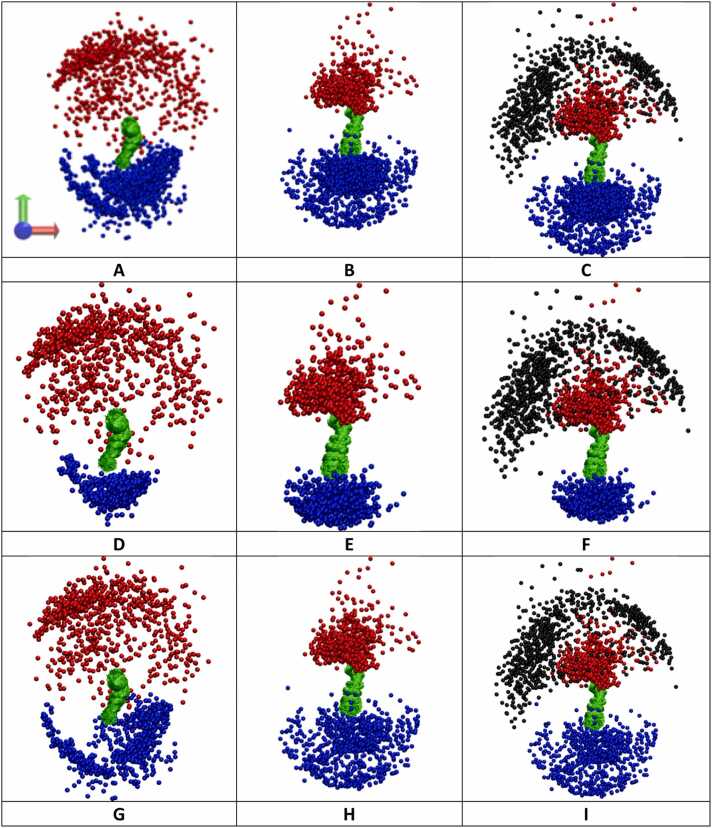 Figure 5
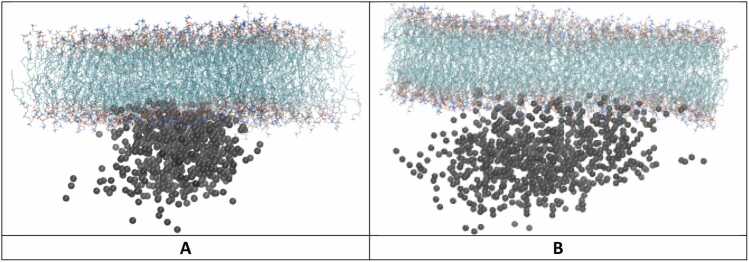 Figure 6
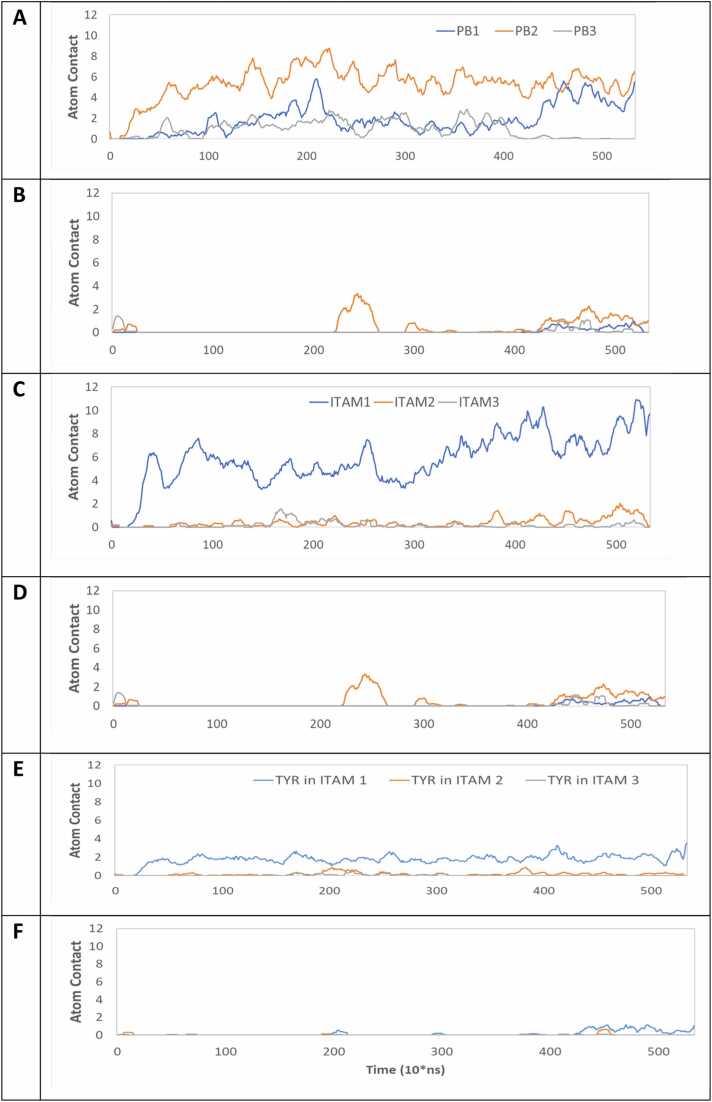 Figure 7
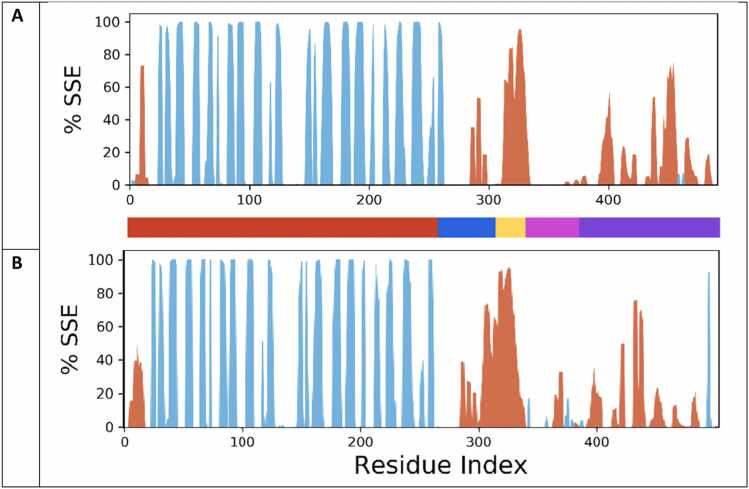 Figure 8
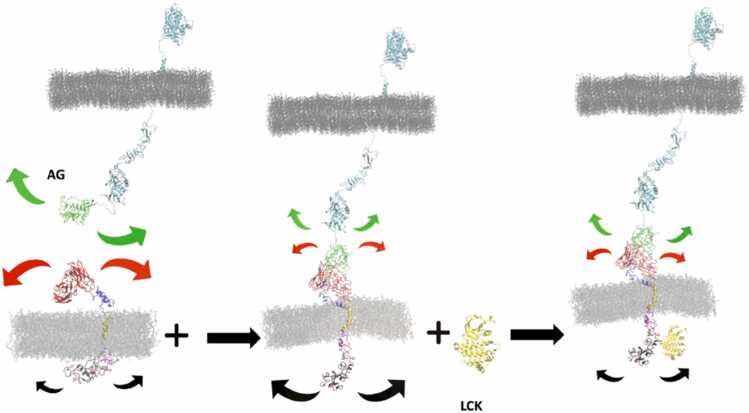 Figure 9
Peer Reviews
No public reviews on file for this paper yet. If you reviewed it on a platform where reviews are public (OpenReview, ICLR, NeurIPS, ICML), you can paste yours below so the community can read it here.
Videos
No videos yet. Explain this paper in a talk, walkthrough, or lecture? Add one.
Taxonomy
TopicsMonoclonal and Polyclonal Antibodies Research · CAR-T cell therapy research · T-cell and B-cell Immunology