Systematic Pathway Screening via Integrated Machine Learning Identifies FOXO‐Mediated Transcription Signature for Robust Immunotherapy Response Prediction in Non–Small Cell Lung Cancer
Shuqi Wu, Chenxi Deng, Chaofan Fan, Qiheng Liang, Lingxuan Zhu, Weiming Mou, Hongsen Huang, Keren Wu, Yizhang Li, Gengwen Deng, Liling Xu, Jiarui Xie, Chenglin Hong, Yuhang Deng, Xingjian Li, Changda Wu, Tao Yang, Peng Luo, Hank Z. H. Wong, Aimin Jiang, Anqi Lin, Xin Chen

TL;DR
This study uses machine learning to identify a FOXO-related gene signature that predicts immunotherapy response and survival in non-small cell lung cancer patients.
Contribution
The novel contribution is a FOXO-mediated transcription signature derived via machine learning that outperforms existing models in predicting immunotherapy outcomes.
Findings
The FOXO-related signature (FRS) stratifies patients into high-risk and low-risk groups with significant differences in survival outcomes.
FRS outperformed clinical variables and 43 published models in predictive accuracy for immunotherapy response.
Immune profiling showed enriched antitumor immunity in low-FRS patients, confirmed by elevated gene expression in nonresponders.
Abstract
Non–small cell lung cancer (NSCLC), accounting for 80% of lung cancer cases, remains a leading cause of cancer‐related mortality globally. While immune checkpoint inhibitors (ICIs) have improved outcomes, their efficacy is limited to a subset of patients, necessitating robust biomarkers for personalized immunotherapy response prediction. We integrated transcriptomic data from 584 NSCLC patients across four cohorts treated with ICIs. Using 12,025 pathways from MSigDB, we applied 101 machine learning algorithm combinations (e.g., random survival forest [RSF], least absolute shrinkage and selection operator [Lasso], and Cox proportional hazards model with component‐wise likelihood‐based boosting [CoxBoost]) to identify prognostic signatures. OAK was used as the training set and Ravi, Jung, and Poplar as the validation set. The optimal pathway and algorithm combination was determined based…
Genes, proteins, chemicals, diseases, species, mutations and cell lines named across the full text — each resolved to its canonical identifier and authoritative record.
Click any figure to enlarge with its caption.
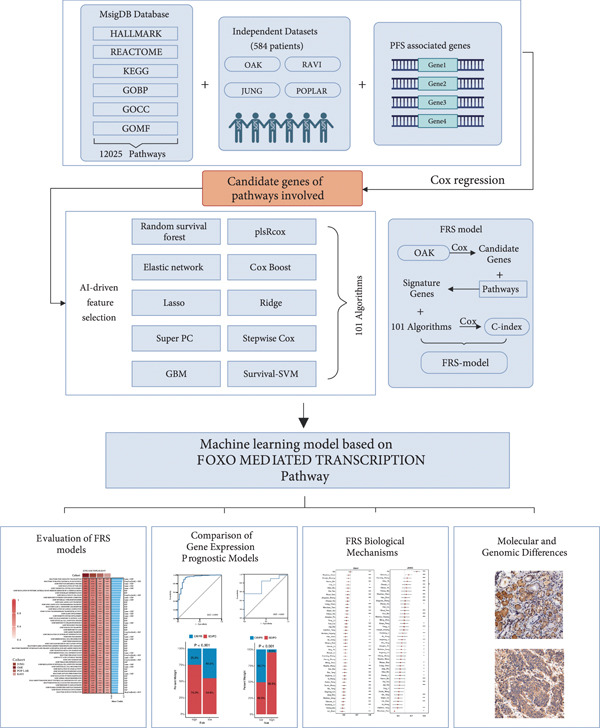 Figure 1
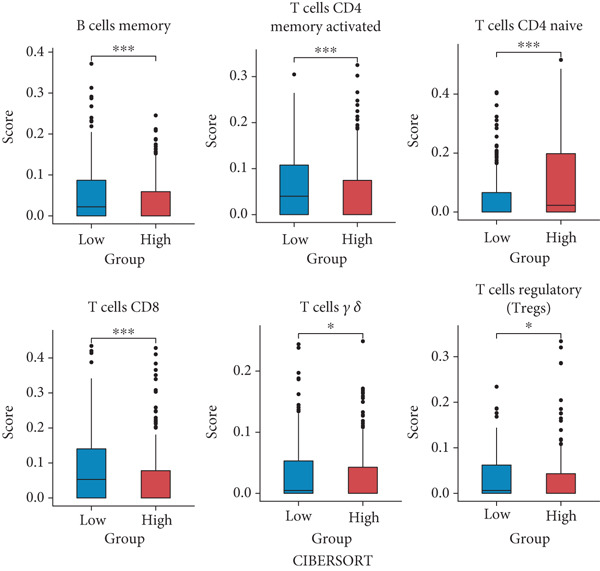 Figure 2
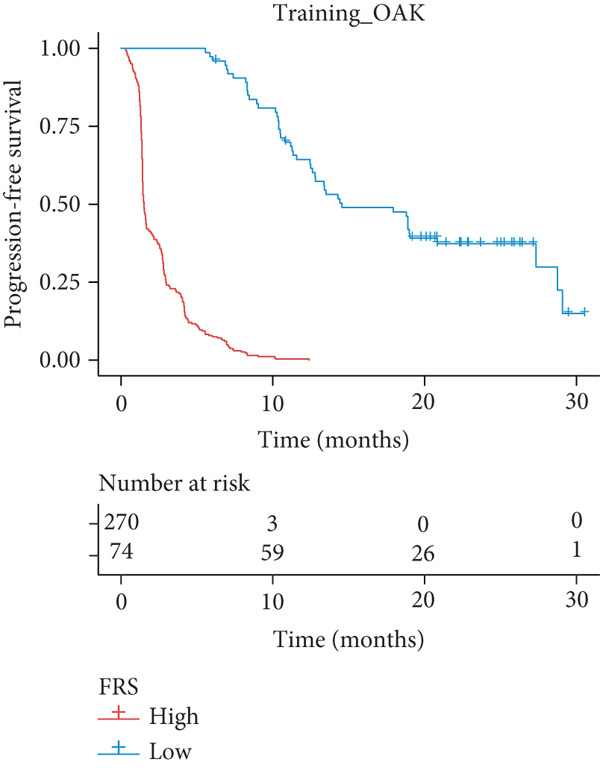 Figure 3
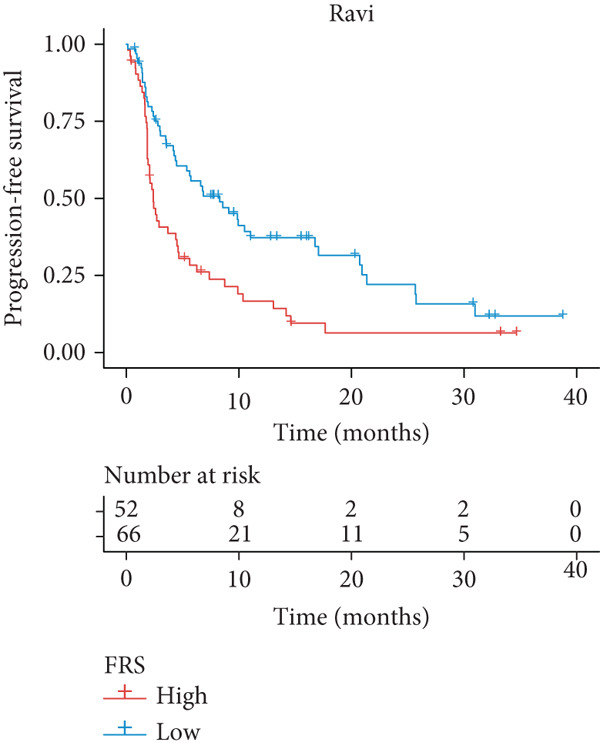 Figure 4
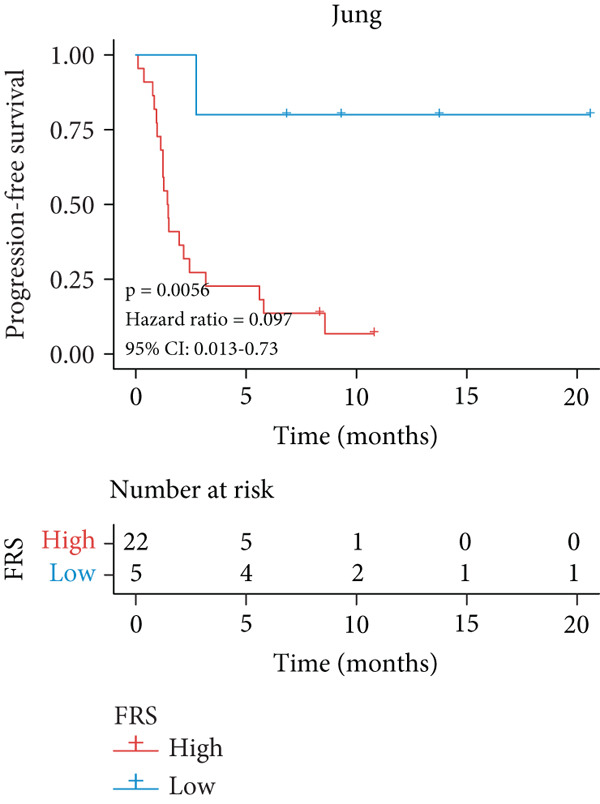 Figure 5
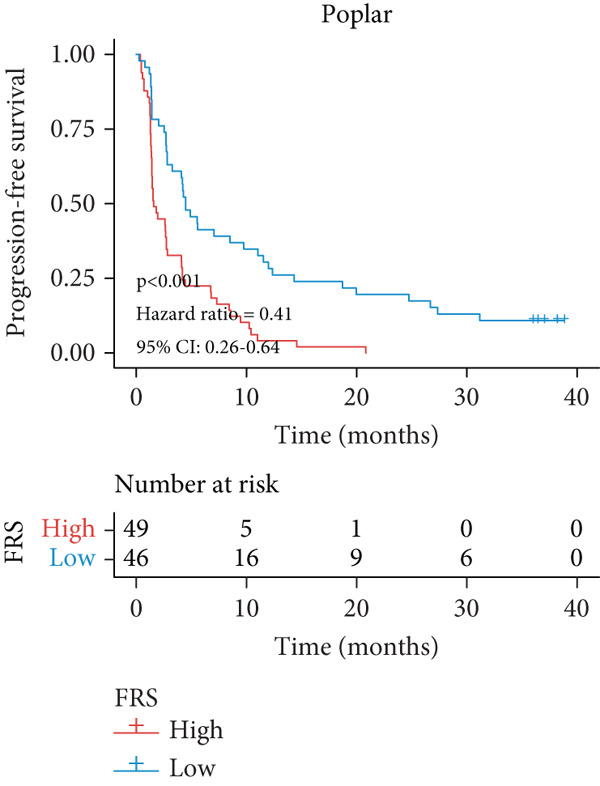 Figure 6
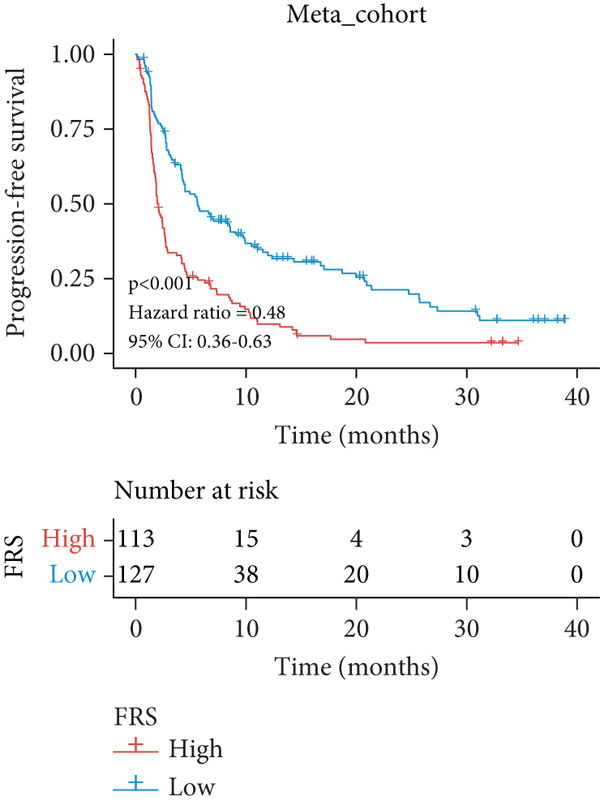 Figure 7
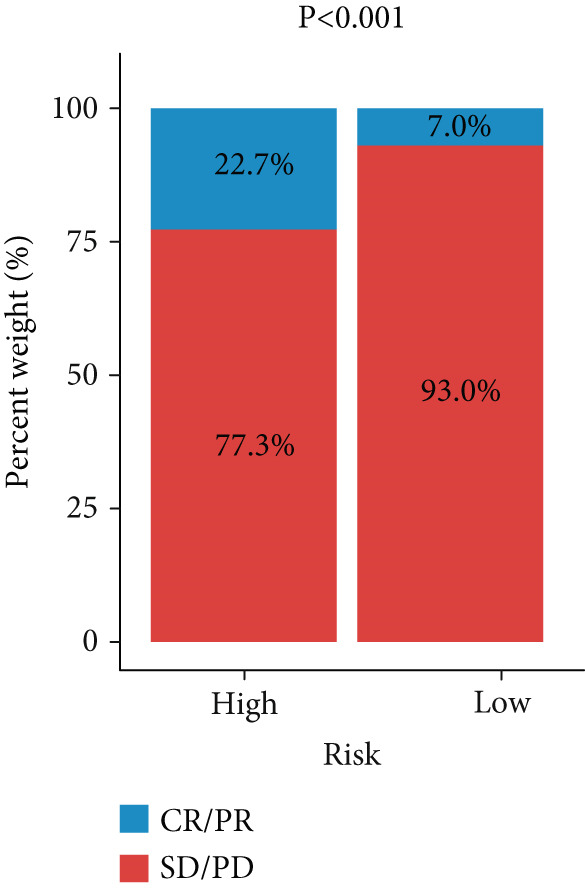 Figure 8
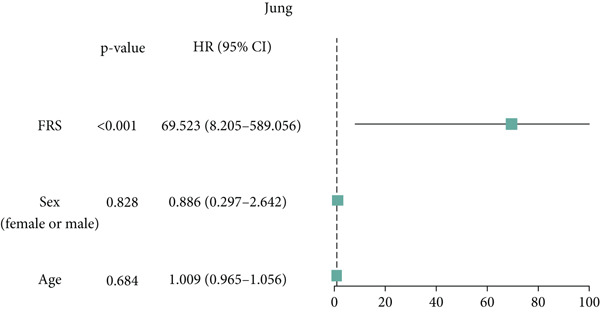 Figure 9
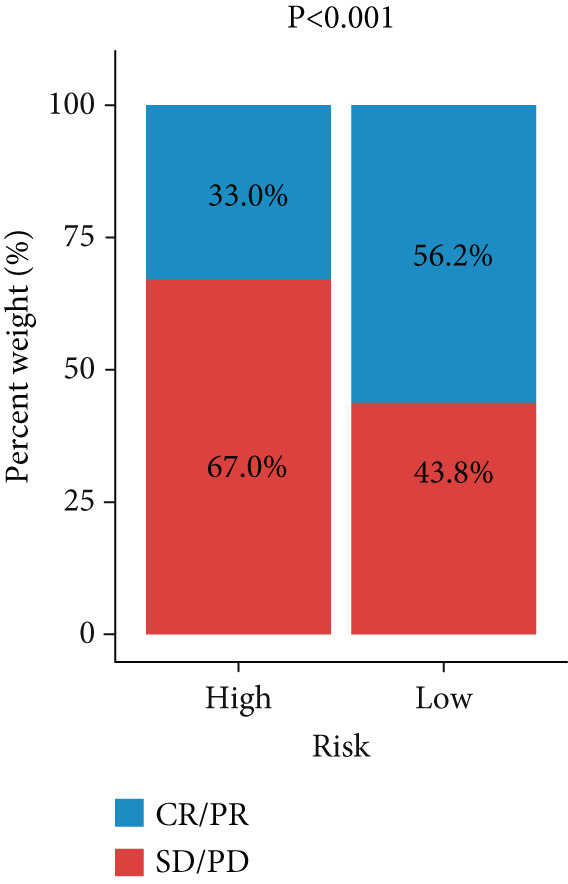 Figure 10
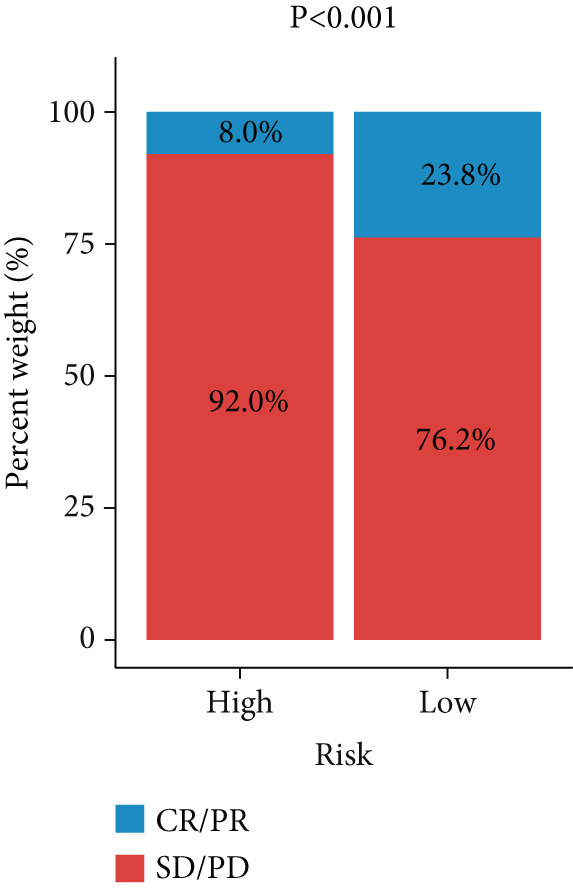 Figure 11
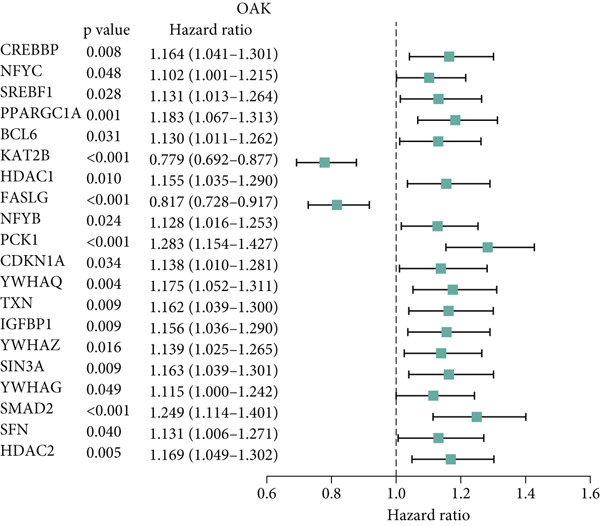 Figure 12
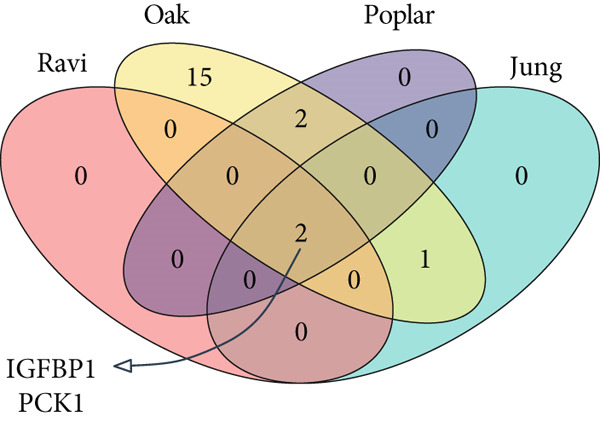 Figure 13
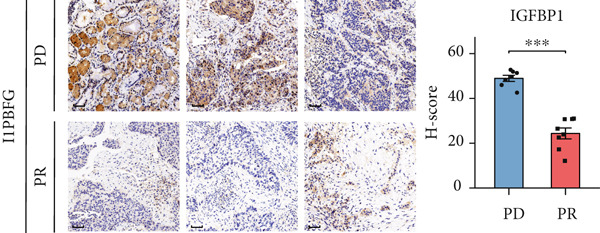 Figure 14
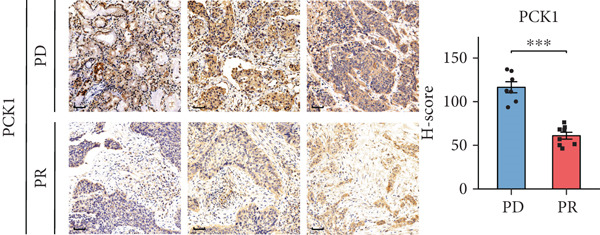 Figure 15
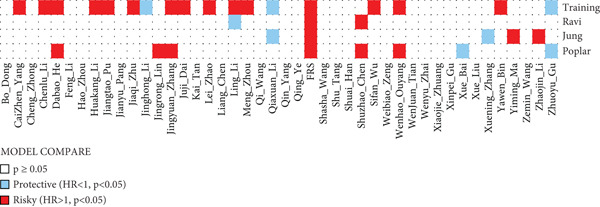 Figure 16
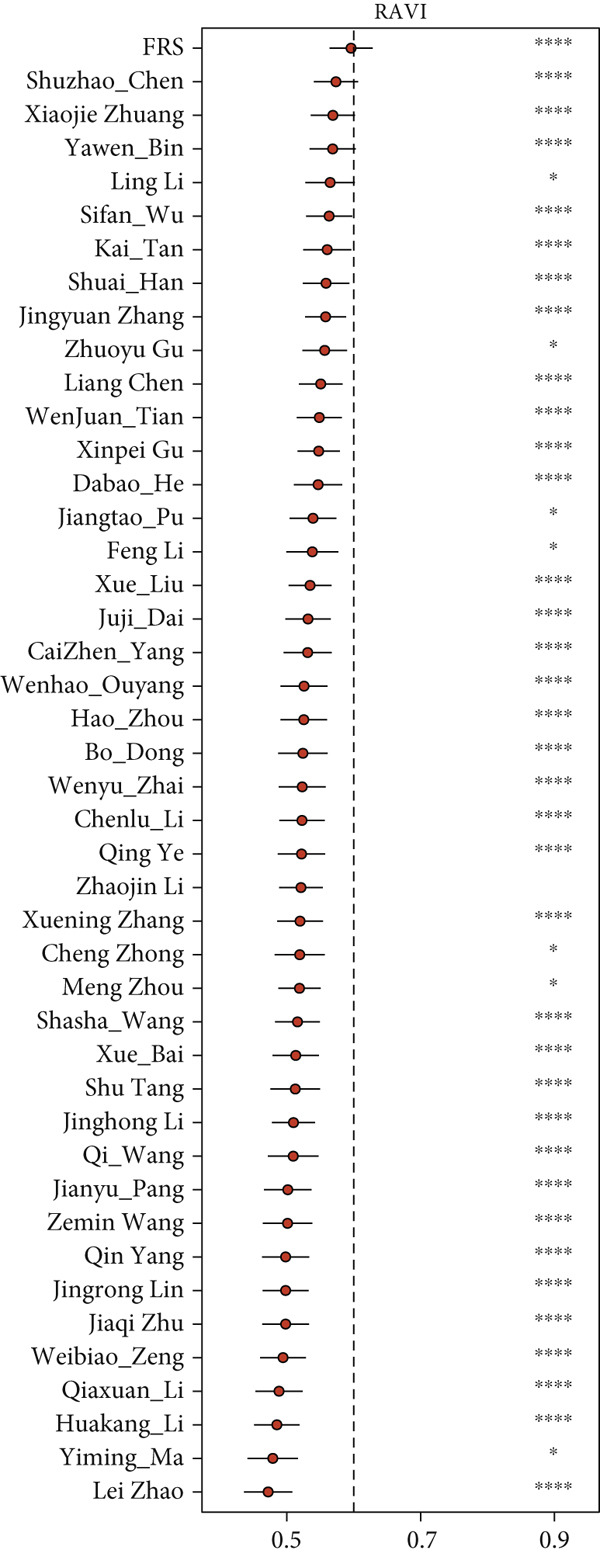 Figure 17
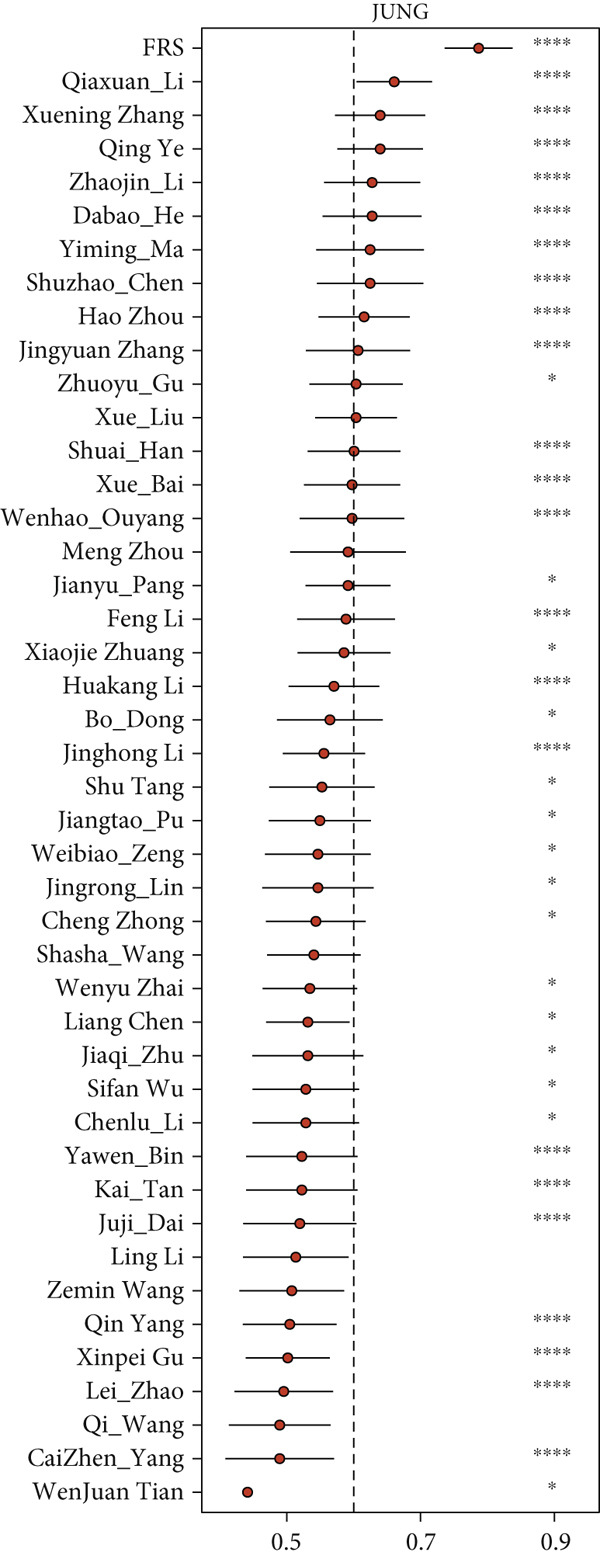 Figure 18
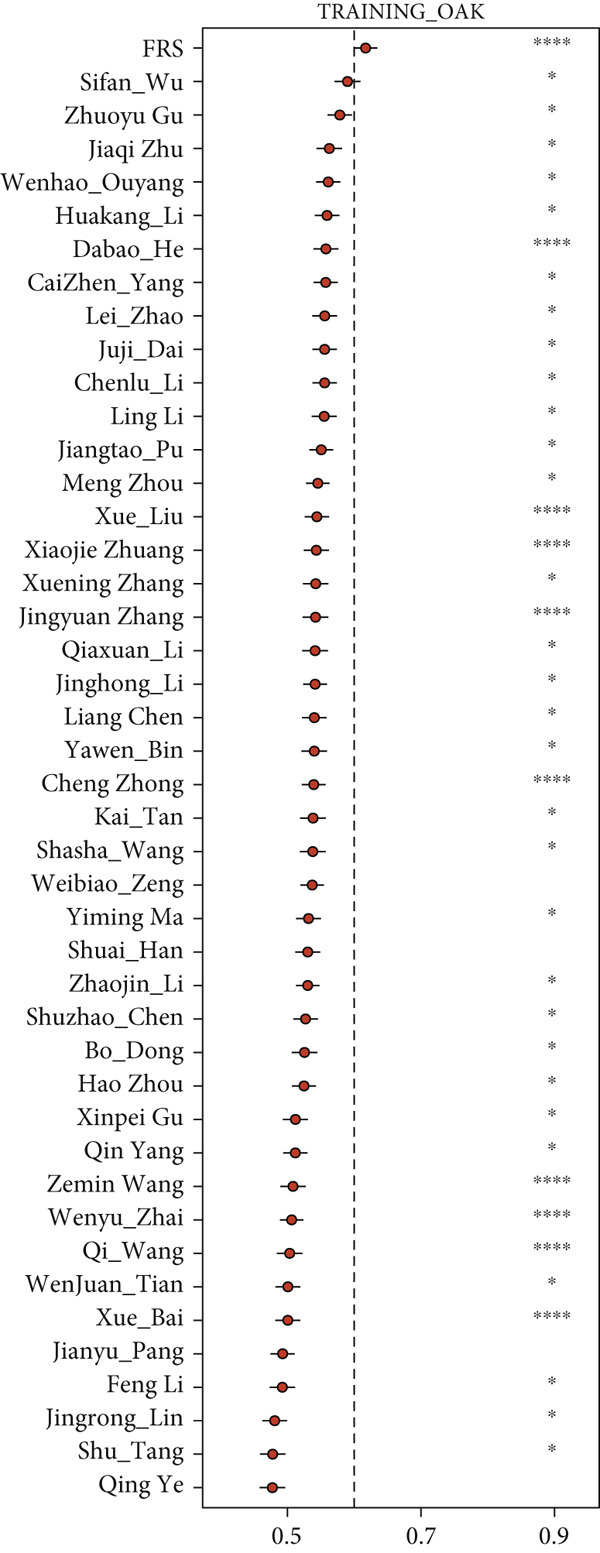 Figure 19
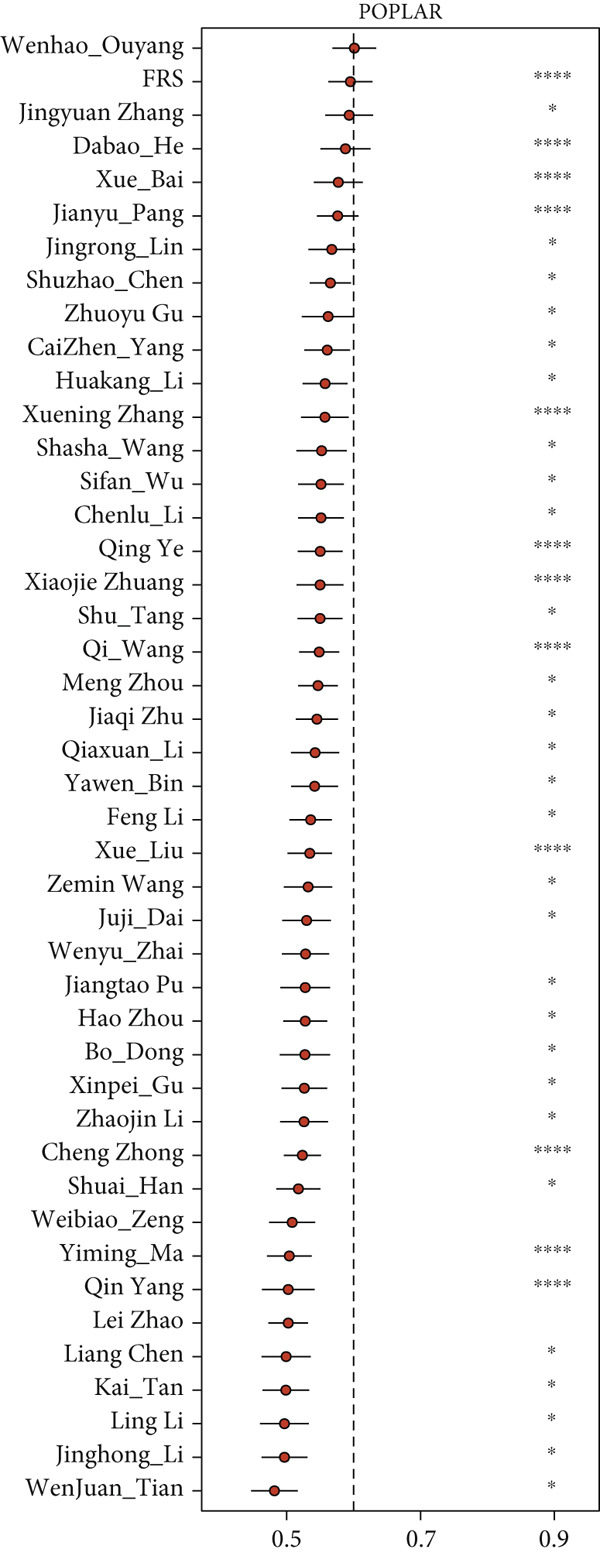 Figure 20
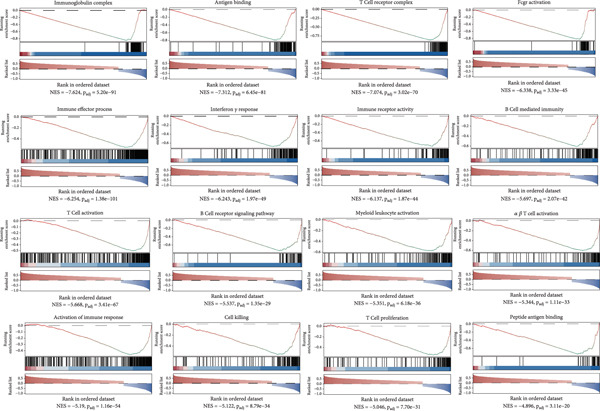 Figure 21
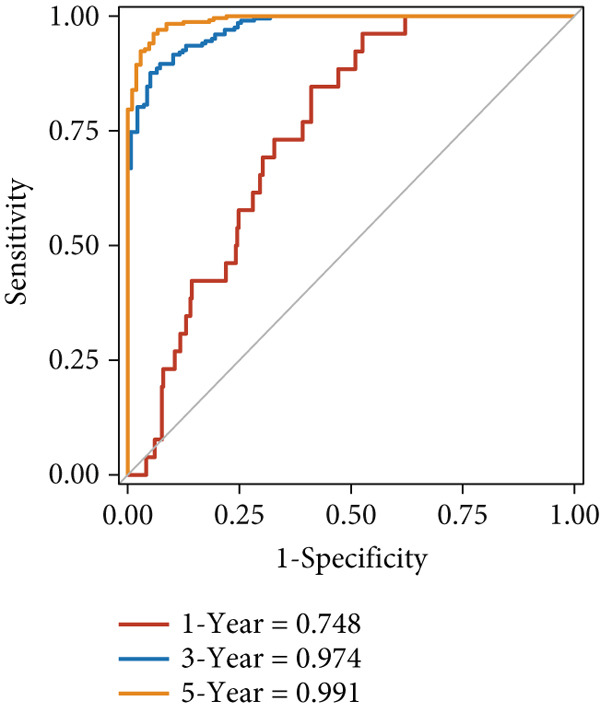 Figure 22
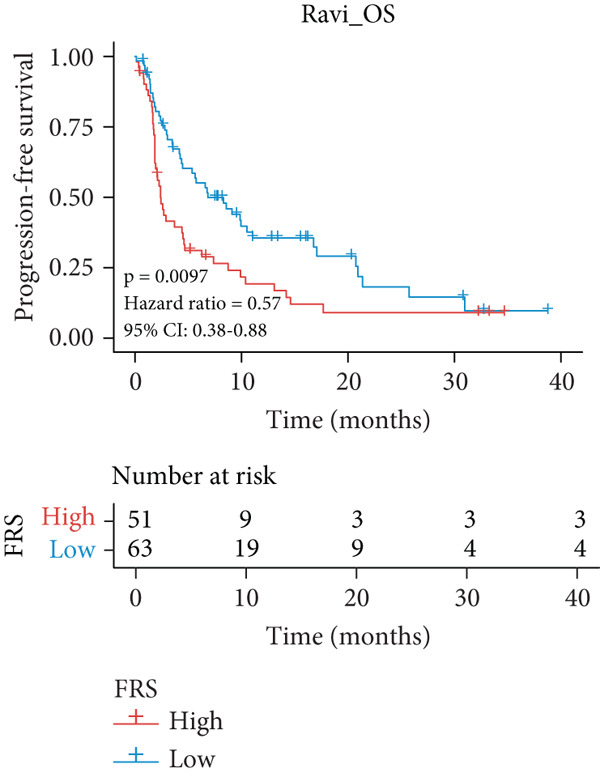 Figure 23
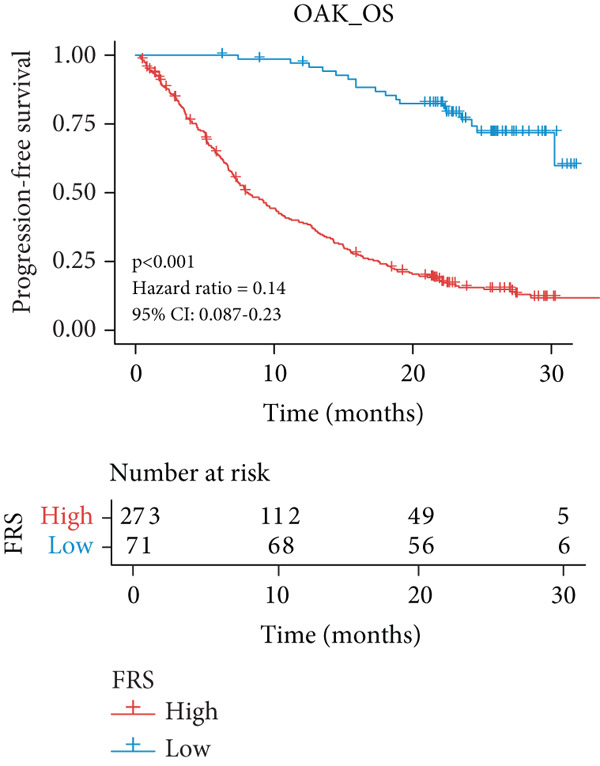 Figure 24
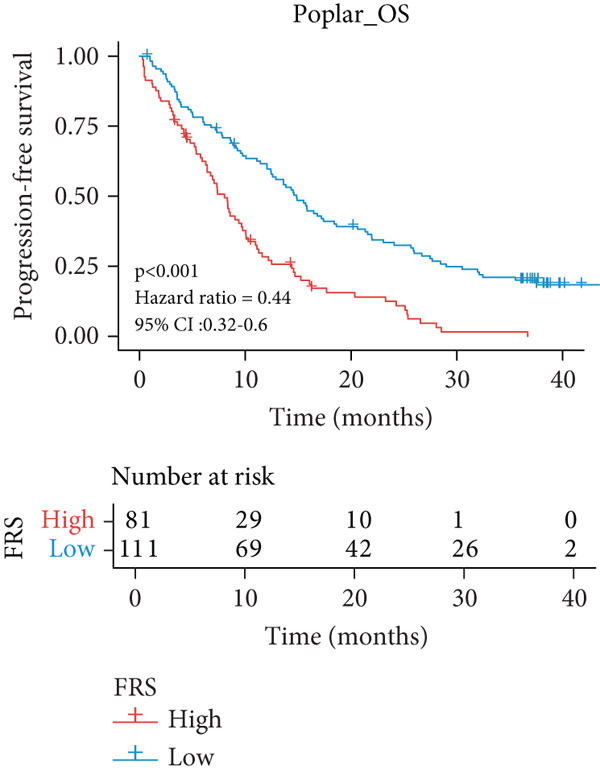 Figure 25
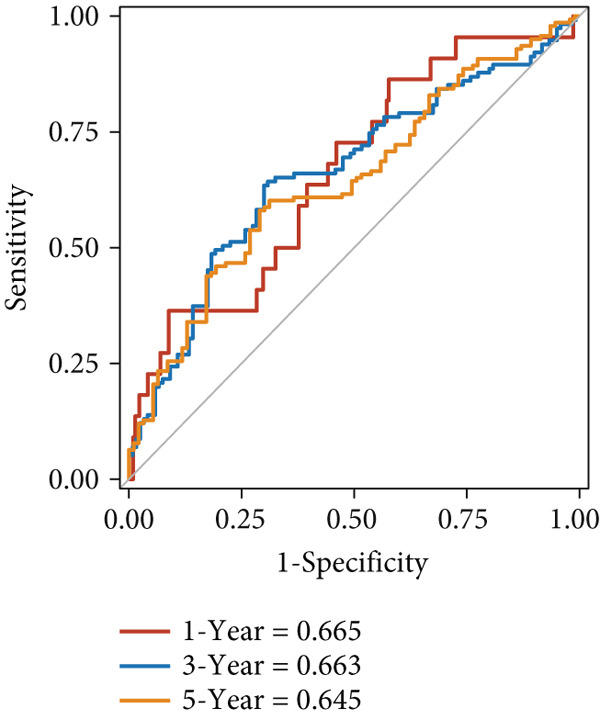 Figure 26
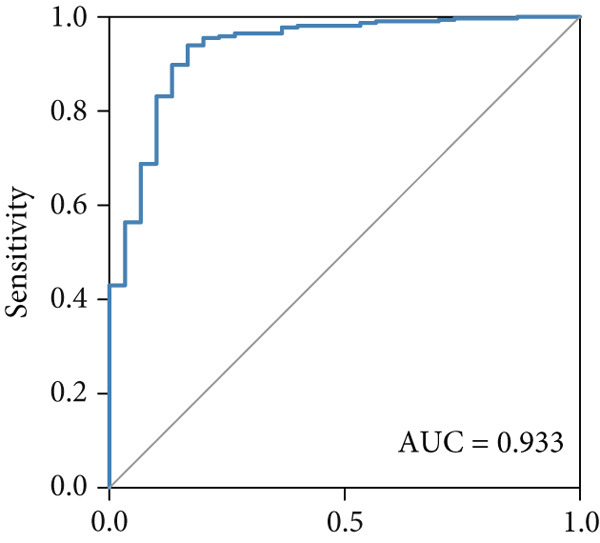 Figure 27
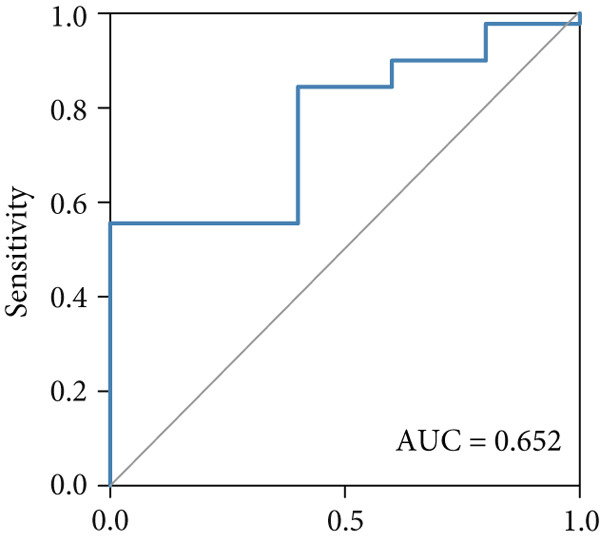 Figure 28
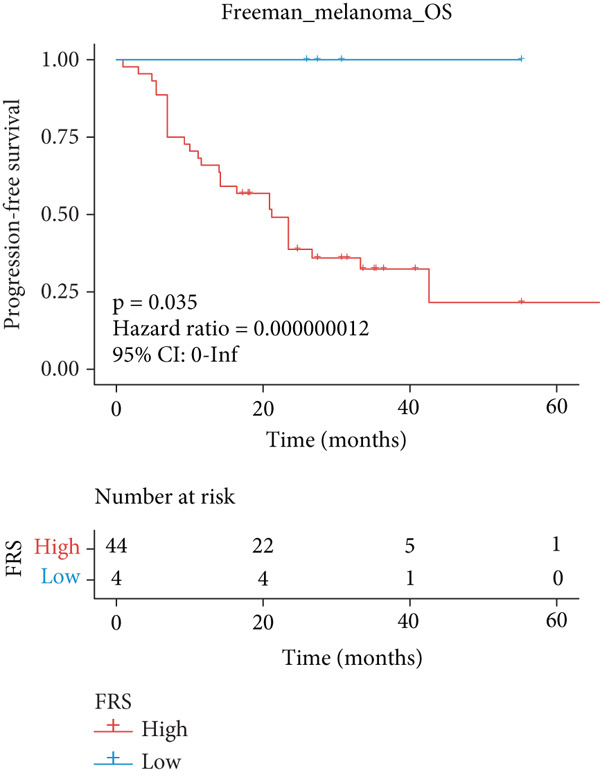 Figure 29
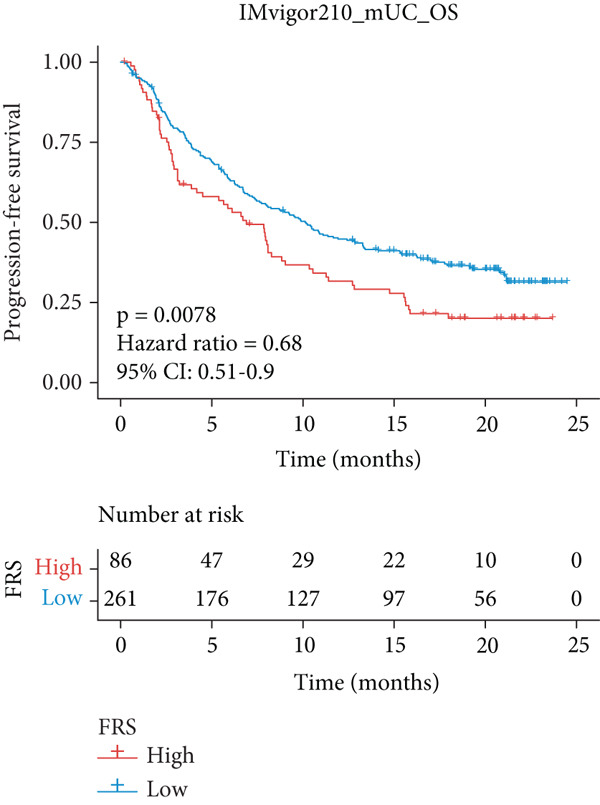 Figure 30
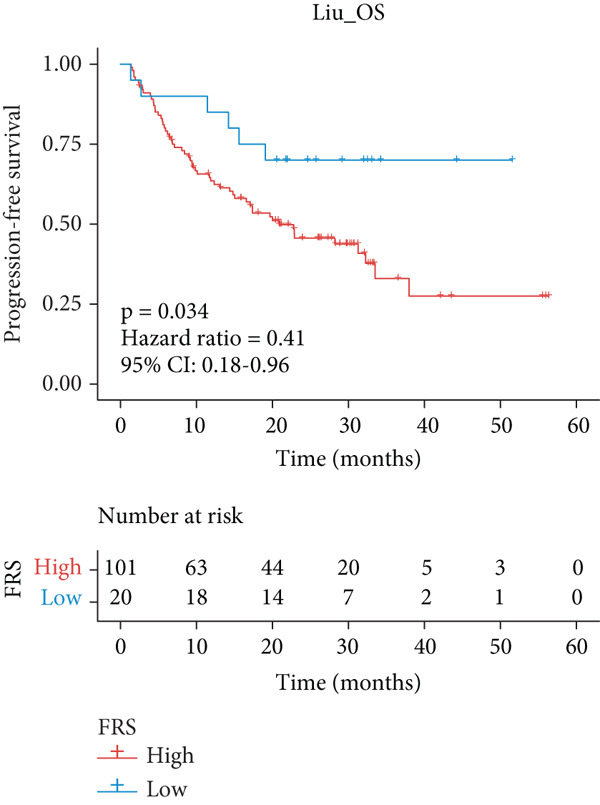 Figure 31
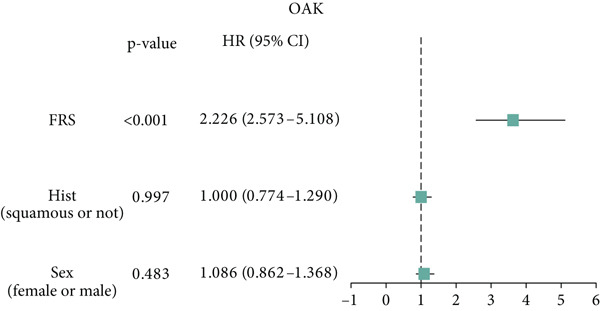 Figure 32
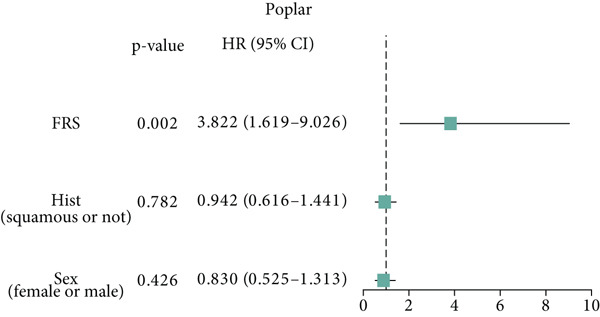 Figure 33
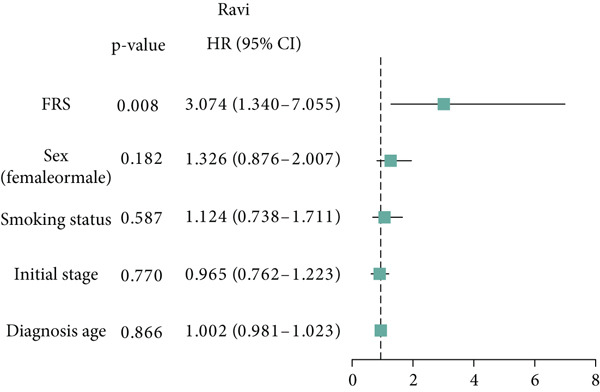 Figure 34
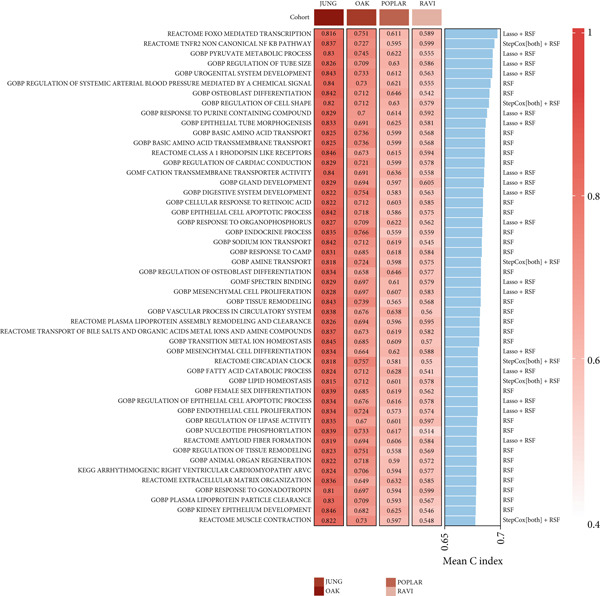 Figure 35
Peer Reviews
No public reviews on file for this paper yet. If you reviewed it on a platform where reviews are public (OpenReview, ICLR, NeurIPS, ICML), you can paste yours below so the community can read it here.
Videos
No videos yet. Explain this paper in a talk, walkthrough, or lecture? Add one.
Taxonomy
TopicsCancer Immunotherapy and Biomarkers · Ferroptosis and cancer prognosis · Lung Cancer Treatments and Mutations