Albiflorin‐Mediated MAP2K1 Targeting and HIF‐1 Signaling Inhibition Contribute to the Therapeutic Efficacy in Hyperuricemia‐Associated Cognitive Impairment
Huimin Xiao, Xinwen Huang, Rui Yao, Jincai Liu, Linrui Duan, Siwang Wang, Jinming Gao

TL;DR
This study shows that albiflorin, a compound from Paeonia suffruticosa, helps treat cognitive issues linked to high uric acid by targeting specific brain pathways.
Contribution
The study identifies albiflorin's role in targeting MAP2K1 and inhibiting HIF-1 signaling to treat hyperuricemia-associated cognitive impairment.
Findings
Albiflorin improves cognitive function and reduces hippocampal damage in HUA-CI mice.
Albiflorin inhibits HIF-1 signaling, reducing inflammation and neuronal apoptosis.
Network pharmacology confirms strong binding between albiflorin and MAP2K1.
Abstract
This study investigated the therapeutic effects and mechanisms of Paeonia suffruticosa fruit pod extract (EMP) and its main component albiflorin (AF) on hyperuricemia‐associated cognitive impairment (HUA‐CI). A HUA‐CI mouse model was established, with cognitive function evaluated via Morris water maze. Hippocampal pathology, inflammation, oxidative stress, and apoptosis were assessed using HE staining, ELISA, TUNEL, and Western blotting. Network pharmacology predicted EMP’s targets, and molecular docking analyzed AF‐MAP2K1 binding. In vitro experiments used UA‐stimulated BV2 and HT22 cells to explore AF’s effect on HIF‐1 signaling. EMP significantly improved cognitive function and reduced pathological damage in the hippocampus of HUA‐CI mice. It exerted protective effects by inhibiting inflammatory responses, alleviating oxidative stress, and preventing cell apoptosis. Network…
Genes, proteins, chemicals, diseases, species, mutations and cell lines named across the full text — each resolved to its canonical identifier and authoritative record.
Click any figure to enlarge with its caption.
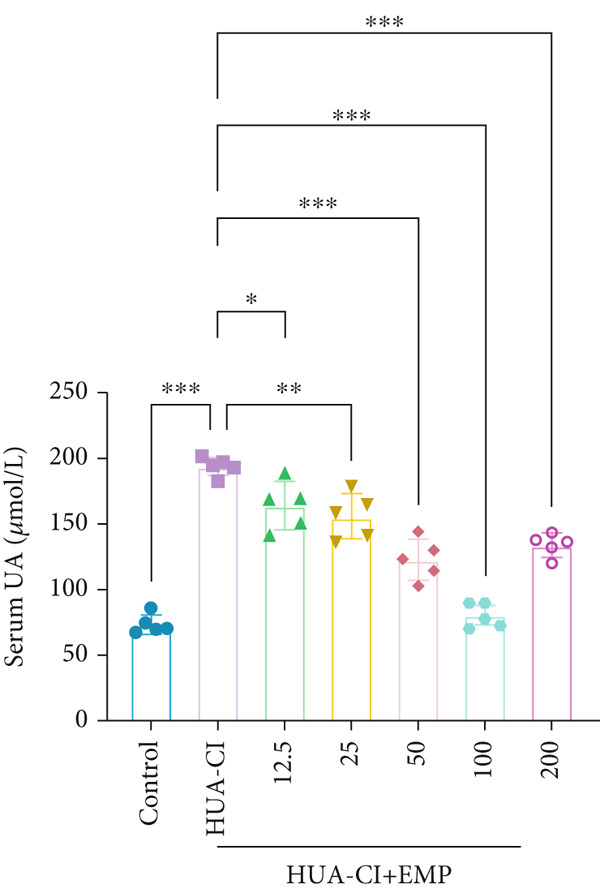 Figure 1
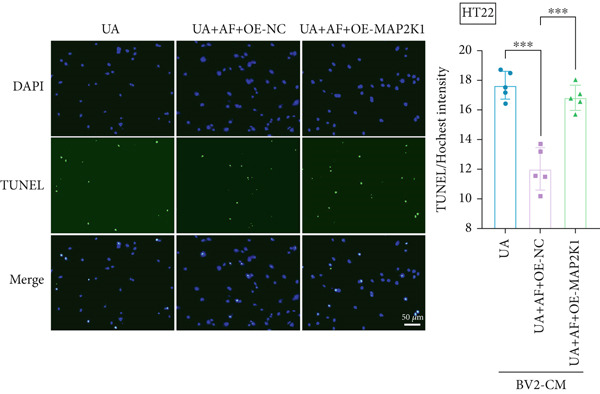 Figure 2
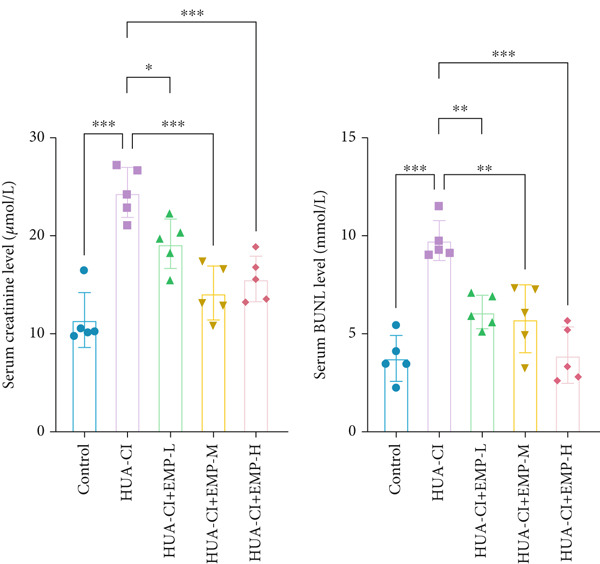 Figure 3
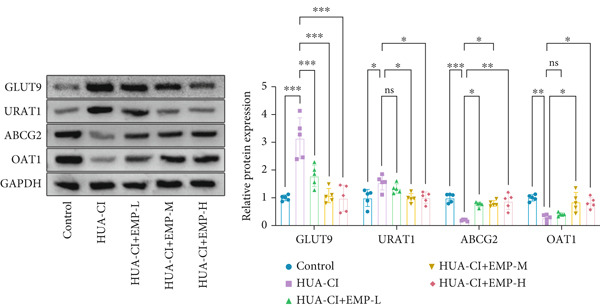 Figure 4
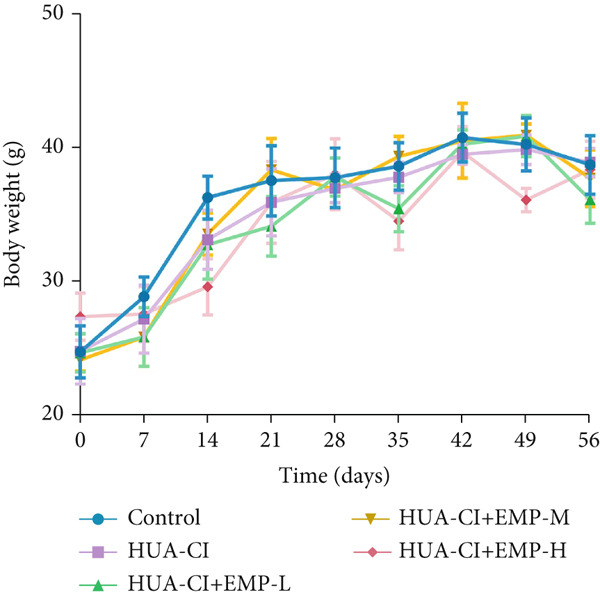 Figure 5
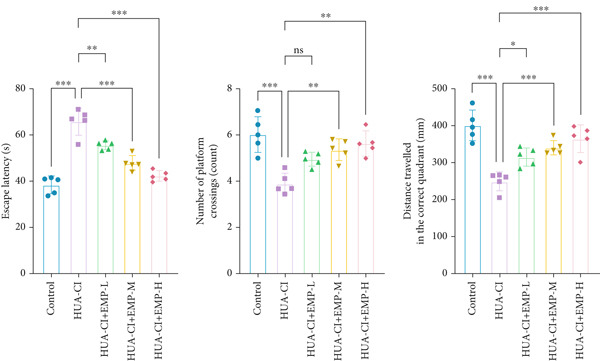 Figure 6
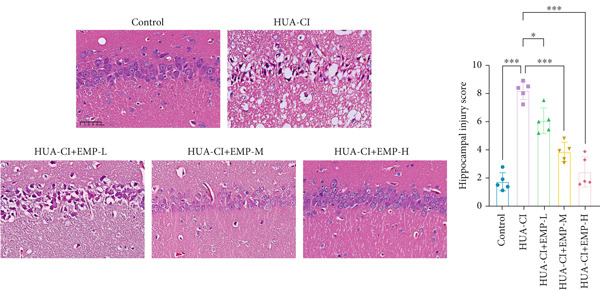 Figure 7
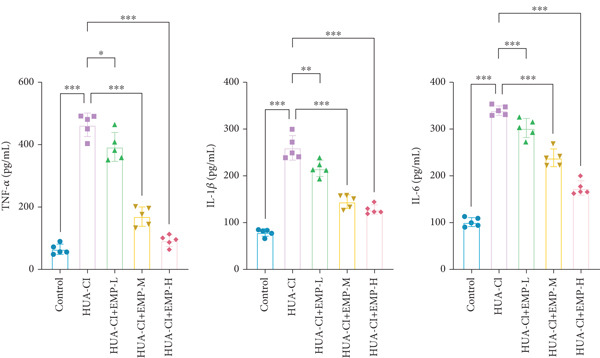 Figure 8
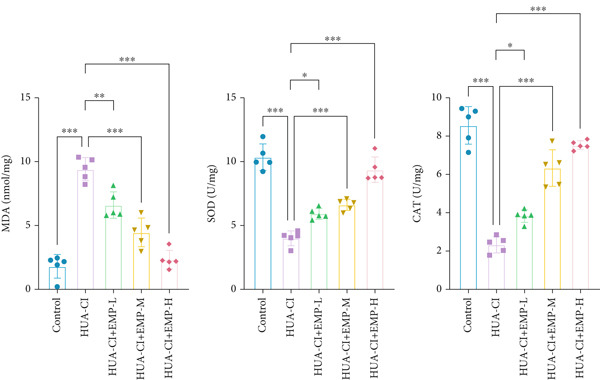 Figure 9
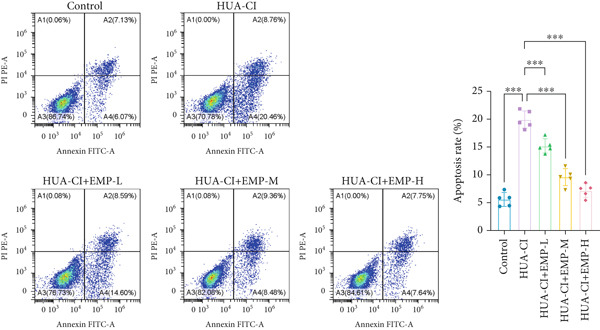 Figure 10
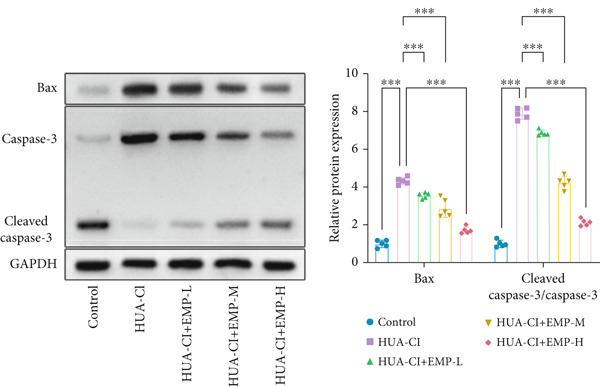 Figure 11
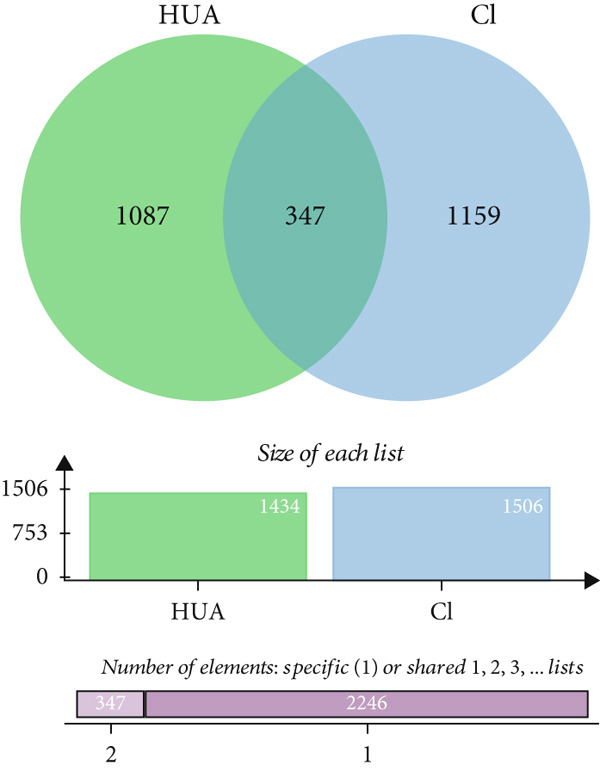 Figure 12
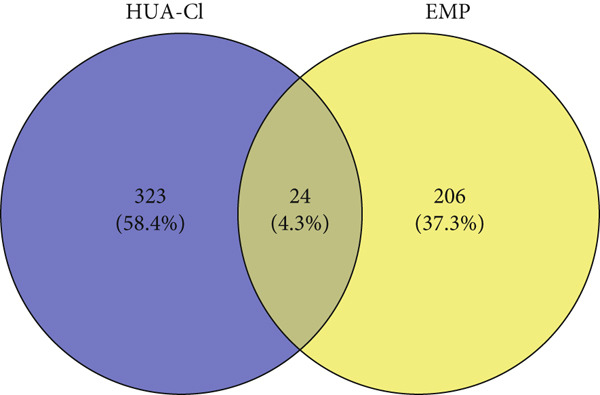 Figure 13
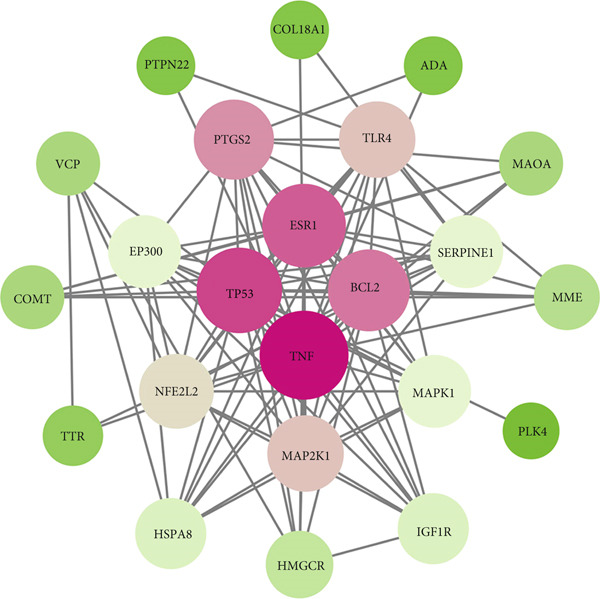 Figure 14
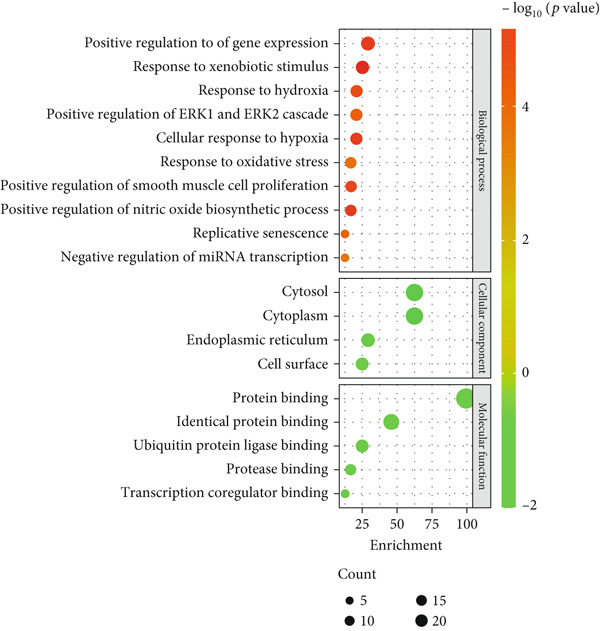 Figure 15
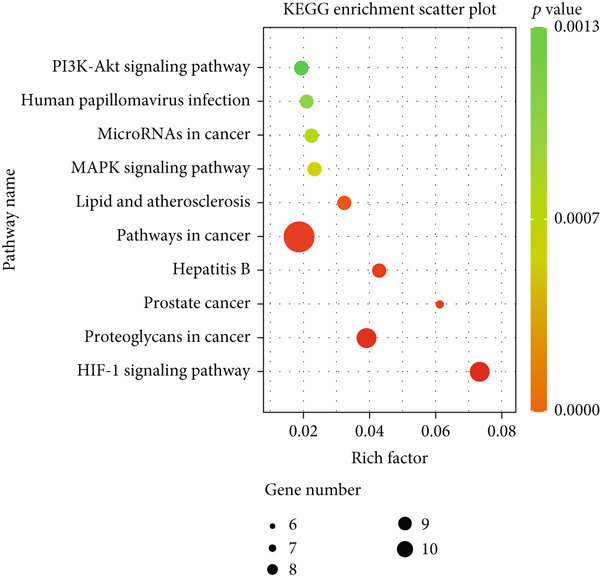 Figure 16
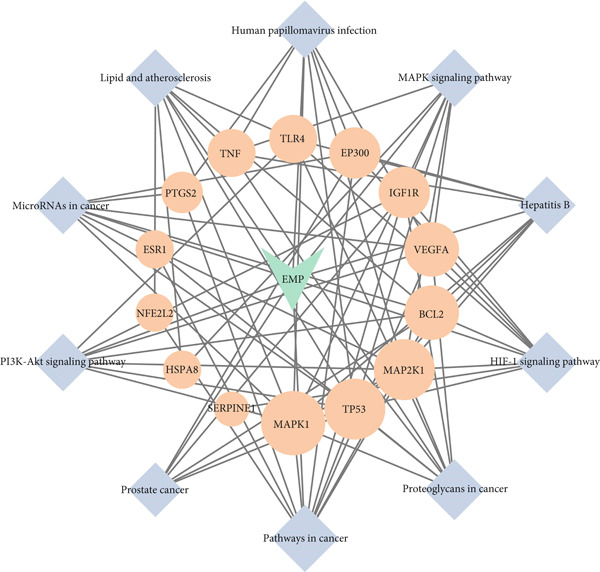 Figure 17
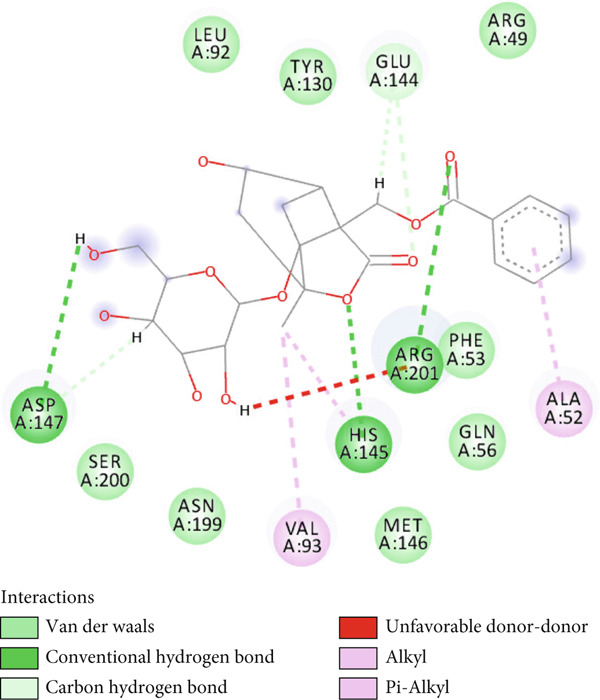 Figure 18
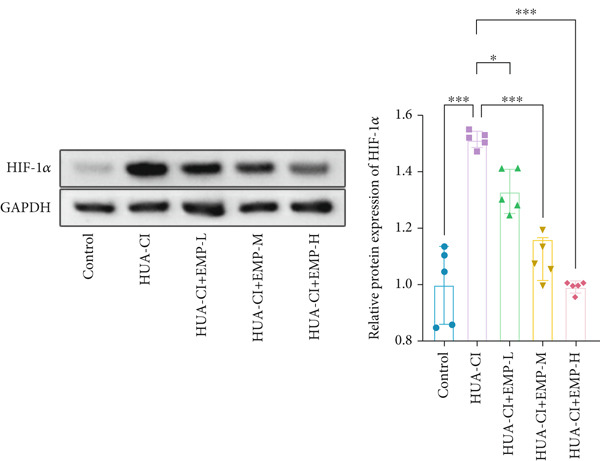 Figure 19
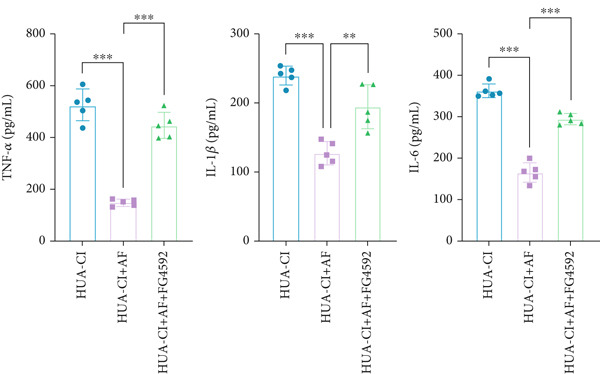 Figure 20
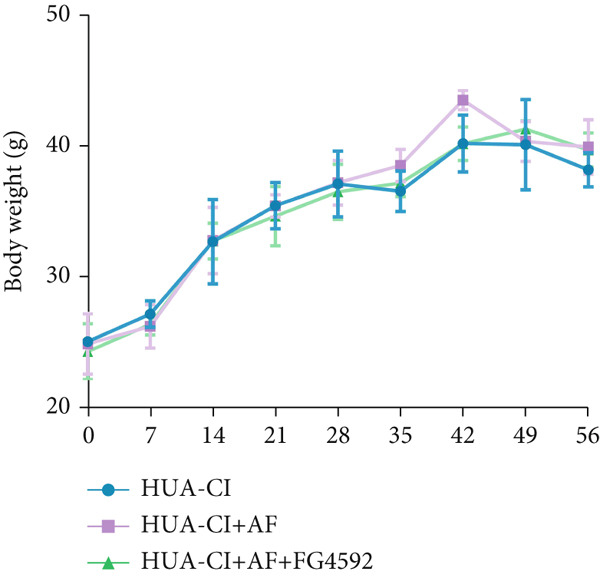 Figure 21
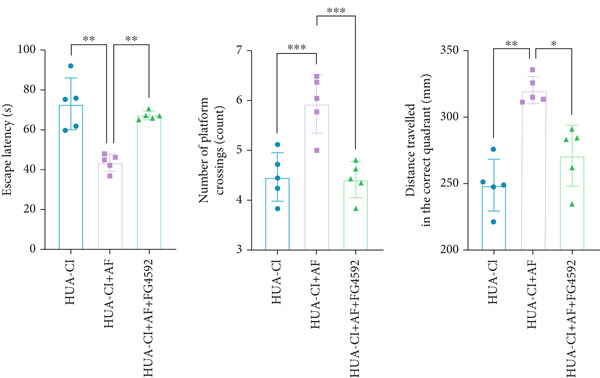 Figure 22
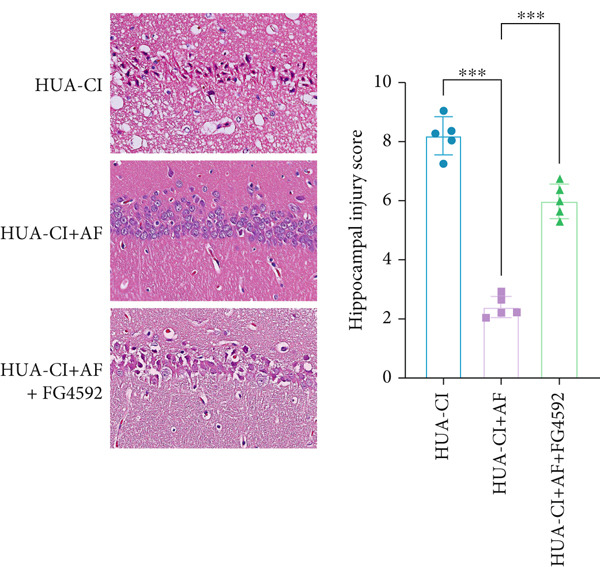 Figure 23
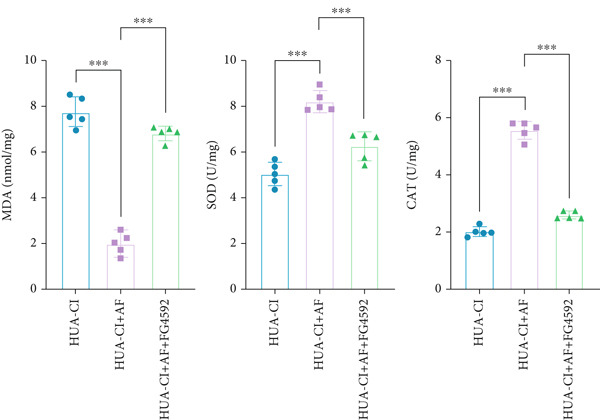 Figure 24
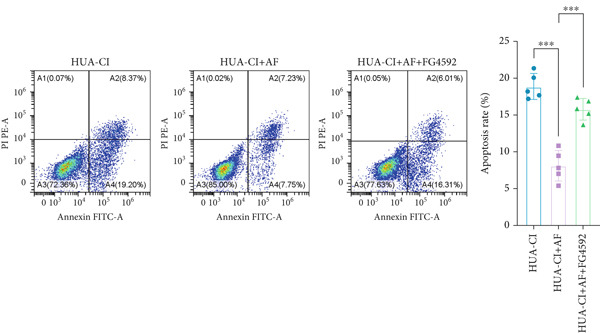 Figure 25
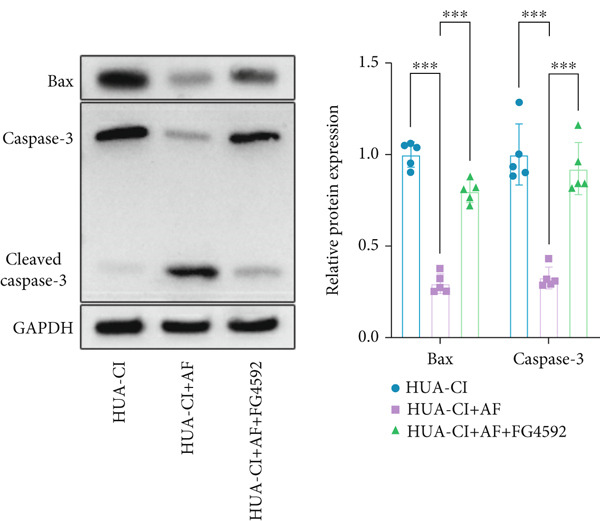 Figure 26
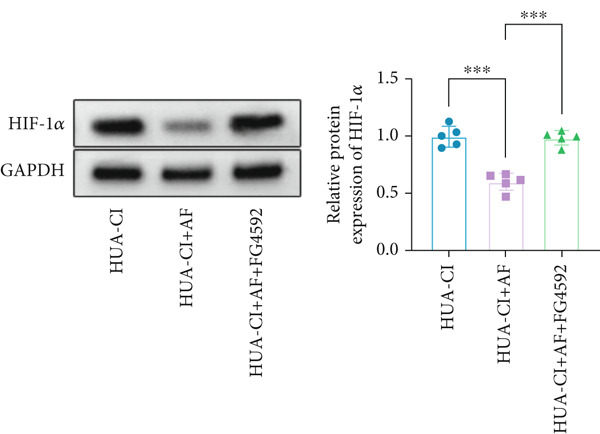 Figure 27
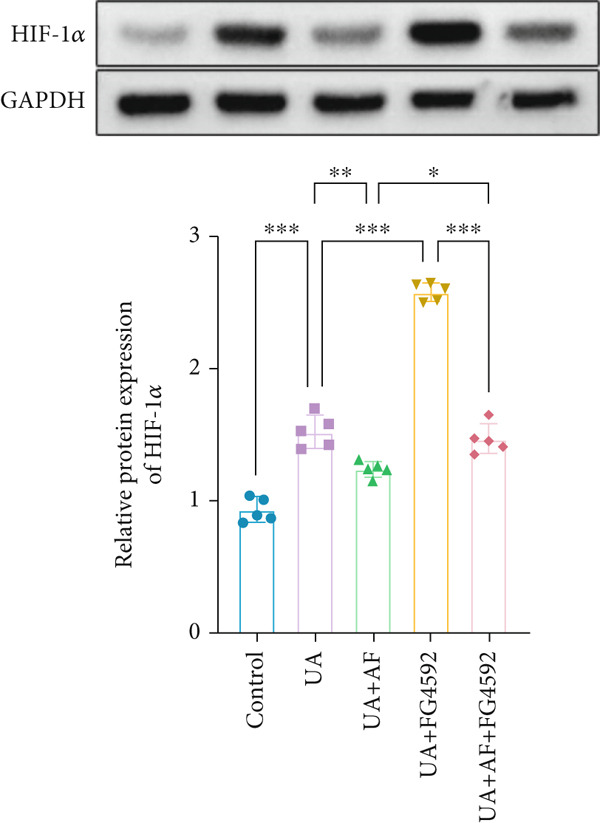 Figure 28
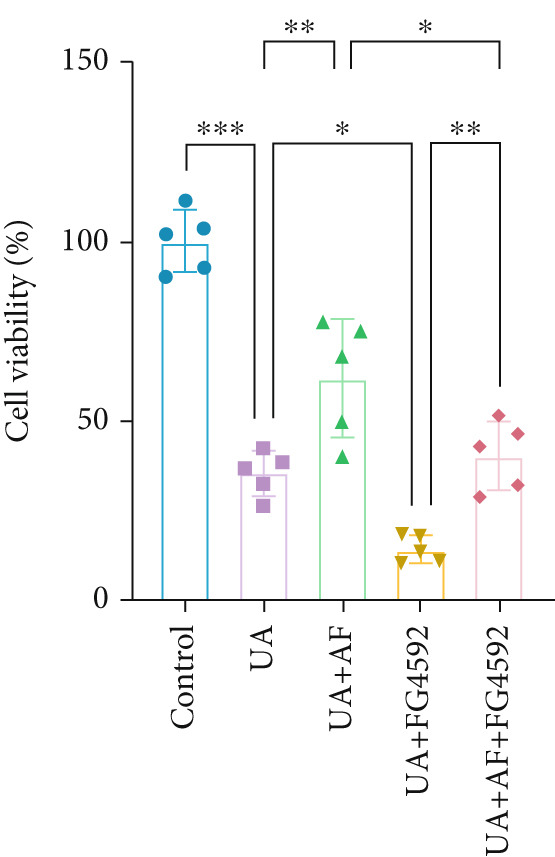 Figure 29
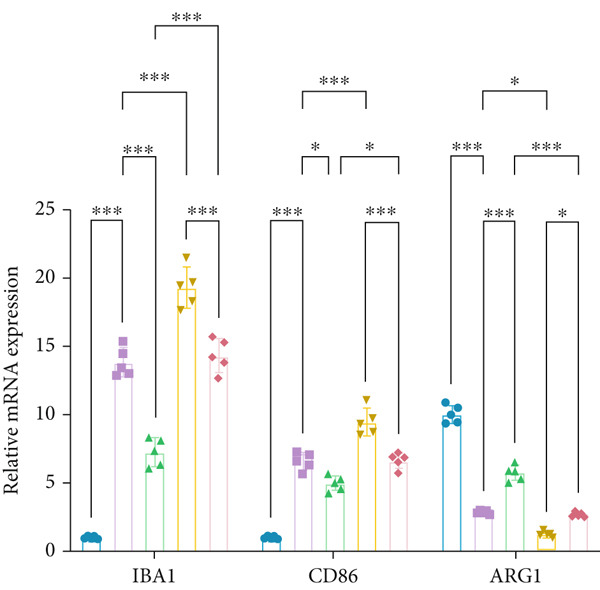 Figure 30
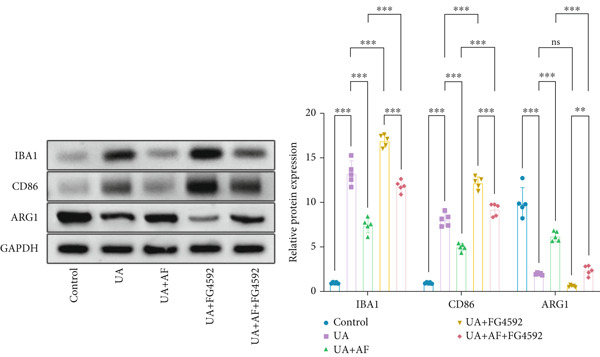 Figure 31
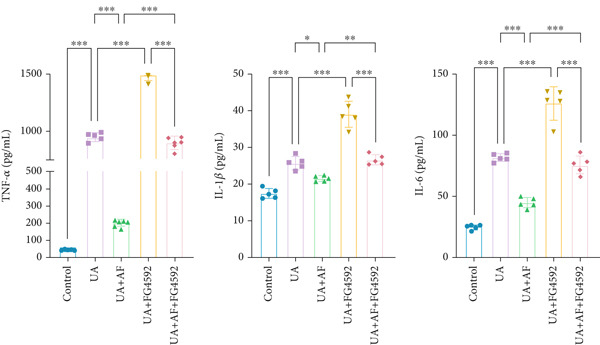 Figure 32
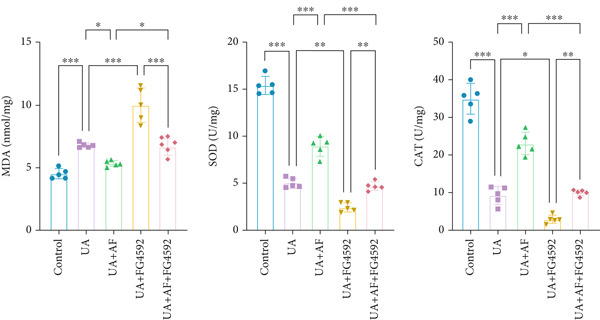 Figure 33
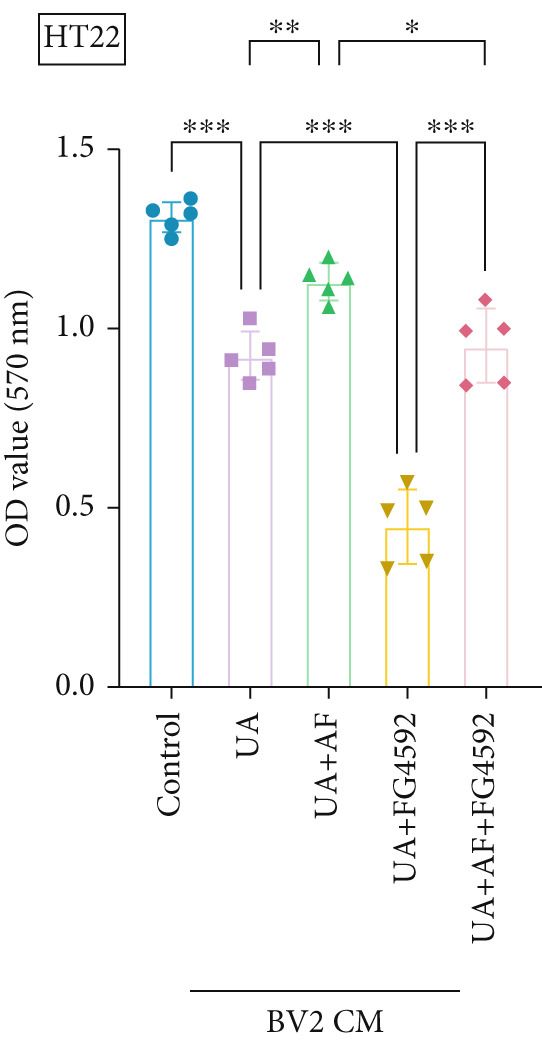 Figure 34
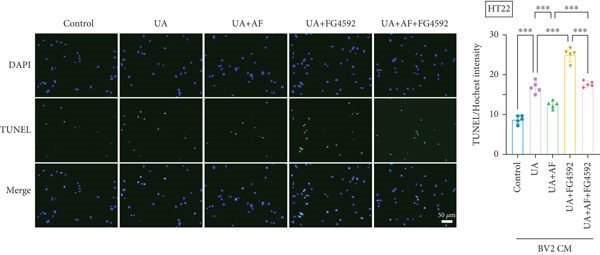 Figure 35
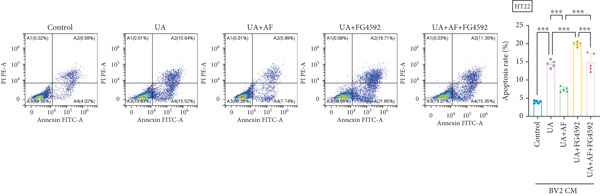 Figure 36
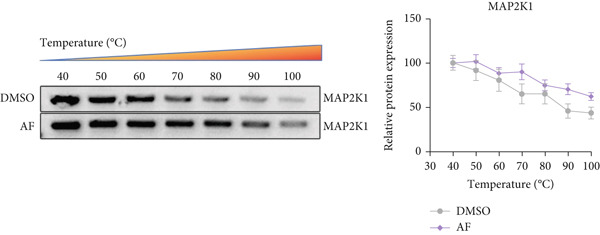 Figure 37
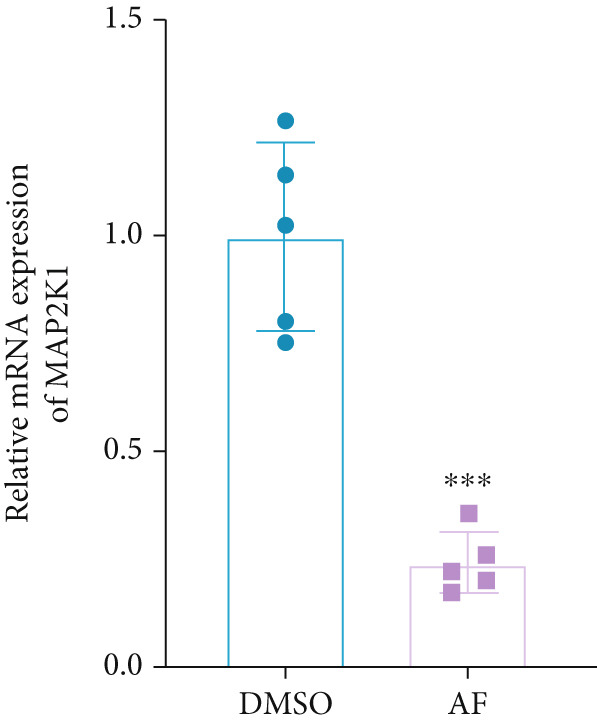 Figure 38
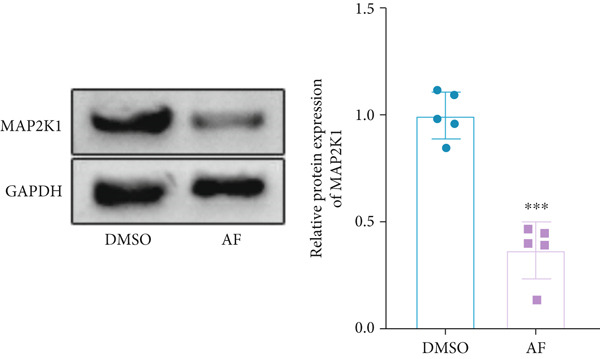 Figure 39
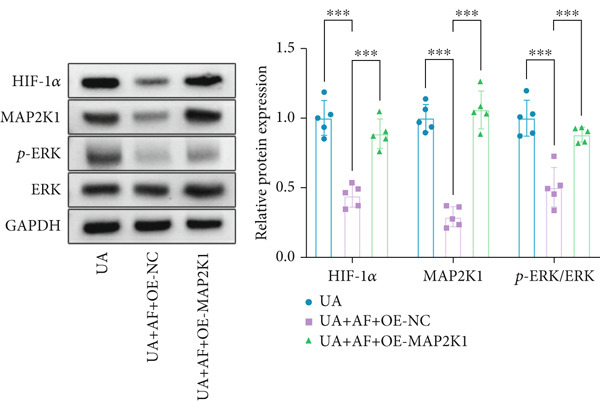 Figure 40
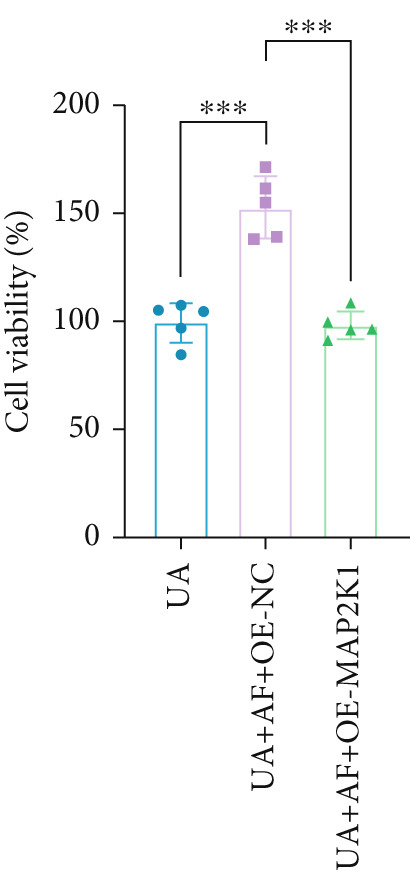 Figure 41
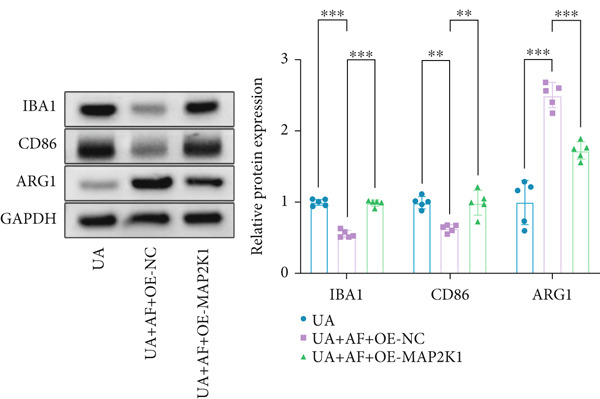 Figure 42
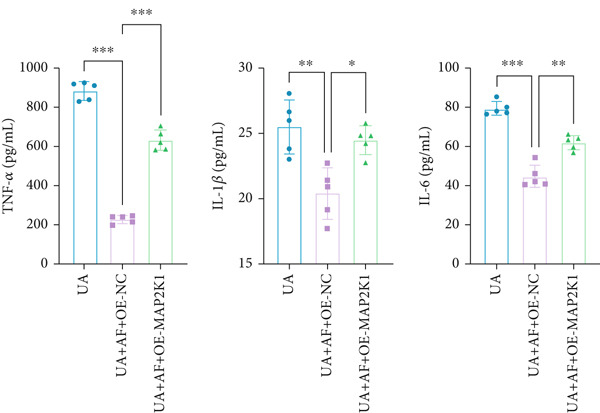 Figure 43
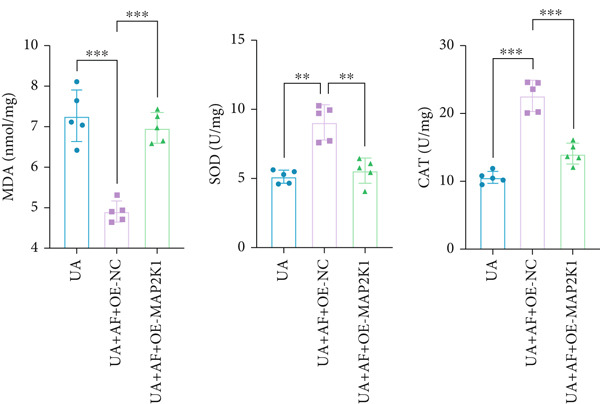 Figure 44
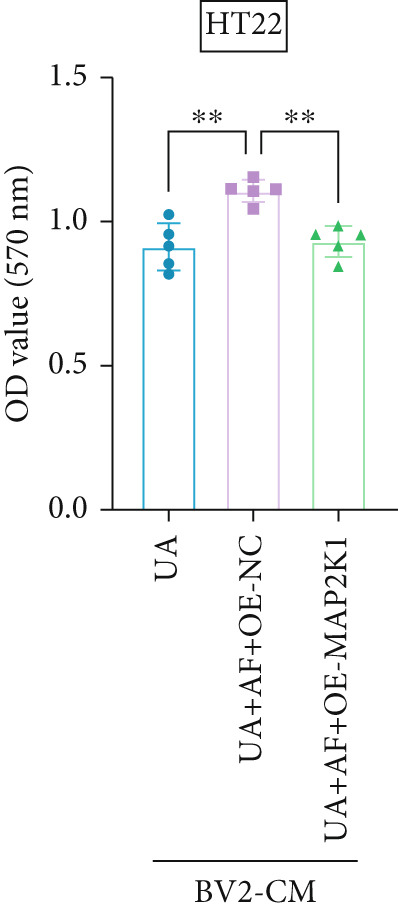 Figure 45
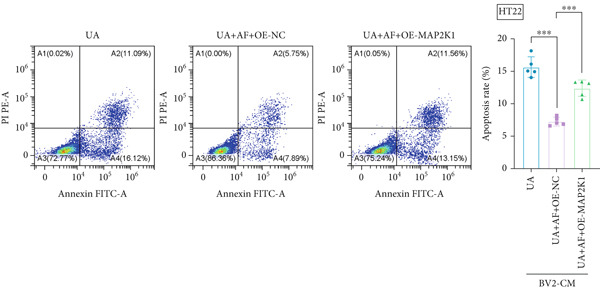 Figure 46
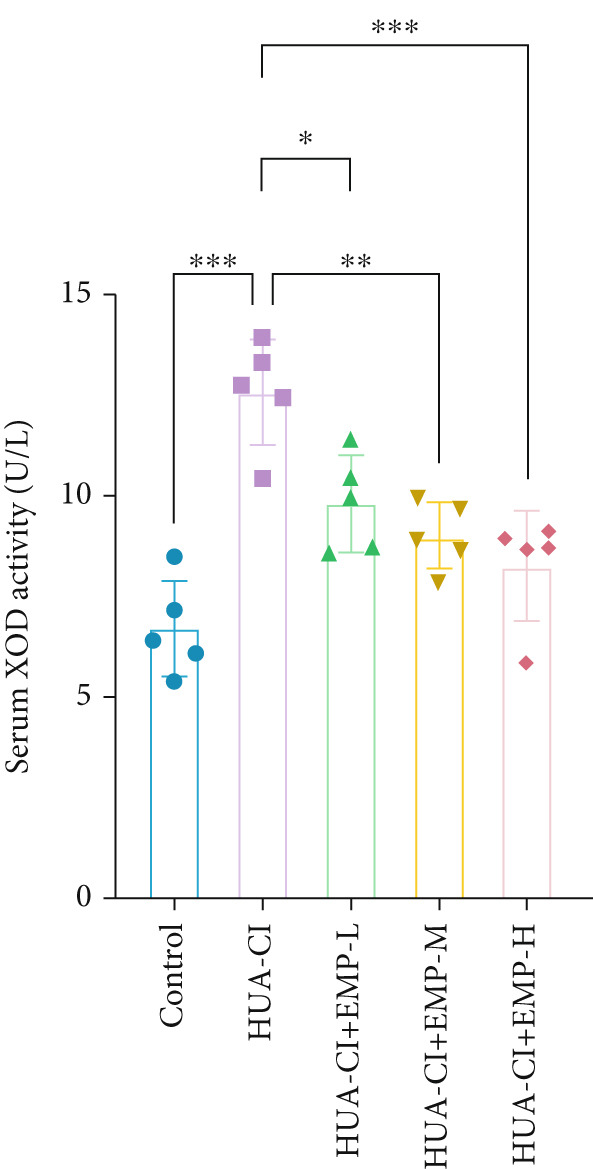 Figure 47
Peer Reviews
No public reviews on file for this paper yet. If you reviewed it on a platform where reviews are public (OpenReview, ICLR, NeurIPS, ICML), you can paste yours below so the community can read it here.
Videos
No videos yet. Explain this paper in a talk, walkthrough, or lecture? Add one.
Taxonomy
TopicsGout, Hyperuricemia, Uric Acid · Traditional Chinese Medicine Analysis · Magnolia and Illicium research