Identification of prognostic biomarkers and development of a prediction model for prostate cancer
Dake Chen, Wu Chen, Ruxian Ye, Linjin Li, Feilong Miao, Xianghui Kong, Weiqiang Ning, Jingyi Jia, Qiuli Chen, Peter Wang, Bowei Yin

TL;DR
This study identifies nine genes and a three-gene model to predict prostate cancer outcomes and suggests PLXNA4 as a potential therapeutic target.
Contribution
A novel three-gene prognostic model and functional insights into PLXNA4 in prostate cancer.
Findings
Nine genes, including MMP9, were identified as potential targets for prostate cancer.
A three-gene signature (RASL10B, RBPMS2, ANGPTL3) stratifies patients into risk groups.
PLXNA4 depletion reduces cancer cell viability, proliferation, and invasion.
Abstract
Prostate cancer (PCa) is biologically heterogeneous, and its molecular underpinnings remain incompletely define. In this study, we sought to identify genes shared between PCa cells and stem-like subpopulations and to develop a prognostic model. RNA sequencing was performed on PC3 cells and side population stem-like cells (SPC). Primary prostate tumor data were obtained from GSE172301, and The Cancer Genome Atlas (TCGA) provided transcriptomes with clinical annotations. Differential expression, immune microenvironment and infiltration analyses were conducted. Single-cell spatiotemporal transcriptomics data were analyzed using Seurat and spatialLibs. To delineate the role of PLXNA4 in PCa cells, we performed CCK-8 viability assays, EdU incorporation assays, Annexin V–FITC/PI flow cytometry for apoptosis, and Matrigel-coated Transwell invasion assays. We identified 562 upregulated and…
Genes, proteins, chemicals, diseases, species, mutations and cell lines named across the full text — each resolved to its canonical identifier and authoritative record.
Click any figure to enlarge with its caption.
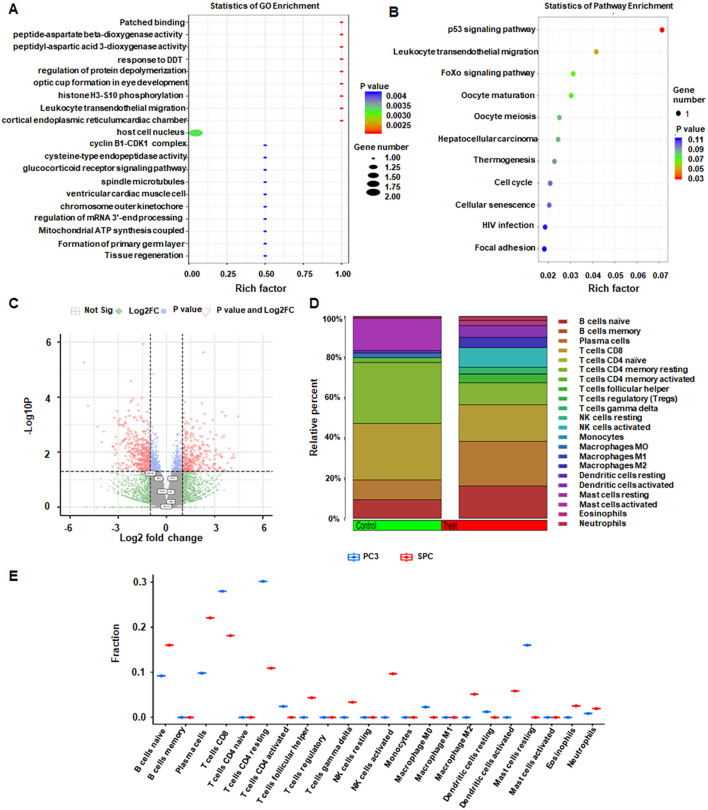 Figure 1
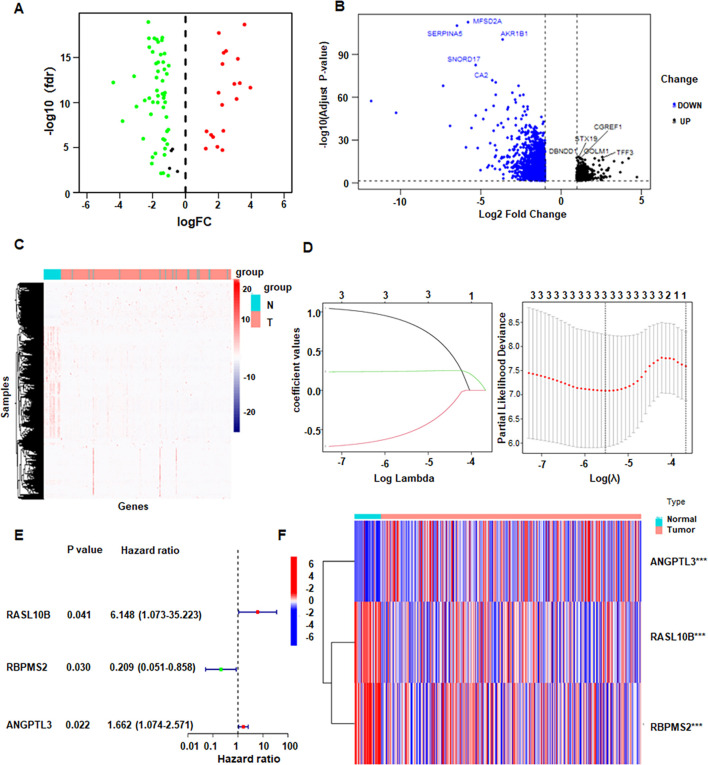 Figure 2
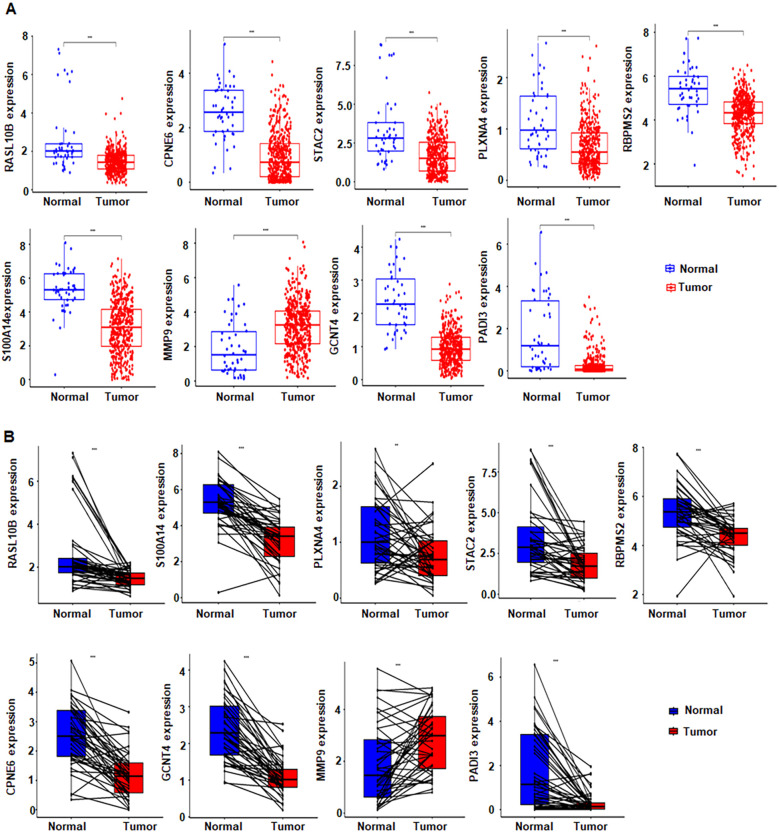 Figure 3
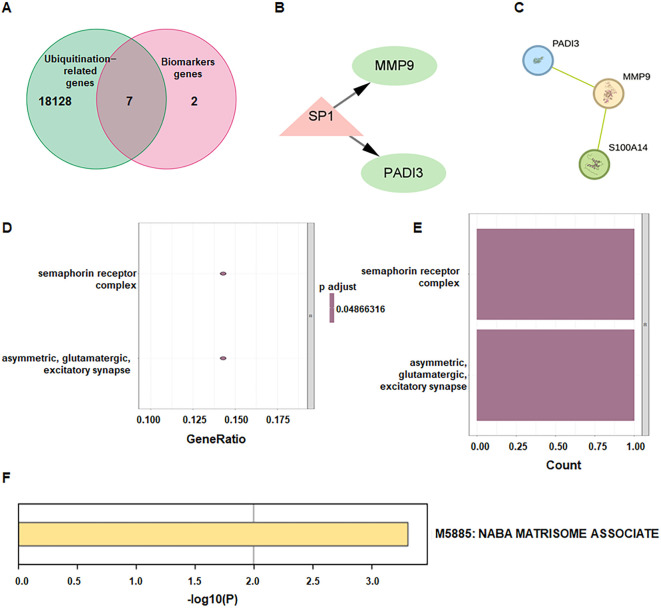 Figure 4
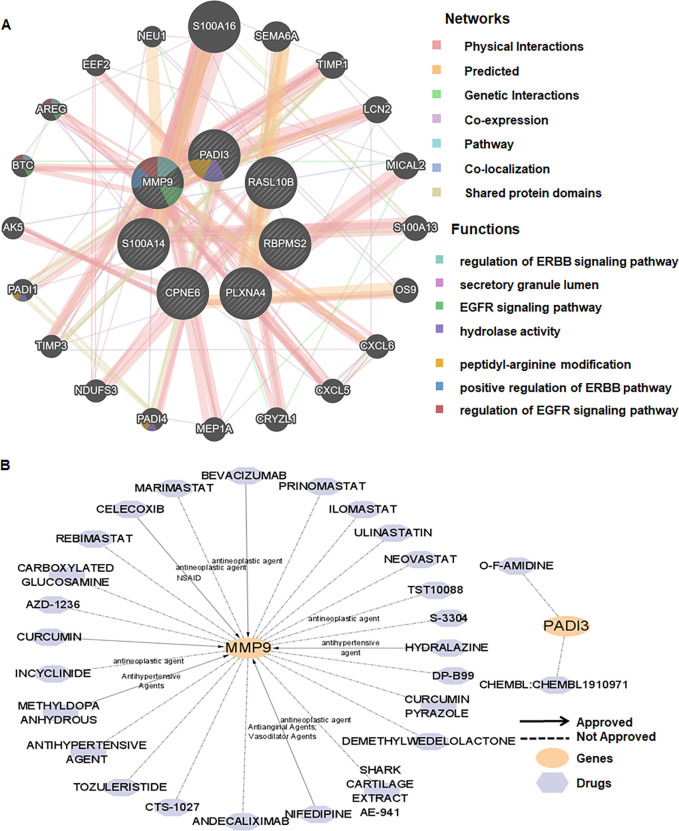 Figure 5
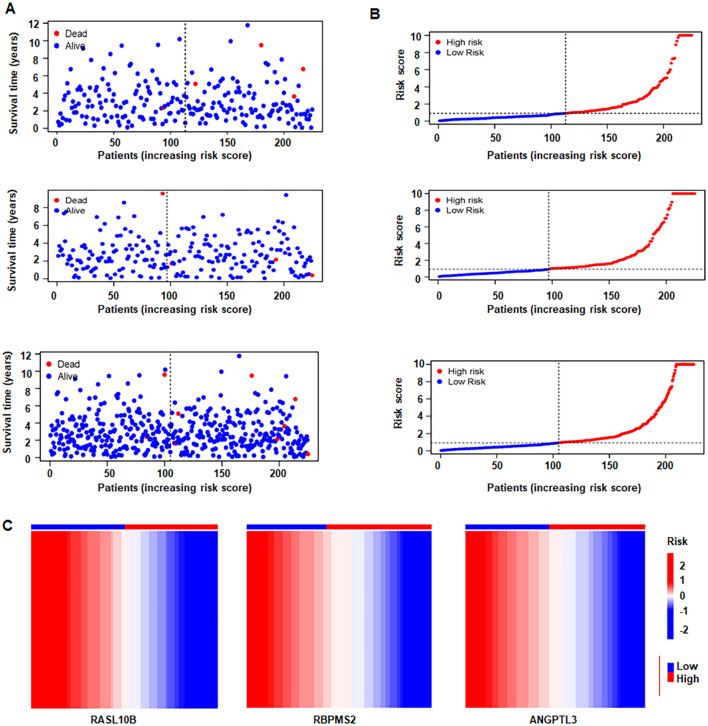 Figure 6
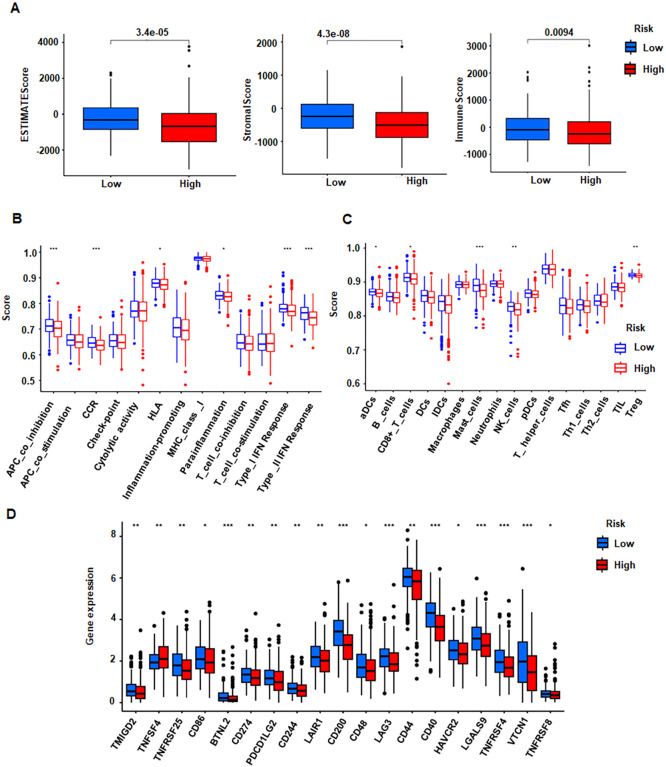 Figure 7
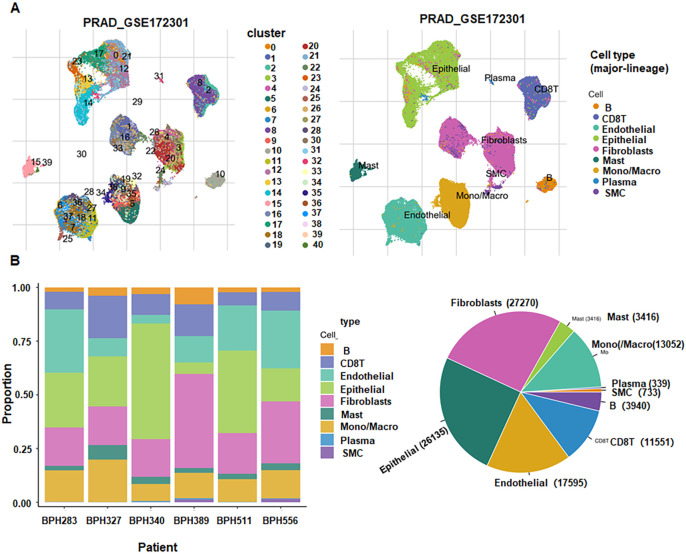 Figure 8
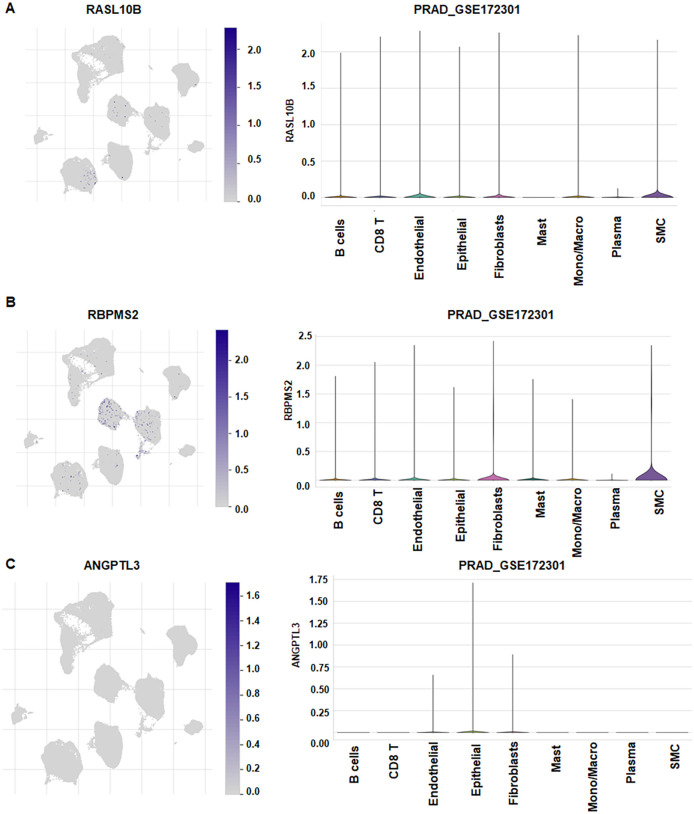 Figure 9
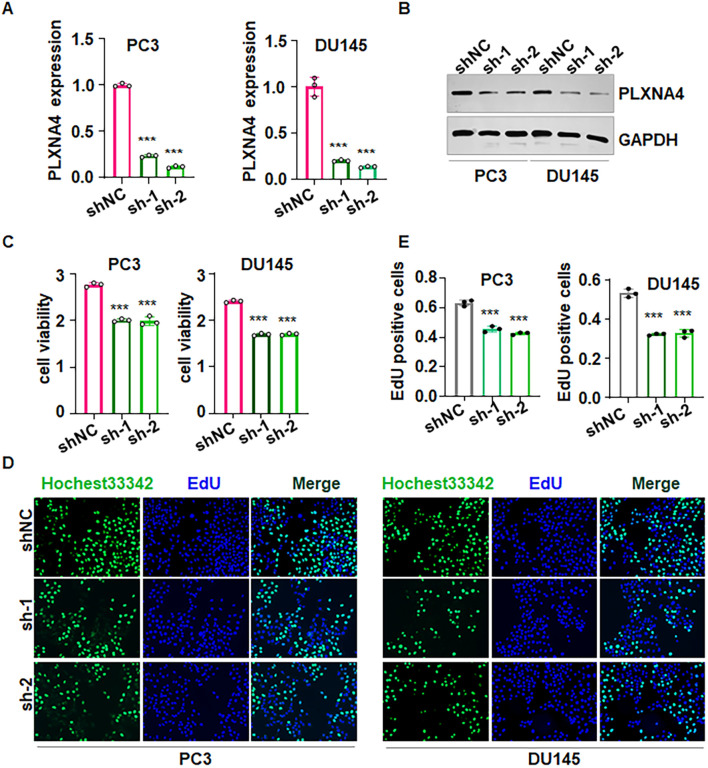 Figure 10
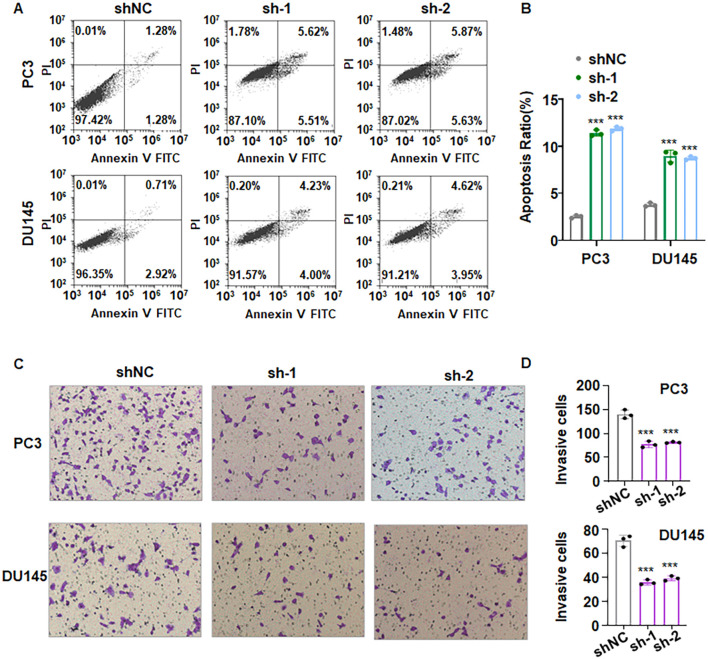 Figure 11
Peer Reviews
No public reviews on file for this paper yet. If you reviewed it on a platform where reviews are public (OpenReview, ICLR, NeurIPS, ICML), you can paste yours below so the community can read it here.
Videos
No videos yet. Explain this paper in a talk, walkthrough, or lecture? Add one.
Taxonomy
TopicsFerroptosis and cancer prognosis · Clusterin in disease pathology · GDF15 and Related Biomarkers