Tregs Promote Astrocyte‐Neuron Lactate Shuttle via Inhibiting STING Pathway to Improve Neurological Recovery After Ischemic Stroke
Yao Meng, Xiaoyan Li, Yonghong Bi, Pengyu Duan, Zhehao Jin, Lan Luo, Weiyu Feng, Hangbing Li, Xiangcheng Zhao, Kun Zuo, Jiali Chen, Longfei Li, Yuling Xing, Miao Yu, Muyan Cui, Yang Yu, Bing Zhang

TL;DR
Regulatory T cells (Tregs) help improve recovery after stroke by boosting energy transfer to brain cells through a process called ANLS, which is achieved by inhibiting the STING pathway.
Contribution
This study reveals a new mechanism where Tregs enhance neurological recovery after stroke by promoting the astrocyte-neuron lactate shuttle via STING pathway inhibition.
Findings
Tregs reduce neuronal injury and improve cognitive and motor functions after stroke.
Tregs enhance lactate transfer to neurons via MCTs, supporting neuronal remodeling.
Tregs suppress the STING pathway, and STING activation counteracts their beneficial effects.
Abstract
Excessive immune response following ischemic stroke is closely associated with poor clinical prognosis. Although regulatory T cell (Treg) is recognized as pivotal immunomodulator, its potential mechanisms in post‐stroke neurological recovery and immunotherapy remain unclear. Neurological recovery and neuronal remodeling were investigated by behavior tests, HE staining, Nissl staining, and LFB staining. Monocarboxylate transporter (MCT) was detected to evaluate the role of astrocyte‐neuron lactate shuttle (ANLS) in Tregs‐mediated neuroprotection by immunofluorescence and western blot, lactate assay, ATP assay, and cell viability assay experiments. The expression of stimulator of interferon gene (STING) and phosphorylation of downstream factors were examined by western blot. Tregs significantly attenuated neuronal injury, upregulated the expression of synaptic plasticity‐related…
Genes, proteins, chemicals, diseases, species, mutations and cell lines named across the full text — each resolved to its canonical identifier and authoritative record.
Click any figure to enlarge with its caption.
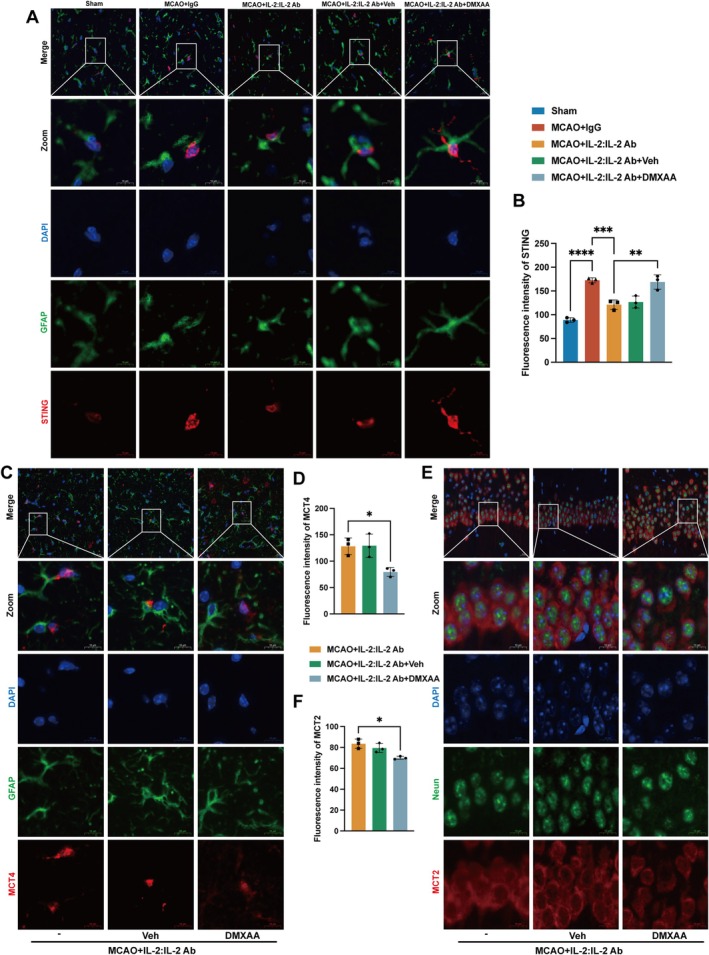 Figure 1
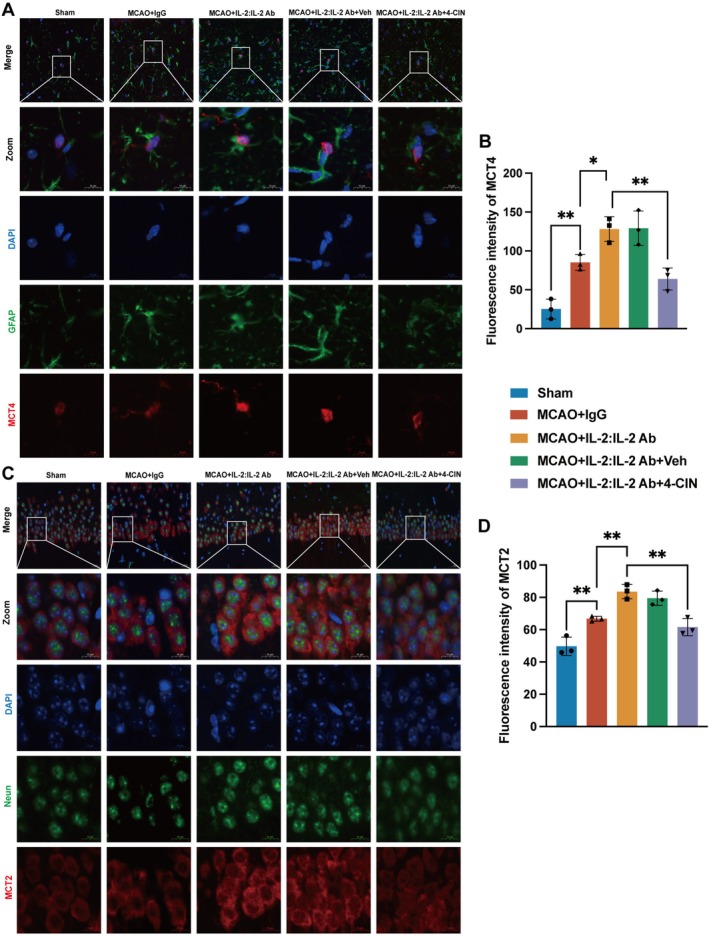 Figure 2
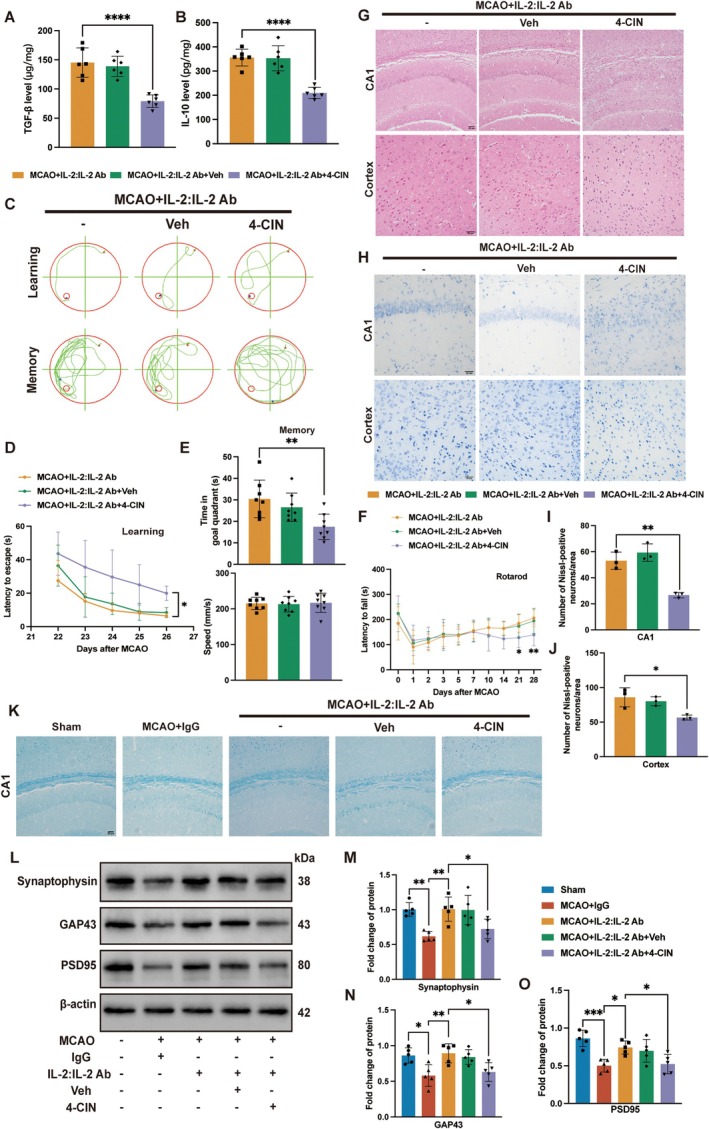 Figure 3
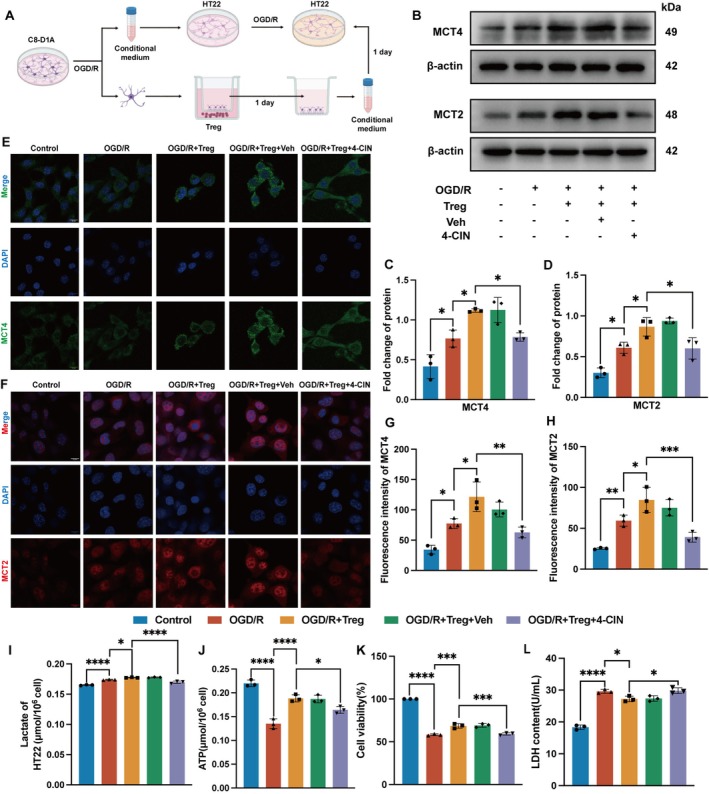 Figure 4
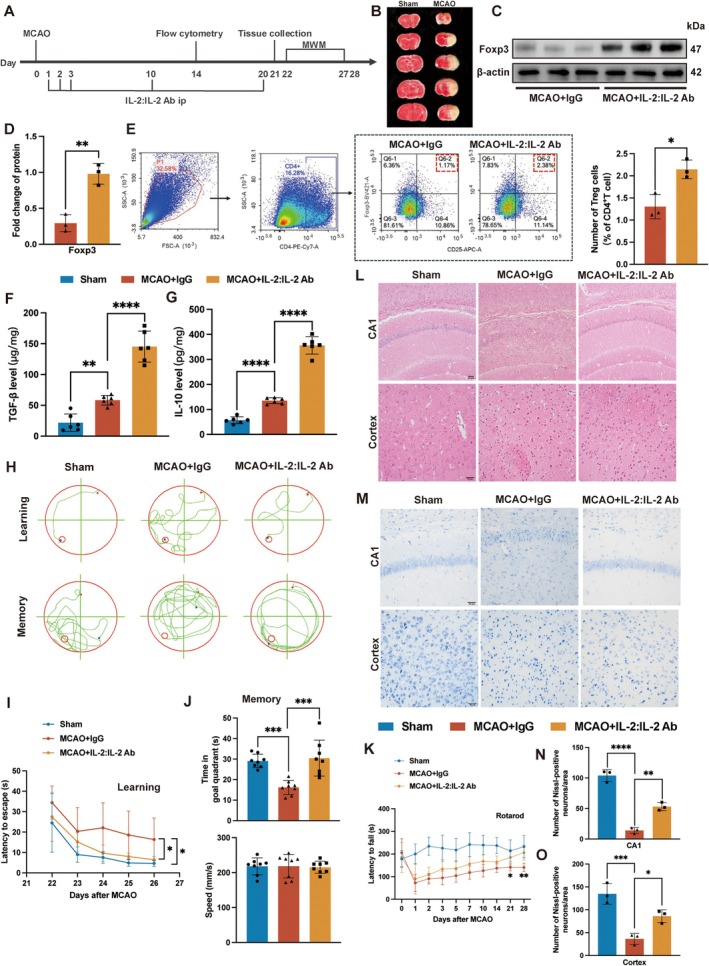 Figure 5
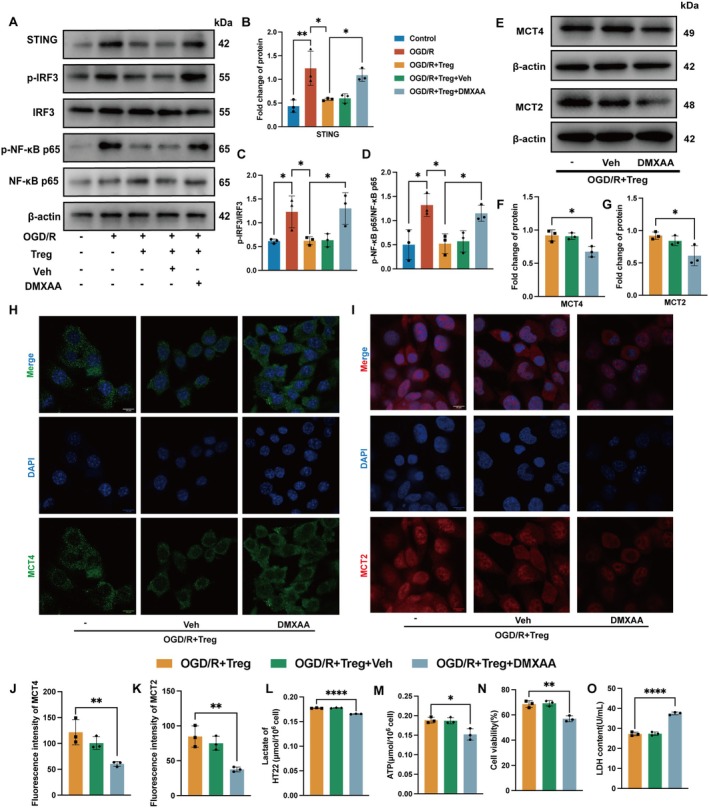 Figure 6
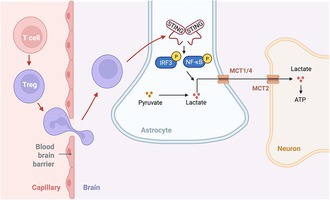 Figure 7
Peer Reviews
No public reviews on file for this paper yet. If you reviewed it on a platform where reviews are public (OpenReview, ICLR, NeurIPS, ICML), you can paste yours below so the community can read it here.
Videos
No videos yet. Explain this paper in a talk, walkthrough, or lecture? Add one.
Taxonomy
TopicsNeuroinflammation and Neurodegeneration Mechanisms · interferon and immune responses · Immune responses and vaccinations