Velamentous Cord Insertion With Vaginal Delivery: A Case Report and Review of the Literature
George Mpourazanis, Stefanos Flindris, Konstadinos Pantazis, Dimitrios Alefragkis, Petros Papalexis, Ioannis Korkontzelos, Ioannis Kosmas, Apostolos Ntanasis, Pietro Serra, Antonio Simone Laganà, Rüdiger Schulz-Wendtland, Panagiotis Tsirkas

TL;DR
A case study shows that vaginal delivery can be safe for pregnancies with a rare umbilical cord abnormality when closely monitored.
Contribution
This case report adds to the evidence that vaginal delivery is a feasible option for velamentous cord insertion with proper monitoring.
Findings
A 28-year-old woman successfully delivered vaginally with vacuum assistance despite velamentous cord insertion.
Postnatal examination confirmed the cord's velamentous attachment with no complications for mother or newborn.
The case supports the possibility of vaginal delivery when accompanied by prenatal evaluation and continuous monitoring.
Abstract
Velamentous cord insertion (VCI) is a rare placental abnormality in which the umbilical cord enters the chorionic membranes instead of the placenta, leaving the umbilical vessels unprotected. This pathological condition carries an increased risk of adverse perinatal outcomes, such as fetal growth restriction, preterm delivery, abnormal fetal heart rate patterns during labor, and perinatal morbidity, which often lead healthcare professionals to choose cesarean section to reduce postnatal risks. Early prenatal diagnosis using color Doppler imaging and comprehensive ultrasound is of utmost importance for proper risk assessment and birth planning. This case study presents a 28-year-old woman in whom screening for abnormalities during the second trimester of pregnancy detected a prenatally detected velamentous umbilical cord insertion. The pregnancy was closely monitored, and the patient…
Genes, proteins, chemicals, diseases, species, mutations and cell lines named across the full text — each resolved to its canonical identifier and authoritative record.
Click any figure to enlarge with its caption.
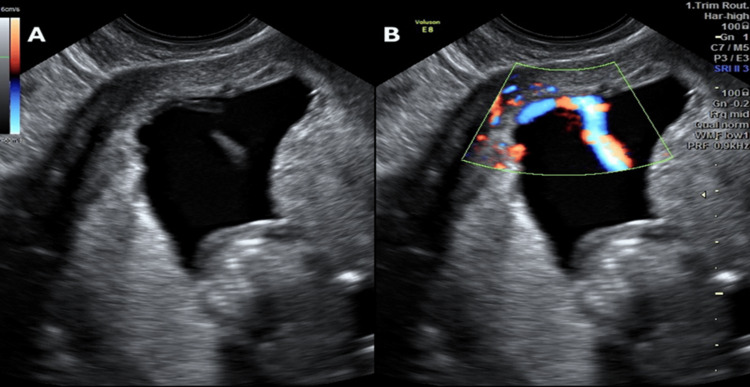 Figure 1
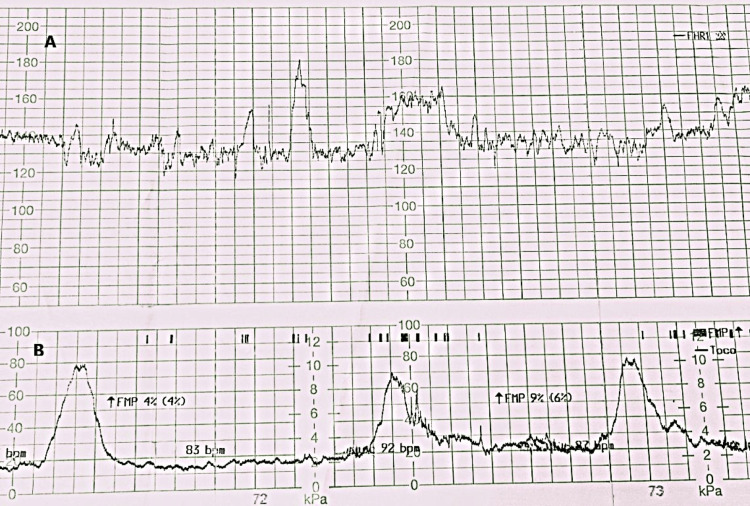 Figure 2
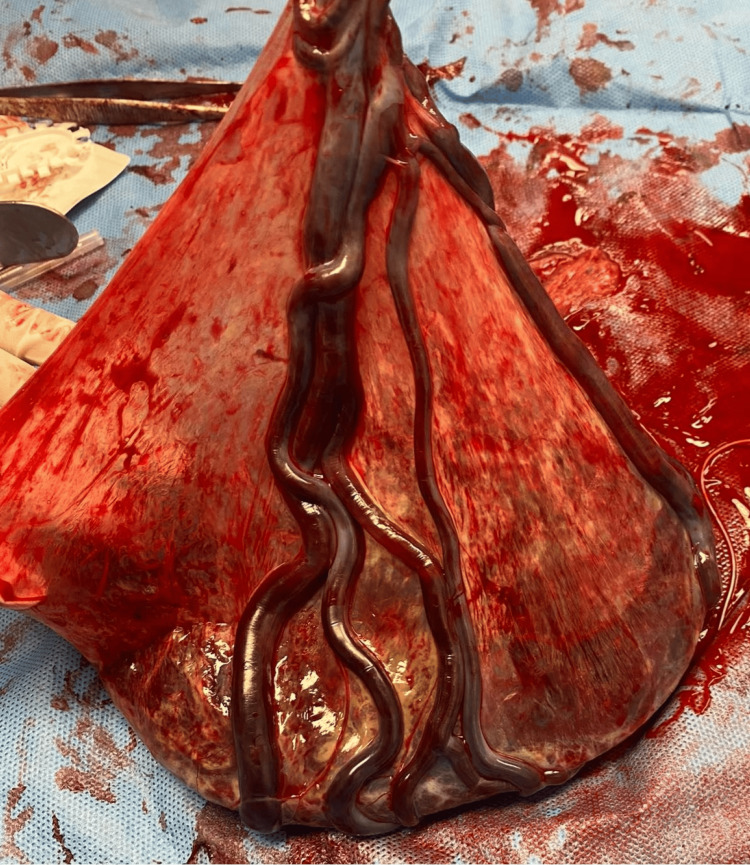 Figure 3
Peer Reviews
No public reviews on file for this paper yet. If you reviewed it on a platform where reviews are public (OpenReview, ICLR, NeurIPS, ICML), you can paste yours below so the community can read it here.
Videos
No videos yet. Explain this paper in a talk, walkthrough, or lecture? Add one.
Taxonomy
TopicsMaternal and fetal healthcare · Pregnancy and preeclampsia studies · Neonatal and fetal brain pathology