Early diagnosis of Alzheimer's disease based on brain morphological changes: A comprehensive approach combining voxel-based morphometry and deep learning
Mohammad Rezaei, Shaghayegh Mohammadikhaveh, Hadis Faraji, Ramin Ardalani, Mina Rezaei, Alireza Shirazinodeh

TL;DR
This paper presents a new method for early Alzheimer's diagnosis by combining brain imaging data with deep learning to detect structural changes in the brain.
Contribution
The novel approach integrates biologically meaningful features with deep learning for improved early detection of Alzheimer's disease.
Findings
Biologically driven heatmaps from MRI scans showed excellent classification performance in detecting early Alzheimer's symptoms.
Multi-bit representations of structural biomarkers enhance the interpretability and effectiveness of deep learning models.
The method uses T1-weighted MRI scans from ADNI to analyze five key neuroimaging measures across different clinical groups.
Abstract
Deep learning algorithms optimize data by enhancing resolution and suppressing noise associated with biological knowledge. The root issue is that, for example, CNNs learning mathematical patterns from statistical correlations in the data without regard to biological cues whatsoever, and merely apply filters such as max pooling, never grasping what the biological cues they are supposed to investigate are. This blind procedure can indeed be in technical language; however, it does not help to identify meaningful insights into neuroimaging, where interpretability is essential, and such inadequacies pose a grave challenge. In our research, rather than depending on the CNNs and FCNs only for the feature extractions, we have integrated biologically motivated features into voxel-based morphometry as well as deep learning. Our goal is to analyze T1-weighted MRI scans and T2-Flair images to…
Genes, proteins, chemicals, diseases, species, mutations and cell lines named across the full text — each resolved to its canonical identifier and authoritative record.
Click any figure to enlarge with its caption.
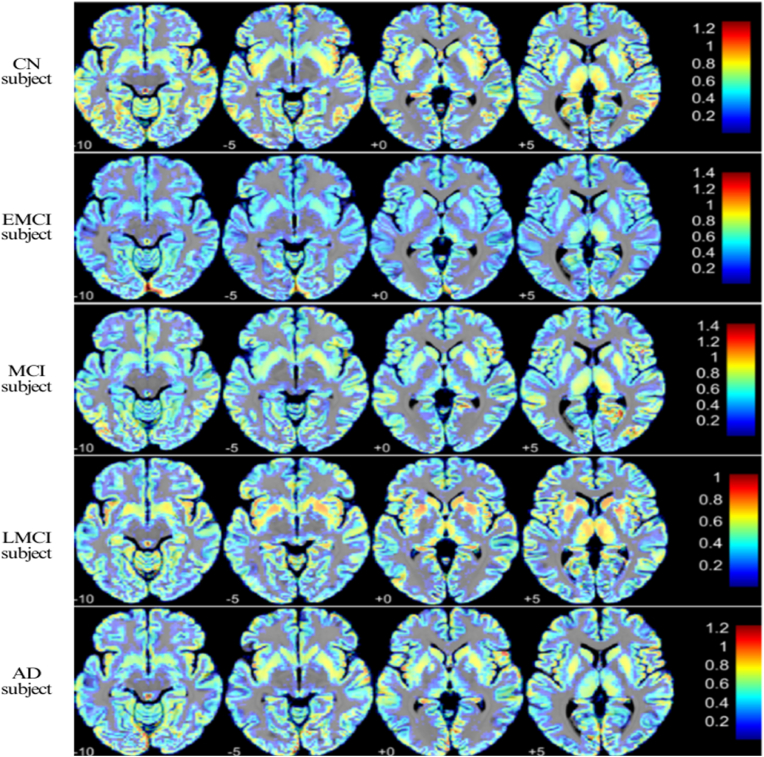 Figure 1
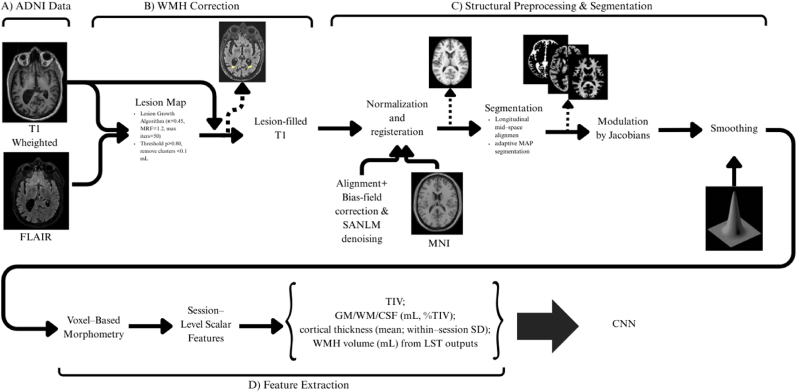 Figure 2
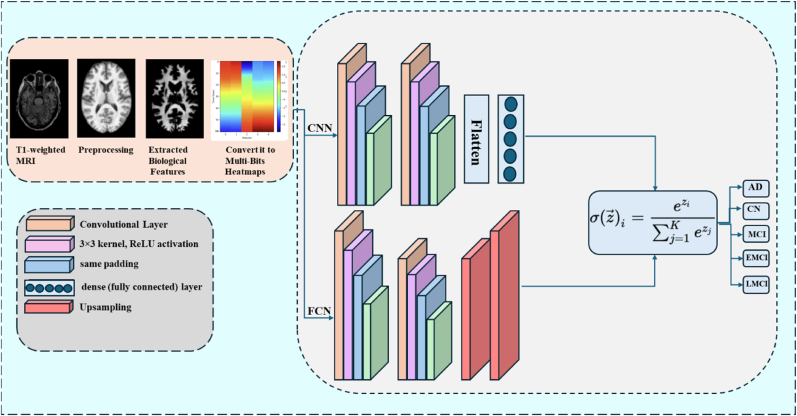 Figure 3
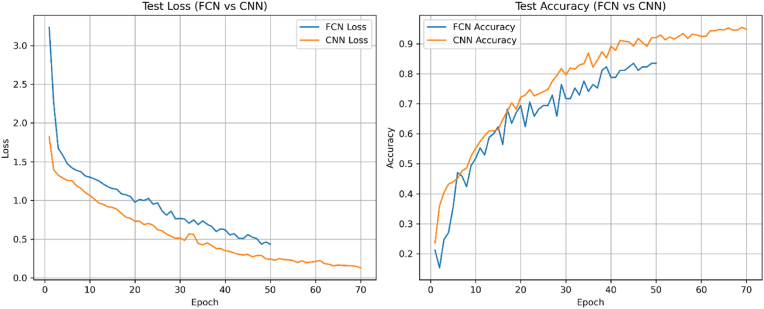 Figure 4
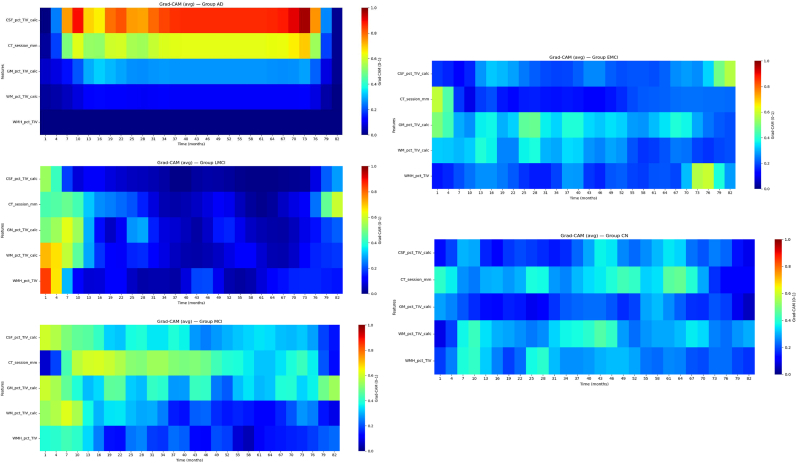 Figure 5
Peer Reviews
No public reviews on file for this paper yet. If you reviewed it on a platform where reviews are public (OpenReview, ICLR, NeurIPS, ICML), you can paste yours below so the community can read it here.
Videos
No videos yet. Explain this paper in a talk, walkthrough, or lecture? Add one.
Taxonomy
TopicsDementia and Cognitive Impairment Research · Functional Brain Connectivity Studies · Brain Tumor Detection and Classification