Unravelling the genomic landscape of Canadian Borrelia burgdorferi: a comparison across global strains
Anthony Piot, Iain L. Mainprize, Justin Wood, Jeff Gauthier, Cezar M. Khursigara, Karine Thivierge, Melanie K. B. Wills, Roger C. Levesque

TL;DR
This study presents the first complete genomes of Canadian Borrelia burgdorferi strains and compares them to global strains to better understand the evolution of Lyme disease.
Contribution
The paper provides the first complete genome sequences of Canadian B. burgdorferi strains and a strategy for their assembly and comparative analysis.
Findings
Canadian B. burgdorferi strains have a genome structure similar to other global strains.
Phylogenetic analysis showed differences in plasmid placement between chromosomes and plasmids.
Synteny analysis revealed high gene sequence conservation within replicons, especially for cp32 plasmids.
Abstract
The main agent of Lyme borreliosis (LB) in North America, the bacteria Borrelia burgdorferi, is spreading in Canada following the northward expansion of its primary tick vectors, Ixodes scapularis and Ixodes pacificus. Despite the importance of this pathogen for human health, the precise geographical origin and genome structure of Canadian B. burgdorferi strains remain to be determined, and no complete genome sequence from this region is available. The complex genome structure of Borrelia species makes their assembly challenging, but the latest long-read sequencing technologies and bioinformatics software now enable de novo assembly of Borrelia genomes with high efficacy. In this study, we sequenced and assembled the genomes of six Canadian B. burgdorferi strains to compare their content and structure to additional Borrelia genomes from the USA and Europe. We successfully reconstructed…
Genes, proteins, chemicals, diseases, species, mutations and cell lines named across the full text — each resolved to its canonical identifier and authoritative record.
Click any figure to enlarge with its caption.
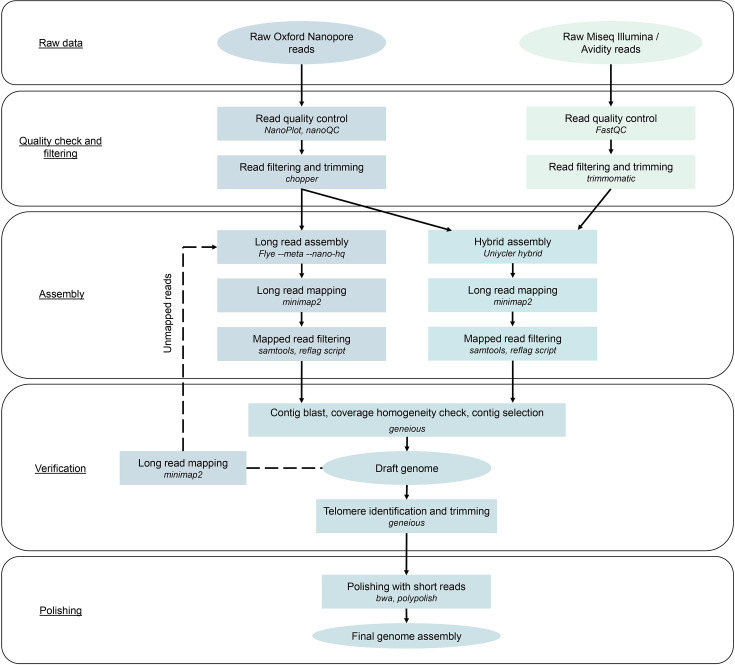 Figure 1
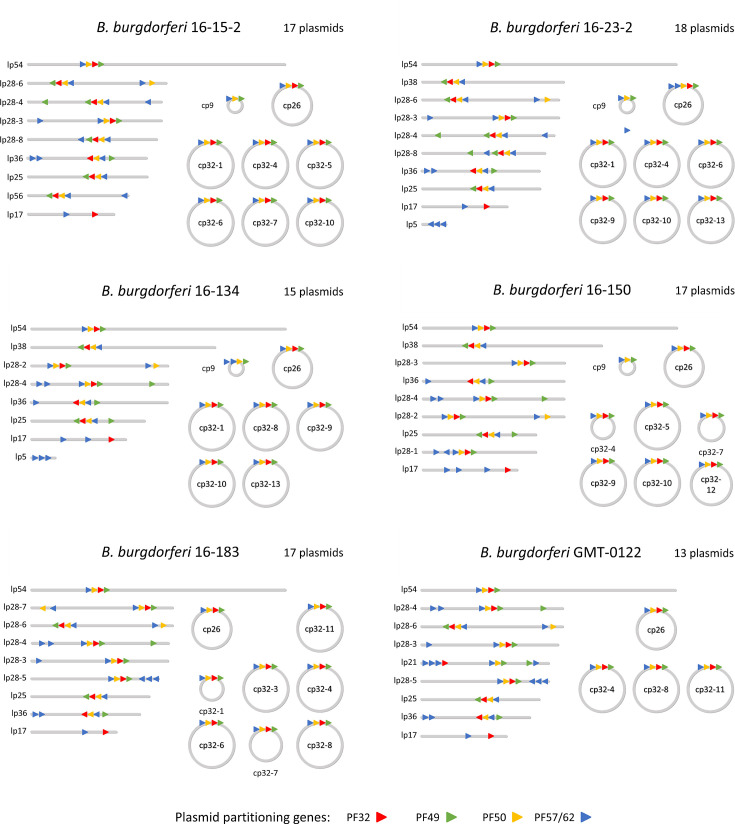 Figure 2
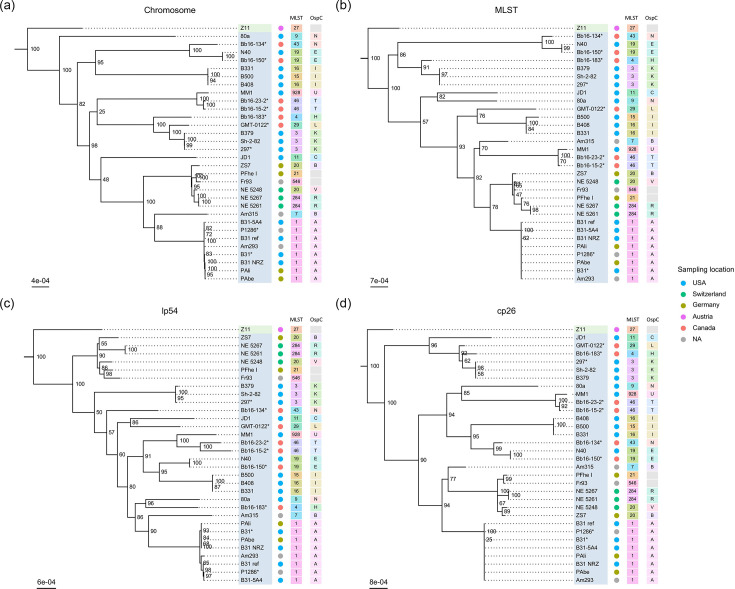 Figure 3
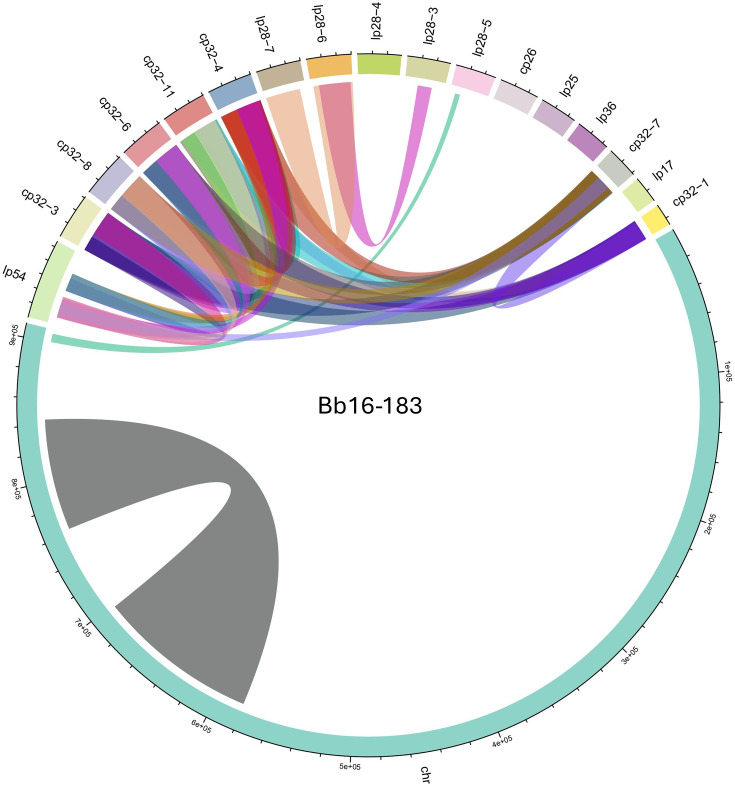 Figure 4
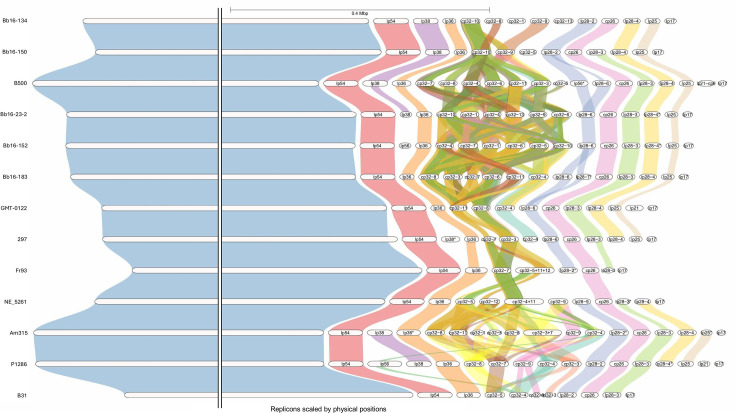 Figure 5
Peer Reviews
No public reviews on file for this paper yet. If you reviewed it on a platform where reviews are public (OpenReview, ICLR, NeurIPS, ICML), you can paste yours below so the community can read it here.
Videos
No videos yet. Explain this paper in a talk, walkthrough, or lecture? Add one.
Taxonomy
TopicsVector-borne infectious diseases · vaccines and immunoinformatics approaches · Zoonotic diseases and public health