Lannea coromandelica (Houtt.) Merr.: A Comprehensive Review of Its Ethnomedicinal Uses, Phytochemistry and Pharmacological Activity
Nawfal Hasan Siam, Sumaya Akter, Anika Rahman, Taniza Tasnim, Md. Mhamudul Huda Ruhed, Anika Ahmed, Naznin Rahman, Afsana Akter Mim, Tasnim Tabassum, Md. Mazharul Islam Chowdhury, Jakir Ahmed Chowdhury

TL;DR
This paper reviews the medicinal uses, chemical composition, and health benefits of Lannea coromandelica, a tropical tree used in traditional medicine.
Contribution
The study provides a comprehensive review of L. coromandelica's ethnomedicinal uses, phytochemistry, and pharmacological effects, identifying its therapeutic potential.
Findings
Lannea coromandelica contains bioactive compounds like flavonoids, phenolic acids, and triterpenes.
Extracts from the plant show antidiabetic, antioxidant, anticancer, and anti-inflammatory effects.
The plant is safe at high doses, with no observed toxicity in animal studies.
Abstract
Lannea coromandelica (Houtt.) Merr., a deciduous tropical tree of the Anacardiaceae family, is traditionally used in Asian ethnomedicine to treat diabetes, skin diseases, ulcers, inflammation, and microbial infections. This review aims to consolidate current knowledge on its ethnomedicinal applications, phytochemistry, pharmacology, and toxicology to assess its therapeutic potential. A systematic literature search was conducted from January to April 2025 using Web of Science, PubMed, Science Direct, and Google Scholar. Approximately 115 papers were initially screened, with 86 selected for comprehensive review. The data covered publications from 2011 to 2025, focusing on keywords related to L. coromandelica and associated terms. Phytochemical studies revealed diverse bioactive constituents, including flavonoids (quercetin, morin), phenolic acids (gallic acid, protocatechuic acid),…
Genes, proteins, chemicals, diseases, species, mutations and cell lines named across the full text — each resolved to its canonical identifier and authoritative record.
Click any figure to enlarge with its caption.
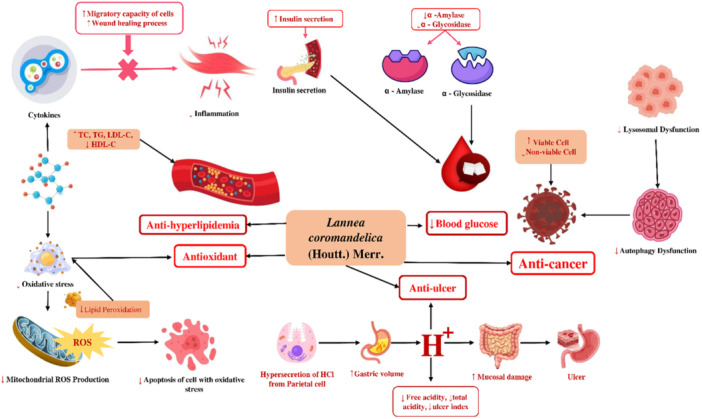 Figure 1
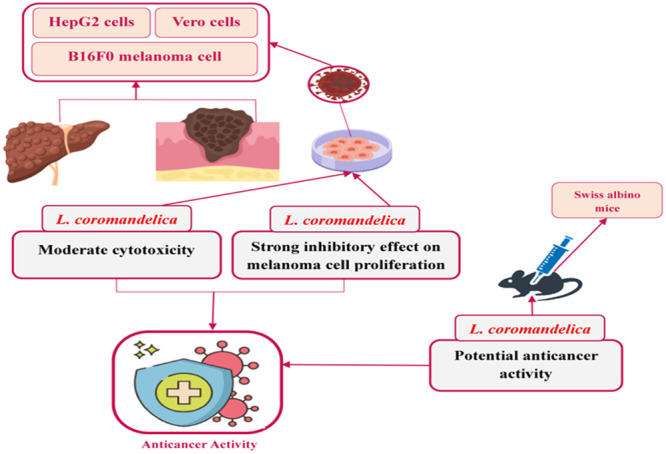 Figure 2
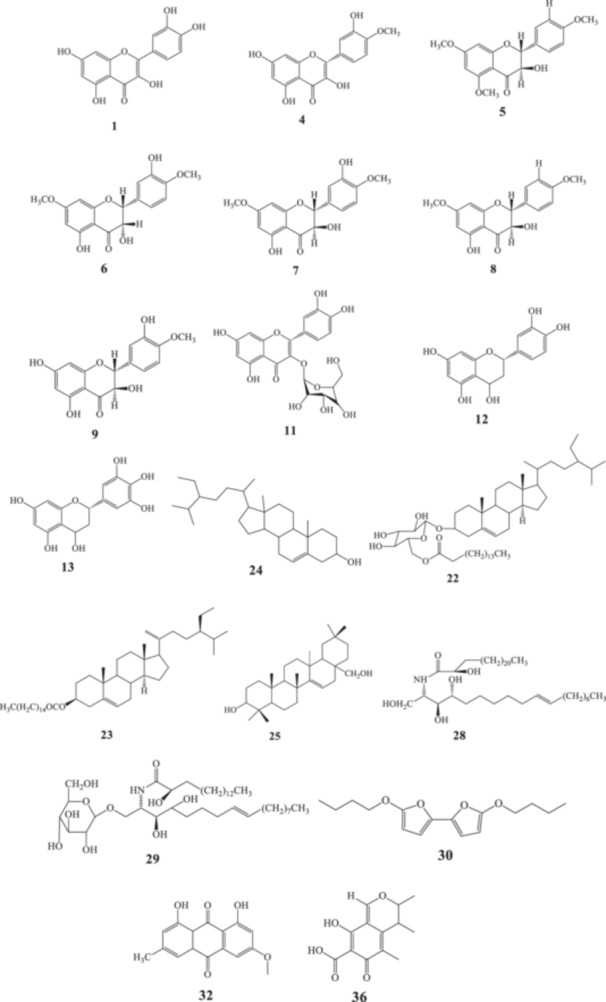 Figure 3
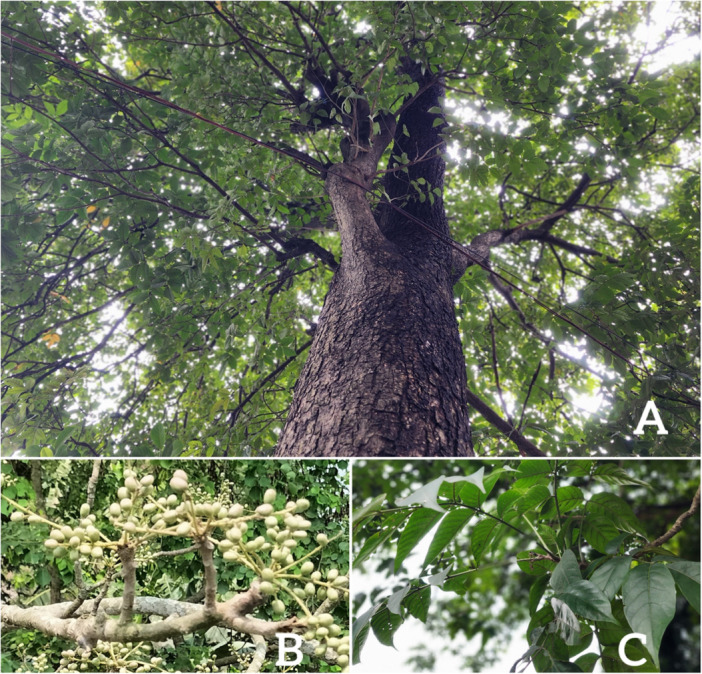 Figure 4
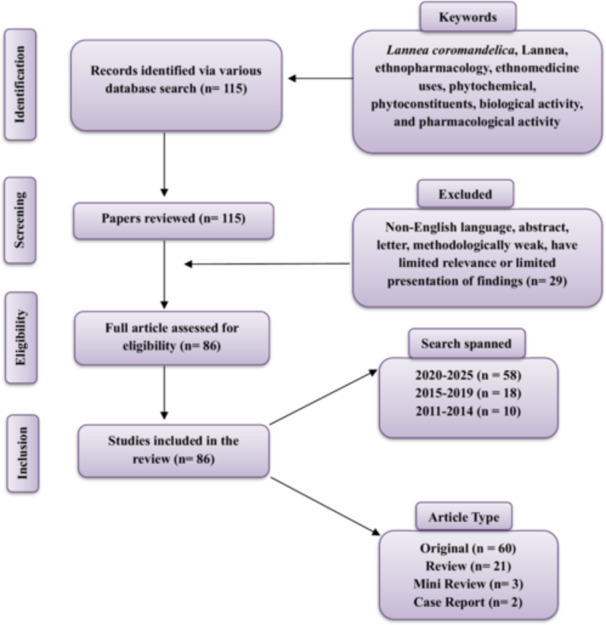 Figure 5
Peer Reviews
No public reviews on file for this paper yet. If you reviewed it on a platform where reviews are public (OpenReview, ICLR, NeurIPS, ICML), you can paste yours below so the community can read it here.
Videos
No videos yet. Explain this paper in a talk, walkthrough, or lecture? Add one.
Taxonomy
TopicsGinger and Zingiberaceae research · Tannin, Tannase and Anticancer Activities · Natural product bioactivities and synthesis