Therapeutic nanoliposome vaccine targeting multiple Aβ and tau epitopes reduces AD-like brain pathologies and rescues cognitive deficits in 3xTg-AD mice
Chun-Ling Dai, Yiting Song, Yonghua Chen, Yunn Chyn Tung, Wei-Chiao Huang, Cheng-Xin Gong, Jonathan F. Lovell

TL;DR
A new vaccine targeting both amyloid beta and tau proteins in Alzheimer's disease mice reduces brain pathologies and improves memory without side effects.
Contribution
A novel nanoliposome vaccine (SNAP-AD5) that simultaneously targets multiple epitopes of both Aβ and tau is developed and tested in a mouse model of AD.
Findings
SNAP-AD5 reduces Aβ and tau pathologies in 3xTg-AD mice.
The vaccine improves cognitive function without adverse effects.
Antibodies against multiple Aβ and tau epitopes are generated effectively.
Abstract
Amyloid beta (Aβ) plaques and hyperphosphorylated tau neurofibrillary tangles (NFTs) are the histopathological hallmarks of Alzheimer's disease (AD) and targets for AD therapeutics. Since Aβ and tau pathologies both drive AD pathogenesis and progression, immunotherapies singularly targeting either Aβ or tau may be limited, and simultaneously targeting multiple epitopes of both Aβ and tau may be an efficacious approach. We developed a novel vaccine including three his-tagged tau peptides, tau1-22, mid-region tau171-191 (taupT181), and tau388-407 (taupS396/S404), as well as two his-tagged Aβ fragments (N-terminal Aβ1-14 and N-terminal pyroglutamate AβpE3-14) with the spontaneous nanoliposome antigen particle (SNAP) system, termed SNAP-AD5. Intramuscular vaccination of nine to ten months old of 3xTg-AD mice and age-matched wild-type control animals with SNAP-AD5 or adjuvant only, once…
Genes, proteins, chemicals, diseases, species, mutations and cell lines named across the full text — each resolved to its canonical identifier and authoritative record.
Click any figure to enlarge with its caption.
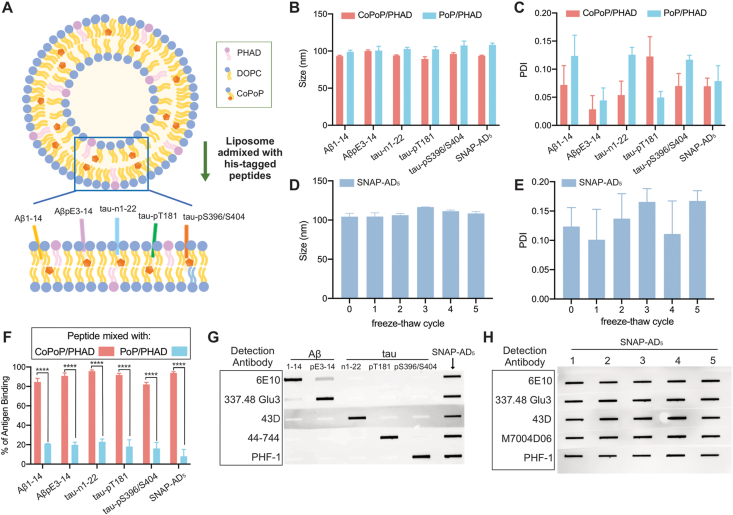 Figure 1
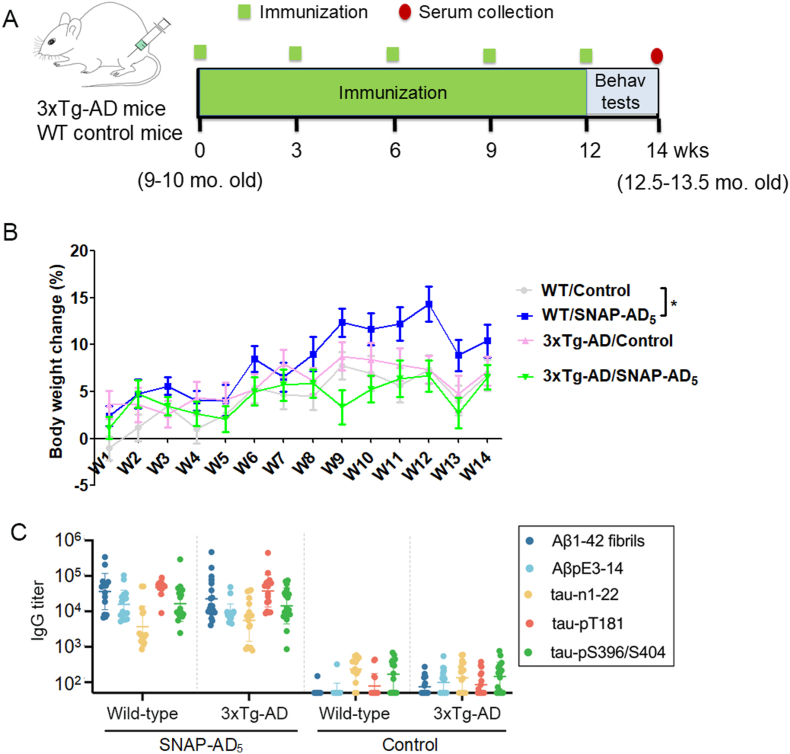 Figure 2
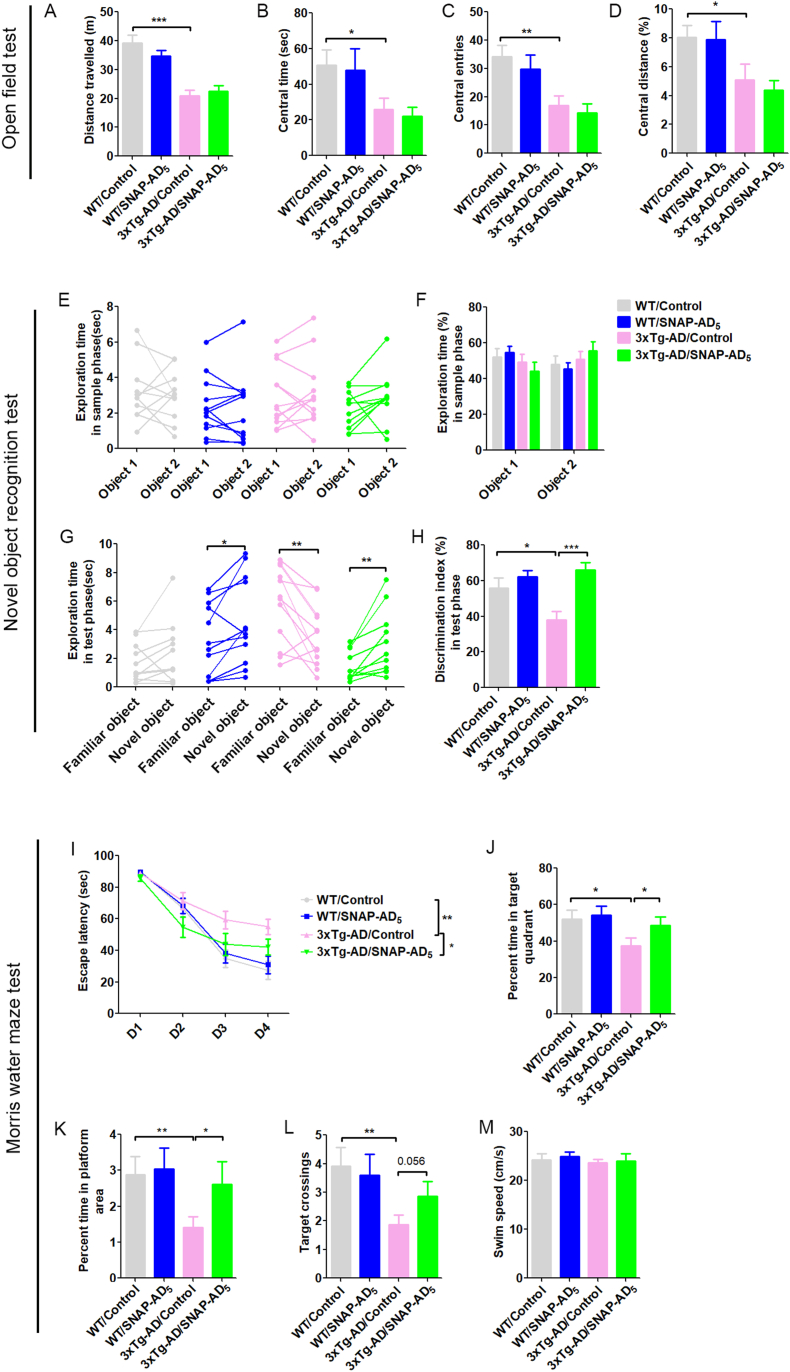 Figure 3
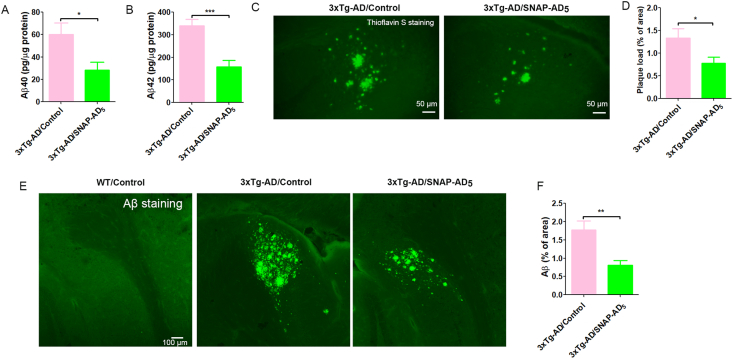 Figure 4
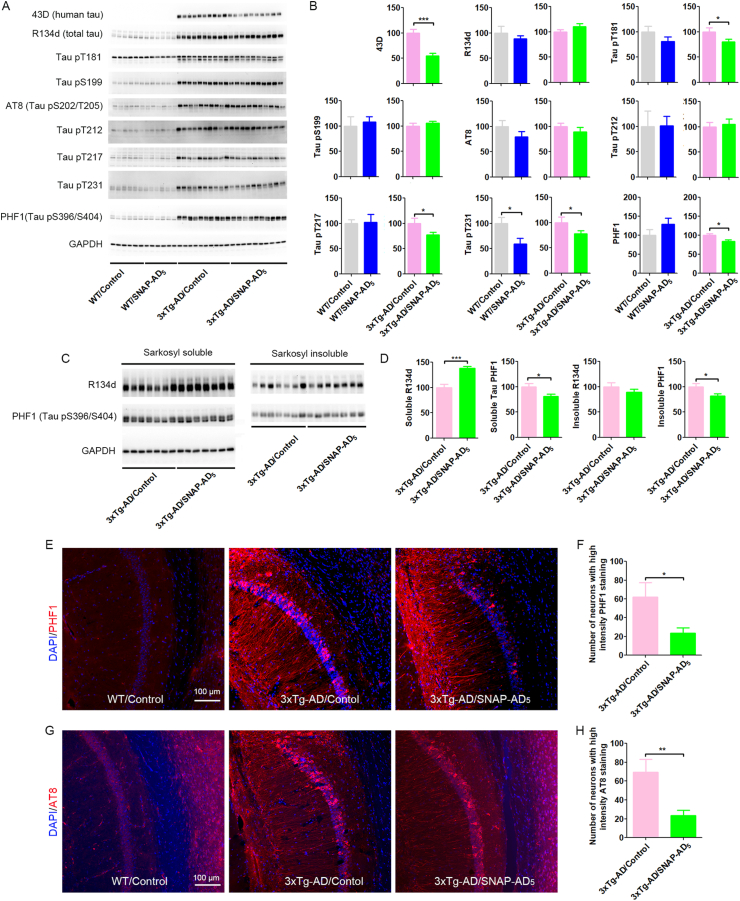 Figure 5
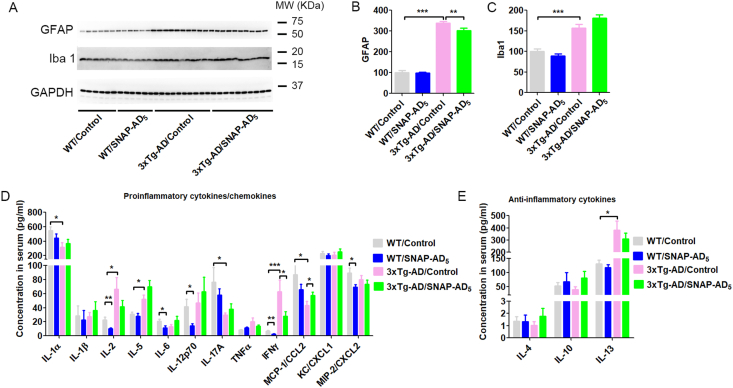 Figure 6
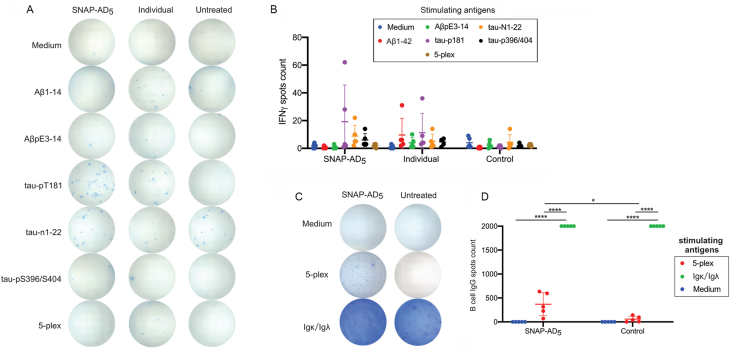 Figure 7
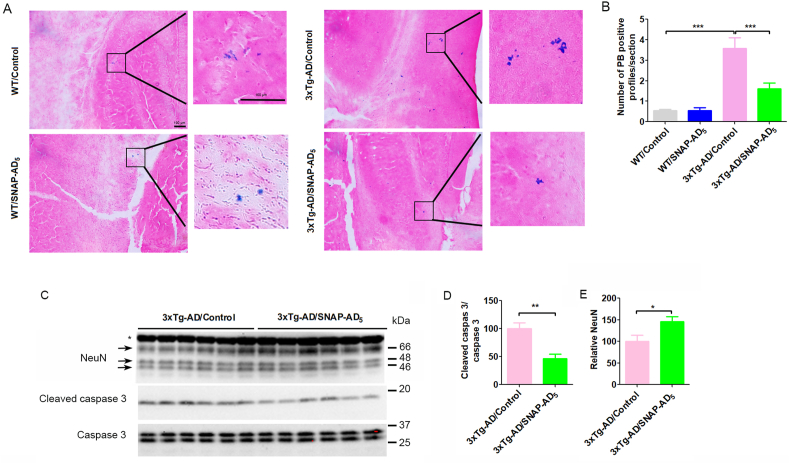 Figure 8
Peer Reviews
No public reviews on file for this paper yet. If you reviewed it on a platform where reviews are public (OpenReview, ICLR, NeurIPS, ICML), you can paste yours below so the community can read it here.
Videos
No videos yet. Explain this paper in a talk, walkthrough, or lecture? Add one.
Taxonomy
TopicsAlzheimer's disease research and treatments · Neuroinflammation and Neurodegeneration Mechanisms · Dementia and Cognitive Impairment Research