Senolytic-loaded asymmetric wound dressing for targeted senescent cell clearance in diabetic wound healing
Ming Zhang, Yamei Wang, Yao Dai, Yan Hu, Wanting Fu, Yuhao Zhao, Hanyu Ma, Di Zhang, Ying Chen, Yixuan Zhou, Lei Du, Jing Chang, Fang Liu, Shuyan Chen, Fei Wang, Dongdong Xiao, Zhen Li

TL;DR
A new wound dressing delivers senolytic drugs locally to clear senescent cells and improve healing in diabetic wounds without causing systemic toxicity.
Contribution
An asymmetric fabric-based platform for localized senolytic delivery was developed and tested in a diabetic mouse model.
Findings
Navitoclax (ABT-263) was identified as the most effective senolytic for skin fibroblasts and endothelial cells.
ABT-263-CGH significantly enhanced wound healing and reduced senescence markers in diabetic mice.
The treatment showed no detectable systemic toxicity in the mouse model.
Abstract
Chronic wounds, especially diabetic foot ulcers, pose a major clinical challenge due to persistent inflammation, impaired angiogenesis, and cellular senescence. Senolytic therapies, which selectively eliminate senescent cells, have shown promise in promoting healing, but systemic toxicity limits their application. To address this, we developed an asymmetric fabric-based composite platform for localized senolytic delivery. Using single-cell RNA sequencing, we characterized senescence-associated alterations in human diabetic foot ulcer tissues and screened several senolytic candidates in skin fibroblasts and endothelial cells. Among these, navitoclax (ABT-263) emerged as the most effective senolytic. Incorporating ABT-263 into the fabric-based platform to prepare ABT-263-CGH, we confirmed its ability to reduce senescent cell burden while maintaining biocompatibility. In a diabetic mouse…
Genes, proteins, chemicals, diseases, species, mutations and cell lines named across the full text — each resolved to its canonical identifier and authoritative record.
Click any figure to enlarge with its caption.
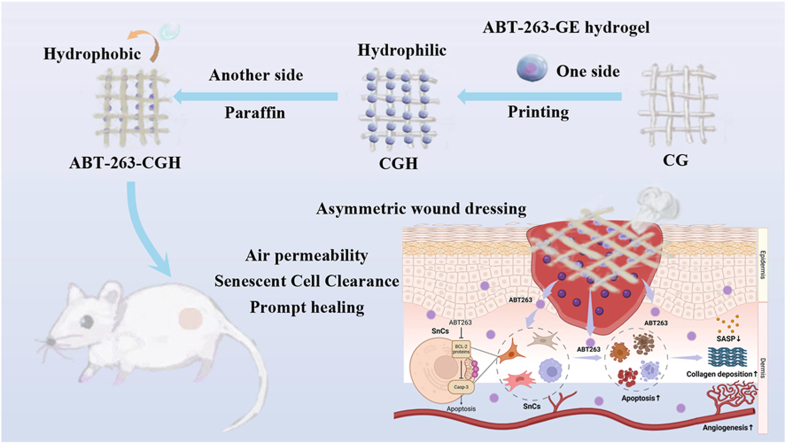 Figure 1
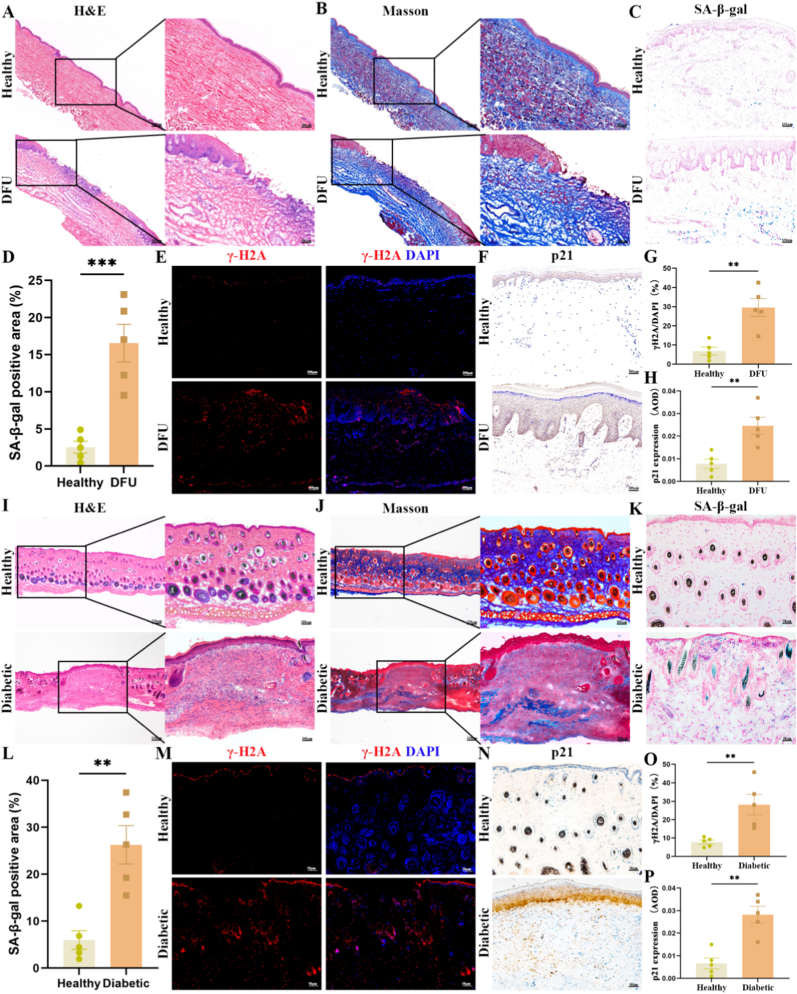 Figure 2
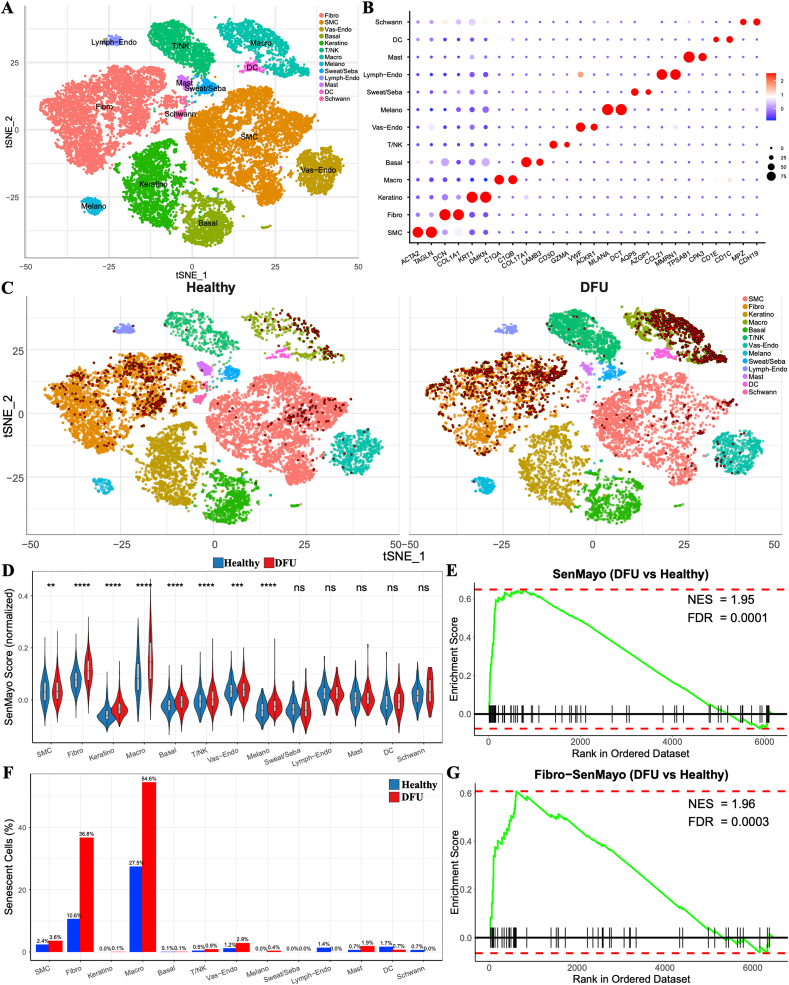 Figure 3
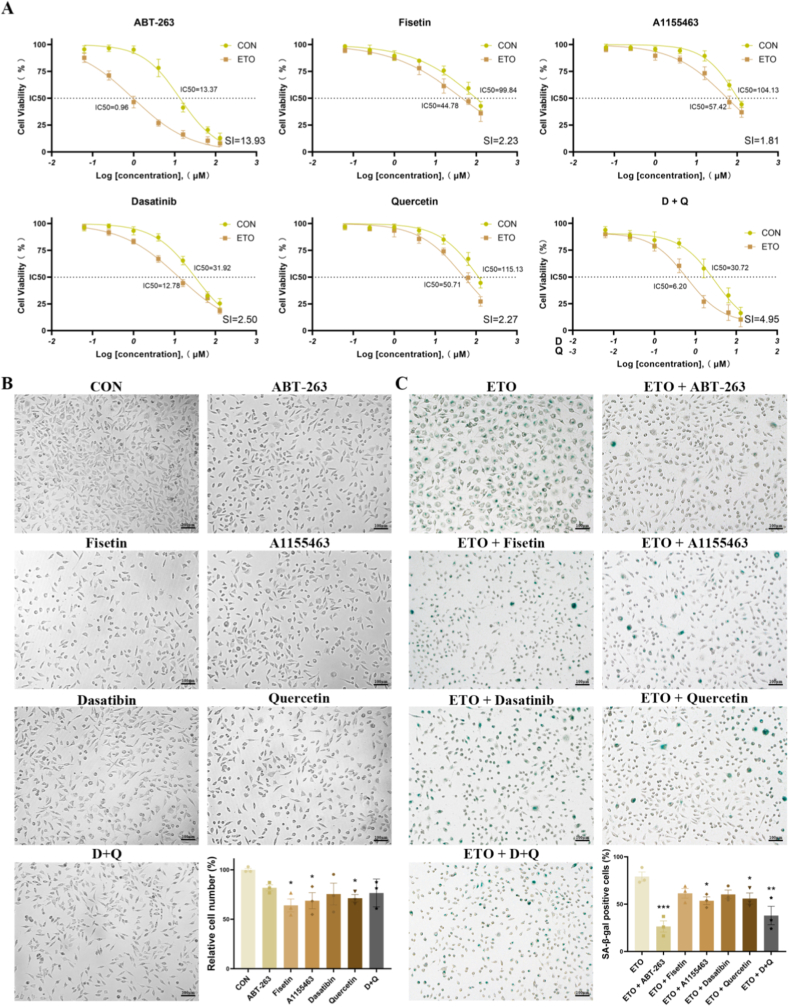 Figure 4
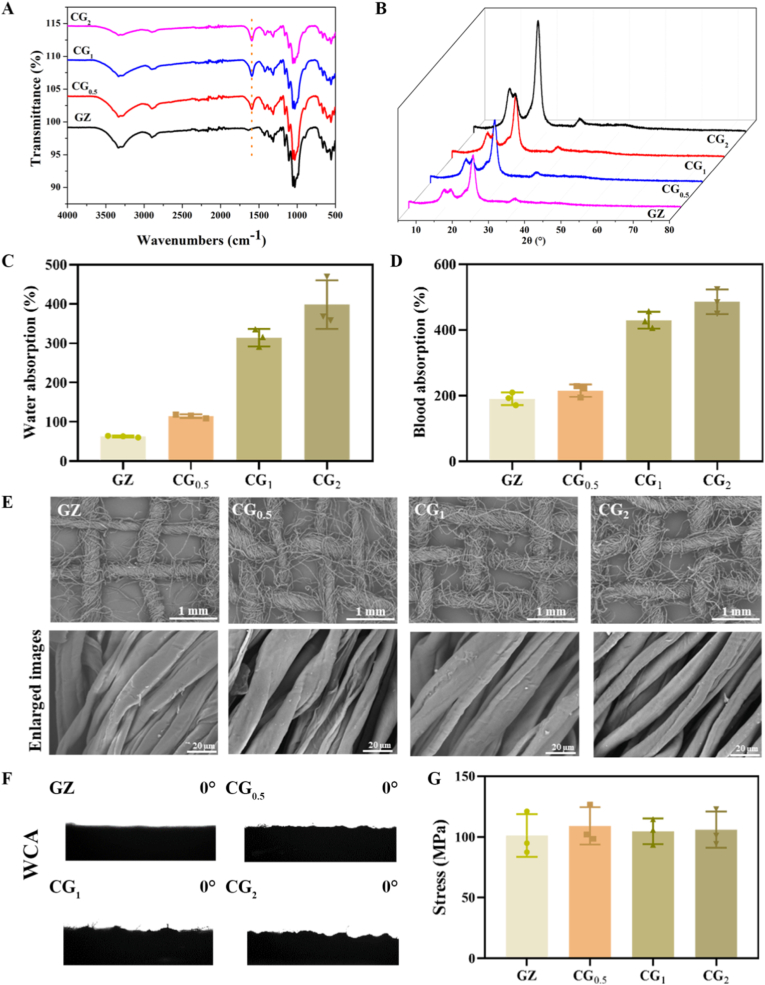 Figure 5
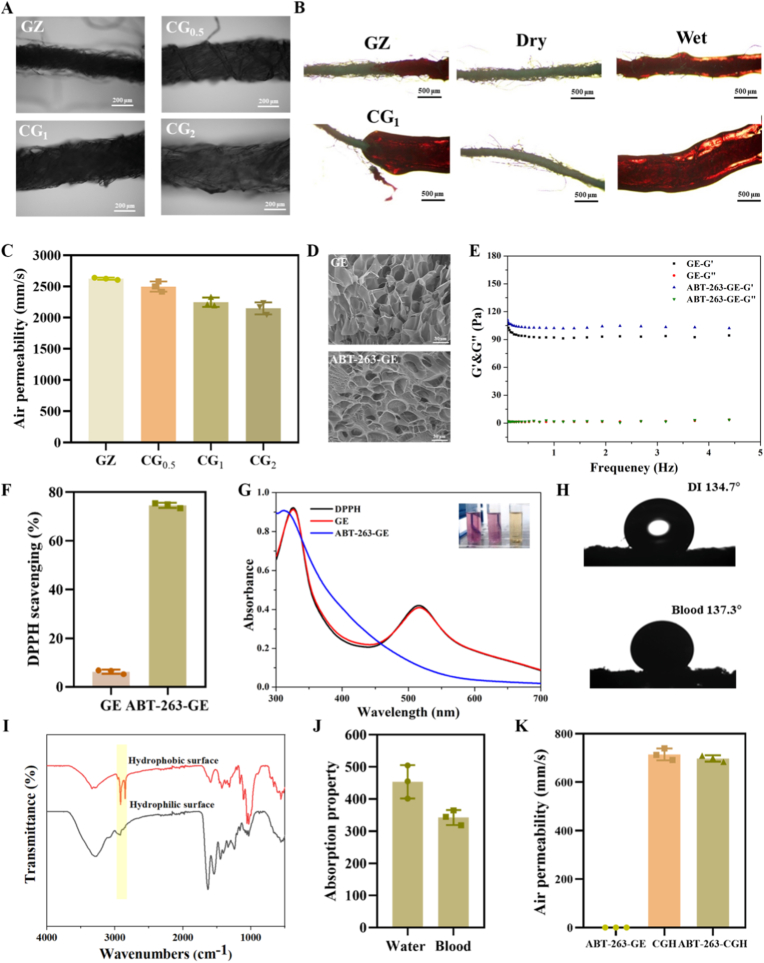 Figure 6
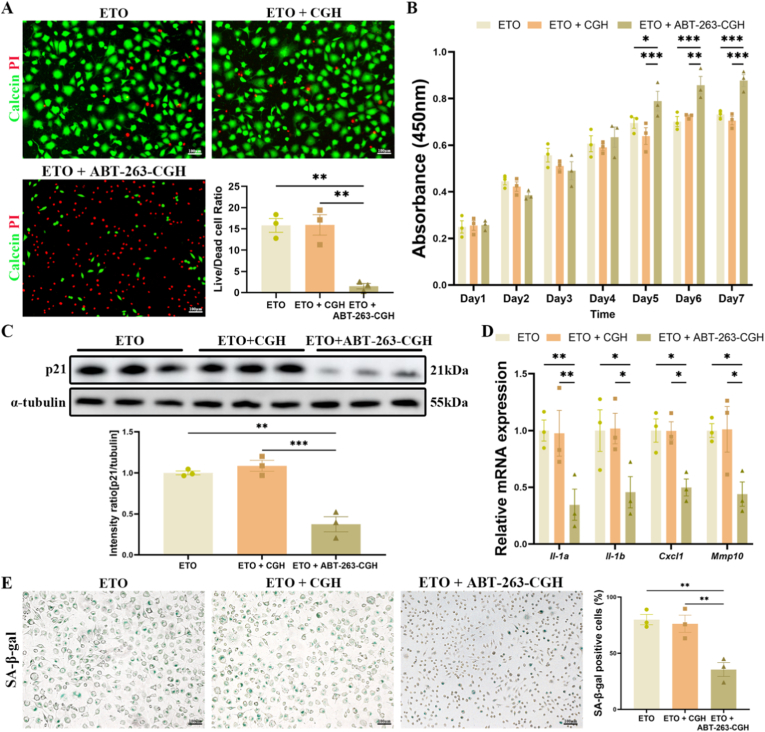 Figure 7
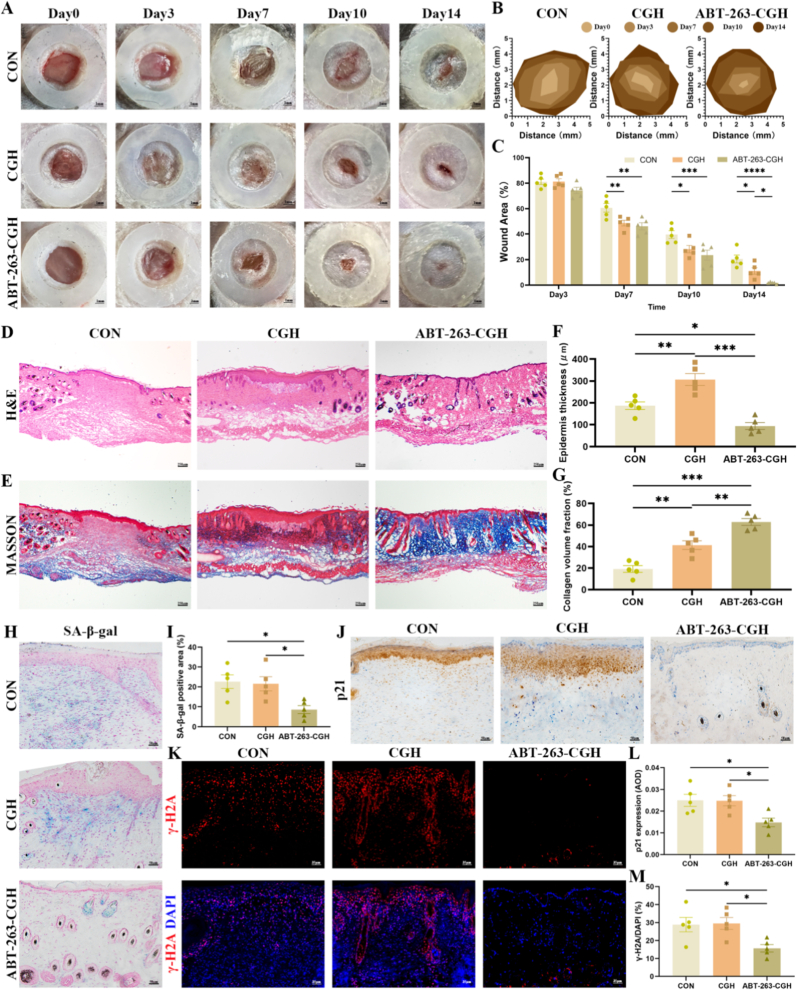 Figure 8
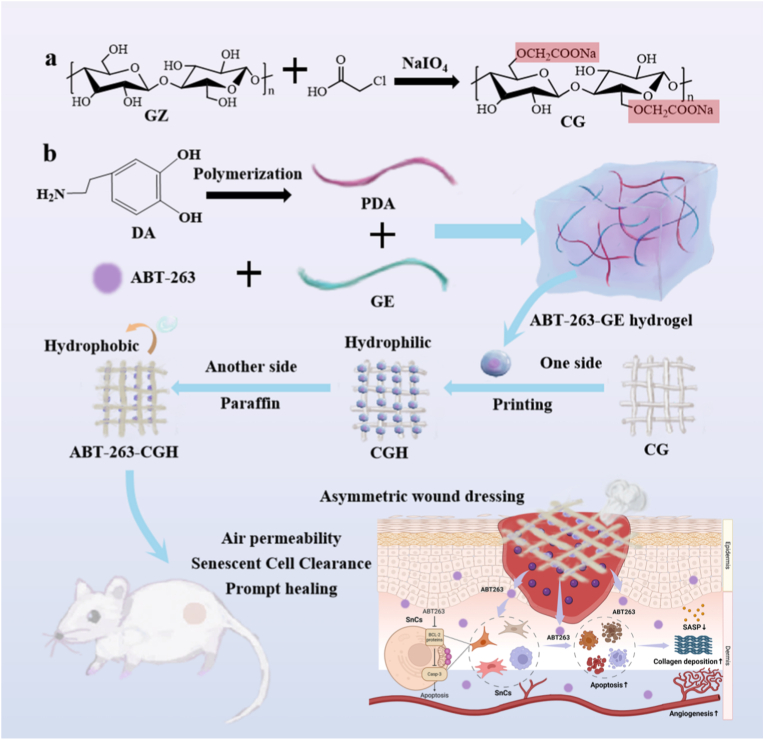 Figure 9
Peer Reviews
No public reviews on file for this paper yet. If you reviewed it on a platform where reviews are public (OpenReview, ICLR, NeurIPS, ICML), you can paste yours below so the community can read it here.
Videos
No videos yet. Explain this paper in a talk, walkthrough, or lecture? Add one.
Taxonomy
TopicsTelomeres, Telomerase, and Senescence · Wound Healing and Treatments · Pluripotent Stem Cells Research