ROS-responsive hydrogel loaded with capsaicin promotes tenogenic differentiation of tendon stem/progenitor cells and enhances tendon injury repair
Yun-Liang Zhu, Si-Chao Gu, Bao-Liang Lu, Hu Sun, Zai-Yong Guan, Rui-Hua Zhou, Ting-Yong Sun, Wen Gao, Shi-Yuan Fang

TL;DR
A ROS-responsive hydrogel loaded with capsaicin helps repair tendon injuries by promoting tendon cell growth and reducing harmful inflammation.
Contribution
A novel ROS-responsive hydrogel loaded with capsaicin is developed to enhance tendon regeneration by modulating TSPC differentiation and inflammation.
Findings
CGT upregulates tenogenic markers and collagen synthesis while downregulating osteogenic markers in TSPCs.
In vivo, CGT promotes orderly collagen regeneration and reduces inflammation and heterotopic ossification in tendon defects.
CGT suppresses the PI3K-AKT-mTOR axis, reducing proinflammatory cytokine secretion.
Abstract
Tendon injury repair remains challenging in sports medicine and orthopedics, partly due to limited endogenous regenerative capacity and sustained low-grade inflammation, which disrupt tendon stem/progenitor cells (TSPCs) homeostasis, impairing tenogenesis and enhancing osteogenesis, leading to complications like heterotopic ossification. Here, we engineered a reactive oxygen species (ROS)-responsive hydrogel loaded with capsaicin (CGT) and explored its role in tendon regeneration. In vitro, under IL-1β-induced inflammatory conditions, CGT ameliorated TSPCs dysfunction by upregulating tenogenic markers (Scx, Tnmd, Mkx) and collagen synthesis, while downregulating osteogenic markers (OCN, Runx-2), reducing ALP activity, and inhibiting calcium nodule formation. Mechanistically, CGT may suppress the PI3K-AKT-mTOR axis, attenuating proinflammatory cytokine secretion (IL-6, TNF-α, IL-1β). In…
Genes, proteins, chemicals, diseases, species, mutations and cell lines named across the full text — each resolved to its canonical identifier and authoritative record.
Click any figure to enlarge with its caption.
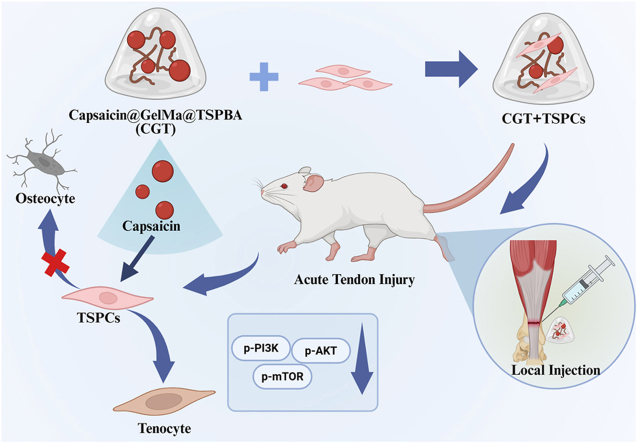 Figure 1
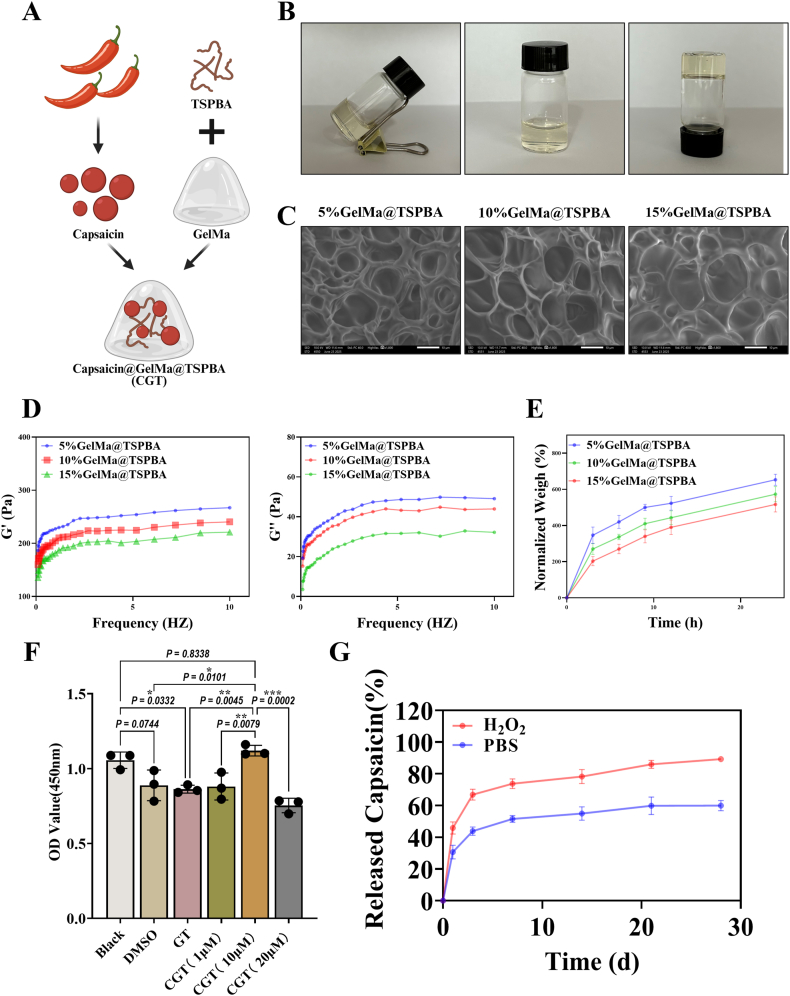 Figure 2
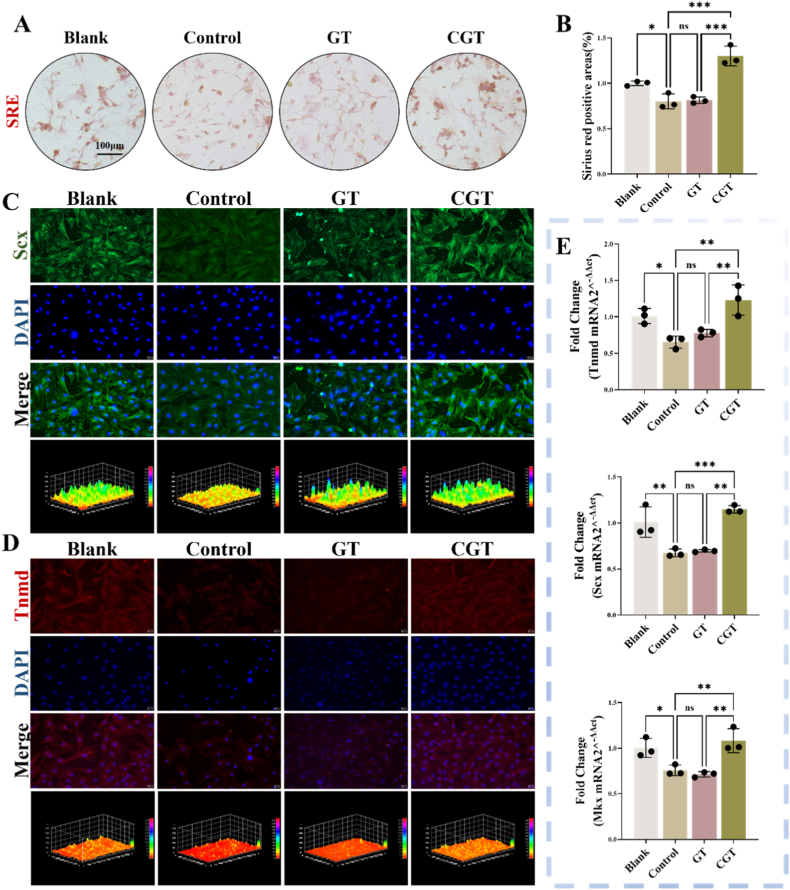 Figure 3
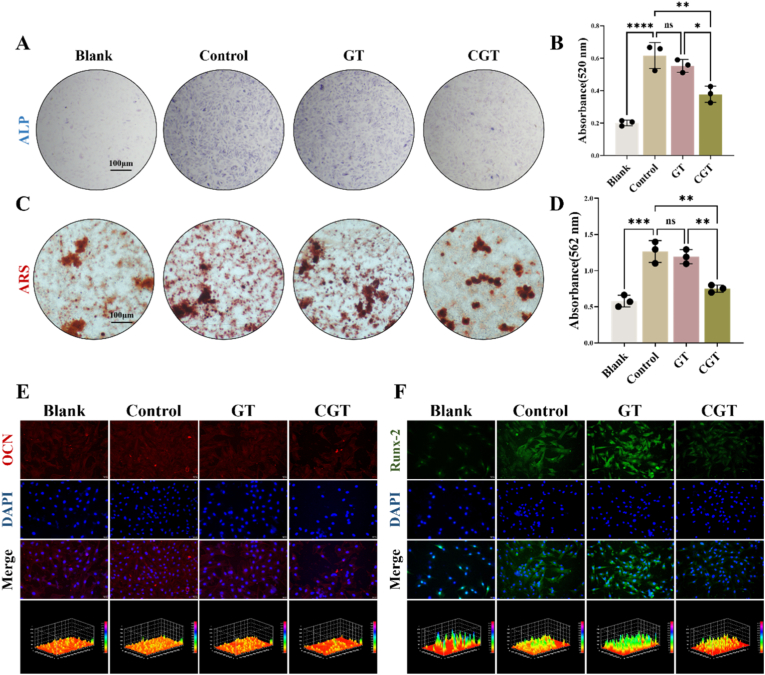 Figure 4
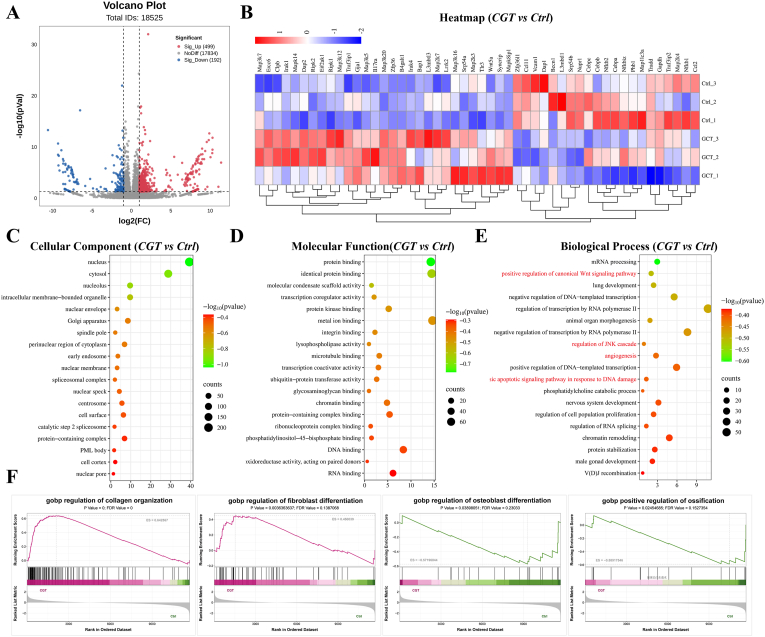 Figure 5
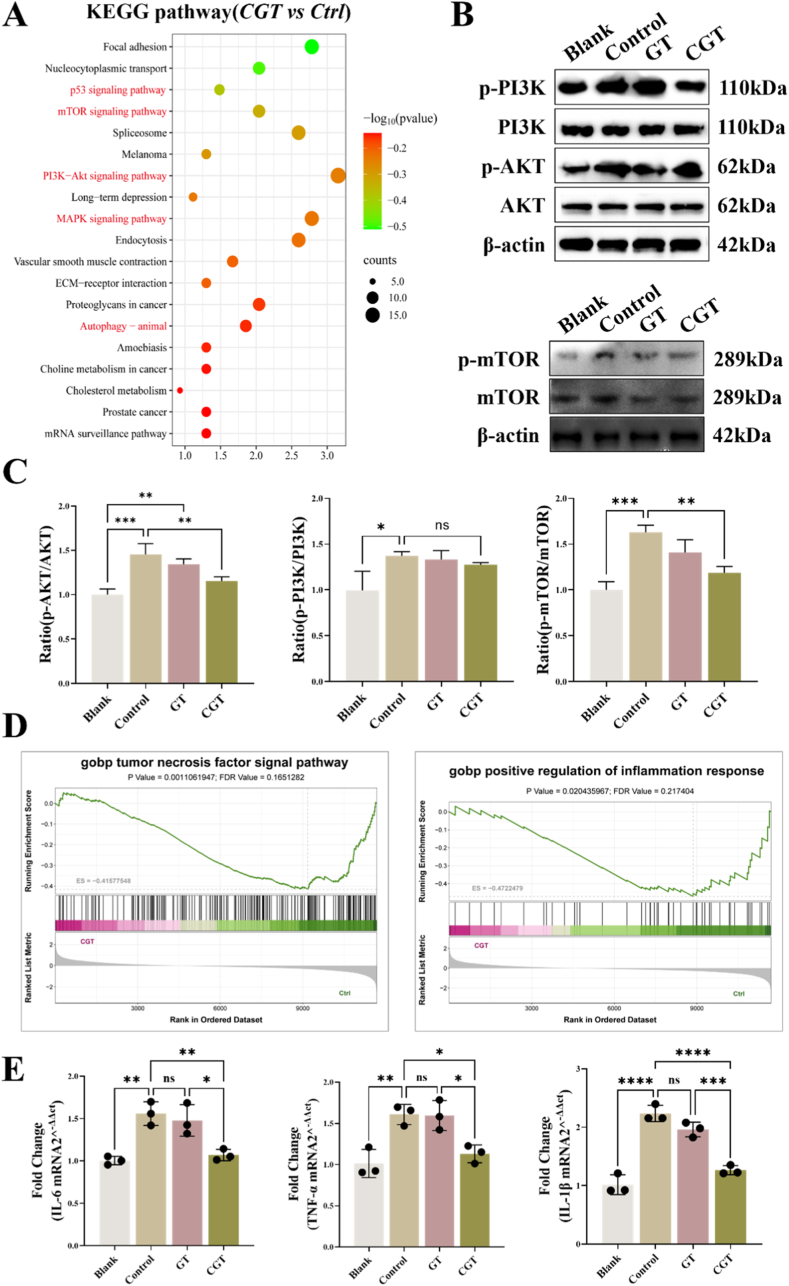 Figure 6
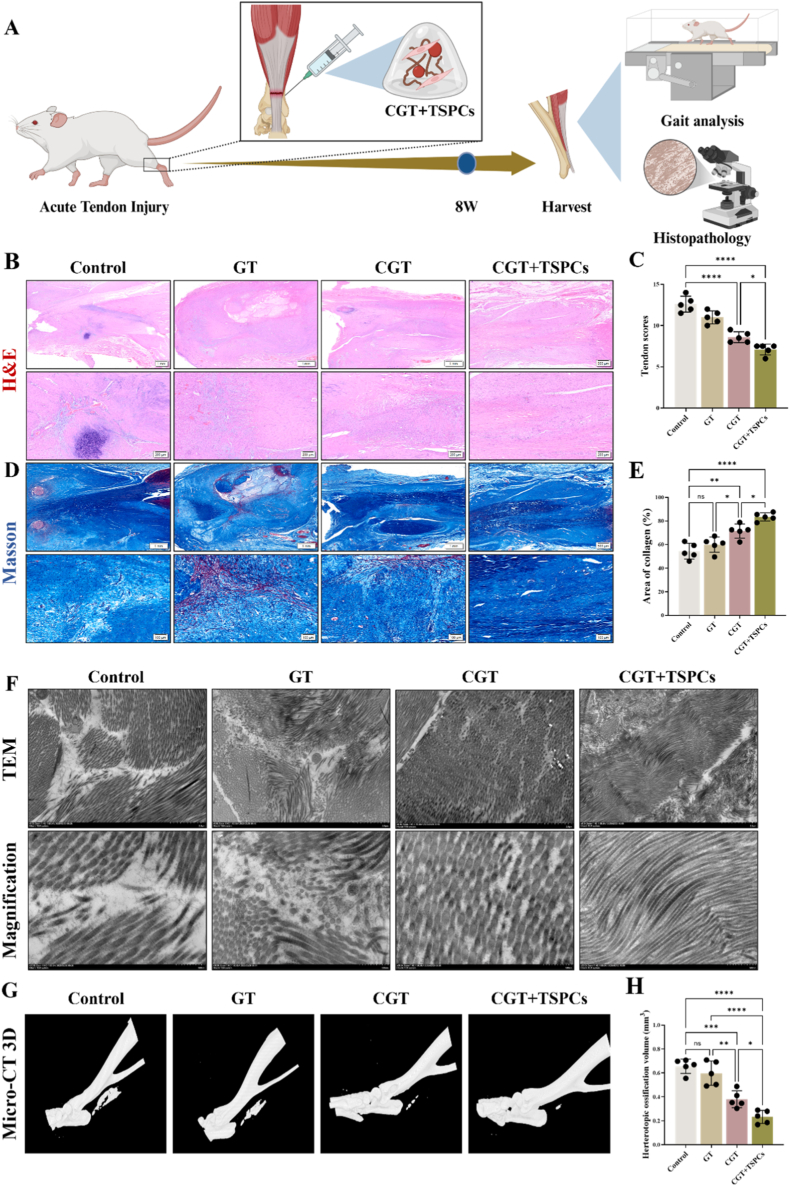 Figure 7
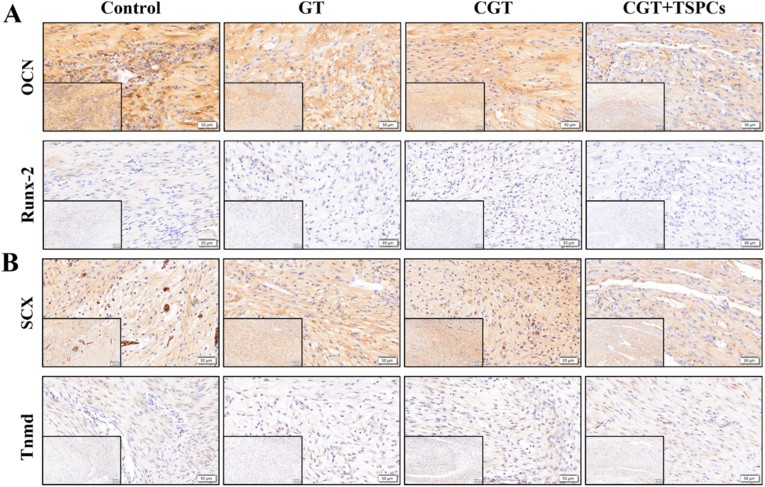 Figure 8
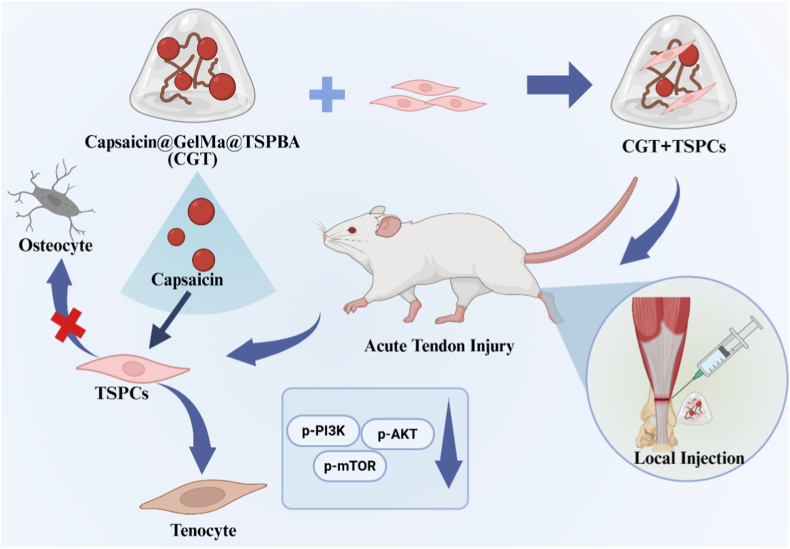 Figure 9
Peer Reviews
No public reviews on file for this paper yet. If you reviewed it on a platform where reviews are public (OpenReview, ICLR, NeurIPS, ICML), you can paste yours below so the community can read it here.
Videos
No videos yet. Explain this paper in a talk, walkthrough, or lecture? Add one.
Taxonomy
TopicsTendon Structure and Treatment · Elbow and Forearm Trauma Treatment · Shoulder Injury and Treatment